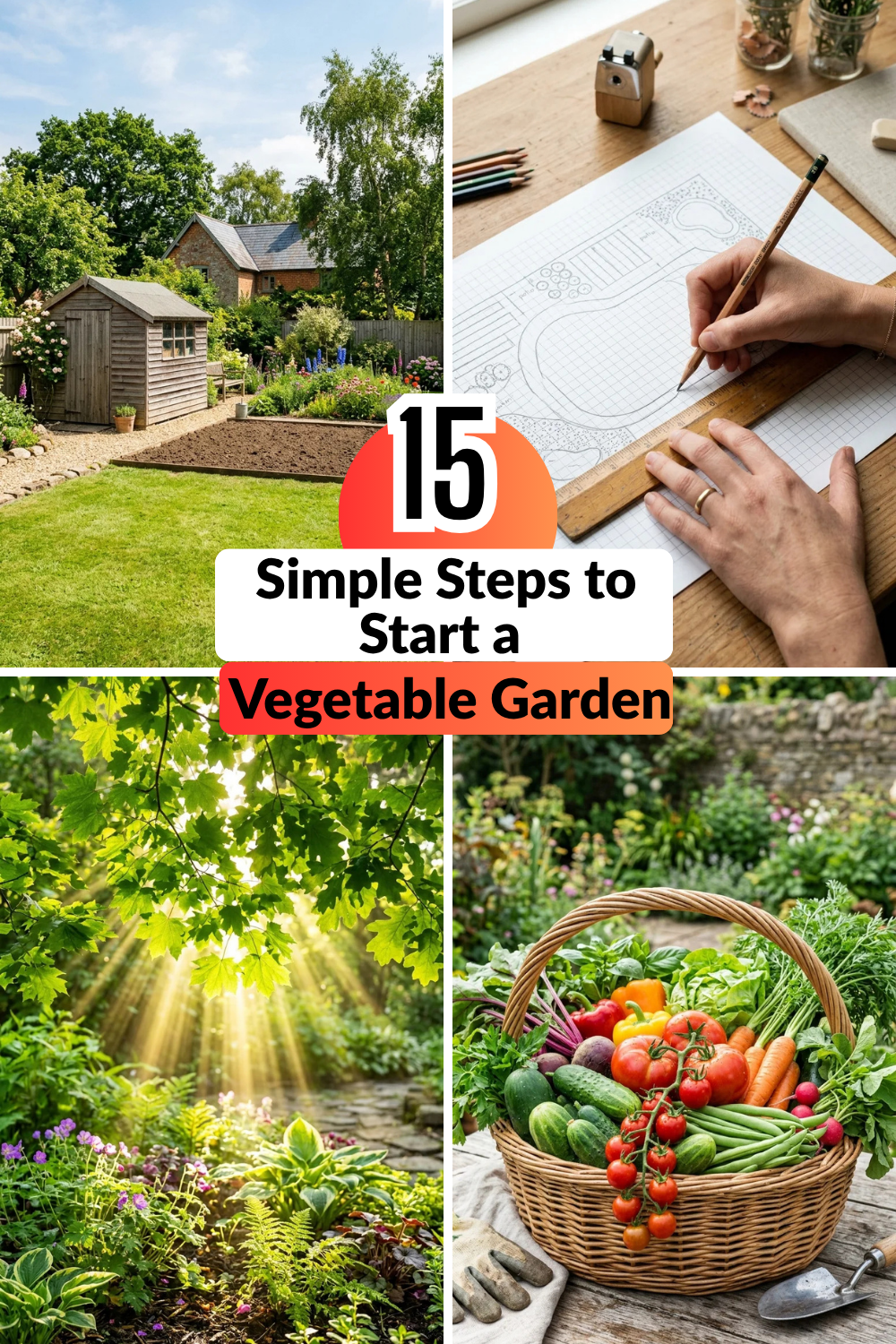
Starting a vegetable garden is one of the most rewarding projects you can undertake. There is a profound sense of satisfaction that comes from tilling the earth, nurturing a tiny seed into a sprawling plant, and finally harvesting fresh, organic produce for your dinner table. Beyond the culinary benefits, gardening offers a sanctuary for mental clarity and a physical workout that connects you with the rhythm of nature. If you have been dreaming of crisp cucumbers and sun-ripened tomatoes, this guide will walk you through the essential steps to turn that dream into a flourishing reality.
1. Location
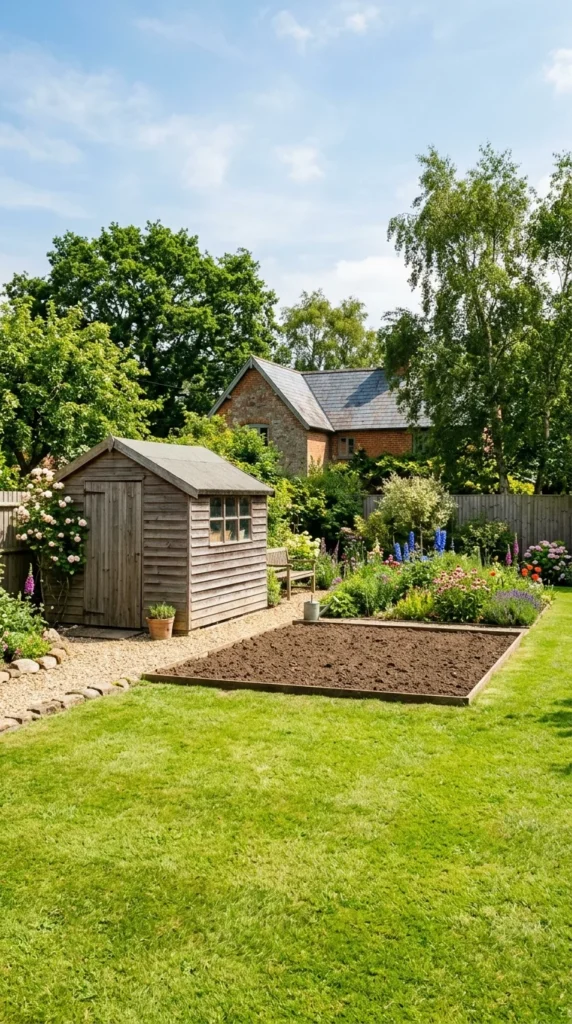
The success of your garden begins with where you put it. Most vegetables are “sun-worshippers” and require a location that is relatively flat and clear of heavy obstructions. You want a spot that you see every day; the “out of sight, out of mind” rule often leads to neglected plants. Look for a place that is easily accessible and close to a water source. Dragging a heavy hose across an entire acre every evening will quickly turn your hobby into a chore. Additionally, ensure the area has good drainage so your plants don’t end up with “wet feet,” which can lead to root rot.
2. Sunlight
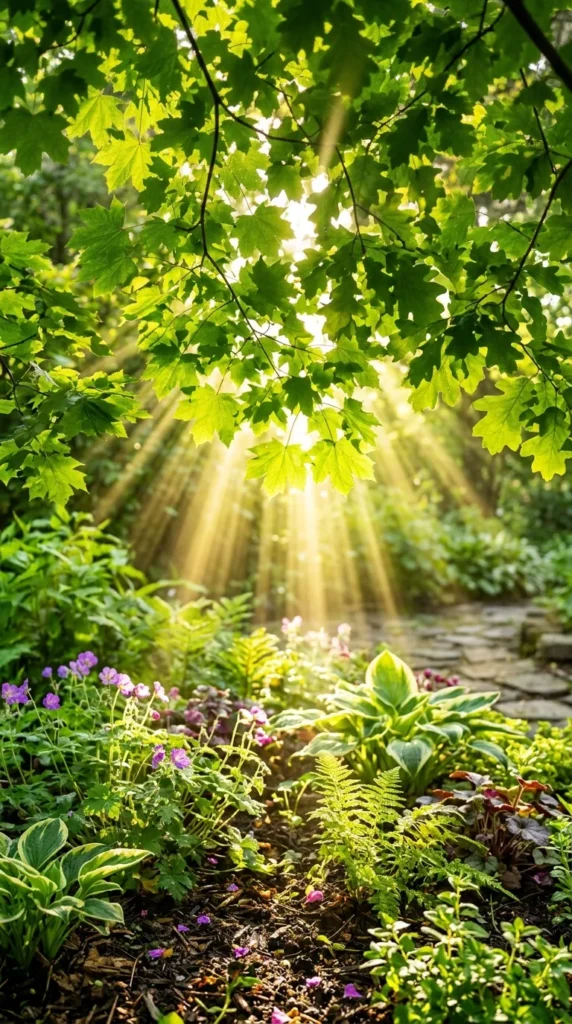
Sunlight is the primary fuel for your vegetables. Most fruiting plants, such as tomatoes, peppers, and squash, require at least six to eight hours of direct sunlight per day. If your yard is partially shaded, don’t despair—you can still grow “cool-season” crops like spinach, lettuce, and kale, which can thrive with only four hours of light. Before you dig, observe the movement of shadows across your yard throughout the day to identify the “hot spots” where the sun lingers longest.
3. Soil
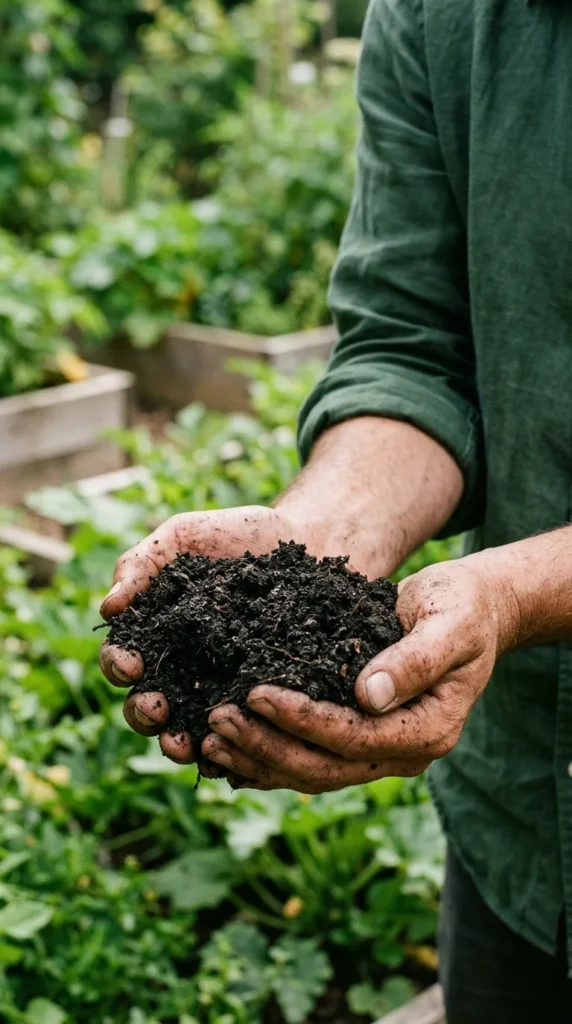
Your plants are only as healthy as the soil they grow in. Ideal garden soil is loamy, crumbly, and dark, indicating a high organic matter content. If your soil is too sandy, water will drain away too quickly; if it has too much clay, it will become waterlogged and hard as a brick when dry. Testing your soil’s pH and nutrient levels is a vital step. You can purchase a DIY kit or send a sample to a local university extension office. Most vegetables prefer a slightly acidic to neutral pH (between 6.0 and 7.0).
4. Design

Deciding how your garden will look is a crucial logistical step. You have three main options: in-ground rows, raised beds, or containers. In-ground gardens are the most traditional and cost-effective but require more weeding. Raised beds provide excellent drainage and save your back from excessive bending, while also keeping the soil from becoming compacted. Containers are perfect for those with limited space, such as balconies or small patios. Choose the method that best fits your lifestyle and physical capabilities.
5. Tools
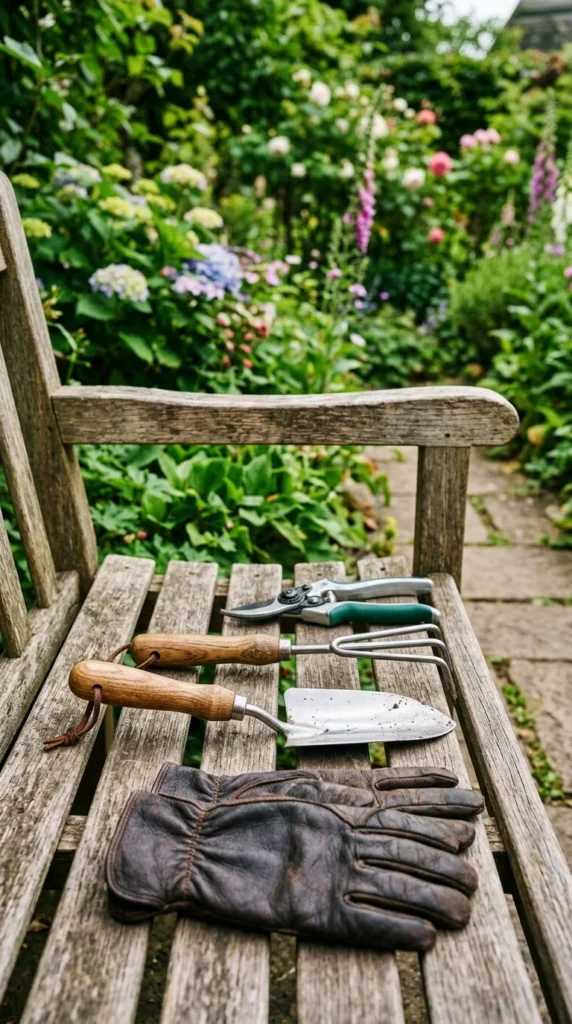
You don’t need a shed full of expensive machinery to start a garden. A few high-quality hand tools will suffice. Invest in a sturdy shovel for digging, a garden fork to break up clods of earth, a rake for leveling the surface, and a hand trowel for transplanting. A good pair of pruning shears is essential for harvesting and maintenance, and a high-quality hose with a spray nozzle will make watering much easier. Always clean your tools after use to prevent the spread of soil-borne diseases.
6. Selection
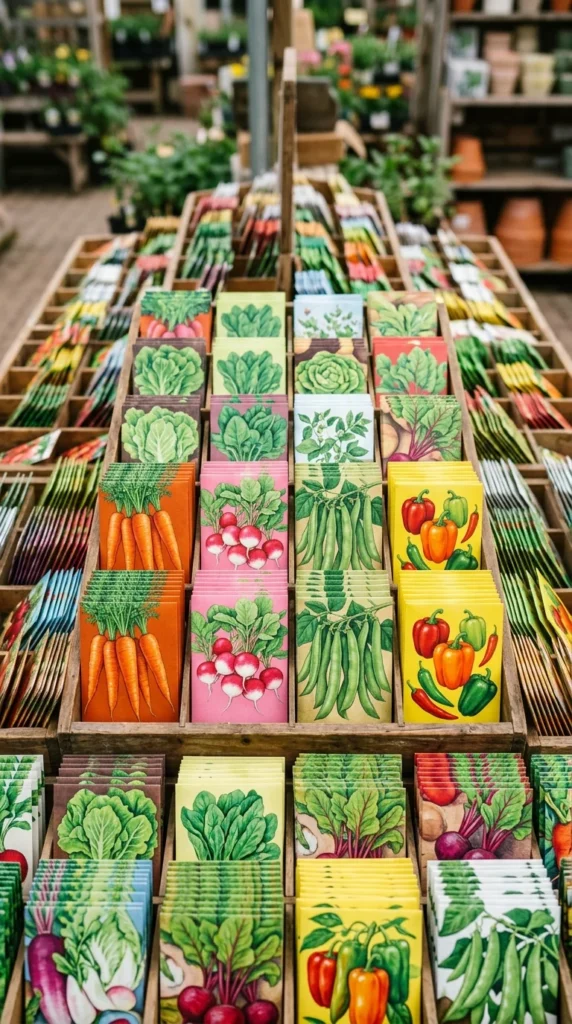
It is tempting to try and grow everything in the first year, but “less is more” for beginners. Choose vegetables that you and your family actually enjoy eating. Focus on high-yield, easy-to-grow crops like bush beans, lettuce, tomatoes, and zucchini. Consider the “days to maturity” listed on seed packets to ensure your growing season is long enough for the plant to produce a harvest. If you have a small space, look for “bush” or “patio” varieties rather than “vining” types that take up significant room.
7. Plan
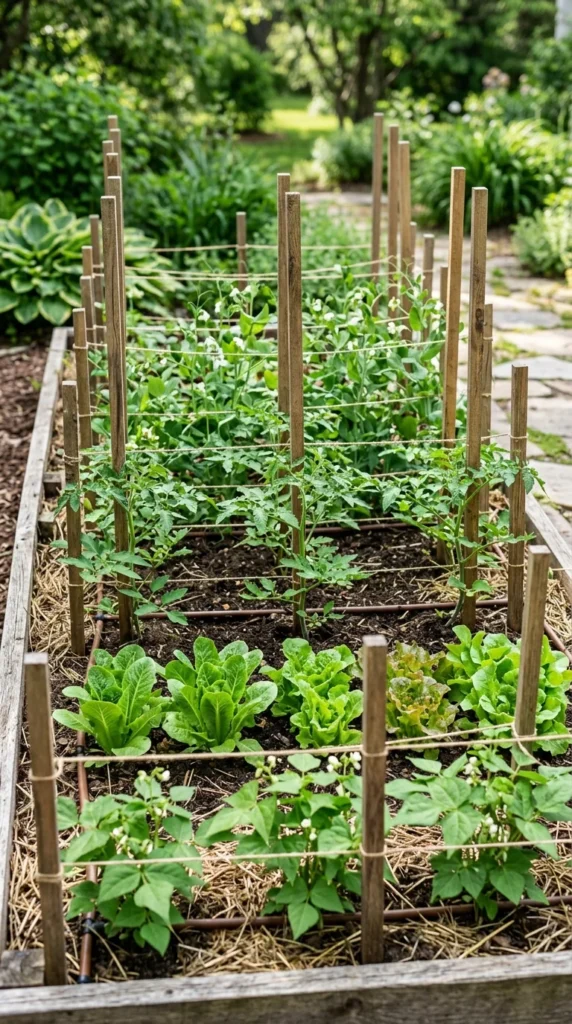
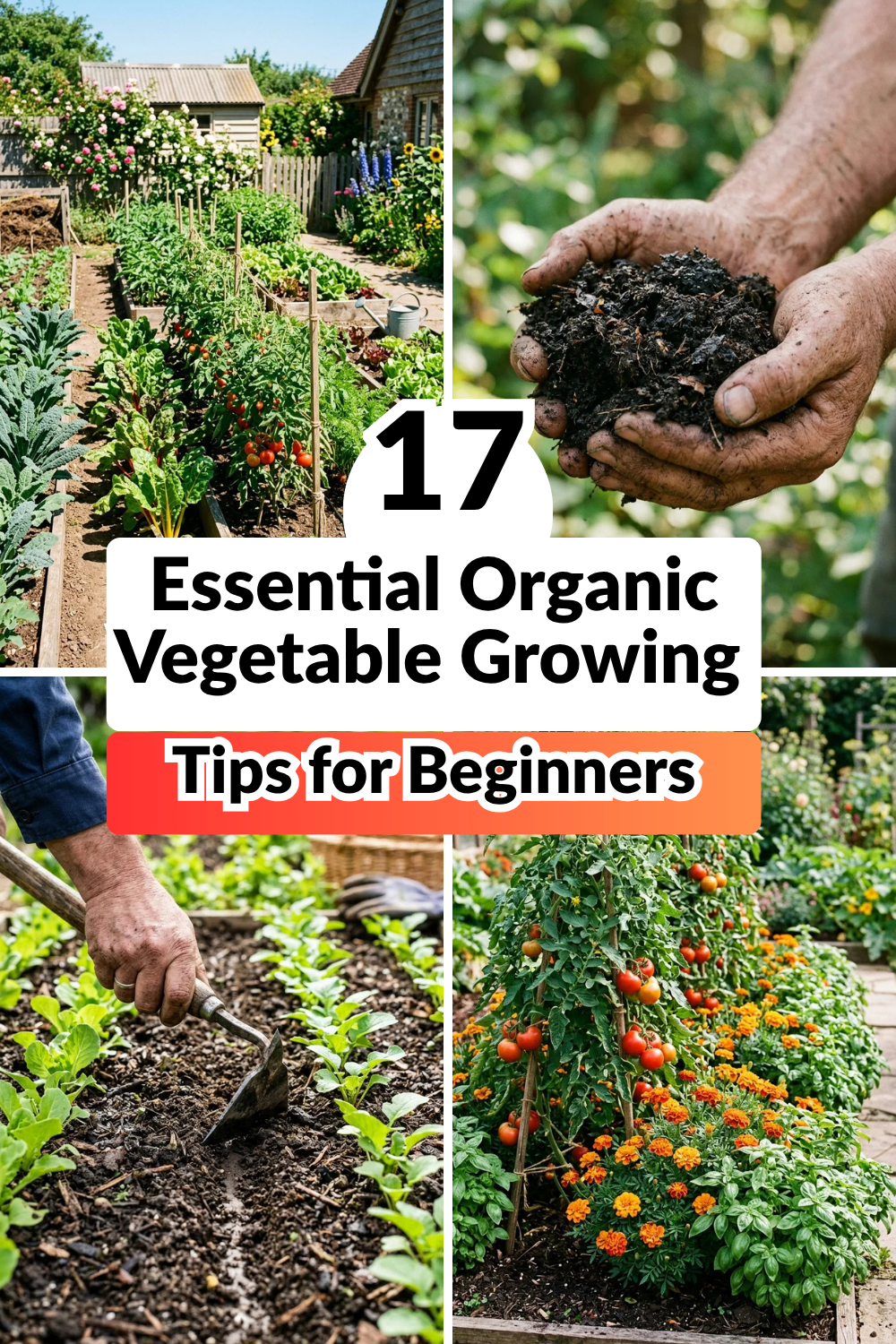
Once you have your seeds, you need to map out where they will go. Proper spacing is vital for air circulation and light penetration. Crowded plants are more susceptible to fungal diseases and often produce smaller yields. Use the “companion planting” method: for example, planting marigolds near tomatoes can help deter pests, while planting tall corn can provide a natural trellis for climbing beans. Place taller plants on the north side of the garden so they don’t shade out the shorter ones.
8. Amendments
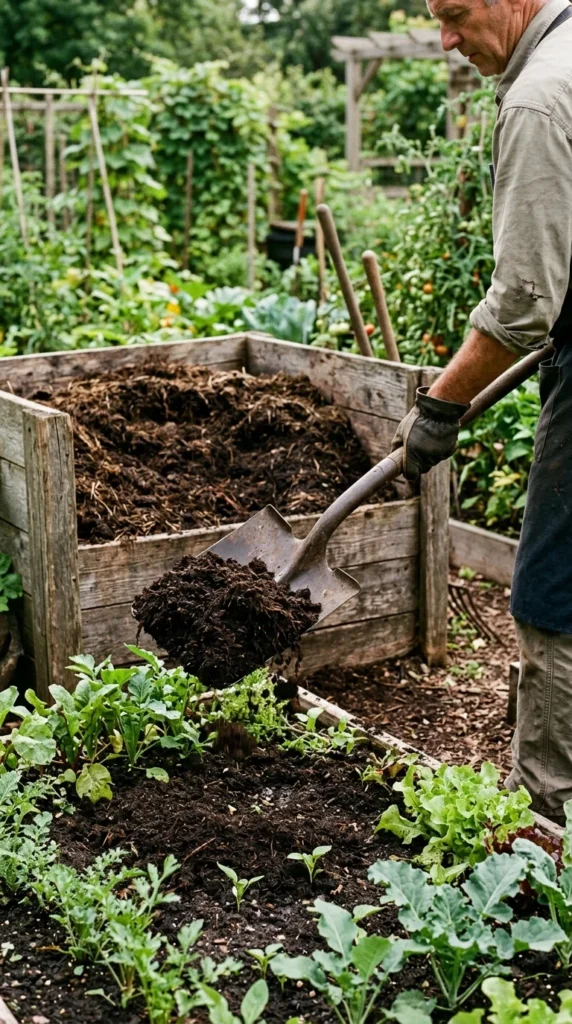
Rarely is native soil perfect right out of the gate. To give your plants the best start, incorporate organic matter like compost, aged manure, or leaf mold into the top six inches of your soil. This improves soil structure, increases water retention, and provides a slow-release source of nutrients. If your soil test showed specific deficiencies, this is the time to add organic fertilizers or lime to adjust the pH. Think of this as “pre-loading” your garden with the energy it needs for the season.
9. Timing
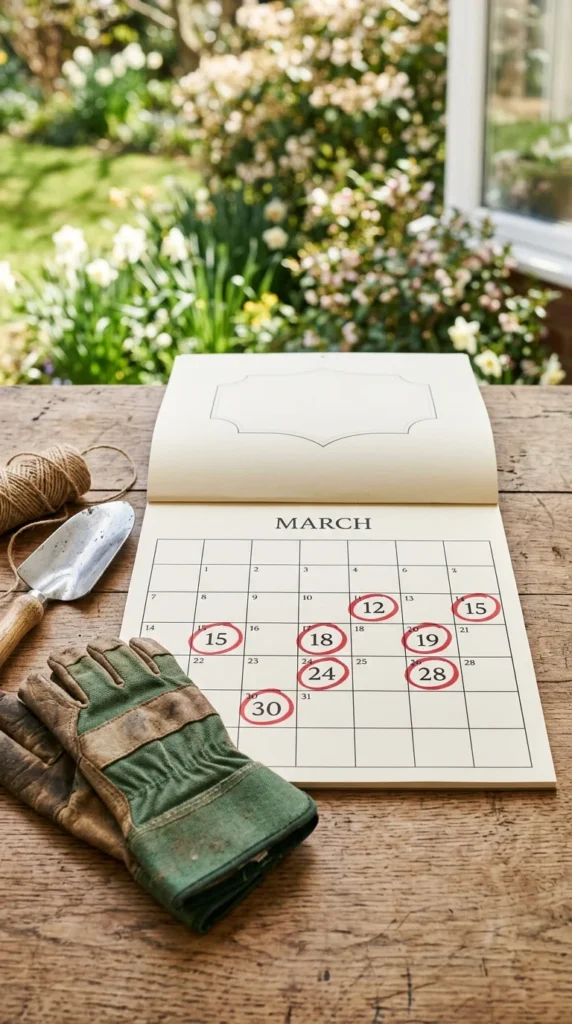
Timing is everything in gardening. Planting too early can lead to frost damage, while planting too late might mean your crops don’t mature before the heat of summer or the first frost of autumn. Consult a “frost date” map for your specific region. Hardier crops like peas and radishes can go into the ground as soon as the soil can be worked in the spring, while heat-lovers like peppers and eggplants must wait until the soil is consistently warm and all danger of frost has passed.
10. Seeds
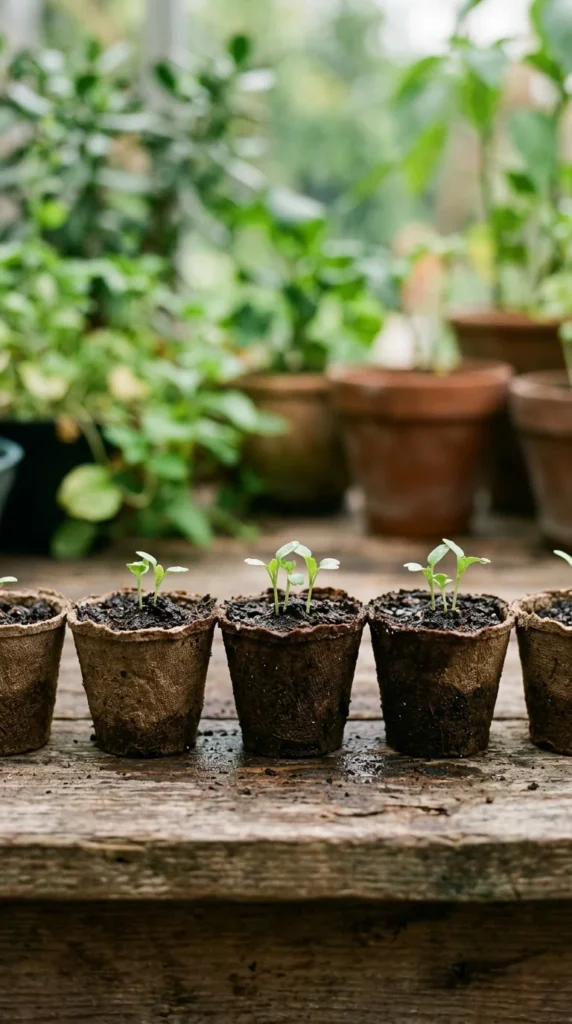
You have two choices: starting seeds indoors or buying “starts” (young plants) from a nursery. Starting seeds indoors is more economical and offers a wider variety of choices, but it requires grow lights and extra care. For beginners, buying established transplants from a local garden center is often the most reliable way to ensure success with crops like tomatoes and peppers. However, crops with long taproots, such as carrots and beets, should always be sown directly into the garden soil.
11. Water
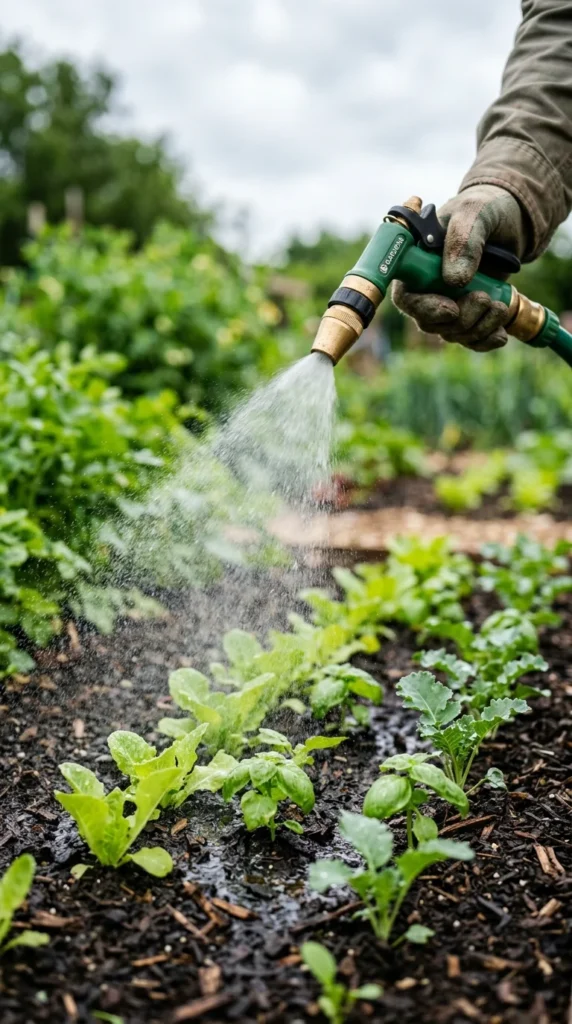
Watering is the most frequent task you will perform. The goal is to keep the soil consistently moist but not soggy. Most vegetables need about an inch of water per week. It is much better to water deeply once or twice a week than to give a light sprinkle every day; deep watering encourages the roots to grow further down into the soil, making the plants more drought-resistant. Always water at the base of the plant rather than the leaves to prevent diseases like powdery mildew.
12. Mulch
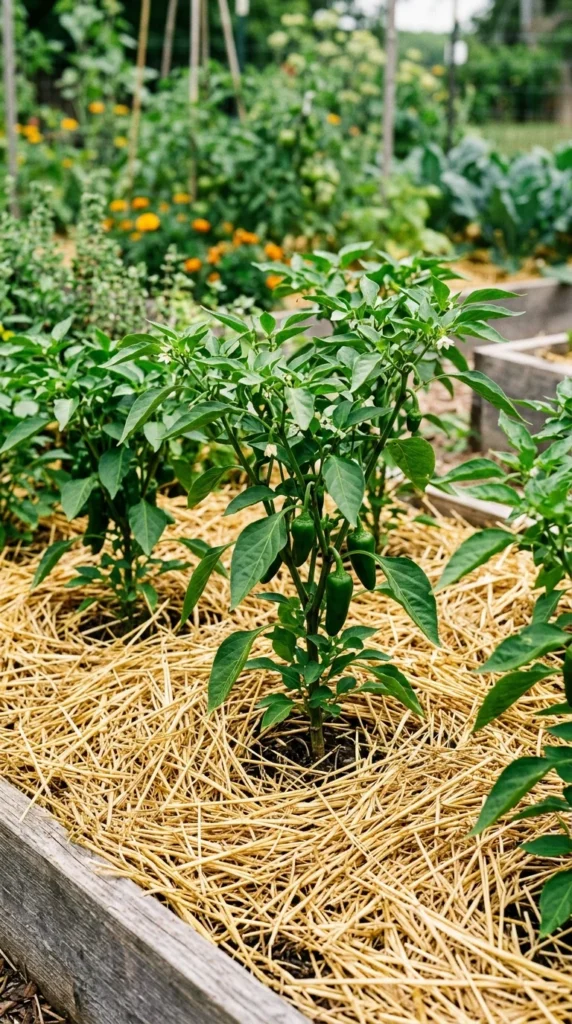
Mulching is the secret weapon of successful gardeners. A two-to-three-inch layer of organic mulch, such as straw, shredded leaves, or wood chips, serves multiple purposes. It suppresses weed growth by blocking sunlight, regulates soil temperature, and significantly reduces water evaporation. As the mulch breaks down over time, it further enriches the soil with organic matter. Be sure to leave a little space around the stem of the plant to prevent rot.
13. Weeding
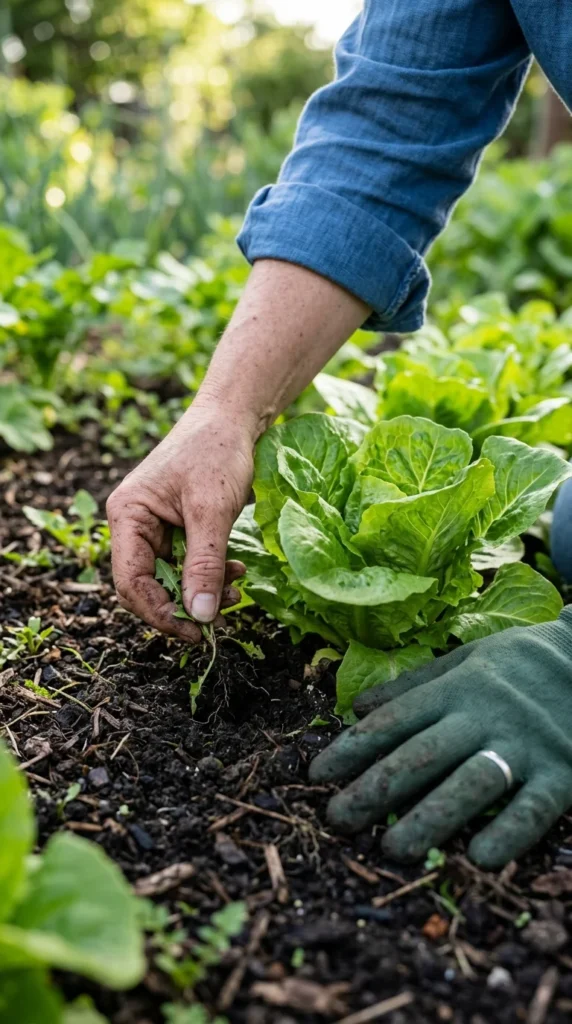
Weeds are the primary competitors for your vegetables’ nutrients, water, and light. The best way to manage them is to stay on top of them early and often. Spend ten minutes every few days walking through your garden and pulling any small weeds you see. If you let them go to seed, you will be fighting them for years to come. Using a “hoe” to lightly scrape the surface of the soil on a sunny day can kill tiny weed seedlings before they even have a chance to take hold.
14. Protection
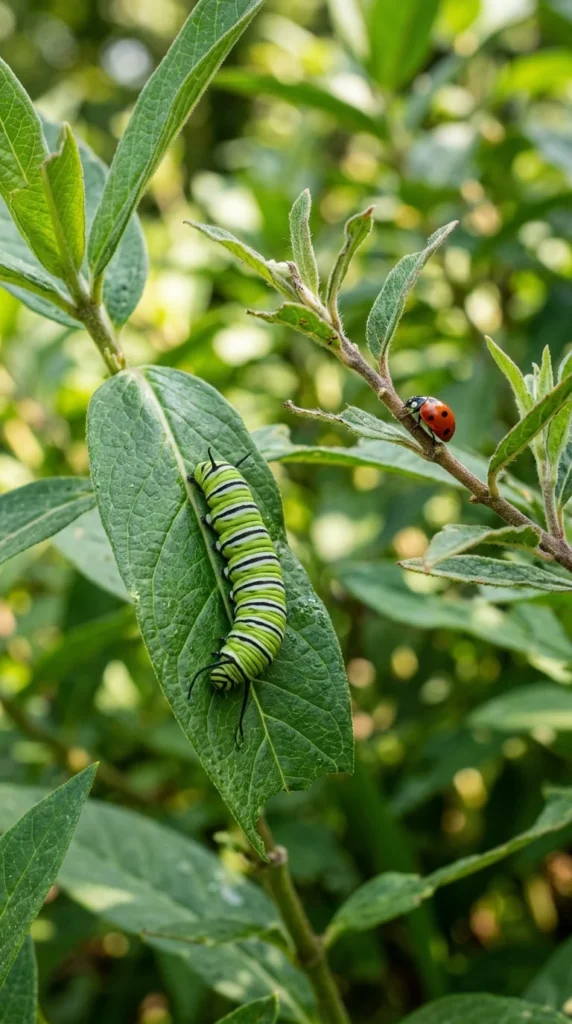
Pests and diseases are a natural part of the ecosystem, but they don’t have to ruin your harvest. Practice “Integrated Pest Management” by checking your plants daily for signs of trouble, such as holes in leaves or discoloration. Encourage beneficial insects like ladybugs and lacewings that eat aphids. If you must use a pesticide, opt for organic options like neem oil or insecticidal soap, and always apply them in the evening when pollinators like bees are less active.
15. Harvest
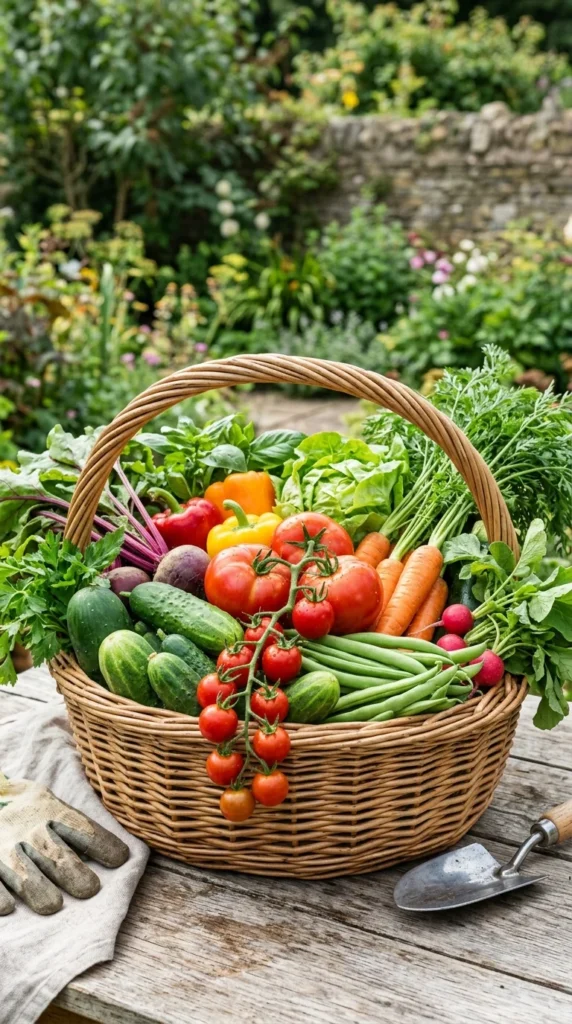
The final and most exciting step is the harvest. Most vegetables are at their peak flavor when they are young and tender. Picking your crops frequently actually encourages the plant to produce more. Use a sharp knife or shears to harvest to avoid damaging the plant’s stems. For the best flavor, harvest in the cool of the morning when the plants are hydrated. Once you taste a tomato that has been ripened by the sun and picked only minutes before eating, you will understand why gardening is a passion for so many.