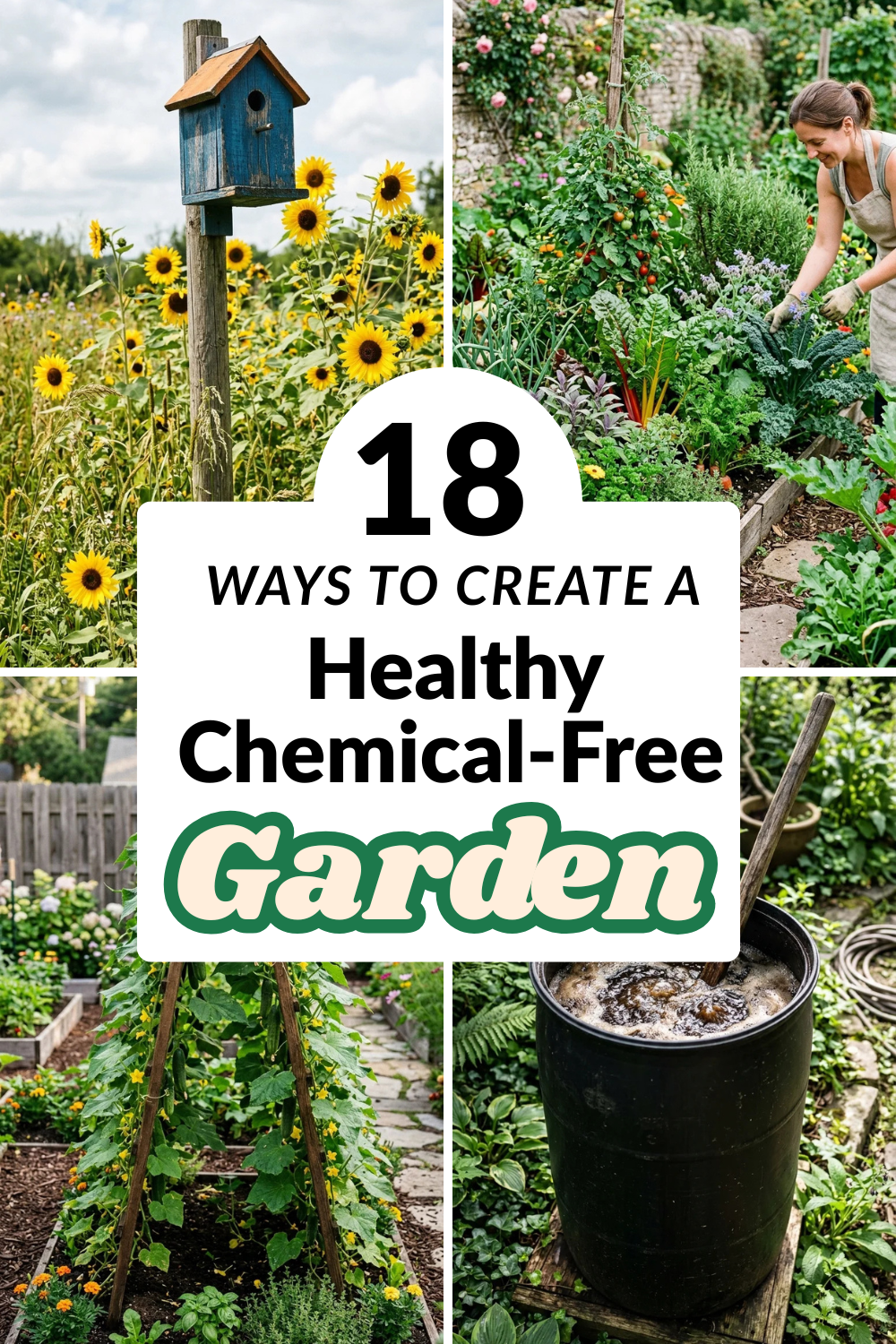
Stepping into a garden that breathes with the rhythm of nature is a transformative experience. For decades, the “quick fix” of synthetic fertilizers and chemical pesticides promised a shortcut to perfection, but we now know the cost: depleted soil, harmed pollinators, and a disrupted ecosystem. Transitioning to a chemical-free garden isn’t just about avoiding toxins; it’s about fostering a living, breathing sanctuary where plants, soil, and wildlife thrive in harmony.
By embracing organic methods, you are building a resilient landscape that feeds your family and the planet. Here are 18 essential strategies to cultivate a thriving, chemical-free oasis.
1. Composting
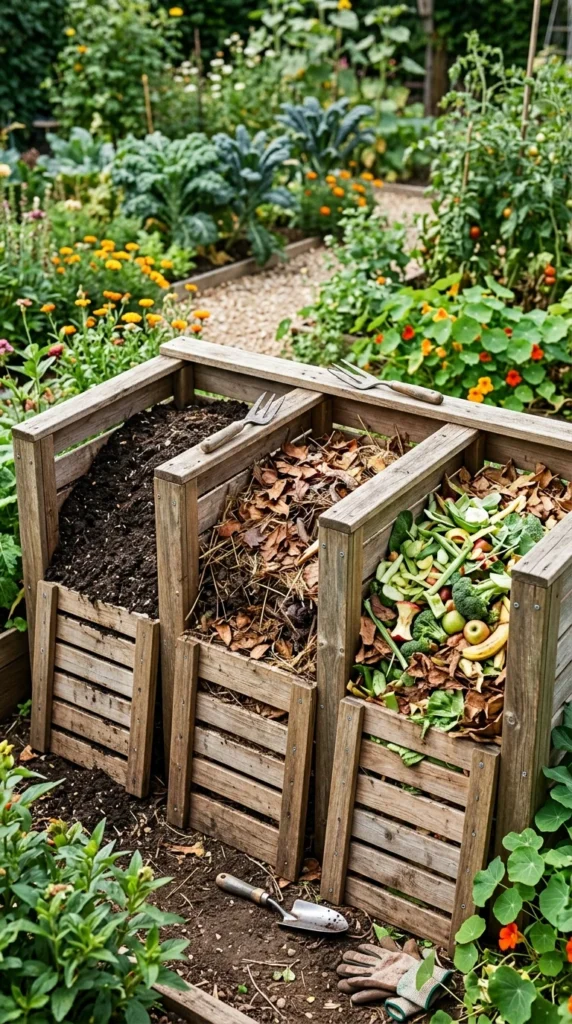
Composting is the heartbeat of an organic garden. Instead of relying on synthetic pellets, you can create “black gold” from your kitchen and yard waste. Composting recycles nutrients back into the soil, improving its structure and moisture-holding capacity. By layering “greens” (nitrogen-rich materials like coffee grounds and fruit peels) with “browns” (carbon-rich materials like cardboard and dried leaves), you encourage aerobic bacteria to break down organic matter into a potent fertilizer that feeds your plants slowly and naturally.
2. Companion Planting
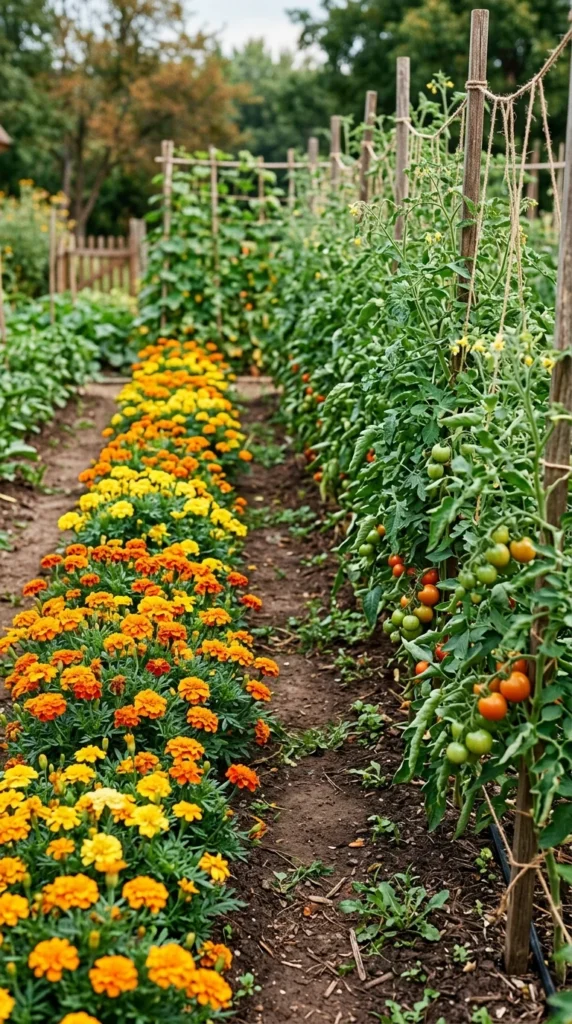
Nature rarely grows in monocultures. Companion planting is the art of placing specific plants together to enhance growth or repel pests. For instance, planting basil near tomatoes can improve the flavor of the fruit and deter hornworms. Marigolds are famous for their ability to repel nematodes and beetles with their scent. By creating these strategic partnerships, you reduce the need for external interventions and create a self-protecting community of plants.
3. Mulching
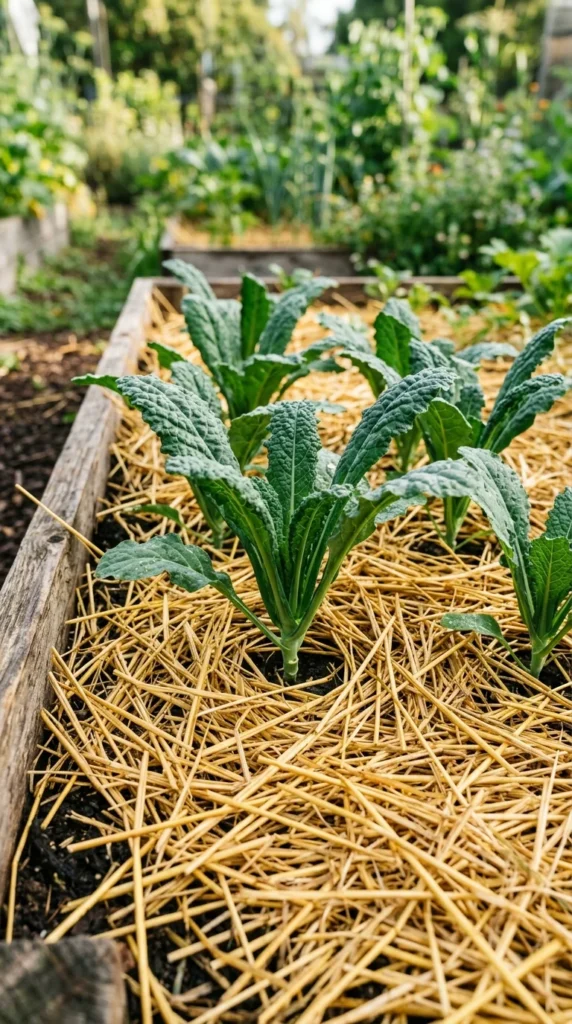
Mulch is the skin of the earth. In a chemical-free garden, bare soil is an invitation for weeds and moisture loss. Applying a thick layer of organic mulch—such as straw, shredded leaves, or wood chips—suppresses weed seeds by blocking sunlight. It also regulates soil temperature, keeping roots cool in the summer and warm in the winter. As the mulch decomposes, it adds organic matter back into the earth, feeding the subterranean life that keeps your plants healthy.
4. Native Plants
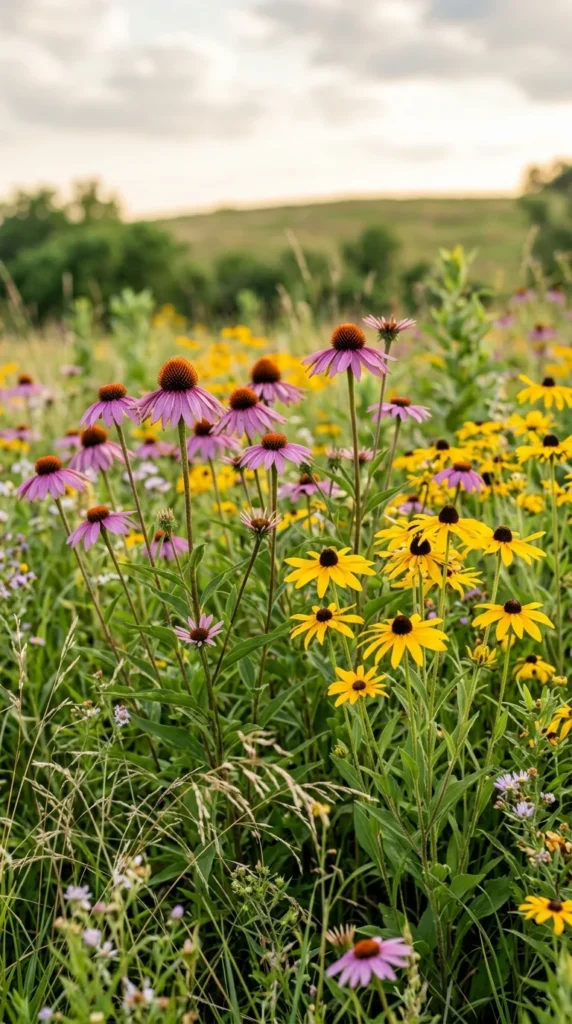
One of the easiest ways to reduce maintenance and chemical use is to work with nature rather than against it. Native plants are evolutionary experts of your specific region’s soil and climate. They require less water and are naturally resistant to local pests. Furthermore, they provide the essential food and habitat required by local pollinators and birds, creating a balanced ecosystem where no single pest can dominate.
5. Beneficial Insects
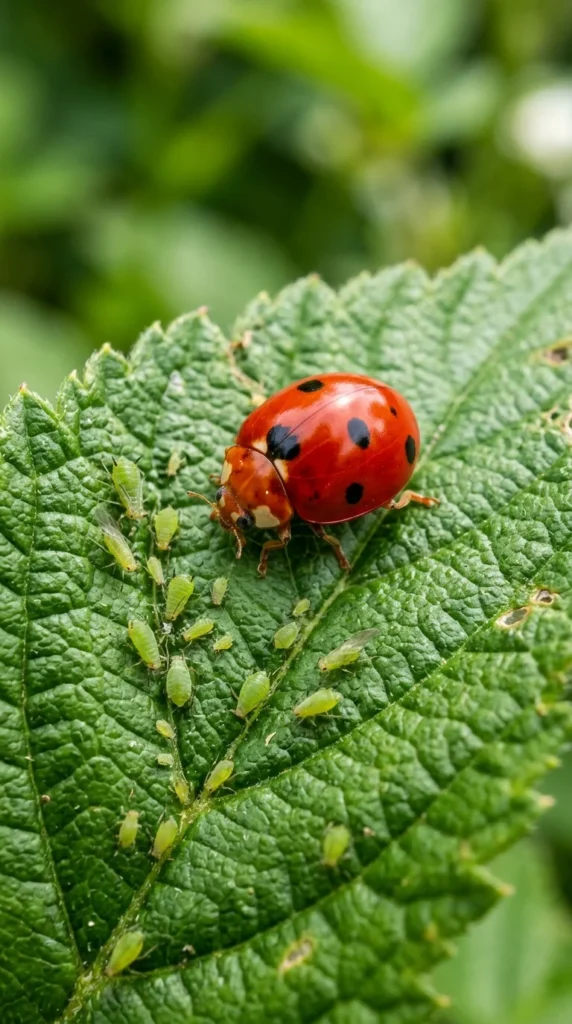
In a healthy garden, “good bugs” are your best defense against “bad bugs.” Instead of spraying broad-spectrum insecticides that kill everything, focus on attracting predators. Ladybugs, lacewings, and hoverflies are voracious consumers of aphids and mites. You can attract these tiny guardians by planting umbelliferous flowers like dill, fennel, and yarrow, which provide nectar for the adults while their larvae do the heavy lifting of pest control.
6. Crop Rotation
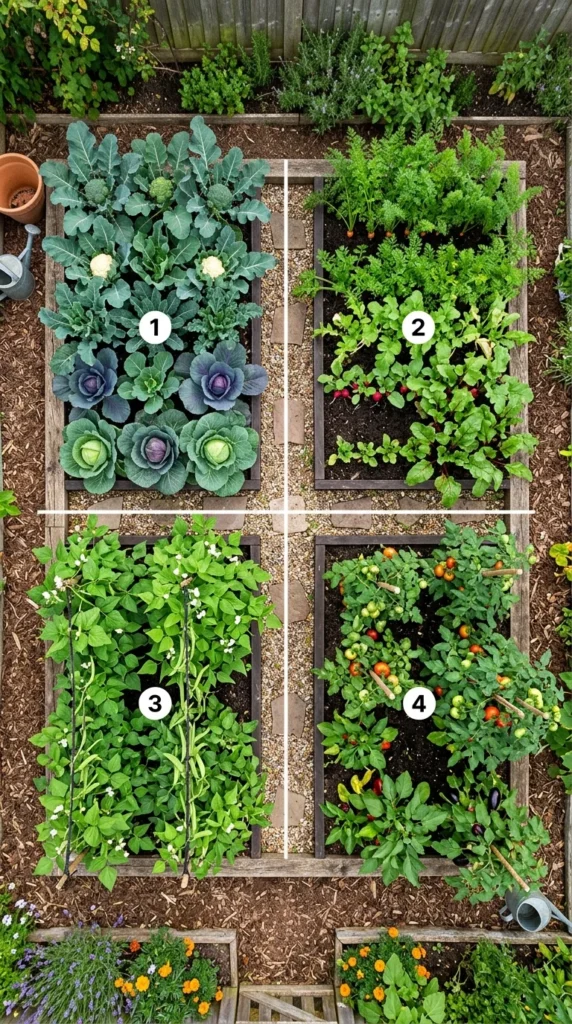
Planting the same crop in the same spot year after year is a recipe for disaster. It depletes specific nutrients and allows soil-borne diseases and pests to build up. Crop rotation involves moving plant families to different beds each season. For example, follow heavy feeders like corn with nitrogen-fixing legumes like beans. This simple practice breaks the life cycles of pests and ensures that the soil remains balanced and productive over the long term.
7. Manual Weeding
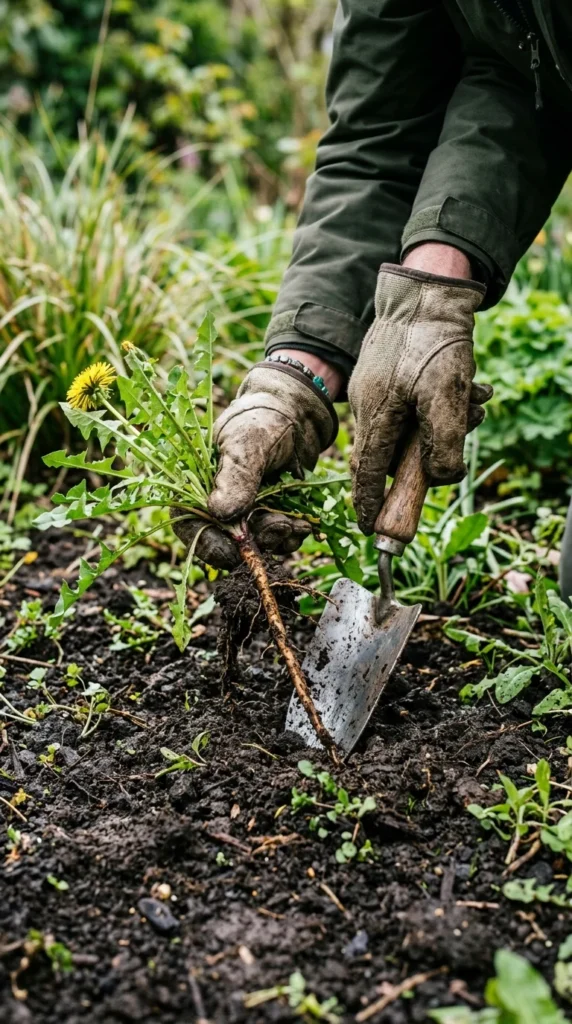
While it may seem like more work, manual weeding is the safest way to manage unwanted plants without herbicides. The key is “weed early and often.” Removing weeds before they go to seed prevents thousands of future problems. Using a sharp hoe or a hand weeder allows you to target the specific plant without disturbing the surrounding soil structure. Over time, as your soil health improves and your mulch layers thicken, the weed pressure will naturally decrease.
8. Natural Pesticides
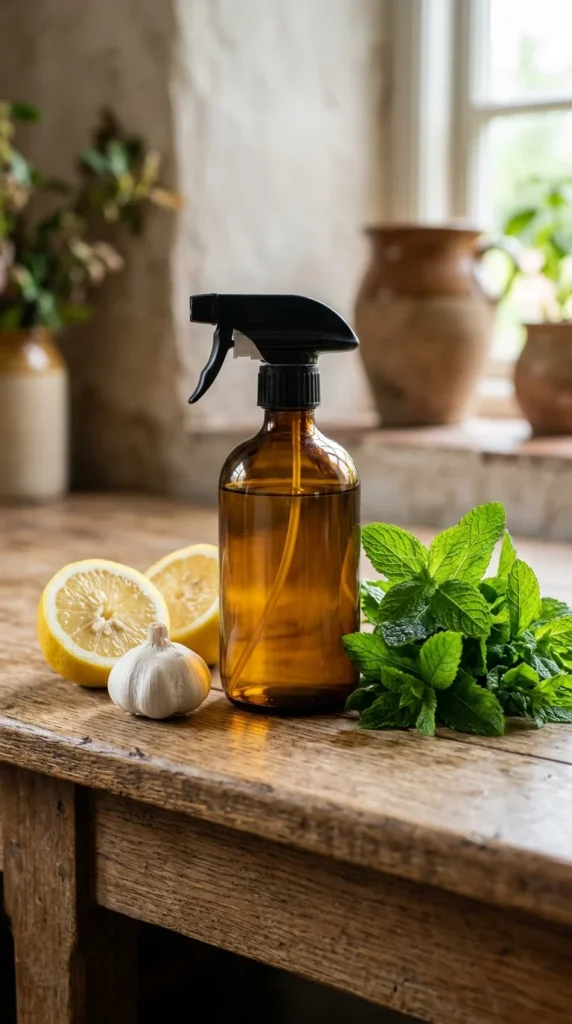
Sometimes, despite your best efforts, an outbreak occurs. In these cases, reach for botanical solutions rather than synthetic toxins. Neem oil, derived from the seeds of the neem tree, is an effective organic fungicide and insecticide. Horticultural soaps and diluted garlic or hot pepper sprays can also deter munching insects without leaving harmful residues on your food or harming the groundwater.
9. Soil Testing
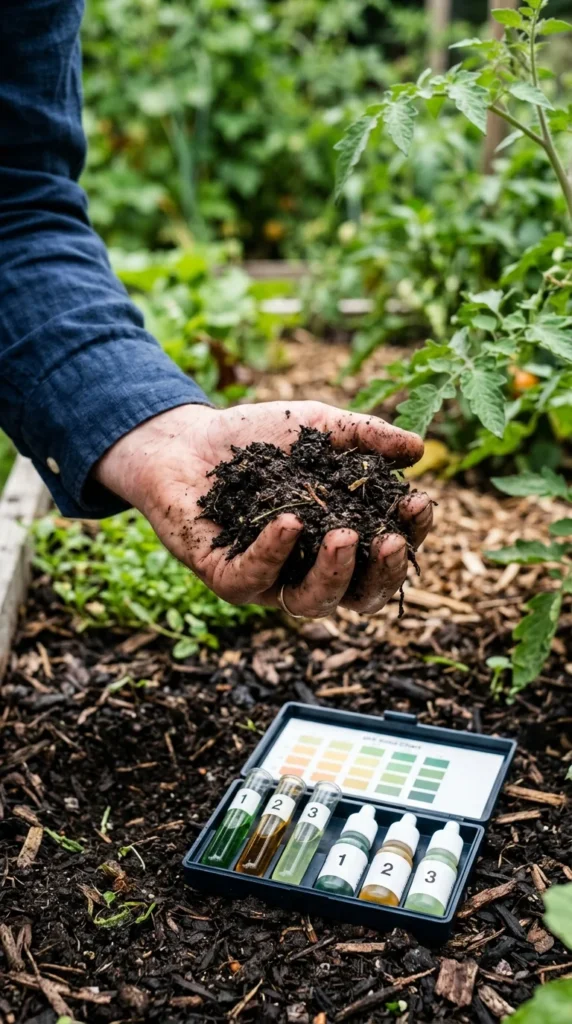
You cannot manage what you do not measure. A soil test provides a “medical report” of your garden’s health, revealing pH levels and nutrient deficiencies. Instead of guessing and over-applying fertilizers—which can run off into local waterways—you can apply exactly what the soil needs. Organic amendments like lime, bone meal, or kelp meal can then be used to precisely balance the soil chemistry for optimal plant health.
10. Water Management
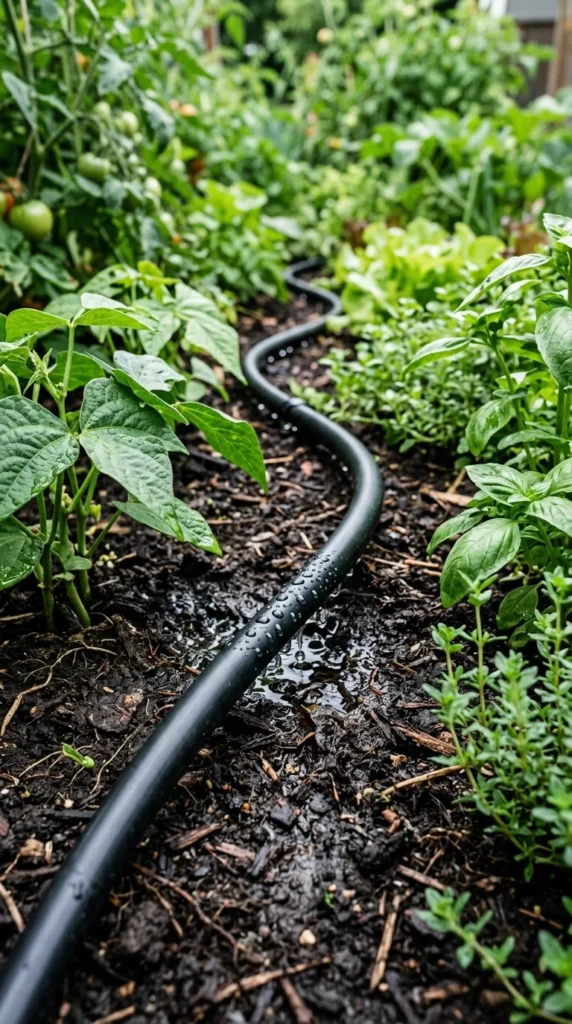
Proper watering is essential for preventing fungal diseases. Overhead watering often leaves foliage damp, creating a breeding ground for powdery mildew and blight. Switching to drip irrigation or soaker hoses delivers water directly to the roots where it is needed most. Watering in the early morning allows any stray moisture on leaves to evaporate quickly in the sun, ensuring your plants stay hydrated without becoming vulnerable to rot.
11. Heirloom Seeds
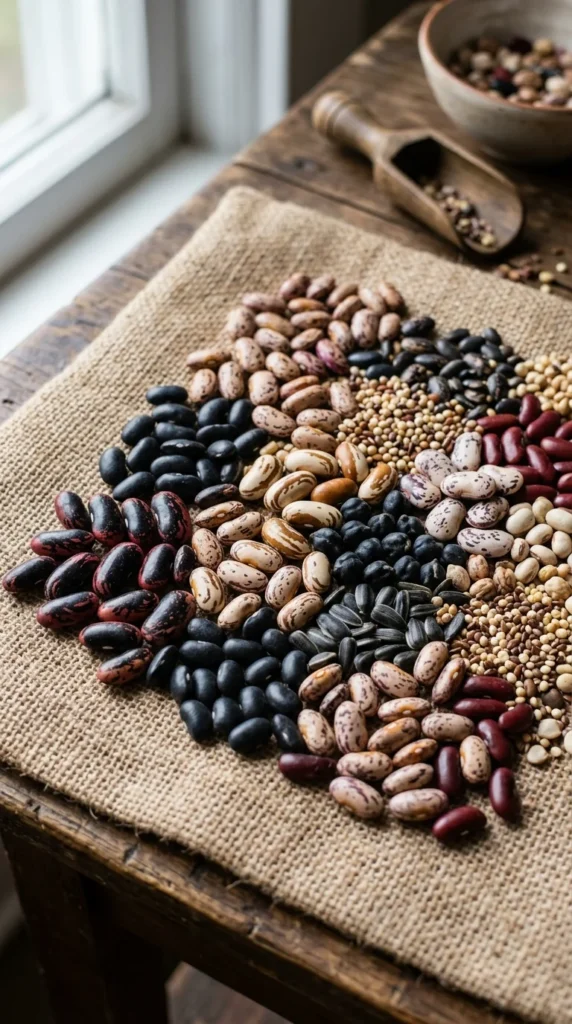
Heirloom seeds are varieties that have been passed down through generations, often selected for their superior flavor and hardiness. Unlike many hybrid seeds designed for industrial farming and heavy chemical use, heirlooms are often better adapted to organic growing conditions. By saving seeds from your strongest plants each year, you are essentially “breeding” a strain of vegetables that is perfectly suited to your specific garden’s microclimate.
12. Cover Crops
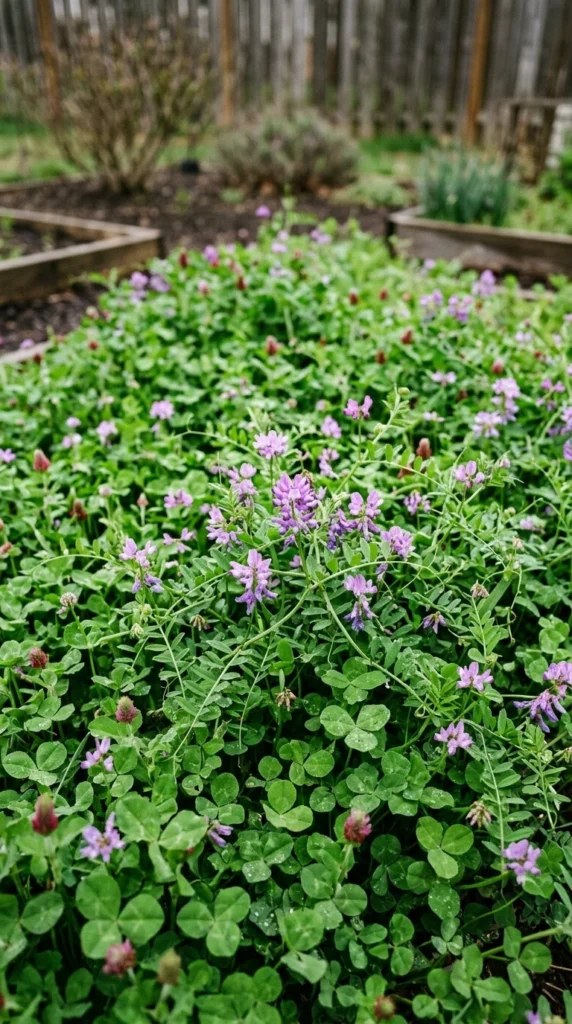
Don’t leave your soil naked during the winter. Cover crops, or “green manures,” are plants like clover, rye, or buckwheat grown specifically to protect and enrich the soil. They prevent erosion from heavy rains, suppress weeds, and fix nitrogen in the earth. When you till them back into the soil or crimp them down in the spring, they decompose and provide a massive boost of organic matter for your next round of vegetables.
13. Vertical Gardening
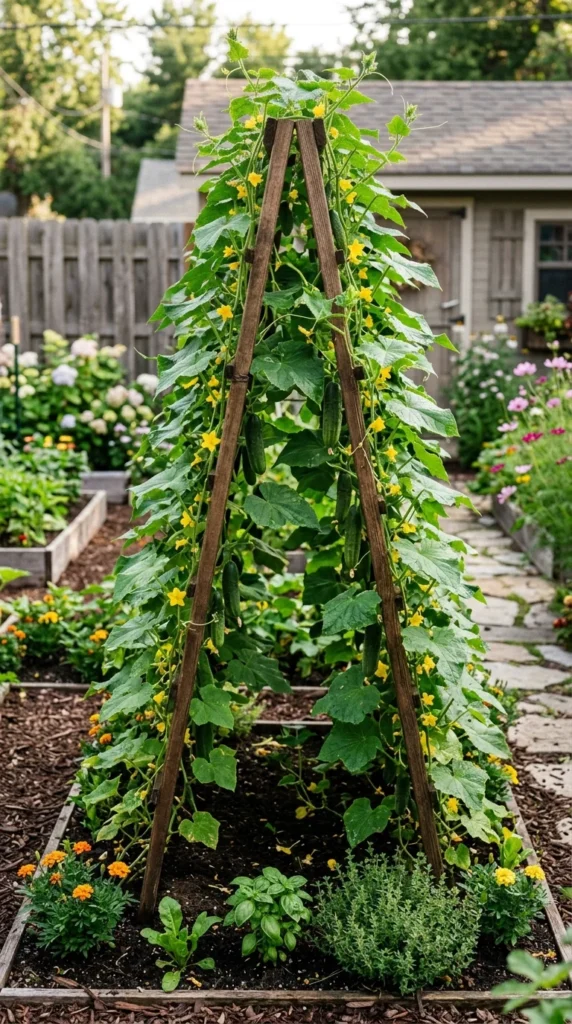
Insects and diseases often thrive in the humid, crowded conditions of ground-level foliage. By growing upwards using trellises, stakes, and cages, you increase air circulation around your plants. This keeps leaves dry and makes it much harder for soil-borne pathogens to splash onto the foliage during rain. Vertical gardening also makes it easier to spot and remove pests by hand before they become a major infestation.
14. Bird Houses
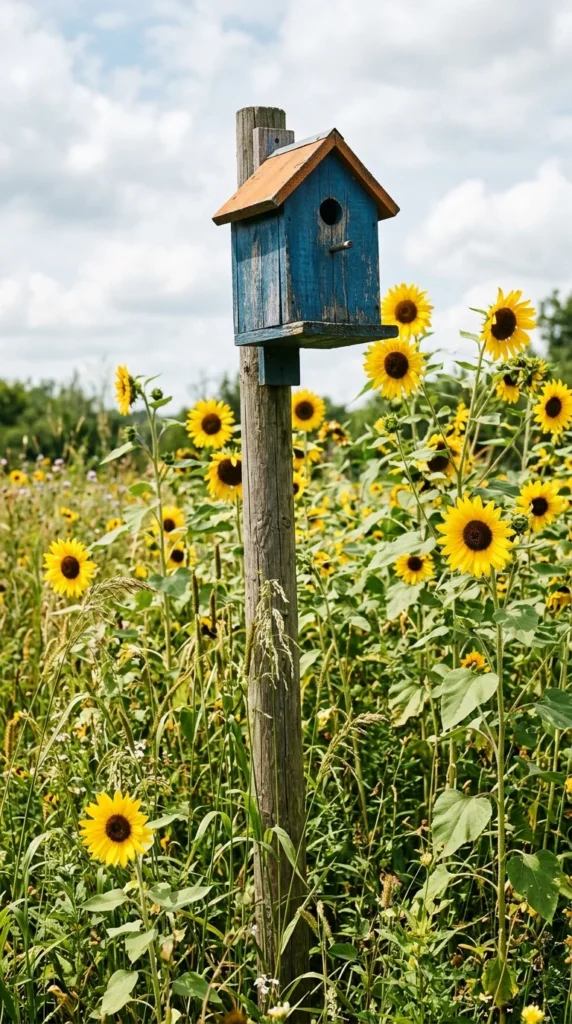
Birds are some of the most effective pest controllers in nature. A single pair of nesting bluebirds or wrens can consume thousands of caterpillars, beetles, and flies in a single season to feed their young. By installing birdhouses and providing a clean water source, you invite these feathered allies into your garden. They act as a constant, natural patrol, keeping insect populations in check without a single drop of chemical spray.
15. Raised Beds
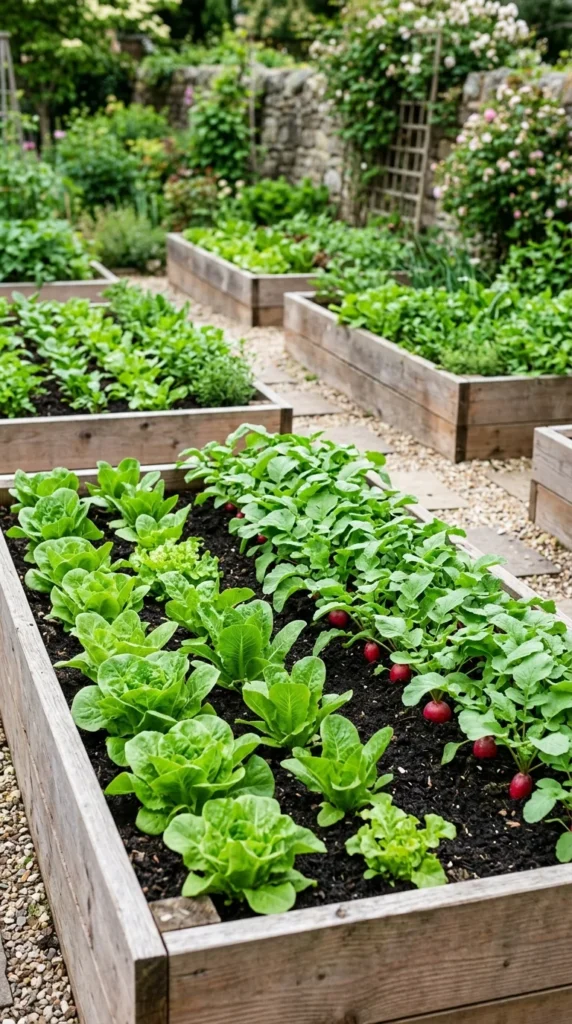
Raised beds offer several advantages for the chemical-free gardener. They provide total control over the soil quality, which is especially helpful if your native soil is contaminated or heavy clay. Because you never walk on the soil in a raised bed, it stays loose and aerated, allowing roots to penetrate deeply. Better drainage and faster warming in the spring mean healthier plants that are naturally more resistant to stress and disease.
16. Healthy Seedlings
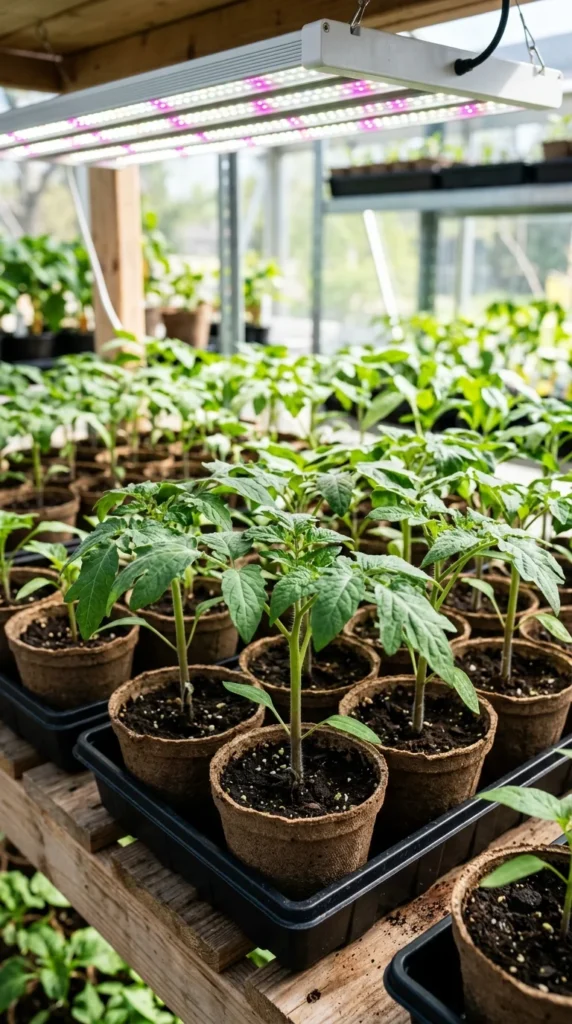
A healthy garden starts with strong “infants.” Starting your own seeds or buying certified organic starts ensures that your plants haven’t been pre-treated with systemic neonicotinoids, which are harmful to bees. Strong, vigorous seedlings can outgrow early pest pressure and establish deep root systems more quickly. Avoid “leggy” or yellowing plants, as these are already stressed and will be more susceptible to problems once transplanted.
17. Polyculture
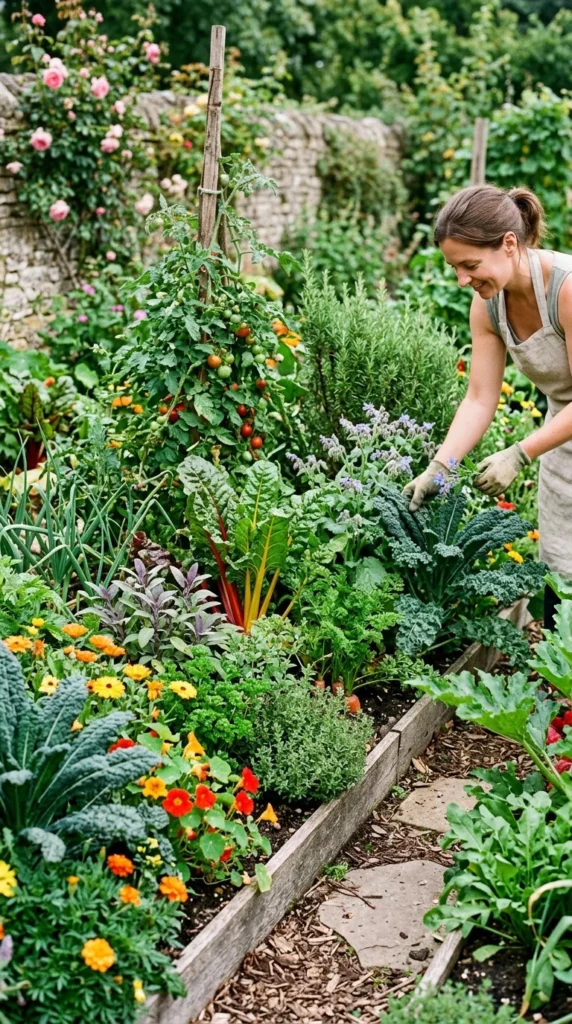
The opposite of a monoculture is a polyculture—growing many different types of plants together. This mimics a natural ecosystem and makes it very difficult for pests to find their target host plants. By mixing vegetables with herbs and flowers, you create a confusing sensory environment for harmful insects while providing a diverse diet for beneficial ones. Polyculture gardens are naturally more resilient and require far fewer inputs to maintain.
18. Fermented Fertilizers
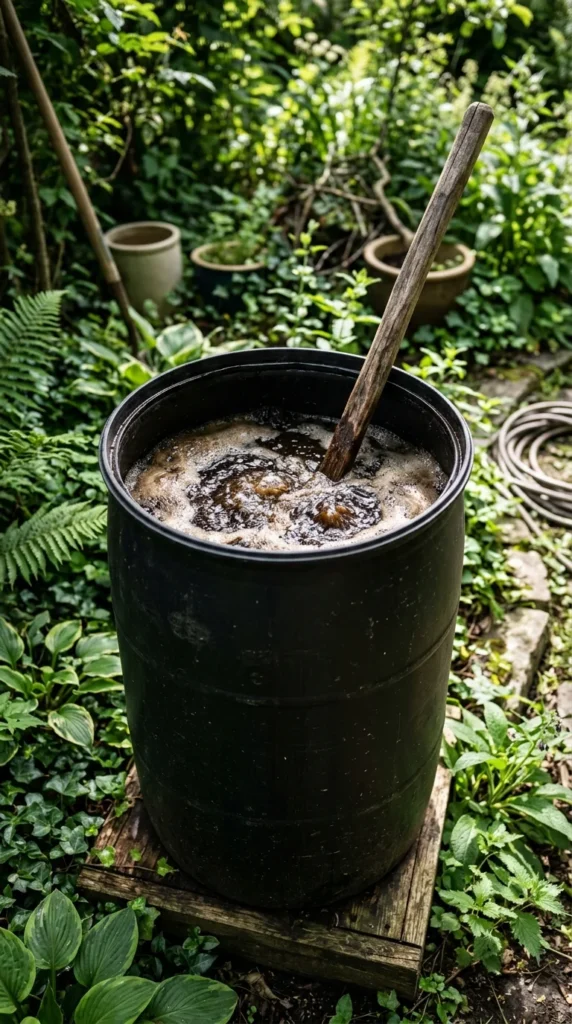
Liquid fertilizers, often called “compost tea” or “weed tea,” provide a quick nutrient boost for plants during their peak growing phase. By steeping high-quality compost or nutrient-rich plants like comfrey and nettles in water, you create a microbial-rich tonic. This liquid can be applied to the soil or used as a foliar spray. It not only feeds the plants but also coats the leaves with beneficial bacteria that can outcompete pathogenic fungi, providing a dual-action organic solution for garden vitality.