In an age of instant gratification and digital noise, there is something profoundly radical about putting your hands in the dirt. Gardening is more than just a hobby; it is a transformative lifestyle choice that bridges the gap between nature and the dinner table. Whether you have a vast rural acreage or a few pots on a high-rise balcony, the act of nurturing a plant from seed to harvest offers a cascade of benefits that touch every aspect of human life—from physical health to environmental stewardship.
1. Nutrient Density

The journey from farm to fork is often a long one. Most produce found in supermarkets is bred for shelf-life and transportability rather than nutritional content. By the time a head of spinach reaches your plate, it may have lost up to 50% of its vitamin C and other essential phytonutrients. When you grow your own garden, the “food miles” are reduced to “food feet.”
Harvesting a vegetable at its peak ripeness and consuming it within minutes ensures you are getting the maximum possible concentration of vitamins, minerals, and antioxidants. Homegrown soil, often enriched with organic compost, also tends to be more microbially diverse than industrial soil, leading to plants that are fundamentally more nutritious.
2. Financial Savings
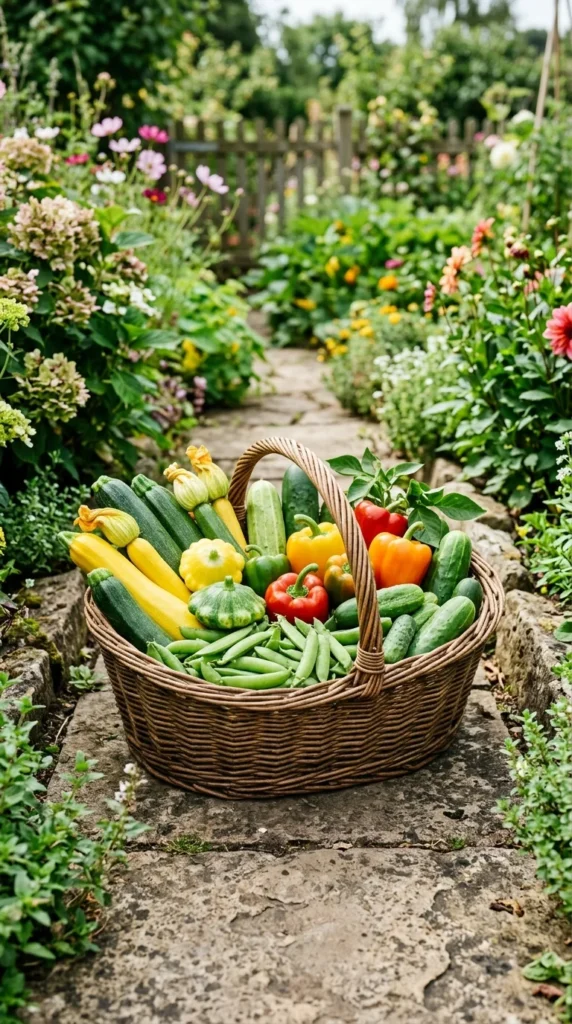
While there is an initial investment in tools, soil, and seeds, gardening is one of the most cost-effective ways to improve your diet. A single packet of tomato seeds, costing just a few dollars, can produce dozens of plants, each yielding twenty or more pounds of fruit.
Consider the price of organic herbs at the grocery store—often several dollars for a tiny plastic clamshell. A single rosemary bush or basil plant in your garden can provide an endless supply for the entire season and beyond. Over time, as you learn to save seeds and make your own compost, the cost of producing your own food drops to near zero, providing a significant cushion against rising grocery prices.
3. Mental Well-being

Gardening is a powerful antidote to the stresses of modern life. Numerous studies have shown that “horticultural therapy” can reduce symptoms of anxiety, depression, and PTSD. The act of weeding, watering, and pruning forces a state of mindfulness, grounding the individual in the present moment.
Furthermore, soil contains a natural antidepressant called Mycobacterium vaccae. This “out-of-doors” bacteria has been found to mirror the effect of drugs like Prozac by stimulating serotonin production in the brain. Simply breathing in the scent of damp earth and handling plants can chemically alter your mood for the better.
4. Physical Fitness
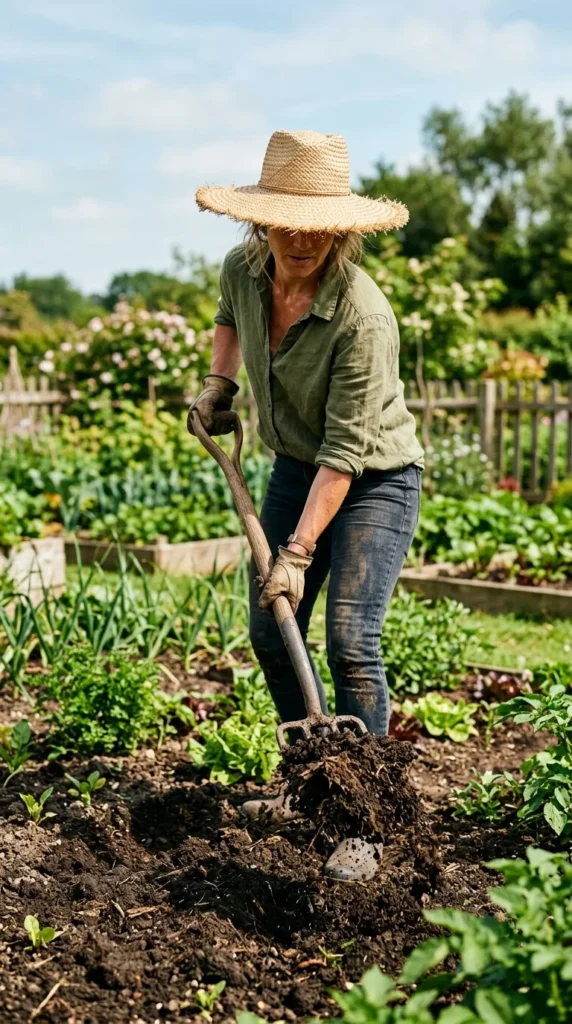
Forget the gym; the garden is a full-body workout. Gardening involves a variety of functional movements including squatting, reaching, lifting, and digging. These activities build core strength, improve flexibility, and enhance cardiovascular health.
An hour of heavy gardening can burn between 300 and 500 calories, making it an excellent way to maintain a healthy weight. Because the “exercise” is tied to a productive goal—like planting a row of potatoes—many people find it much easier to stay consistent with gardening than with a repetitive gym routine.
5. Unmatched Flavor

If you have only ever eaten store-bought tomatoes, you haven’t truly tasted a tomato. Commercial varieties are often picked green and gassed with ethylene to turn red, resulting in a mealy texture and bland flavor.
Homegrown produce is allowed to develop its natural sugars and aromatic compounds fully on the vine. From the spicy kick of a fresh radish to the honey-like sweetness of a garden pea, the flavor profiles of homegrown vegetables are vastly superior. This improved taste also encourages families to eat more vegetables, naturally improving overall dietary habits.
6. Environmental Protection
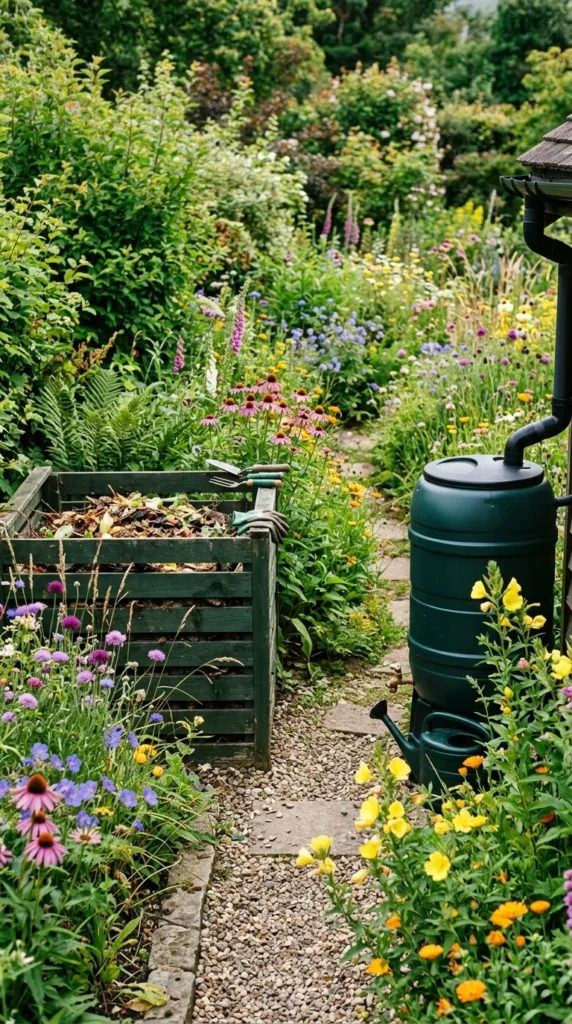
Gardening is an act of environmental activism. By growing your own food, you eliminate the need for long-distance refrigerated transport, which heavily contributes to carbon emissions. You also eliminate the need for single-use plastic packaging that clutters landfills.
Home gardeners have total control over what goes into their soil. By opting for organic methods, you prevent harmful synthetic pesticides and fertilizers from leaching into the local groundwater. Your garden acts as a small but vital carbon sink, absorbing CO2 and releasing fresh oxygen into your immediate surroundings.
7. Educational Growth

For families with children, a garden is a living laboratory. It teaches kids about the cycle of life, the importance of patience, and the biological processes of photosynthesis and pollination. Children who participate in growing their own food are statistically more likely to try new vegetables and develop a lifelong appreciation for healthy eating.
For adults, gardening is a continuous learning process. It requires understanding weather patterns, soil pH, and the specific needs of various plant species. It keeps the mind sharp and fosters a sense of curiosity about the natural world.
8. Chemical Control
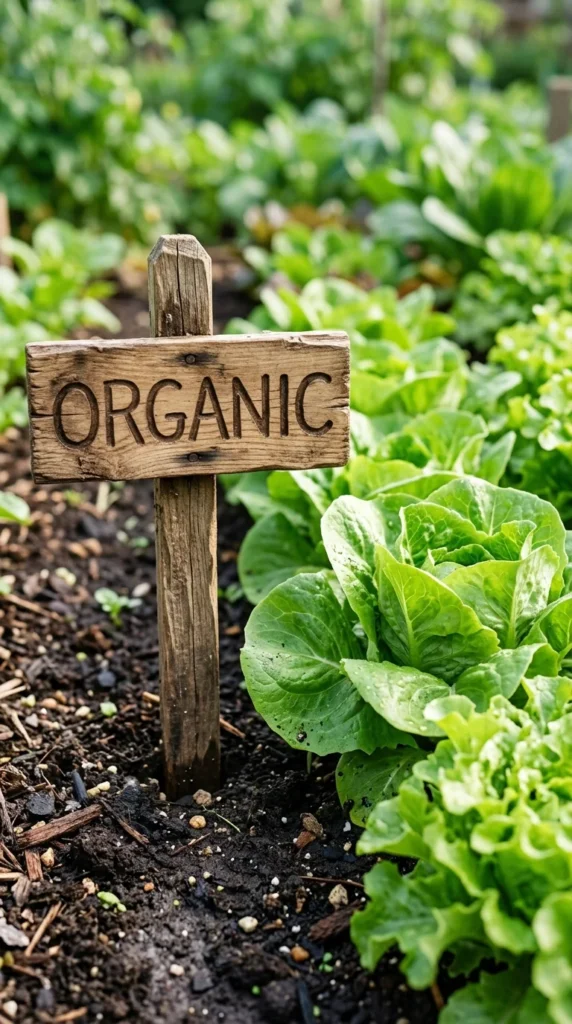
One of the greatest luxuries of a home garden is the peace of mind that comes from knowing exactly what is on your food. Commercial agriculture often relies on a “cocktail” of chemicals to maximize yield and prevent spoilage.
When you manage your own plot, you can choose to use neem oil, companion planting, or physical barriers instead of toxic sprays. You can ensure that your kale is free from systemic insecticides and that your strawberries haven’t been coated in synthetic wax. This control is essential for those with chemical sensitivities or those simply wishing to reduce their toxic load.
9. Supporting Pollinators
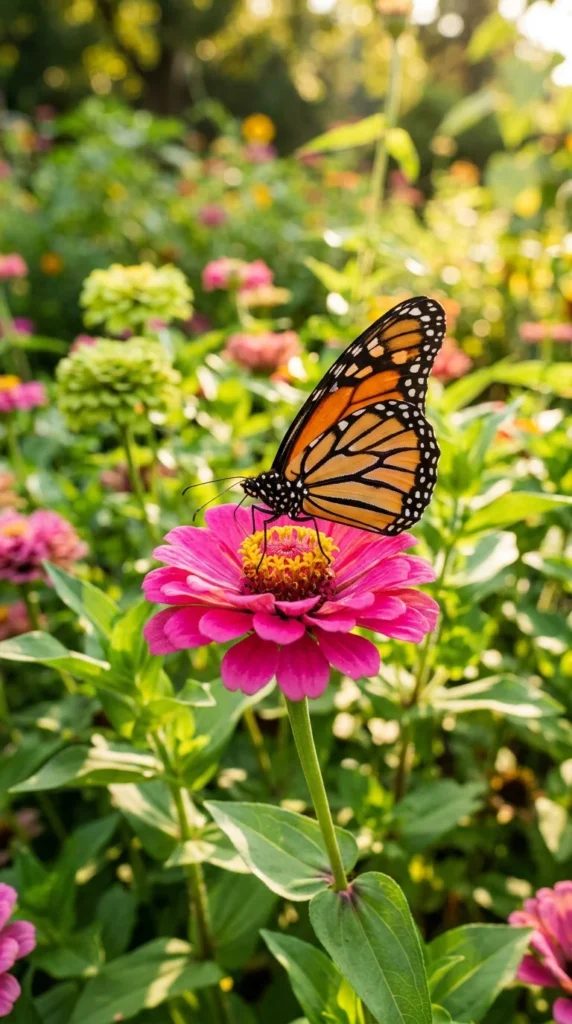
Our global food system relies heavily on pollinators like bees, butterflies, and moths, many of which are in decline due to habitat loss and pesticide use. A home garden filled with flowering plants acts as a vital sanctuary for these creatures.
By planting a variety of nectar-rich flowers alongside your vegetables, you create a “pollinator corridor” that helps sustain local ecosystems. Watching a garden come alive with the hum of bees and the flutter of butterflies adds a layer of magical beauty to the gardening experience, reminding us of our interconnectedness with all living things.
10. Vitamin D

Modern lifestyles often keep us indoors under artificial lighting, leading to widespread Vitamin D deficiencies. Vitamin D is crucial for bone health, immune function, and mood regulation.
Spending just 20 to 30 minutes in the garden during the day allows your body to synthesize the “sunshine vitamin” naturally. The gentle sun exposure, combined with the fresh air, helps regulate your circadian rhythm, leading to better energy levels during the day and deeper sleep at night.
11. Creative Expression

A garden is a canvas where you are the artist. From the layout of the beds to the color coordination of the flowers, gardening allows for immense creative expression. You can design a formal English garden, a wild and rambling cottage garden, or a sleek, modern edible landscape.
Choosing rare heirloom varieties with unique shapes and colors—like striped eggplants or “glass gem” corn—adds an element of aesthetic discovery. The garden is a space where you can experiment, fail, and succeed, all while creating something visually stunning.
12. Food Security

Recent global events have highlighted the fragility of our supply chains. Having a garden provides a level of self-sufficiency that offers immense security. When you know how to grow, harvest, and preserve your own food, you are less dependent on the whims of the global market.
Learning skills like canning, pickling, and root cellaring allows you to extend your garden’s bounty through the winter months. A well-tended garden is essentially a “living pantry” that keeps on giving, regardless of what is happening in the outside world.
13. Improved Sleep

The combination of physical exertion, reduced stress, and exposure to natural light makes gardening a natural sedative. After a day of digging in the dirt and breathing fresh air, the body is physically ready for rest.
The mental “quieting” that occurs during gardening helps prevent the racing thoughts that often interfere with falling asleep. Furthermore, the satisfaction of seeing the fruits of your labor creates a sense of accomplishment that fosters a peaceful mind, paving the way for high-quality, restorative sleep.