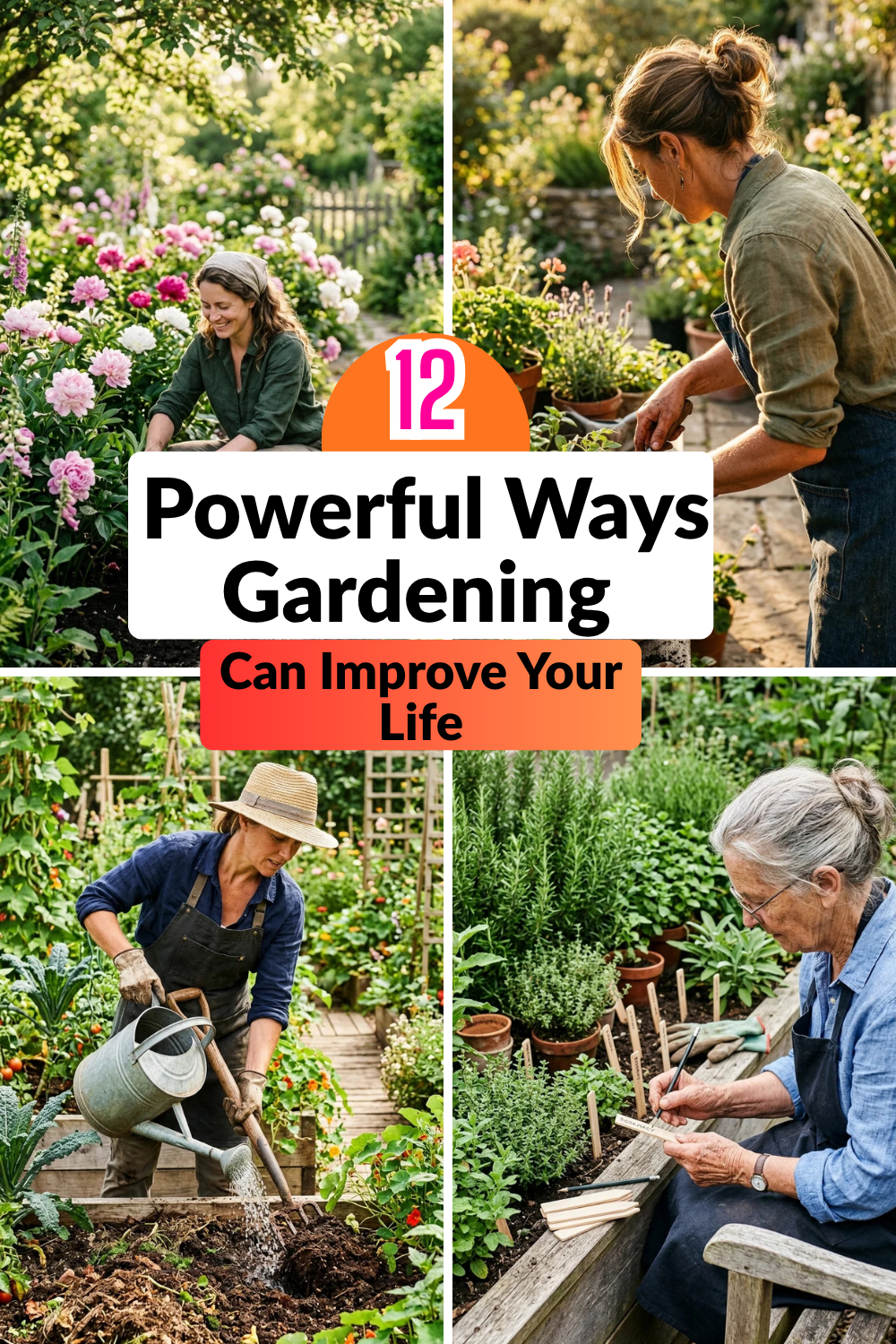
Gardening is far more than a hobby; it is a transformative practice that bridges the gap between humans and the natural world. Whether you have a sprawling backyard or a few pots on a balcony, the act of nurturing a plant from seed to harvest offers a profound sense of purpose. Beyond the aesthetic appeal of a flowering border or the utility of a vegetable patch, gardening serves as a holistic therapy for the mind, body, and soul. Modern science is increasingly validating what ancient civilizations knew instinctively: digging in the dirt is good for you.
1. Stress Relief
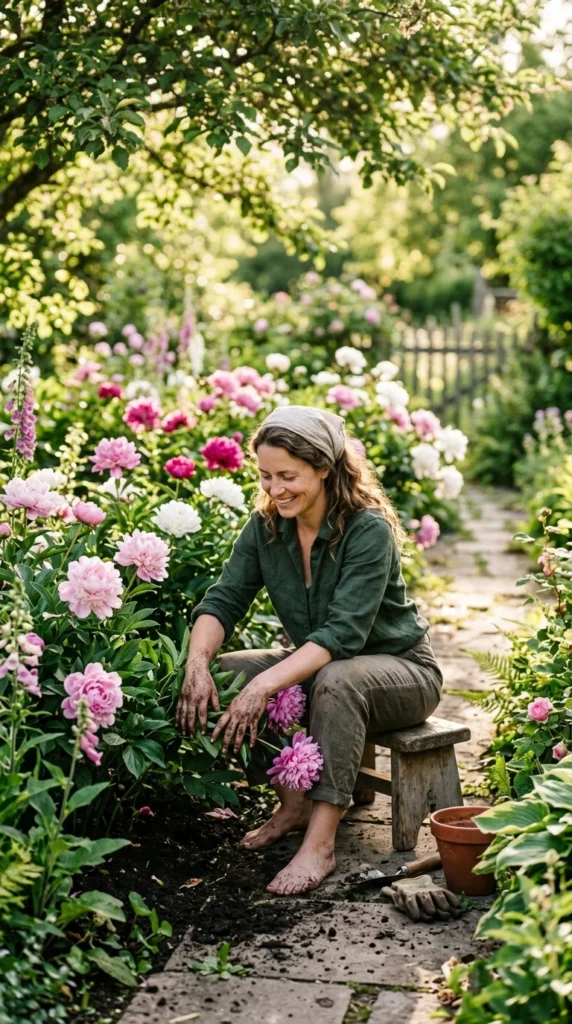
In an era dominated by screens and high-pressure environments, gardening provides an essential escape. The repetitive, rhythmic tasks of weeding, pruning, and watering allow the mind to enter a state of “flow,” where the stresses of the outside world melt away. Studies have shown that gardening significantly lowers cortisol levels—the body’s primary stress hormone—more effectively than many other leisure activities. The quietude of the garden, punctuated only by the sounds of nature, offers a sanctuary for the nervous system to recalibrate and find peace.
2. Physical Fitness
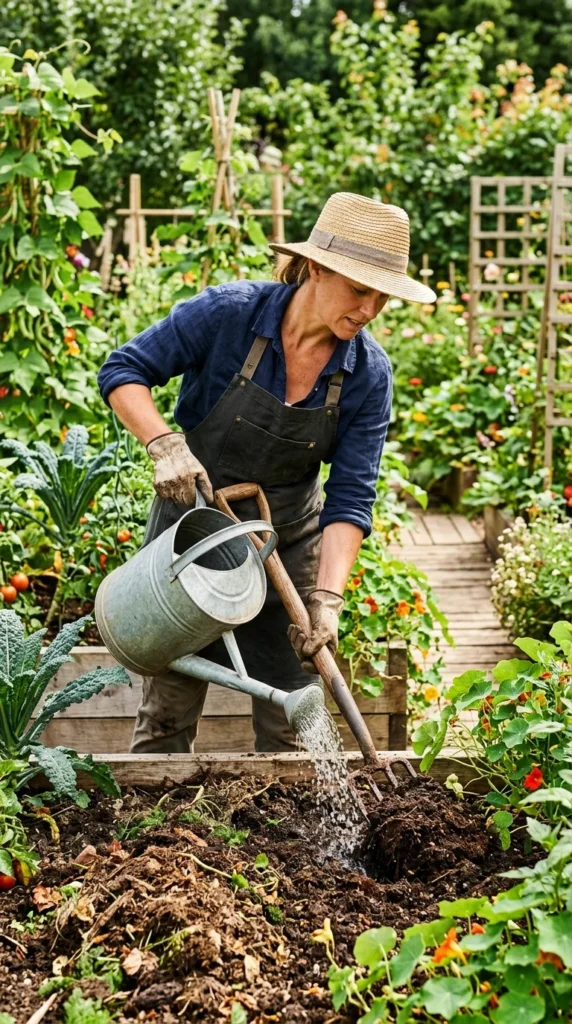
Many people view gardening as a passive activity, but it is actually a form of functional “green exercise.” Digging, raking, hauling mulch, and bending to plant seedlings engage major muscle groups across the entire body. A vigorous hour of gardening can burn as many calories as a session at the gym, with the added benefit of being low-impact. It improves flexibility, builds core strength, and enhances cardiovascular health. Because the work is goal-oriented—such as finishing a flower bed—gardeners often stay active for longer periods than they would on a treadmill without even noticing the effort.
3. Fresh Nutrition

There is an incomparable difference in flavor and nutrient density between a store-bought tomato and one picked warm from the vine. When you grow your own food, you gain total control over what goes into your body. You can eliminate synthetic pesticides and fertilizers, choosing organic methods instead. Furthermore, produce begins to lose its vitamin content the moment it is harvested; by eating directly from your garden, you ensure you are receiving the maximum possible nutritional value. Gardening also encourages a more diverse diet, as you are likely to experiment with heirloom varieties not found in supermarkets.
4. Mental Clarity
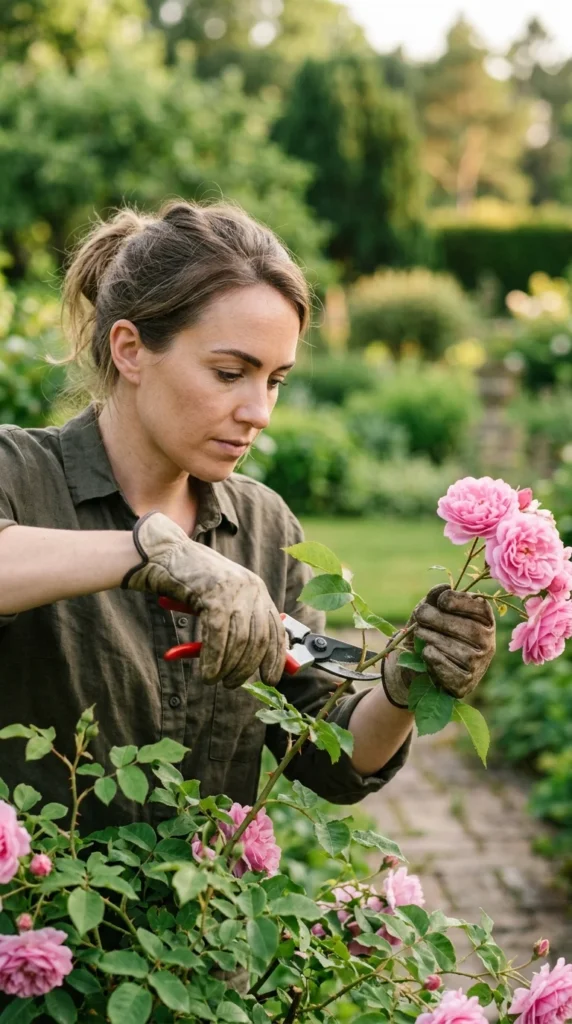
The concept of “Attention Restoration Theory” suggests that looking at nature allows our brains to recover from the cognitive fatigue caused by constant digital stimulation. Gardening requires a specific type of focus—an effortless “soft fascination”—that clears the mental fog. It encourages mindfulness, forcing the gardener to be present in the moment and observant of small changes in the environment. This heightened awareness can lead to breakthroughs in problem-solving and a general sense of mental sharpness that carries over into other areas of life.
5. Vitamin D
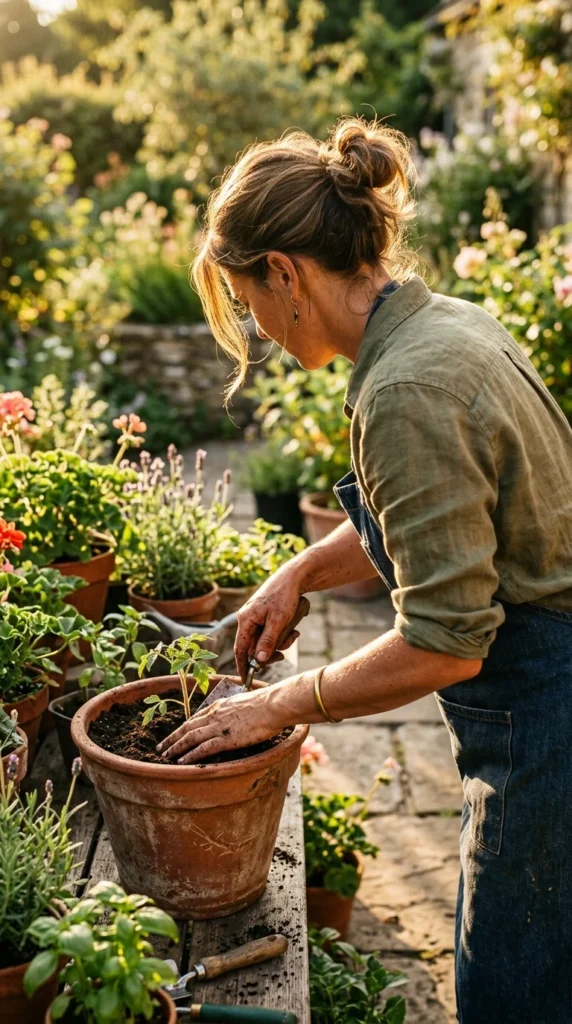
Spending time outdoors is the most natural way to boost your Vitamin D levels. This essential “sunshine vitamin” is crucial for maintaining healthy bones, as it aids in calcium absorption. Beyond bone health, Vitamin D plays a vital role in regulating the immune system and protecting against various chronic diseases. While it is important to practice sun safety, spending 15 to 30 minutes in the garden during peak daylight hours can significantly improve your mood and energy levels by facilitating the production of this vital nutrient.
6. Brain Health
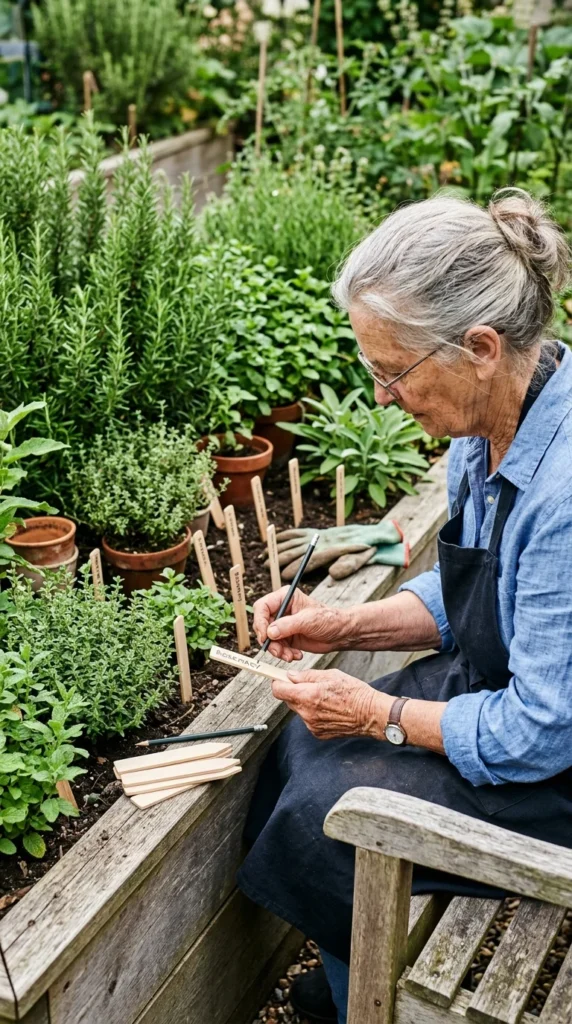
Research suggests that gardening can be a powerful tool in the fight against cognitive decline. The combination of physical activity, sensory stimulation, and the complex tasks involved in garden planning keeps the brain active and resilient. One long-term study found that daily gardening could reduce the risk of dementia by as much as 36%. The need to remember planting schedules, identify pests, and learn new horticultural techniques provides a “cognitive workout” that helps maintain neural pathways and memory function as we age.
7. Immune Support
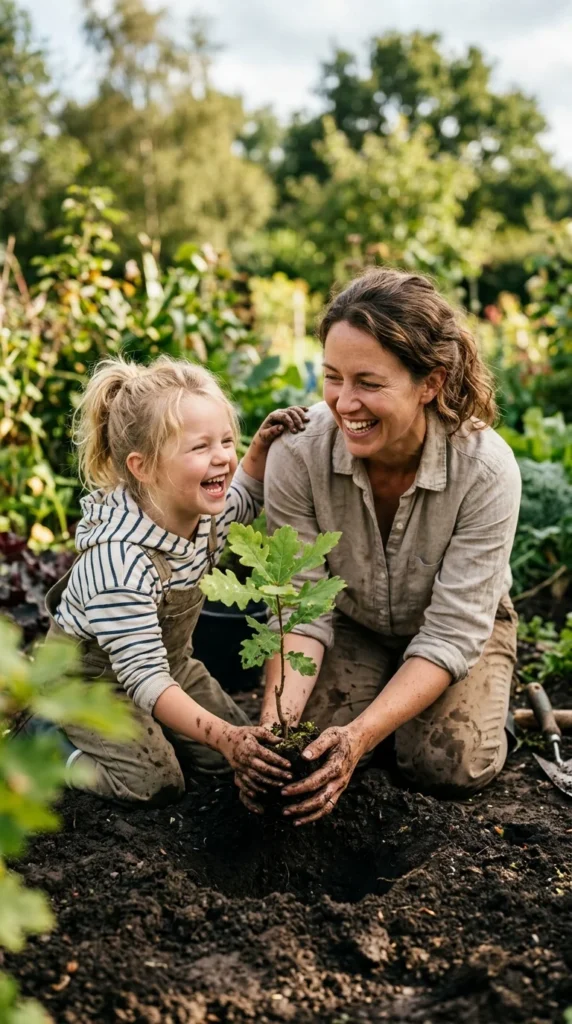
Getting your hands dirty might actually make you healthier. Soil is teeming with beneficial bacteria, including Mycobacterium vaccae, which has been linked to increased serotonin production and improved immune function. Exposure to these natural microbes helps “train” the human immune system, potentially reducing the risk of allergies and asthma. Furthermore, the diverse ecosystem of a garden introduces us to a variety of natural elements that strengthen our biological resilience, making us less susceptible to common illnesses.
8. Better Sleep

The combination of physical exertion and exposure to natural light makes gardening an excellent remedy for insomnia. Early morning light exposure helps regulate the body’s internal clock, or circadian rhythm, signaling when it’s time to be awake and when it’s time to rest. When you spend the day working in the dirt and breathing fresh air, your body experiences a healthy level of fatigue. This leads to falling asleep faster and enjoying a deeper, more restorative REM cycle, which is essential for emotional regulation and physical repair.
9. Social Connection

While gardening can be a solitary retreat, it is also a powerful bridge to the community. Whether it’s chatting with a neighbor over a garden fence, participating in a local community garden, or joining an online seed-swap group, gardening fosters social bonds. Sharing a surplus of zucchini or trading tips on how to grow the best roses creates a sense of belonging and reduces feelings of isolation. These connections provide a support network that enhances overall life satisfaction and promotes a sense of collective purpose.
10. Environmental Impact
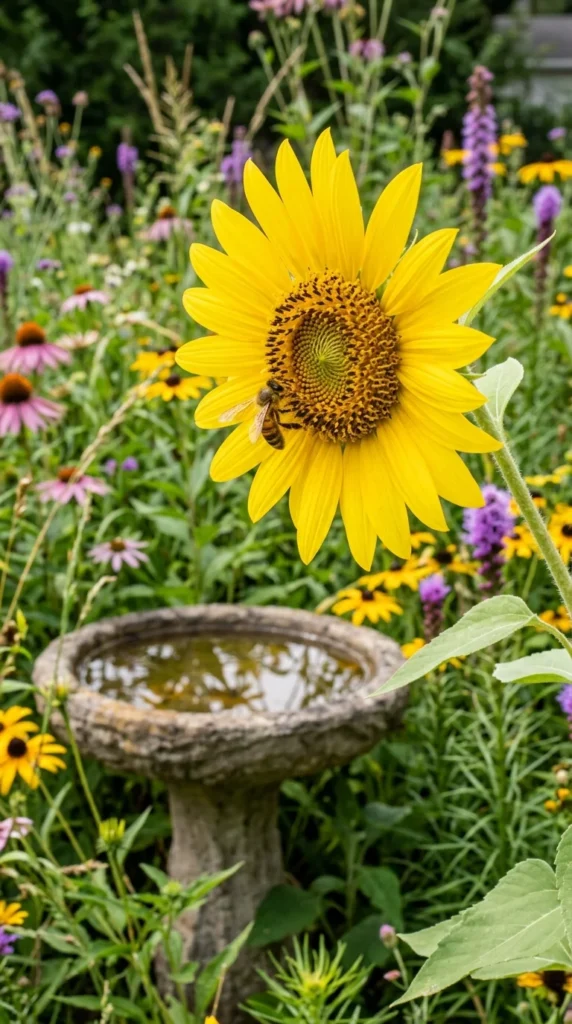
On a larger scale, gardening allows individuals to take direct action in protecting the planet. By planting native species, you provide essential food and habitat for pollinators like bees, butterflies, and birds. Gardens also act as “carbon sinks,” absorbing carbon dioxide and releasing oxygen. Composting kitchen scraps reduces landfill waste and creates nutrient-rich soil, closing the loop on waste. Even a small garden contributes to reducing the “urban heat island” effect and managing stormwater runoff, making your local environment cooler and cleaner.
11. Self-Esteem

There is a unique sense of accomplishment that comes from successfully growing a plant. For many, gardening provides a tangible result of their hard work—a reward that is often missing in modern office jobs. Watching a tiny seed transform into a towering sunflower or a productive fruit tree builds confidence and self-worth. It teaches patience and resilience; when a plant fails, the gardener learns to adapt and try again. This “growth mindset” fosters a sense of agency, reminding us that with care and persistence, we can influence our environment for the better.
12. Sensory Healing
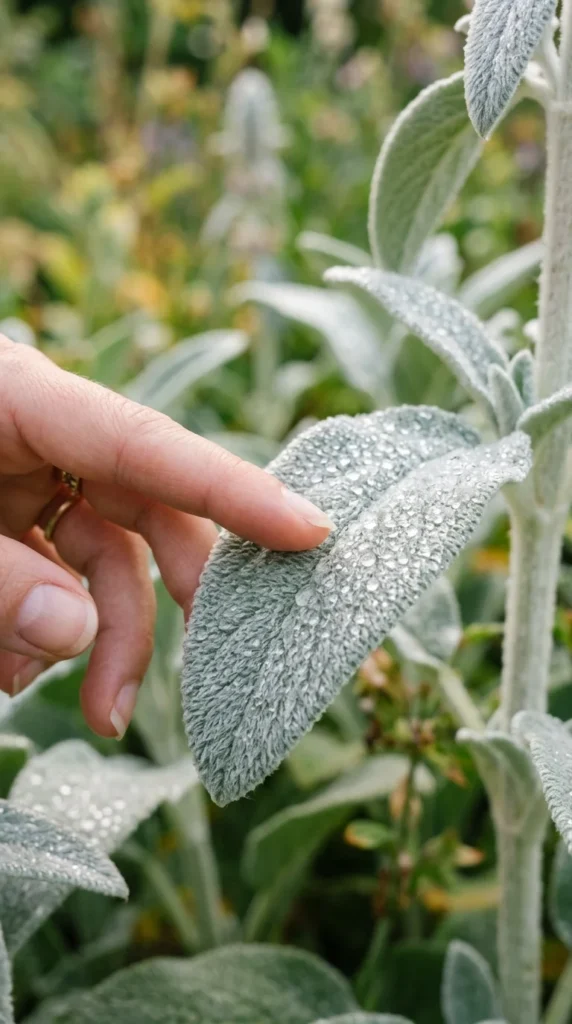
Gardening is a feast for the senses, providing a form of therapy that few other activities can match. The smell of damp earth after rain, the vibrant colors of autumn leaves, the rough texture of bark, and the sweet taste of a sun-ripened berry all work together to ground the individual. This sensory engagement is particularly effective for those dealing with trauma or anxiety, as it pulls the focus away from internal turmoil and anchors it in the physical world. A garden is a living gallery, offering beauty and comfort that restores the soul and invites a deeper appreciation for the miracle of life.