Plants are living, breathing organisms that respond dynamically to the world around them. As the Earth tilts on its axis and the seasons shift, the needs of your botanical companions change dramatically. What worked in the heat of July will likely lead to disaster in the chill of January. Mastering the art of seasonal plant care is the difference between a garden that merely survives and one that thrives with exuberant vitality. This guide explores twelve essential strategies to ensure your greenery remains healthy, resilient, and beautiful throughout the entire calendar year.
1. Sunlight
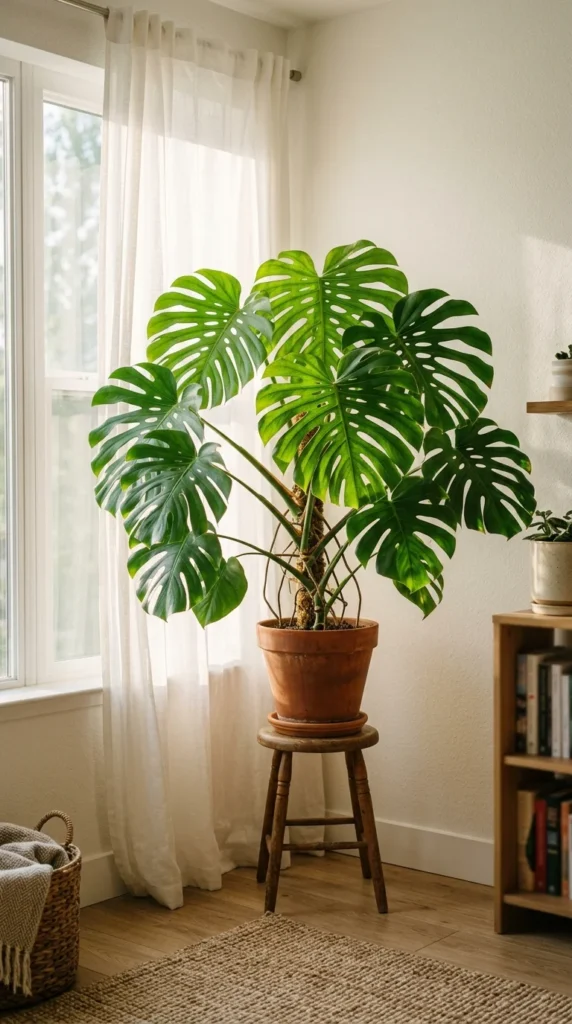
As the seasons change, the angle and intensity of the sun shift. During the summer, the sun is high and intense, which can scorch delicate leaves if they are too close to a window. Conversely, in the winter, the sun sits lower in the sky and the days are significantly shorter. To compensate, you may need to move your “sun-worshippers” closer to south-facing windows during the colder months to ensure they receive adequate light for photosynthesis. Clean your windows regularly to remove grime that can block precious UV rays, and consider rotating your pots a quarter-turn every week to ensure even growth and prevent your plants from leaning awkwardly toward the light source.
2. Watering
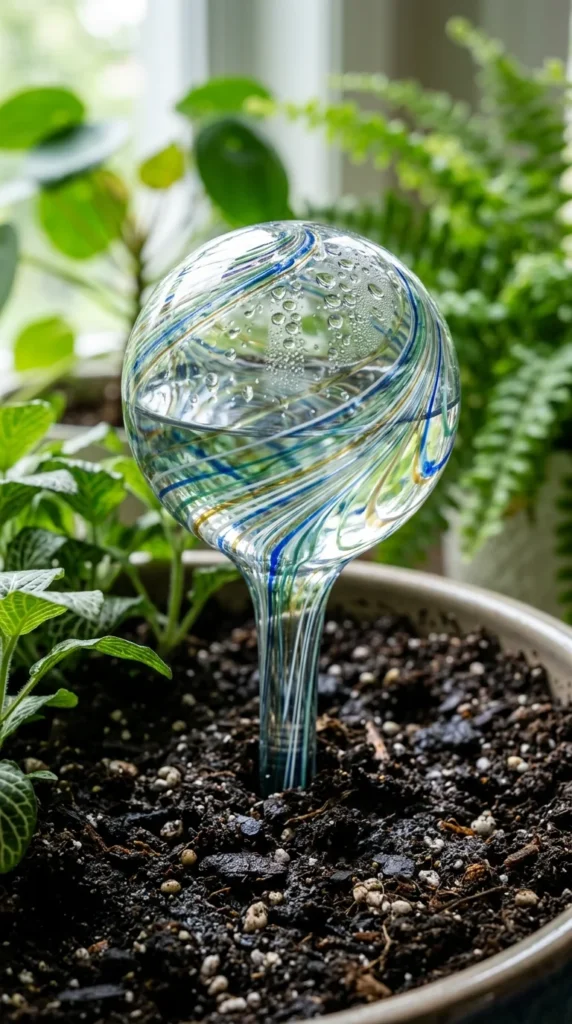
One of the most common mistakes plant parents make is sticking to a rigid watering schedule year-round. In the summer, higher temperatures and active growth phases mean plants consume water rapidly. In the winter, however, many plants enter a period of dormancy or slowed growth, and evaporation rates drop. Before reaching for the watering can, always perform the “finger test”—stick your finger an inch or two into the soil. If it feels moist, wait. Overwatering in the winter is a leading cause of root rot, a silent killer that can destroy a plant from the bottom up. Adjust your frequency based on the soil’s moisture level rather than the day of the week.
3. Humidity
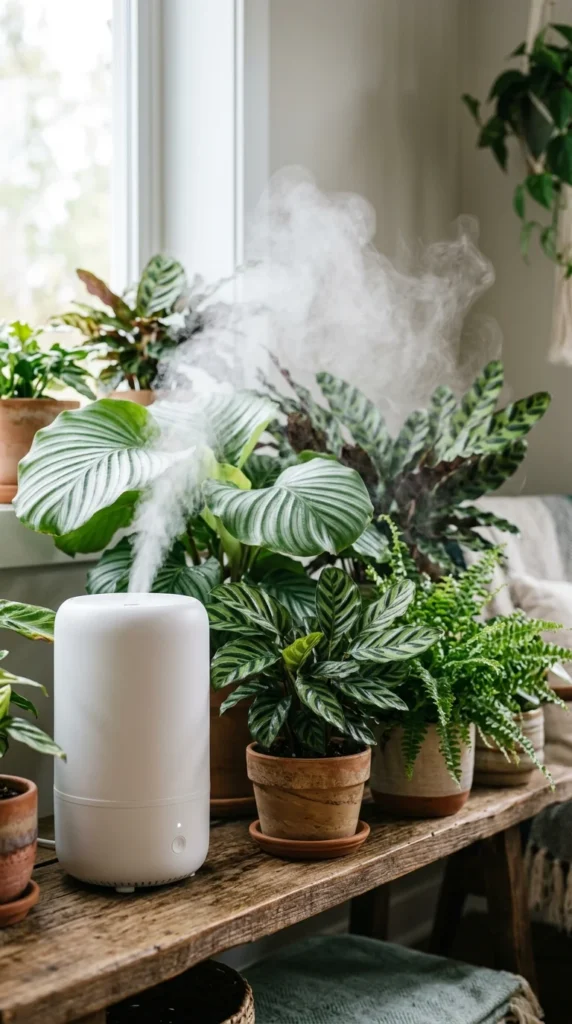
While we enjoy the warmth of indoor heating during the winter, our plants often suffer. Heaters and radiators strip the moisture from the air, creating a desert-like environment that can cause brown, crispy leaf tips. Tropical plants, in particular, crave humidity levels between 40% and 60%. To combat dry seasonal air, group your plants together to create a localized microclimate of transpired moisture. You can also place pots on “pebble trays”—shallow dishes filled with stones and water—or invest in a humidifier. Misting is a popular ritual, but its effects are fleeting; consistent environmental humidity is much more effective for long-term health.
4. Fertilizing
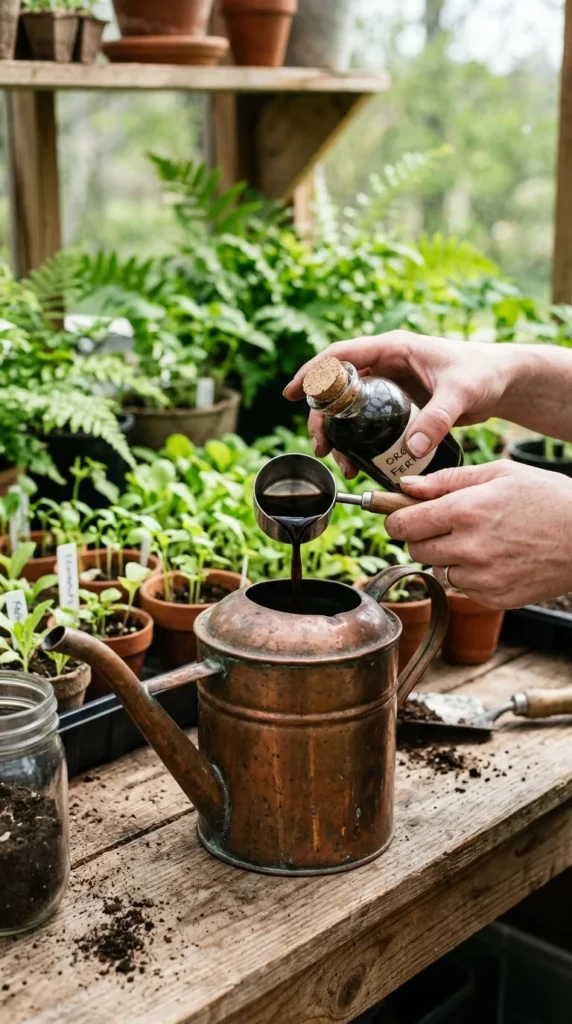
Think of fertilizer as a multivitamin for your plants. Just as humans change their diet based on activity levels, plants need different nutrient intakes throughout the year. During the “growing season”—typically spring and summer—plants are pushing out new leaves and stems, requiring more fuel. Use a balanced, water-soluble fertilizer every few weeks during this peak time. However, as the light fades and temperatures drop in autumn, you should taper off your feeding. Most plants do not require any fertilizer during the winter. Feeding a dormant plant can lead to a buildup of salts in the soil, which can burn the roots and cause unnecessary stress.
5. Pruning
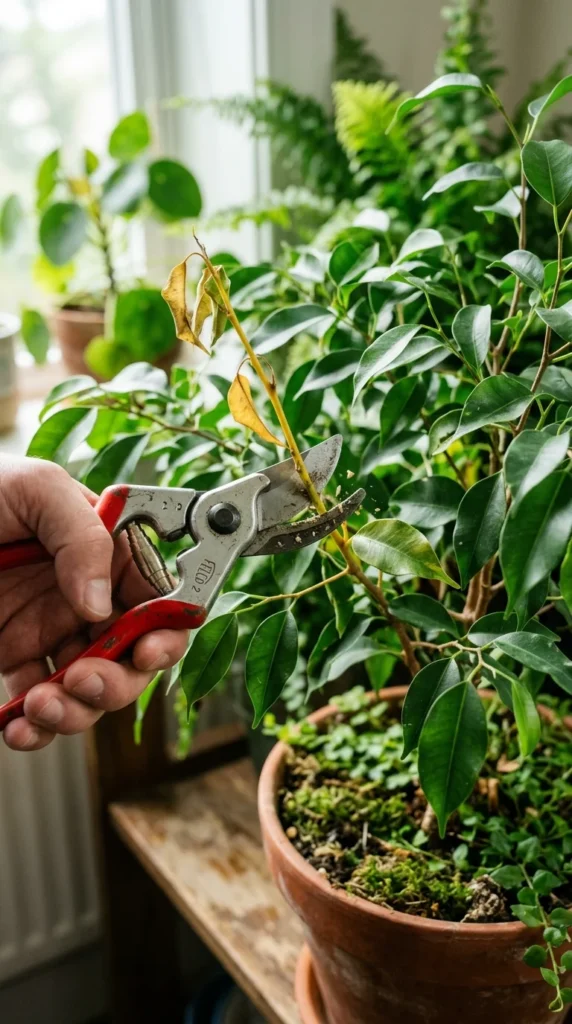
Pruning is essential for maintaining a plant’s shape and health, but timing is everything. Early spring is generally the best time for a major “haircut,” as it stimulates new growth just as the plant is waking up. Throughout the year, however, you should perform maintenance pruning by removing any dead, dying, or diseased leaves. This prevents the plant from wasting energy on failing tissue and improves air circulation, which reduces the risk of fungal infections. For flowering plants, “deadheading” (removing spent blooms) encourages the plant to produce more flowers rather than focusing on seed production.
6. Temperature
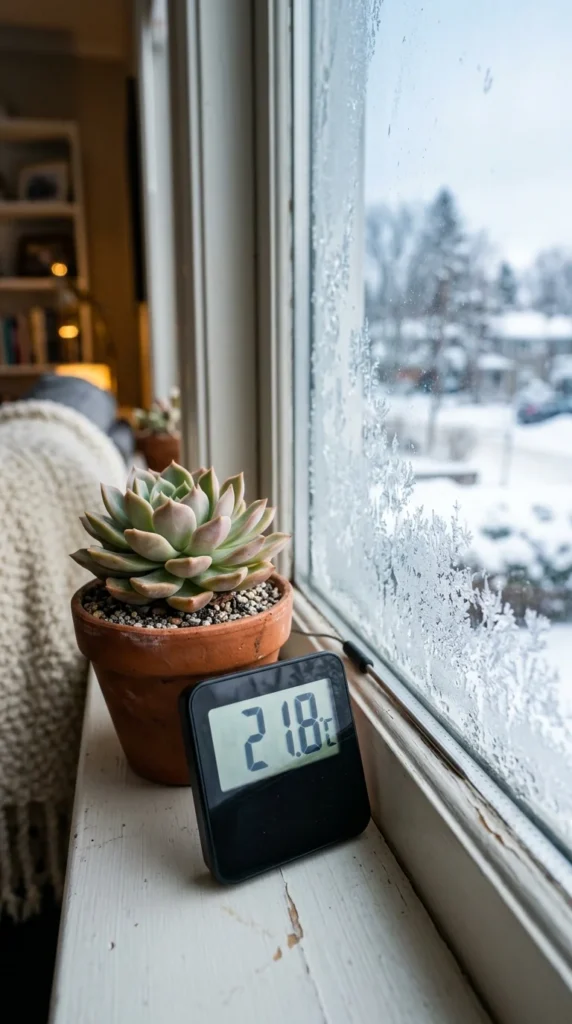
Plants are sensitive to extreme temperature fluctuations. In the summer, ensure your plants aren’t sitting directly in the path of a frigid air conditioning vent, which can cause leaf drop. In the winter, the biggest threat is “cold feet” and drafts. Plants sitting on cold windowsills or near drafty doors can experience shock. If you feel a chill, your plant does too. Aim for a consistent temperature range, and if you have particularly sensitive tropical varieties, move them away from the glass during freezing nights. Conversely, keep them away from direct heat sources like radiators or fireplaces, which can literally cook the foliage.
7. Repotting
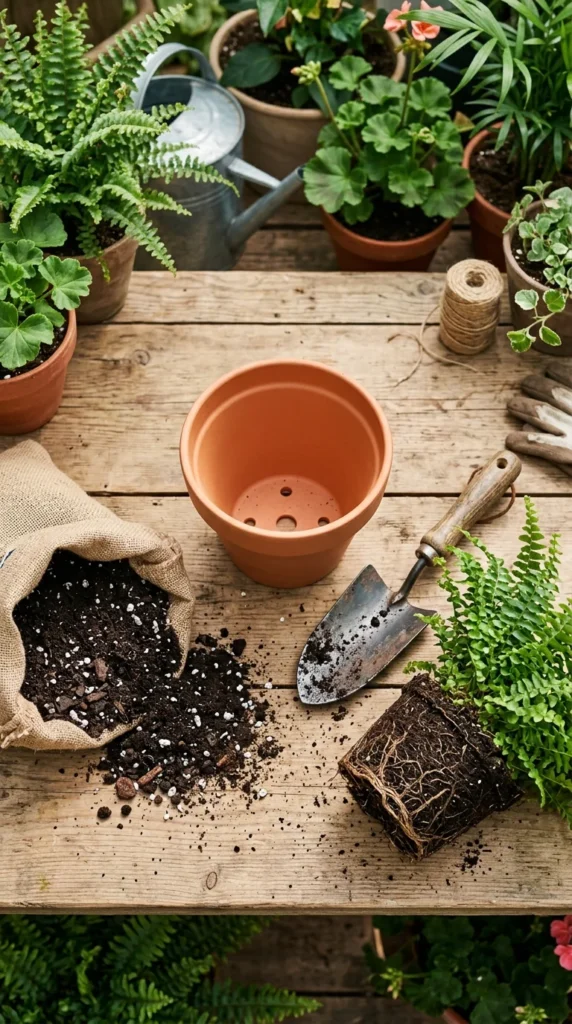
Spring is the season of rebirth, making it the ideal time to repot plants that have outgrown their current homes. Signs that your plant is “root-bound” include roots crawling out of the drainage holes, water running straight through the pot without soaking in, or stalled growth. When repotting, choose a container only one size larger (about 1-2 inches in diameter more) than the current one. Using a pot that is too large can lead to excess soil staying wet for too long, causing root rot. Always use fresh, high-quality potting mix tailored to your specific plant type to provide a fresh boost of minerals and improved aeration.
8. Pests
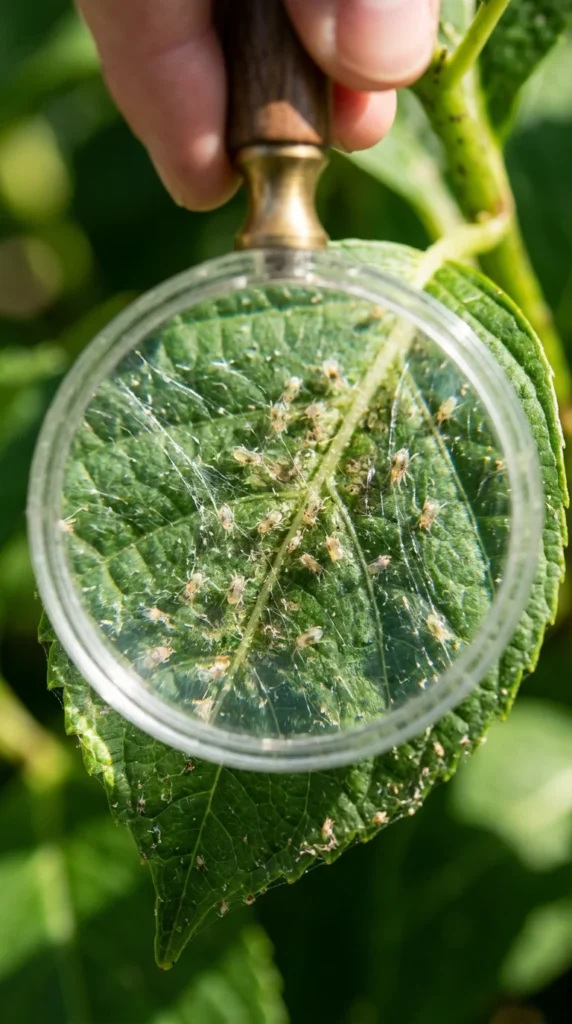
Different seasons bring different pests. In the warmer months, you might see an influx of fungus gnats or aphids. In the dry heat of a winter-heated home, spider mites thrive. Make a habit of inspecting the undersides of leaves and the junctions of stems during your regular watering routine. Early detection is the key to successful pest management. If you spot unwanted guests, isolate the plant immediately to prevent the infestation from spreading. Treatments can range from a simple spray of soapy water to the application of neem oil. Keeping your plants healthy and stress-free is the best defense, as pests are naturally drawn to weakened organisms.
9. Mulching
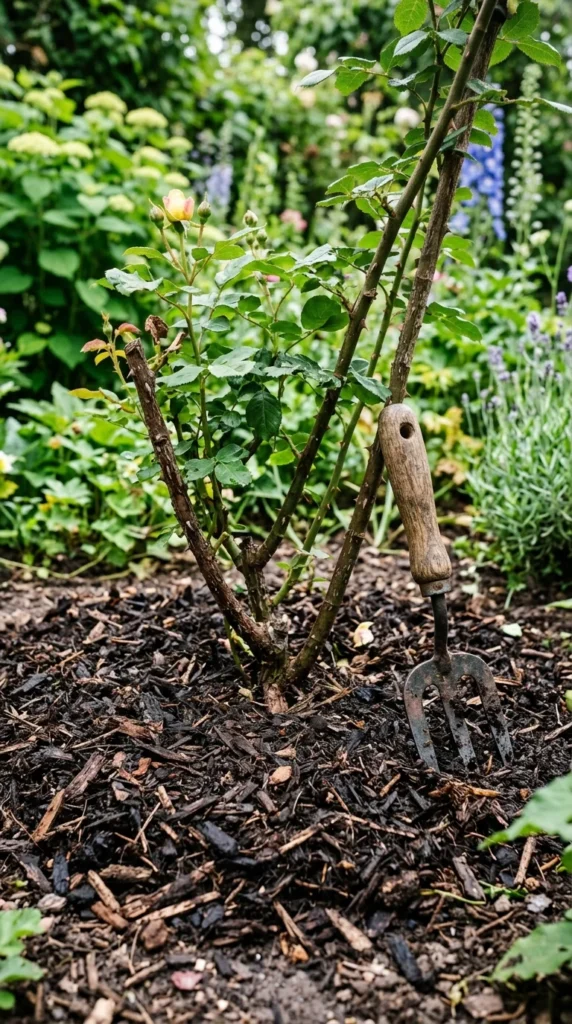
For outdoor plants or large indoor planters, mulching is a seasonal game-changer. In the summer, a layer of organic mulch (like bark chips or straw) acts as insulation, keeping the roots cool and significantly reducing water evaporation from the soil. In the winter, mulch acts like a warm blanket, protecting the root system from the freeze-thaw cycles that can heave plants out of the ground. For indoor plants, a decorative layer of moss or pebbles can serve a similar purpose, helping to retain moisture and providing a polished aesthetic to your pots.
10. Cleaning
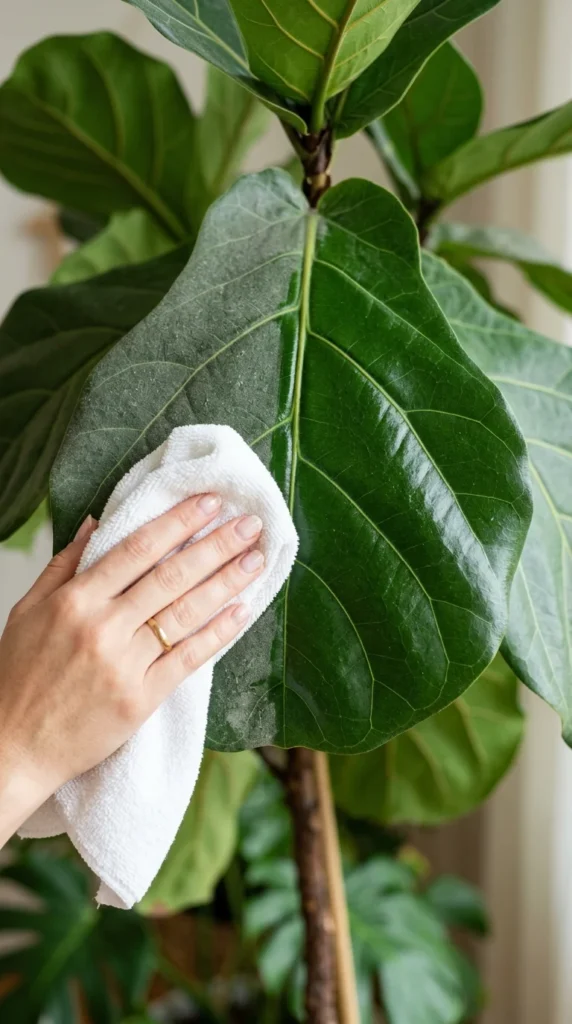
We often forget that leaves are the “solar panels” of the plant. Over time, dust accumulates on the surface of the leaves, which can physically block sunlight and clog the stomata (the tiny pores plants use to breathe). Once a month, or as needed, take a damp cloth and gently wipe down the leaves. For plants with many small leaves, a quick “shower” in the sink or bathtub with lukewarm water can wash away dust and even dislodge hidden pests. Not only does this improve the plant’s efficiency in producing food, but it also makes your indoor jungle look significantly more vibrant and well-cared for.
11. Aeration
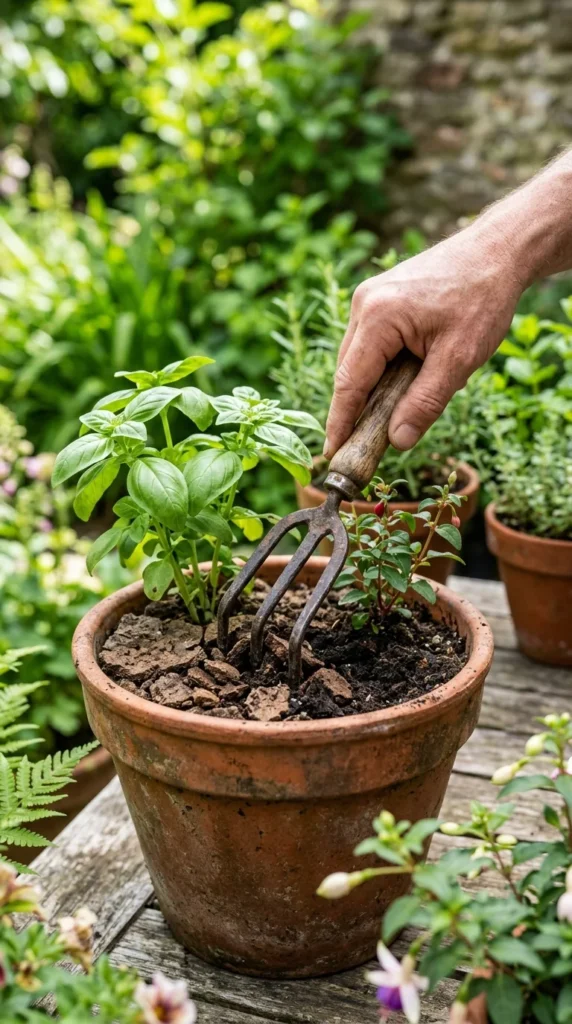
Over several months of watering, potting soil can become compacted, pressing out the oxygen pockets that roots need to survive. This is especially common in the late winter after a season of less frequent maintenance. Use a chopstick or a small garden tool to gently poke holes in the soil and loosen the top layer. This “aeration” allows oxygen to reach the root zone and ensures that water can penetrate deeply rather than just running down the inside of the pot. Think of it as giving your plant’s roots room to breathe and expand as they prepare for the spring growth spurt.
12. Dormancy
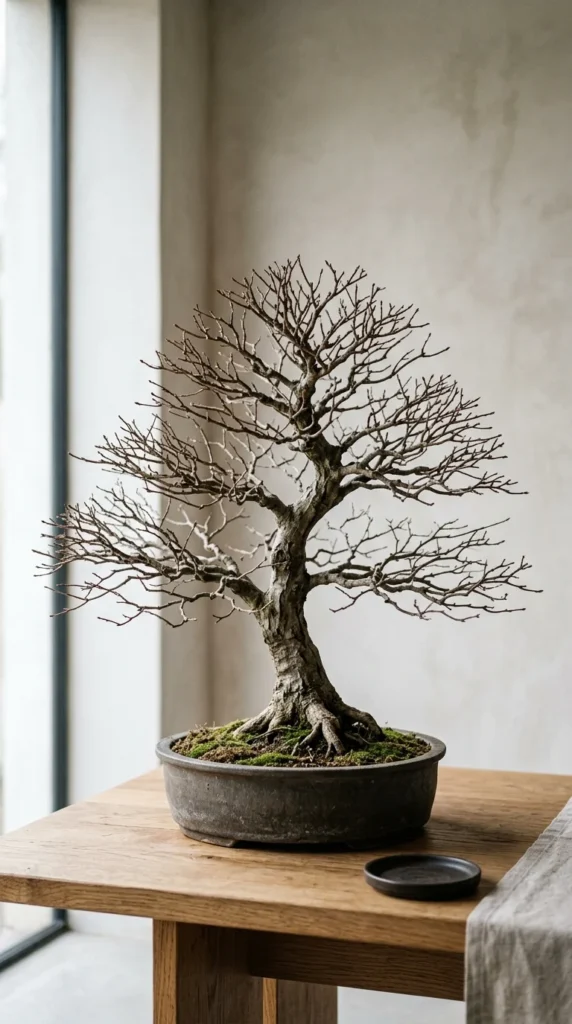
Understanding dormancy is the final piece of the seasonal care puzzle. Many plants, from outdoor perennials to indoor succulents, have a biological clock that tells them when to rest. During this time, they may lose leaves, stop growing, or appear “sad.” It is vital to recognize this as a natural phase rather than a sign of illness. Don’t try to “force” growth during dormancy with extra water or fertilizer; this will only stress the plant. Instead, respect its need for a quiet period. By allowing your plants to rest in the winter, you are ensuring they have the stored energy necessary to burst into spectacular life when the first signs of spring arrive.