In an era of constant connectivity, high-speed demands, and digital fatigue, the human soul often yearns for a return to something primal and grounding. While many turn to gyms or meditation apps to find their center, one of the most effective pharmacies in the world is located right outside your back door. Gardening is far more than a hobby for growing tomatoes or tending to roses; it is a profound therapeutic practice that recalibrates the nervous system. From the microscopic bacteria in the dirt to the rhythmic motion of pulling weeds, the garden offers a multi-sensory escape that heals the mind. Here are ten amazing ways that gardening reduces stress and restores your natural state of peace.
1. Soil Microbes
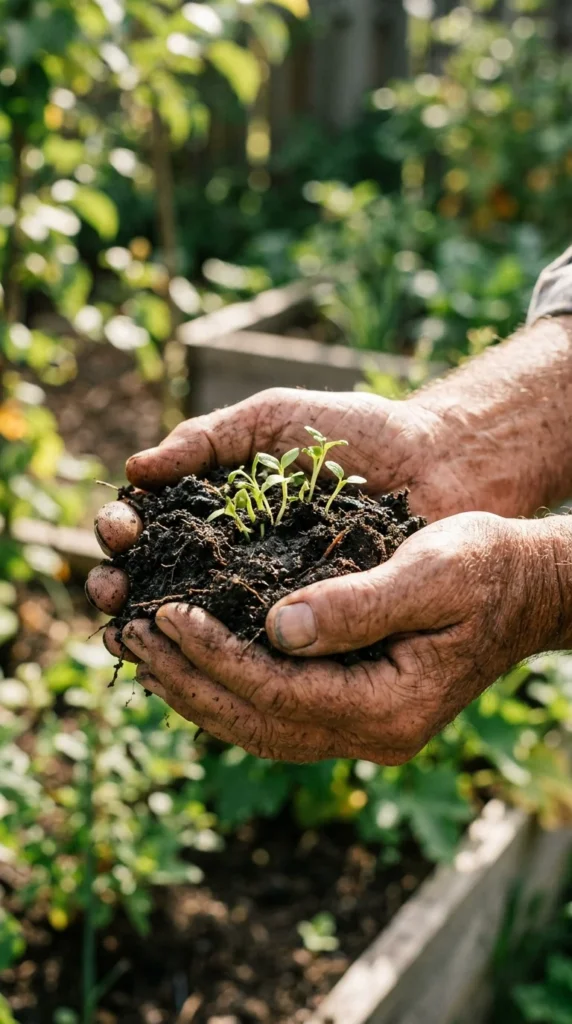
It might sound strange, but getting your hands dirty actually triggers a chemical reaction in your brain. Research has shown that a specific soil bacterium, Mycobacterium vaccae, acts as a natural antidepressant. When you dig in the dirt, these microbes are inhaled or absorbed through skin contact. They stimulate the production of serotonin, the “feel-good” hormone that regulates mood and anxiety. This ancient relationship between humans and the earth suggests that our bodies are biologically programmed to feel calmer when we are in direct contact with the land. By bypassing the pharmacy and heading to the flower bed, you are literally inoculating yourself against stress.
2. Mindful Presence
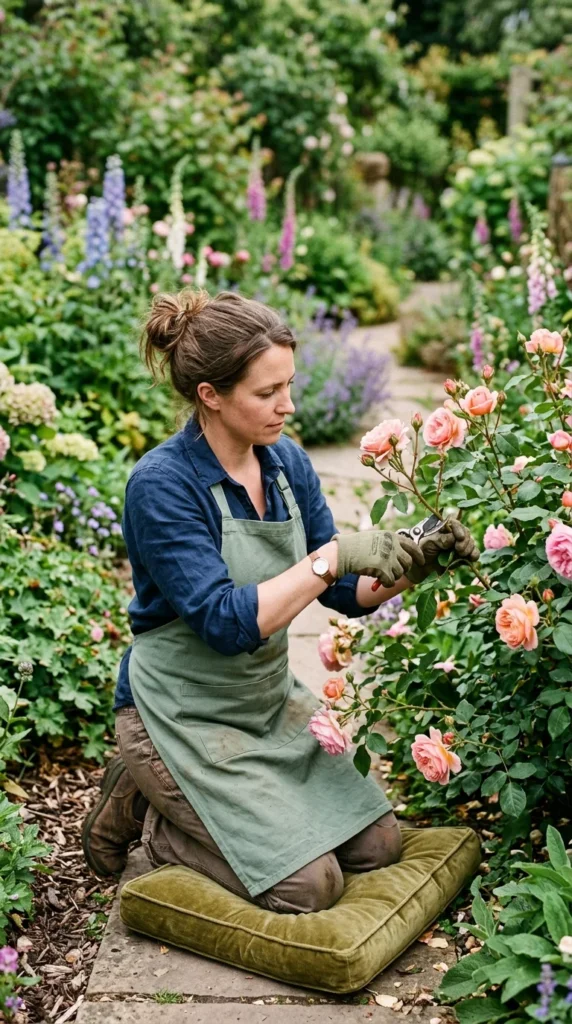
Stress often lives in the past (regret) or the future (anxiety). Gardening forces you into the “now.” When you are transplanting a delicate seedling or searching for a hidden pest, your focus narrows down to the task at hand. This state of “flow” is a form of active meditation. Unlike sitting still in a dark room, gardening provides a tactile anchor for your thoughts. The repetitive motions of digging, planting, and watering quiet the “monkey mind,” allowing the roar of daily worries to fade into a gentle hum. In the garden, the only thing that matters is the depth of the hole and the moisture of the roots.
3. Sunlight Exposure

We are creatures of light, yet modern life keeps us under the flicker of fluorescent bulbs. Stepping into the garden exposes you to natural sunlight, which is the primary driver of Vitamin D production. Low levels of Vitamin D are closely linked to depression and seasonal affective disorder. Beyond the vitamins, sunlight helps regulate your circadian rhythm—your body’s internal clock. A morning session in the garden tells your brain it’s time to be alert, which in turn leads to better sleep quality at night. When you sleep better, your resilience to stress increases exponentially.
4. Gentle Exercise

Gardening is a deceptive workout. It involves functional movements—squatting, reaching, lifting, and walking—that engage the entire body without the intensity of a high-impact gym session. This low-impact physical activity releases endorphins, the body’s natural painkillers and mood elevators. Because gardening is goal-oriented (you’re not just moving; you’re building a garden), the exercise feels less like a chore and more like a reward. The physical exertion helps burn off the “fight or flight” energy that accumulates during a stressful workday, leaving you feeling physically tired but mentally refreshed.
5. Nurturing Life
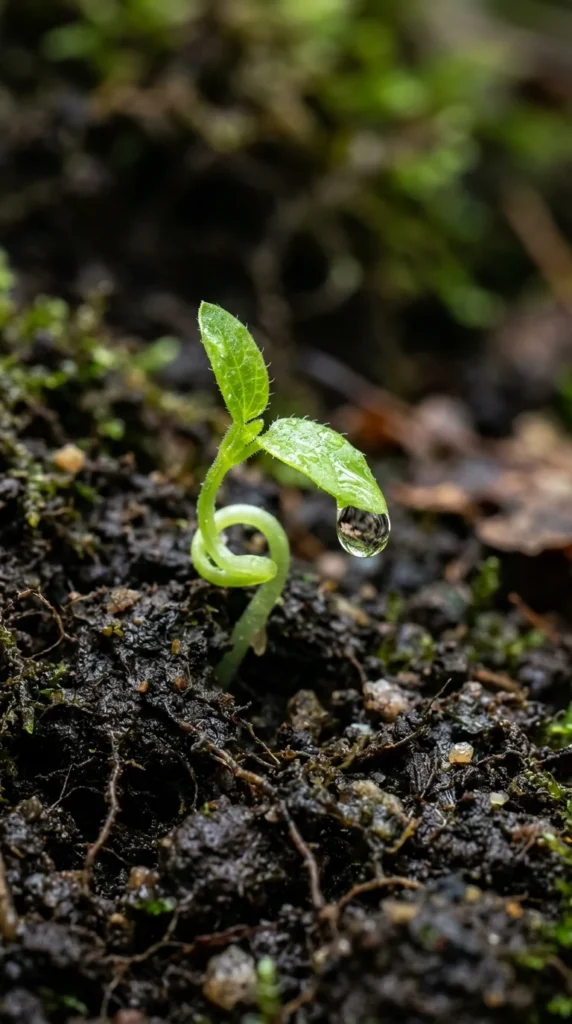
There is a unique psychological satisfaction that comes from being responsible for the life of another living thing. In a world where so much feels out of our control, the garden offers a space where our actions have a direct, positive impact. Tending to a plant from seed to harvest fosters a sense of purpose and self-efficacy. For those struggling with feelings of helplessness or low self-esteem, the success of a blooming flower or a ripening pepper provides a tangible reminder of their own capability. This nurturing role shifts the focus away from internal stressors and toward the external act of care.
6. Color Therapy

Nature’s color palette is designed to soothe the human eye. The color green, which dominates most gardens, is known to lower heart rates and reduce muscle tension. It represents growth, harmony, and safety. Furthermore, the “soft fascination” provided by the intricate patterns of leaves and the vibrant hues of petals allows the brain’s directed-attention mechanisms to rest. This is known as Attention Restoration Theory. Unlike the “hard fascination” of a television screen or a busy street, the garden provides visual stimuli that are interesting but not demanding, allowing your cognitive resources to recharge.
7. Natural Scents

The olfactory system is the only sense with a direct pathway to the limbic system, the part of the brain that manages emotions. Gardens are natural aromatherapy chambers. The scent of damp earth (petrichor) after a rain, the calming aroma of lavender, or the sharp, refreshing hit of crushed mint can instantly alter your mood. Many garden plants contain terpenes—aromatic compounds that, when inhaled, can lower cortisol levels. Even the simple act of brushing against a rosemary bush releases oils that have been shown to improve memory and lower anxiety.
8. Digital Disconnection
The average person checks their phone dozens of times a day, maintaining a state of “continuous partial attention” that is inherently stressful. Gardening is a “hands-busy” activity that makes it difficult, if not impossible, to scroll through social media or answer emails. It creates a necessary physical barrier between you and your devices. This digital detox allows your brain to break the dopamine-seeking loop of notifications and likes. In the garden, the only “feed” you’re concerned with is the one for your plants, and the only “posts” are the ones holding up your beans.
9. Slow Living
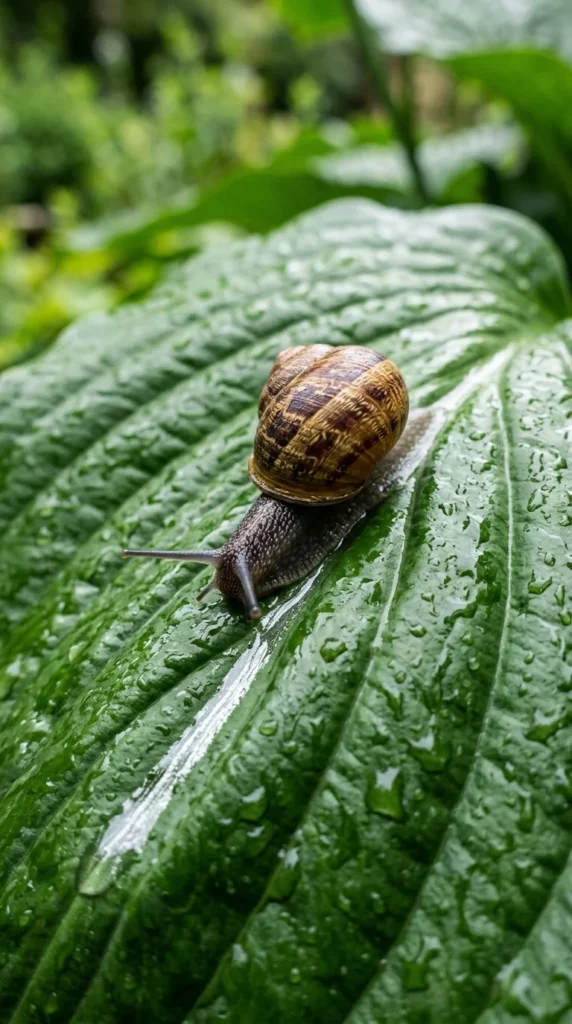
Nature does not hurry, yet everything is accomplished. Gardening teaches us the value of patience and the beauty of the seasons. We live in a culture of “instant gratification,” which creates a sense of urgency that fuels stress. A garden, however, cannot be rushed. You cannot force a seed to sprout faster or a fruit to ripen overnight. By participating in the slow, cyclical rhythm of growth, gardeners learn to accept the natural pace of life. This shift in perspective helps to mitigate the “hurry sickness” that defines modern existence, encouraging a more patient and resilient mindset.
10. Homegrown Nutrition

The stress-reducing benefits of gardening culminate at the dinner table. There is a profound sense of security and accomplishment in eating food you have grown yourself. From a physiological standpoint, homegrown vegetables are often more nutrient-dense than store-bought counterparts because they are eaten at the peak of freshness. A diet rich in fresh produce supports a healthy gut-brain axis, which is crucial for emotional regulation. The act of sharing a harvest with neighbors or family further strengthens social bonds, which are one of the most powerful buffers against the negative effects of stress.