Bringing a new plant home is an exciting moment, but for many beginners, that excitement is often followed by a creeping sense of dread. Will it wither? Are the leaves supposed to be that shade of yellow? The truth is, most “black thumbs” are simply the result of common, easily avoidable mistakes. Turning your home into a lush urban jungle doesn’t require a degree in botany; it requires understanding a few fundamental principles of nature. Here are 18 beginner-friendly tips that will keep your leafy friends thriving for years to come.
1. Easy Starts
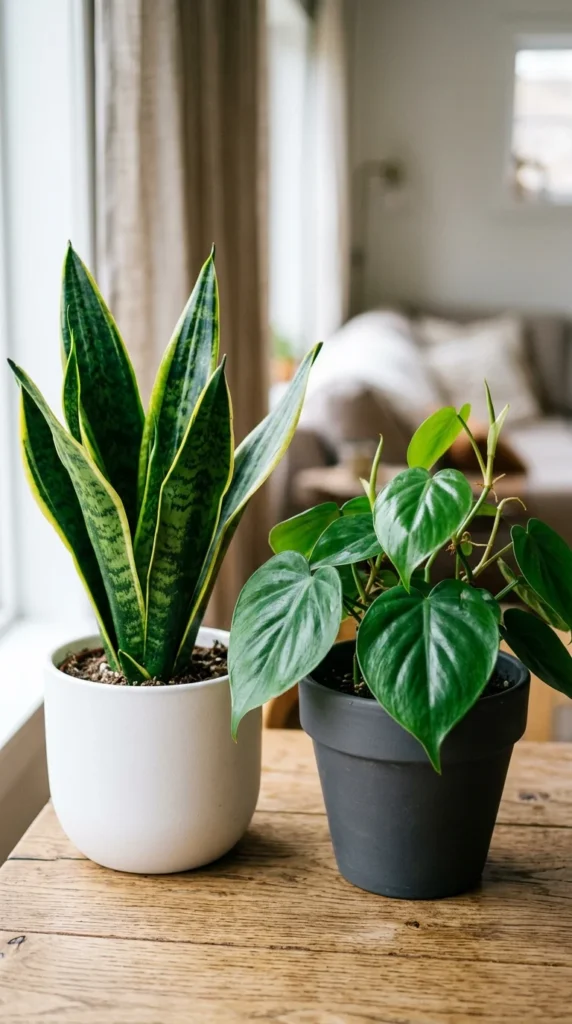
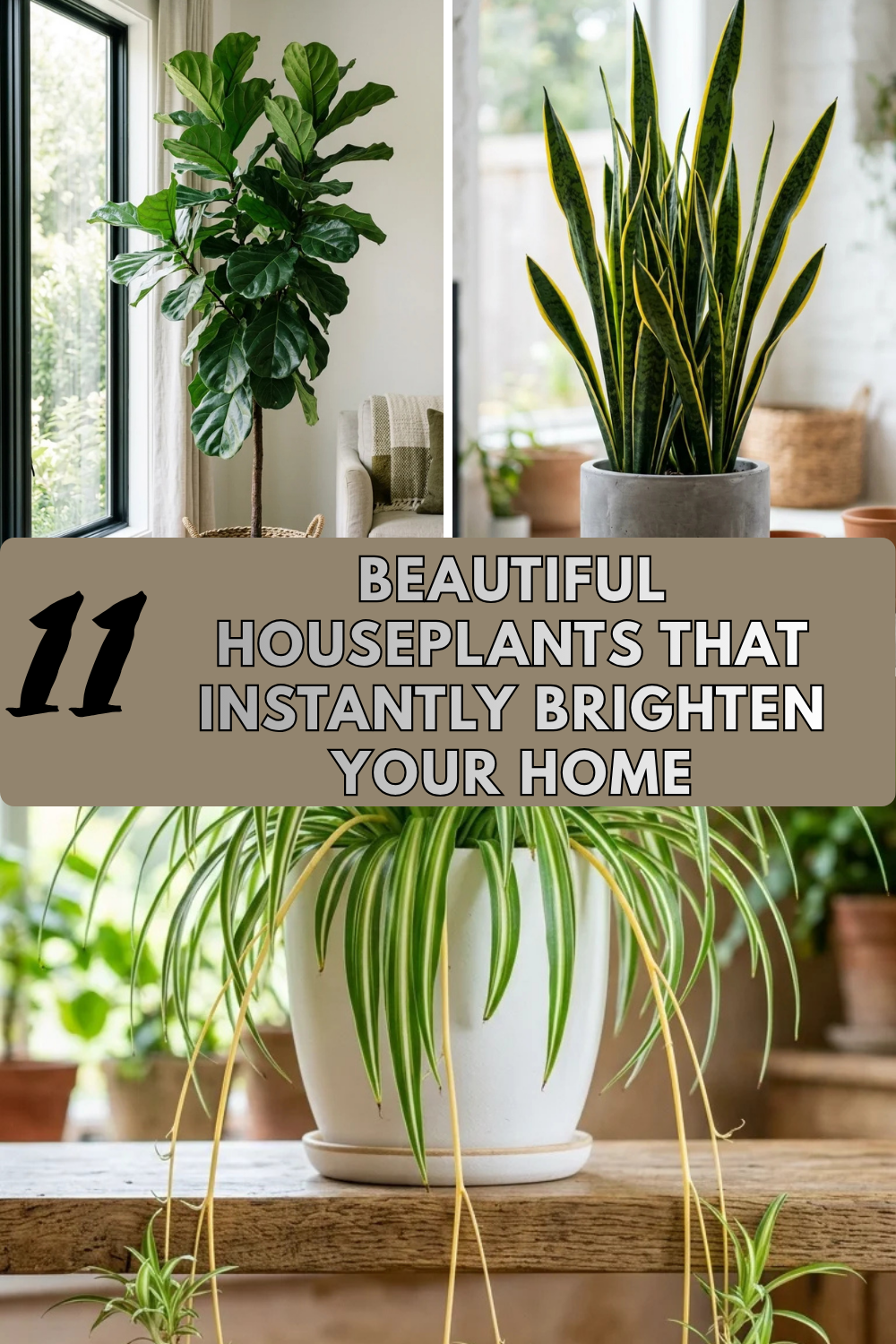
The most common mistake beginners make is choosing a “diva” plant—like a Calathea or a Maidenhair Fern—as their first green companion. Instead, set yourself up for success by choosing “indestructible” varieties. Snake Plants, ZZ Plants, and Pothos are incredibly forgiving. These species can tolerate lower light levels and missed waterings, allowing you to learn the ropes of plant parenthood without the heartbreak of an immediate casualty.
2. Bright Indirect
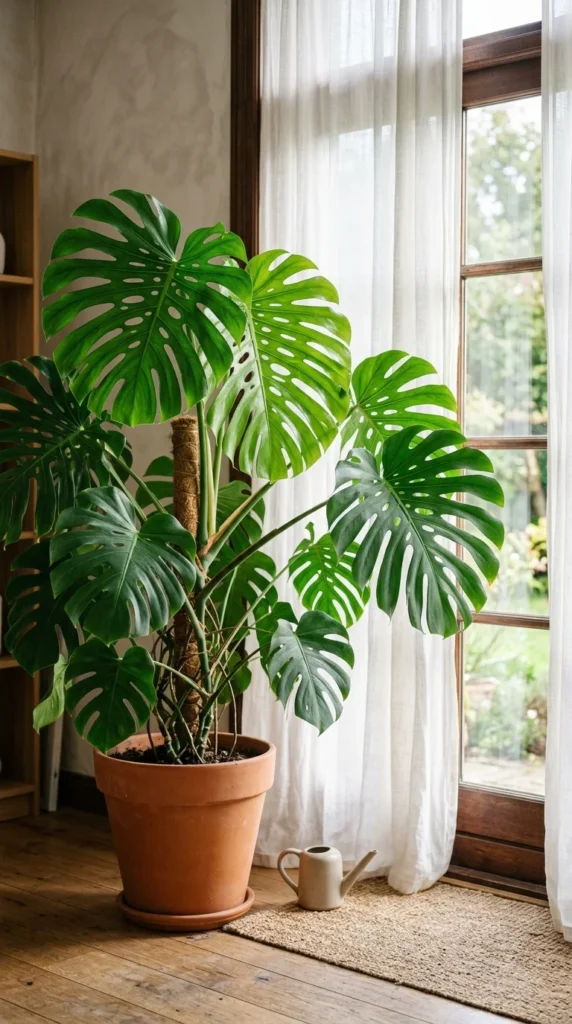
Most houseplants come from tropical rainforests where they grow under the canopy of larger trees. This means they love light, but they hate being scorched by direct sun. “Bright indirect light” is the holy grail of plant care. Place your plants in a room that gets plenty of natural light, but keep them a few feet away from the window glass or use a sheer curtain to diffuse the rays. If you can see your shadow clearly but it’s not “sharp,” you’ve found the sweet spot.
3. Finger Test
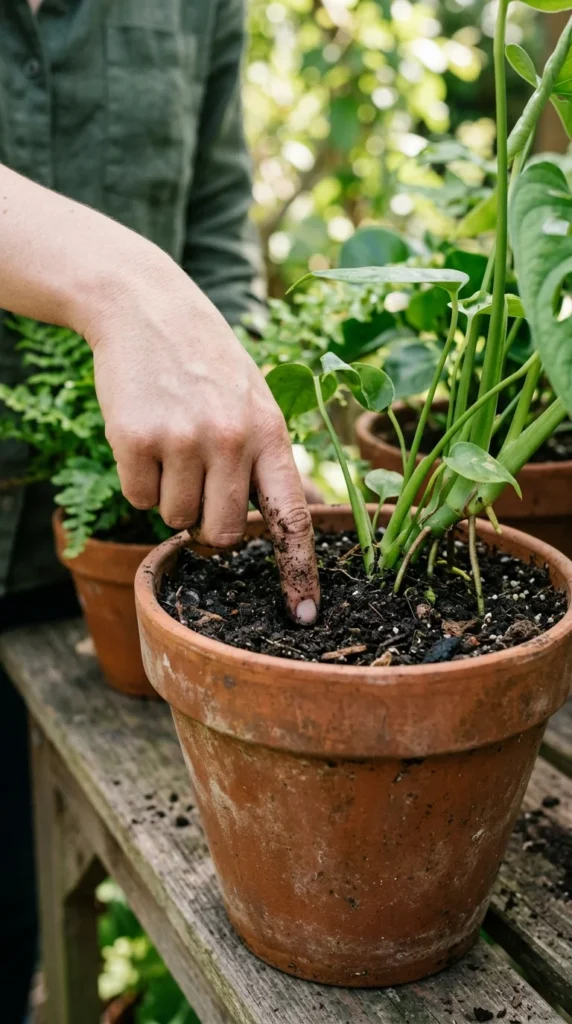
Forget the “once a week” watering rule. Your home’s temperature, humidity, and the season all change how fast soil dries out. Before you reach for the watering can, stick your finger about two inches into the soil. If it feels moist and cool, wait a few more days. If it’s dry and crumbly all the way down to your second knuckle, it’s time for a drink. This simple manual check is the single best way to prevent the number one killer of houseplants: overwatering.
4. Drainage Holes
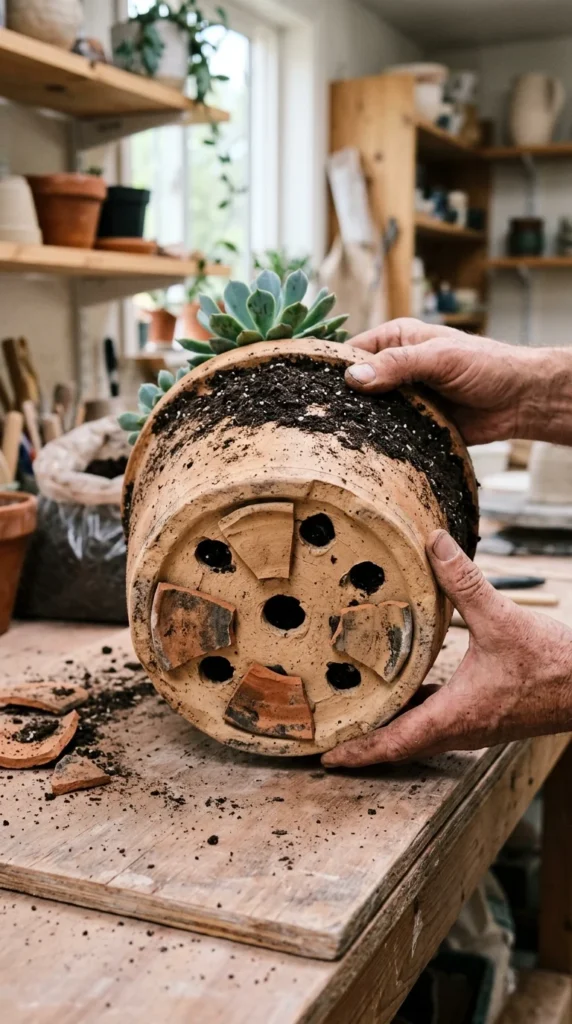
Never plant anything directly into a decorative pot that doesn’t have a hole in the bottom. Without drainage, excess water pools at the base of the pot, drowning the roots and causing “root rot”—a fungal condition that is often fatal. If you love a pot that has no hole, use it as a “cachepot.” Keep the plant in its plastic nursery pot and simply set that inside the decorative one. When you water, take the plastic pot to the sink, let it drain completely, then put it back.
5. Humidity Boost
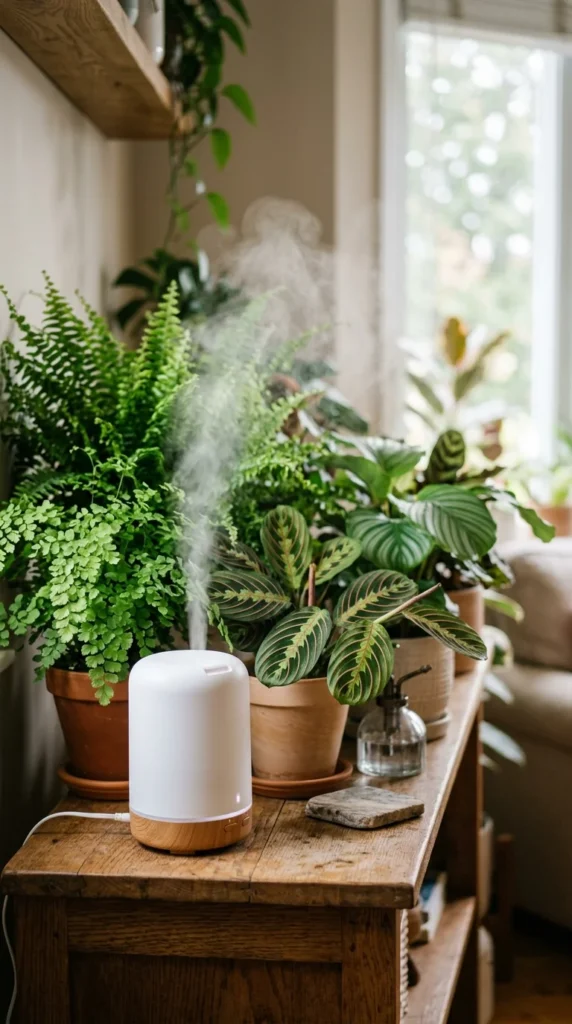
Our homes, especially in the winter when the heater is running, are incredibly dry. Tropical plants crave humidity. You can increase the moisture in the air by grouping plants together (they create their own microclimate), using a pebble tray filled with water, or running a humidifier nearby. Avoid misting leaves with a spray bottle too often, as sitting water on leaves can sometimes encourage fungal growth without actually raising the ambient humidity.
6. Leaf Dusting
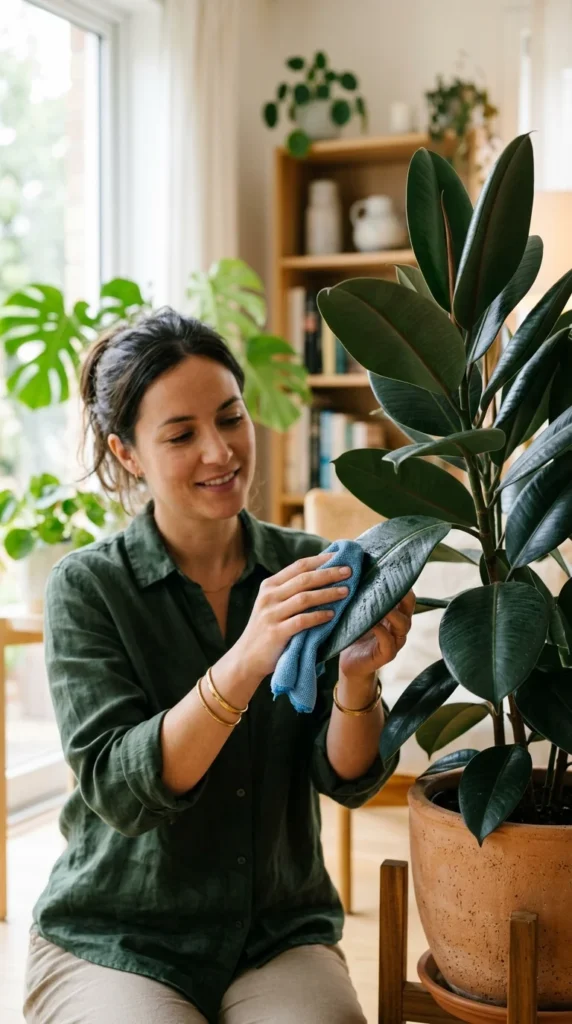
Plants breathe through tiny pores on their leaves called stomata. They also use their leaves to absorb light for photosynthesis. In a home environment, dust builds up quickly, acting like a physical barrier that prevents the plant from “breathing” and eating. Once a month, take a damp cloth and gently wipe down the leaves. Not only will your plants be healthier, but they will also look significantly more vibrant and shiny.
7. No Schedules
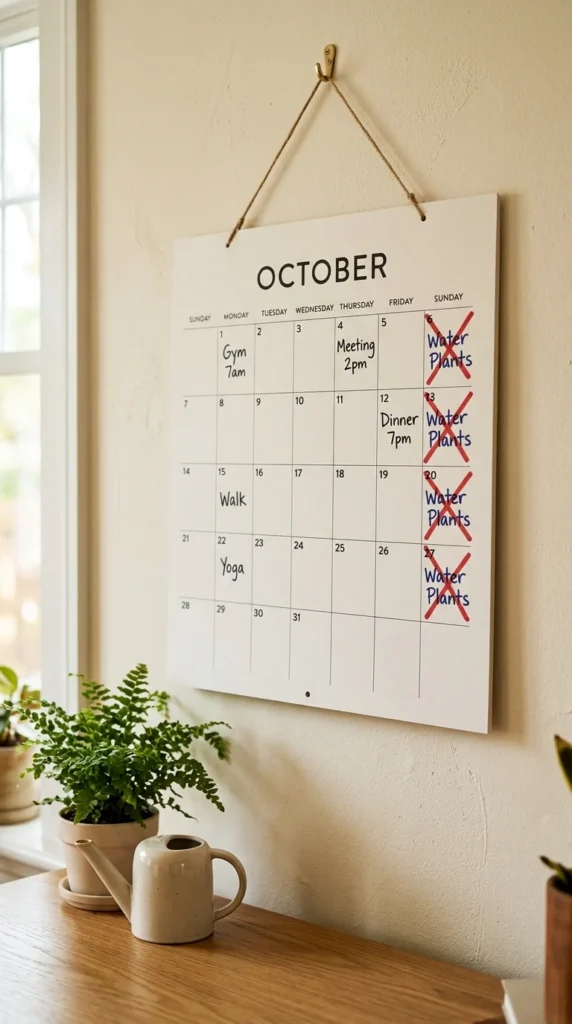
Plants are living organisms, not machines. Watering on a strict schedule—like “every Monday morning”—is a recipe for disaster. In the summer, your plant might need water every four days because of the heat. In the winter, when the plant is dormant, it might only need water once every three weeks. Always let the plant and the soil tell you when they are thirsty rather than relying on the calendar.
8. Pot Size
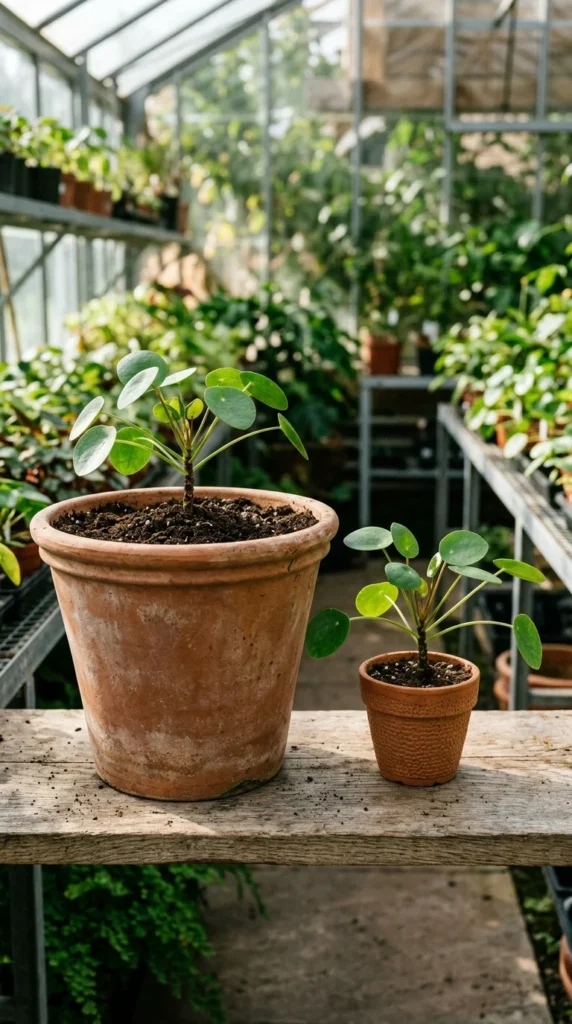
When it’s time to repot, it’s tempting to move your plant into a much larger container so it has “room to grow.” This is a mistake. A pot that is too large holds onto more water than the roots can absorb, leading to soggy soil and rot. When upgrading, only go up one size—usually about two inches wider in diameter than the current pot. This gives the roots just enough space to expand without being overwhelmed by excess moisture.
9. Seasonal Food
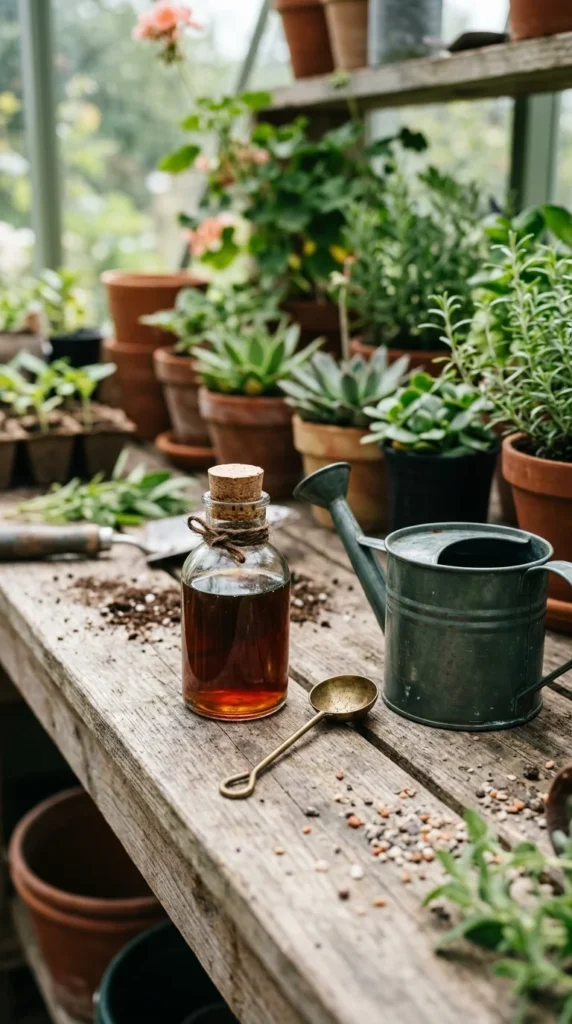
Plants need nutrients to grow, but they don’t eat the same amount all year round. Only fertilize during the “growing season,” which is typically spring and summer. During the dark winter months, most plants go into a semi-dormant state where they aren’t producing much new growth. Adding fertilizer during this time can actually burn the roots. Always dilute your fertilizer to half the recommended strength on the bottle to avoid chemical shock.
10. Pest Patrol
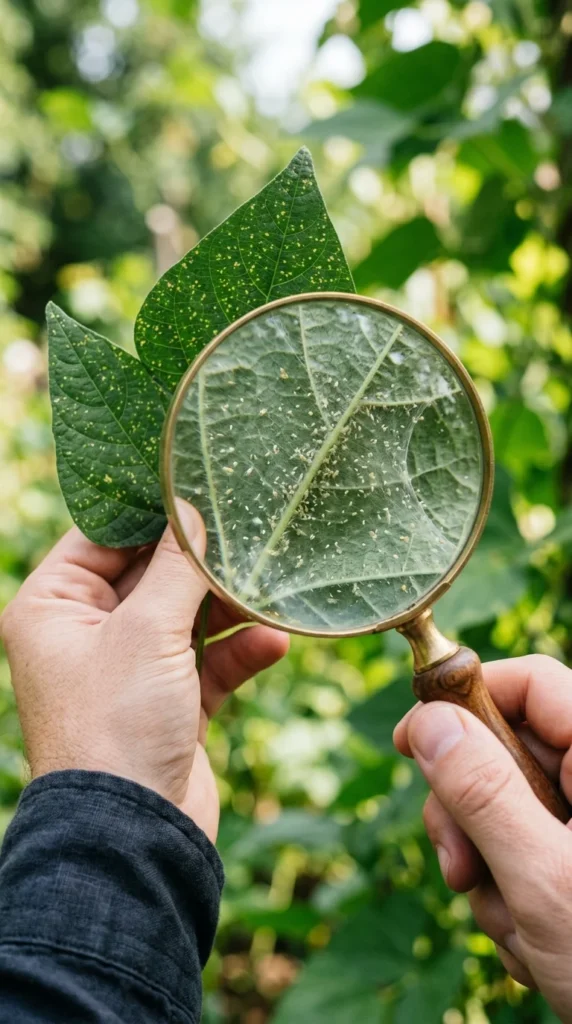
Pests like spider mites, mealybugs, and fungus gnats are a part of life for plant owners. The key is catching them early. Make it a habit to check the undersides of leaves and the junctions where the stems meet. If you see tiny webs, white cottony fluff, or moving dots, isolate the plant immediately to prevent the bugs from spreading. A simple treatment of neem oil or insecticidal soap usually clears up the problem if caught early.
11. Acclimatization Period
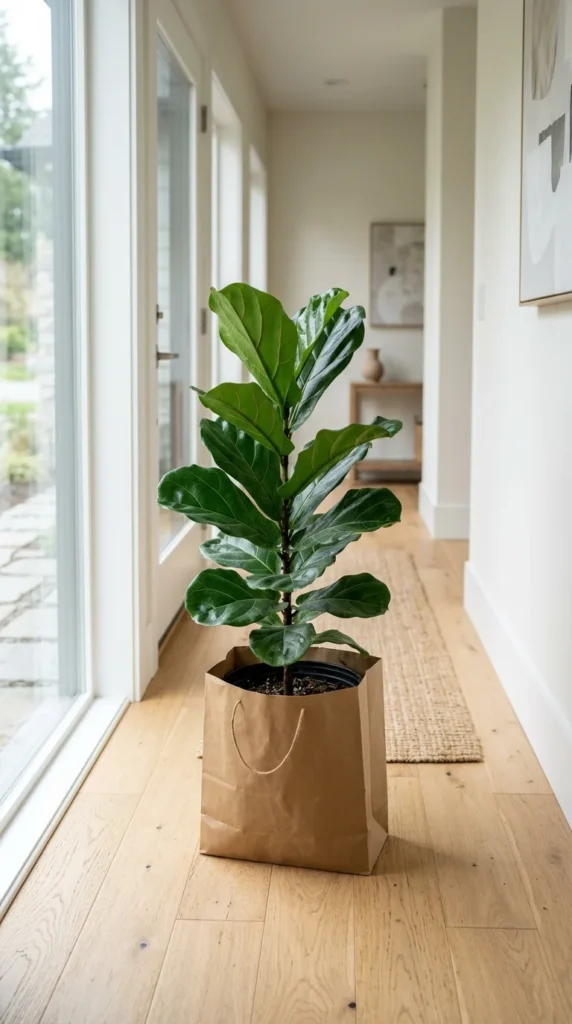
When you bring a new plant home from the nursery, it has just traveled from a high-humidity, perfectly lit greenhouse to your house. This is a massive shock. It’s normal for a plant to drop a leaf or two or look a bit sad for the first two weeks. Don’t rush to repot it or move it around constantly. Give it a permanent spot with good light and let it get used to your home’s environment before you make any major changes.
12. Strategic Pruning
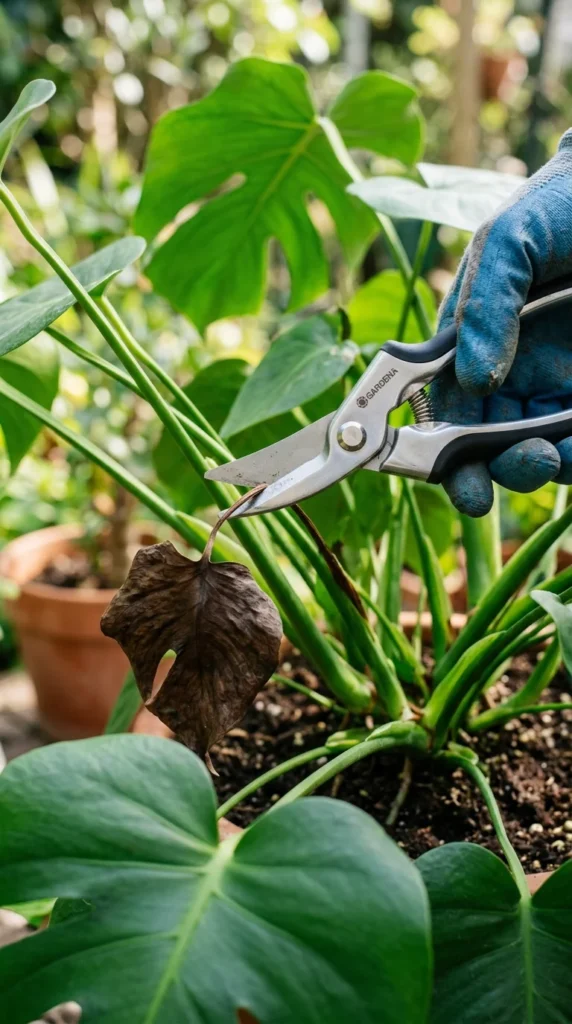
Don’t be afraid to cut off dead or yellowing leaves. A yellow leaf will never turn green again. By pruning it off, you allow the plant to stop wasting energy trying to repair a dying limb and redirect that energy into new, healthy growth. Always use clean, sharp scissors or shears to make a clean cut, which helps the “wound” heal faster and prevents infection.
13. Grouping Plants
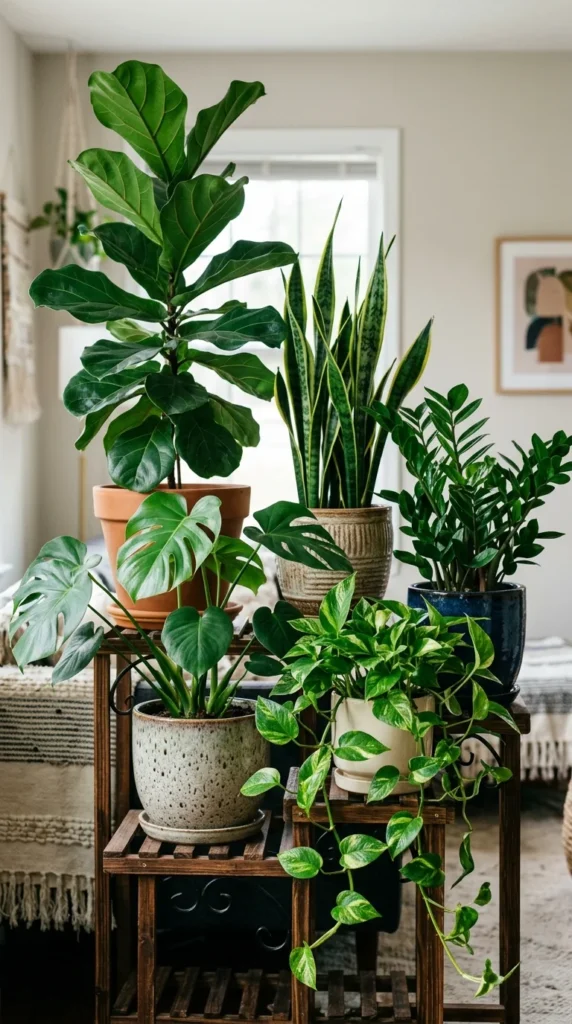
Plants are social creatures in a way. Through a process called transpiration, they release moisture into the air. When you group multiple plants together, they create a “bubble” of higher humidity around themselves. This is a fantastic trick for beginner owners who want to keep tropical plants healthy without buying a humidifier. Plus, an arrangement of different textures and heights looks much more professional and aesthetically pleasing.
14. Quality Soil
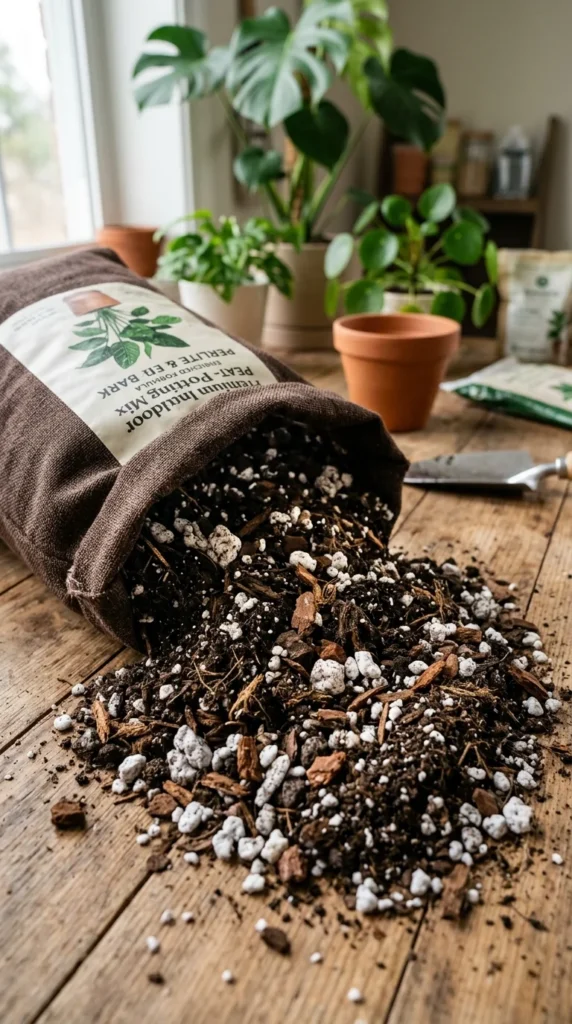
Never use “garden soil” or dirt from your backyard for indoor plants. It is too heavy, doesn’t drain well enough, and can contain outdoor pests or pathogens. Invest in a high-quality “indoor potting mix.” These mixes are usually “soilless,” consisting of peat moss or coco coir, perlite (the white puffy bits), and bark. This ensures the roots get plenty of oxygen and that water can move freely through the pot.
15. Winter Dormancy
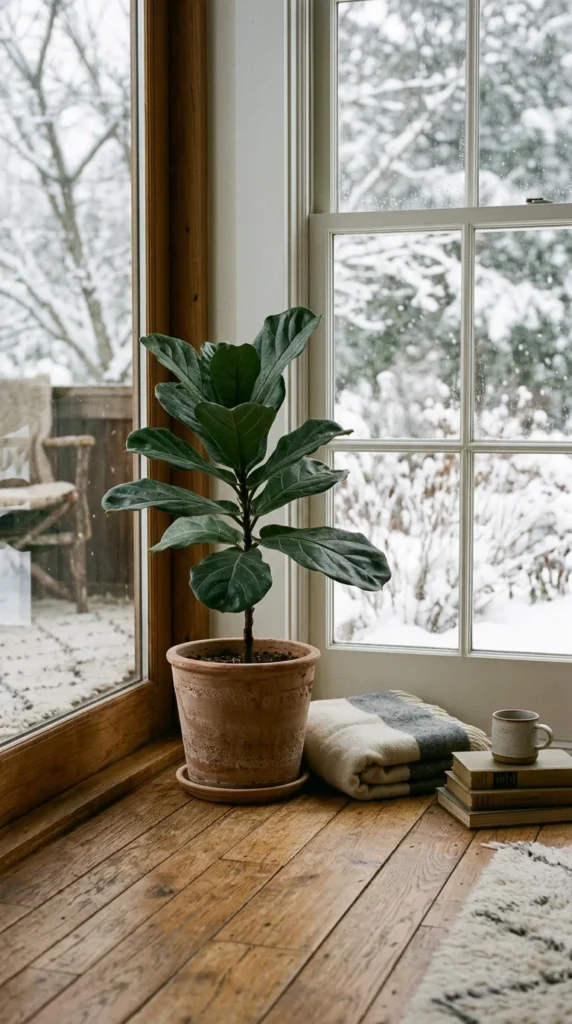
In the winter, the days are shorter and the sun is less intense. Most plants will naturally slow down or stop growing entirely. This is perfectly normal! During this time, they need significantly less water and no fertilizer. If you keep watering them at the same rate you did in July, you will likely drown them. Respect the plant’s “sleep” cycle, and you’ll be rewarded with a burst of new growth when spring arrives.
16. Bottom Watering
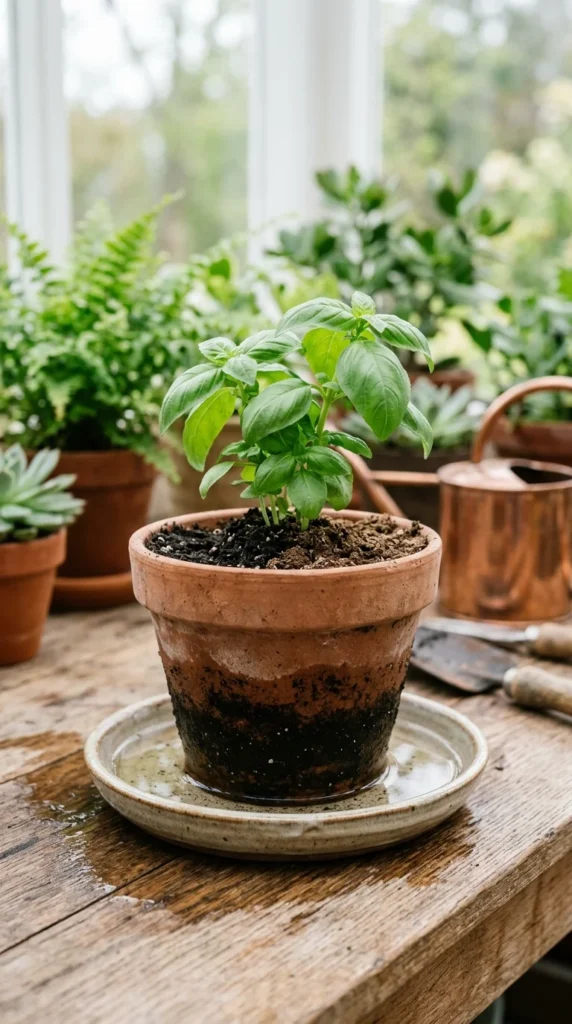
If you find that your soil has become so dry it’s pulling away from the edges of the pot, “top watering” won’t work—the water will just run down the sides and out the bottom. Instead, try bottom watering. Fill a tray or sink with a couple of inches of water and set the pot in it for 20-30 minutes. The soil will act like a sponge, pulling the moisture up to the roots. This also helps prevent fungus gnats, as the top layer of soil stays drier.
17. Inspect Newcomers
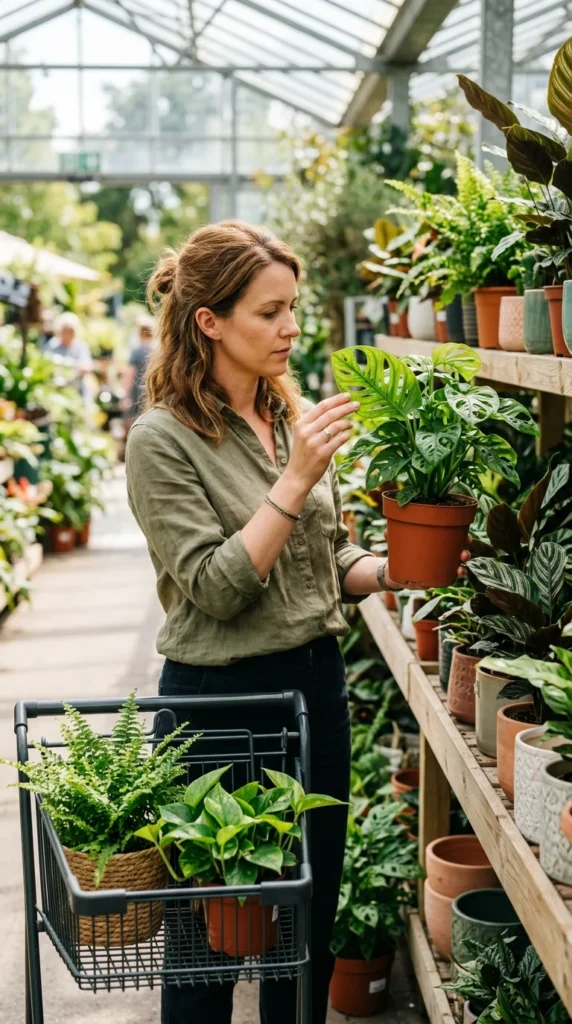
Before you bring a new plant home, give it a “physical.” Look at the soil for crawling bugs and check the leaves for spots or holes. Even if the plant looks healthy, it’s a good idea to “quarantine” it in a separate room away from your other plants for about two weeks. This ensures that if it did bring any hidden hitchhikers home, they won’t infest your entire collection.
18. Practice Patience
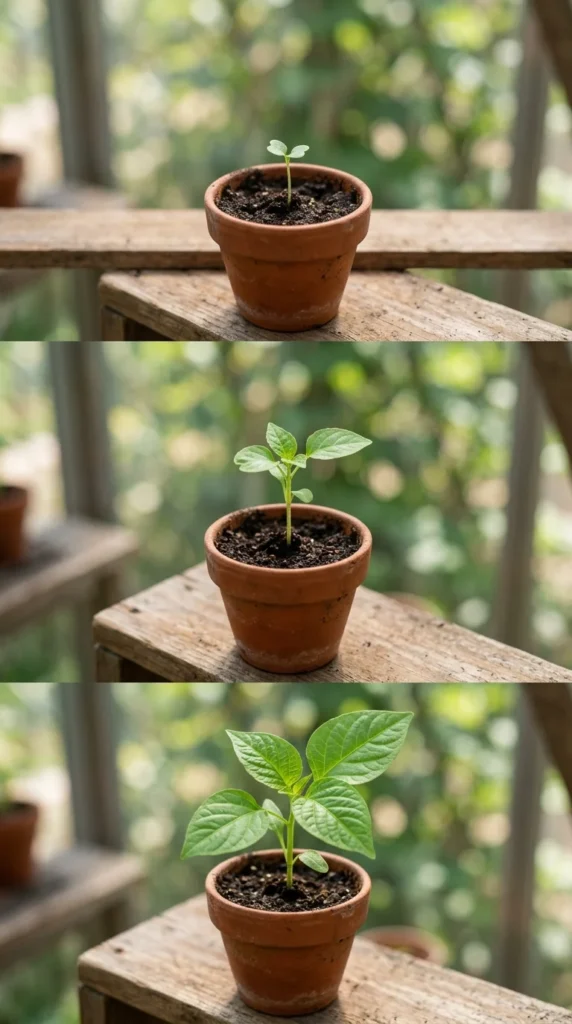
The most important tip is to be patient. You cannot force a plant to grow faster by giving it more water or more food; you will only kill it. Gardening is a slow hobby that rewards observation and consistency. Some plants grow an inch a day, while others might not change for six months. Learn to enjoy the quiet presence of your plants, and don’t panic over every minor blemish. With time, you’ll develop an intuition for what they need.