Gardening is one of the most rewarding hobbies on the planet, providing fresh produce, beautiful blooms, and a therapeutic connection to nature. However, any seasoned gardener will tell you that it can also be a massive drain on both your wallet and your weekend. Between expensive fertilizers, specialty tools, and the constant battle against weeds and pests, the costs and labor can add up quickly.
But what if you could achieve a professional-grade garden using items you already have in your kitchen or recycling bin? From secret soil additives to DIY watering systems, these 11 genius gardening hacks will transform your green space into a high-yielding paradise without breaking the bank.
1. Cardboard Mulch
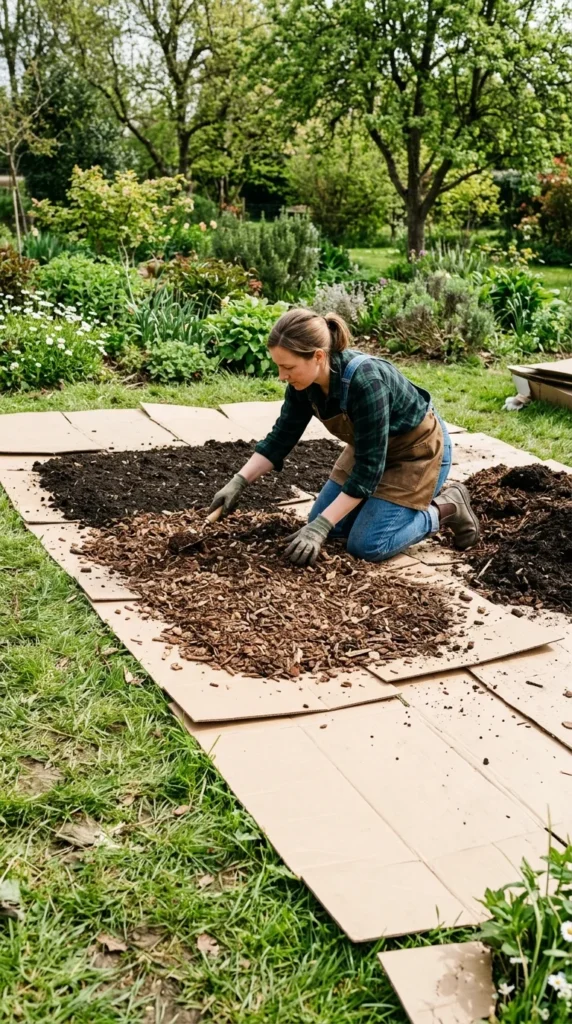
Mulching is essential for moisture retention and weed suppression, but buying bags of cedar bark or straw every season gets pricey. Enter the humble cardboard box. Before you toss your shipping boxes into the recycling bin, strip off the tape and staples. Laying flat sheets of cardboard directly onto your garden beds creates a powerful “smothering” barrier that prevents sunlight from reaching weed seeds.
This technique, often called “sheet mulching,” is a game-changer for starting new beds. Over time, the cardboard decomposes, inviting earthworms to the surface and adding valuable carbon to the soil. Simply cover the cardboard with a thin layer of soil or grass clippings to make it look tidy. It’s a zero-cost way to build soil health while virtually eliminating the need for weeding.
2. Coffee Grounds
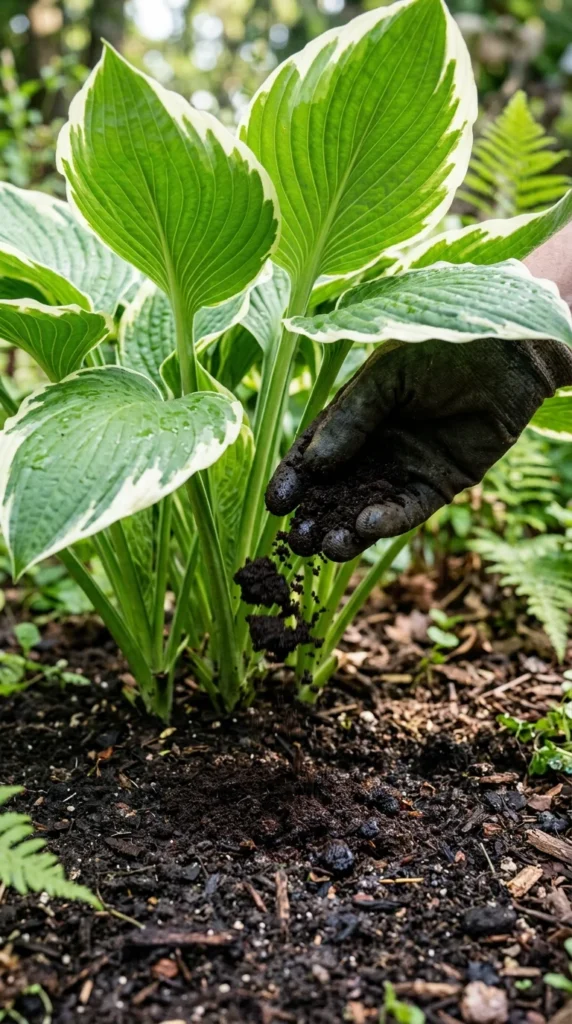
If you’re a daily coffee drinker, you’re sitting on a goldmine of nitrogen. Most nitrogen-rich fertilizers are expensive, but used coffee grounds are free and highly effective. They are slightly acidic, making them perfect for “acid-loving” plants like blueberries, azaleas, roses, and hydrangeas.
Beyond just adding nutrients, the gritty texture of coffee grounds improves soil drainage and aeration. There’s also an added bonus: many gardeners swear that the abrasive nature and scent of the grounds act as a natural deterrent for slugs and snails. Simply sprinkle the cooled grounds around the base of your plants or toss them into your compost pile to speed up the decomposition process.
3. Eggshell Seedlings
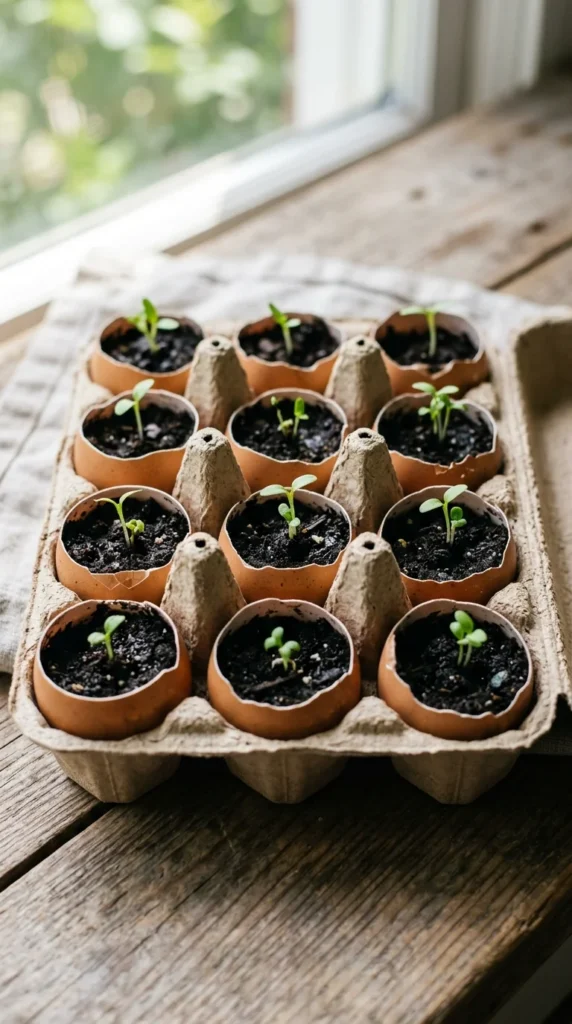
Starting seeds indoors can be a messy and expensive endeavor if you’re buying plastic seed trays every year. Instead, save your eggshells. By carefully cracking the top off an egg, you create a perfect, biodegradable miniature pot. These shells provide a small, controlled environment for seedlings to sprout.
The real genius of this hack happens during transplanting. Eggshells are rich in calcium, an essential nutrient that prevents blossom end rot in tomatoes and peppers. When your seedling is ready for the garden, gently crush the shell and plant the whole thing directly into the ground. The shell will slowly break down, feeding the plant’s roots exactly what they need while eliminating “transplant shock” since the roots are never disturbed.
4. Wine Irrigation
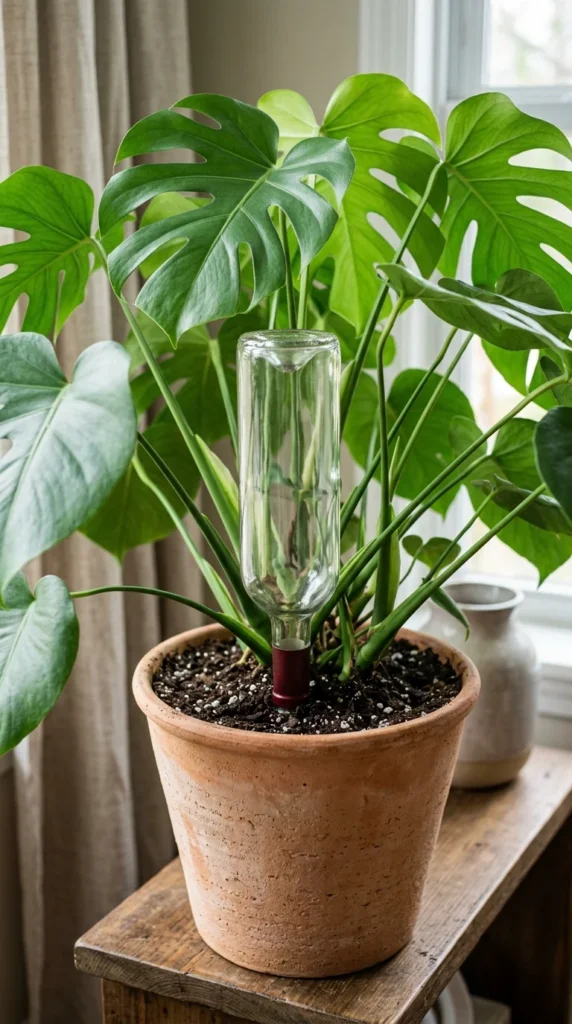
Going away for the weekend or prone to forgetting your watering schedule? You don’t need a high-tech drip irrigation system. An empty wine bottle can serve as a DIY slow-release watering globe. Fill the bottle with water, place your thumb over the opening, and quickly flip it over, plunging the neck several inches deep into the soil near the base of your plant.
As the soil dries out, it will gradually pull water from the bottle. This ensures a steady supply of moisture directly to the root zone, rather than just wetting the surface. It’s an excellent way to keep thirsty plants like tomatoes or large hibiscus hydrated during the peak of summer heat without spending a dime on irrigation equipment.
5. Epsom Salts
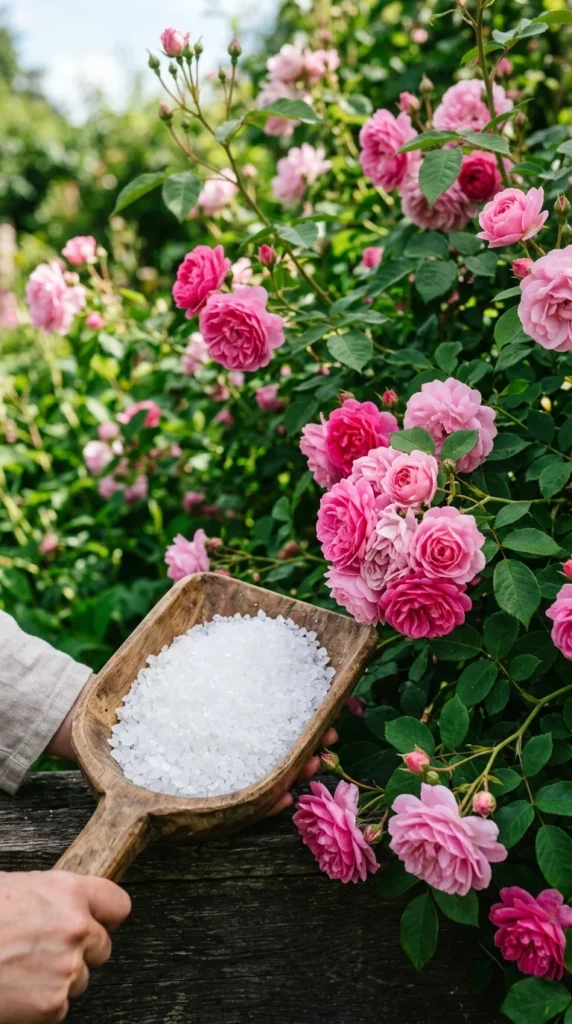
You might keep Epsom salts in the bathroom for a relaxing soak, but your garden loves them just as much. Epsom salt is actually magnesium sulfate, and magnesium is the central atom in the chlorophyll molecule. This means it is vital for photosynthesis and helps plants stay a deep, healthy green.
A tablespoon of Epsom salts dissolved in a gallon of water can work wonders for peppers and roses, which are notorious magnesium-hogs. Sprinkling a little around the base of a plant can result in more flowers, larger fruit, and stronger stems. It’s one of the cheapest “secret weapons” used by competitive gardeners to get that extra edge in growth and color.
6. Plastic Cloches
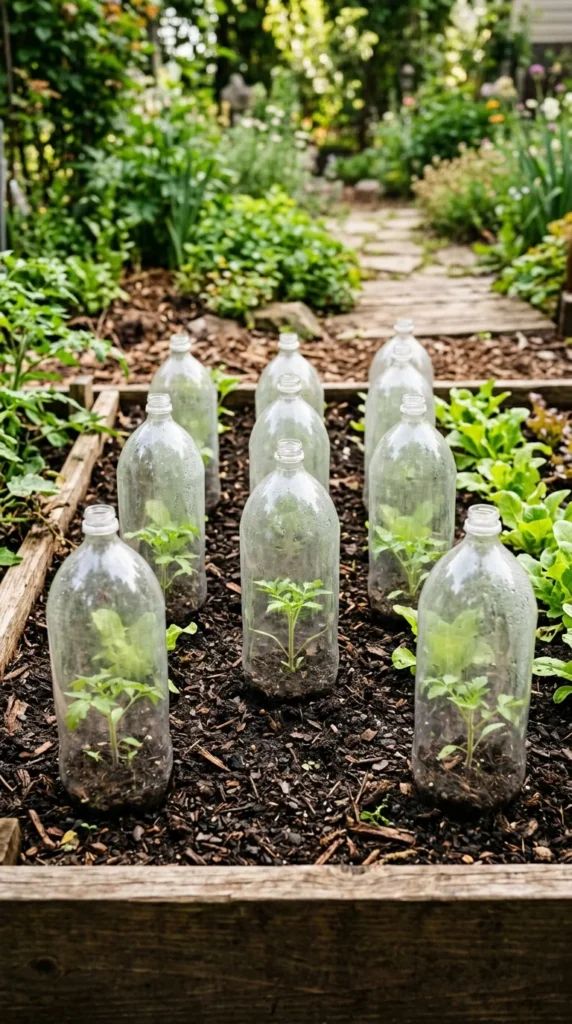
Early spring and late fall are dangerous times for young plants due to unpredictable frosts. Instead of buying expensive glass garden cloches or heavy frost blankets, reach for your plastic recycling. Cutting the bottom off a clear two-liter soda bottle or a gallon milk jug creates a perfect miniature greenhouse.
Place these “cloches” over your young sprouts to trap heat and moisture, protecting them from cold winds and light frost. You can even leave the cap on during cold nights and remove it during the day to allow for ventilation. This hack allows you to start your gardening season weeks earlier and extend it further into the autumn, maximizing your harvest time.
7. Newspaper Pots
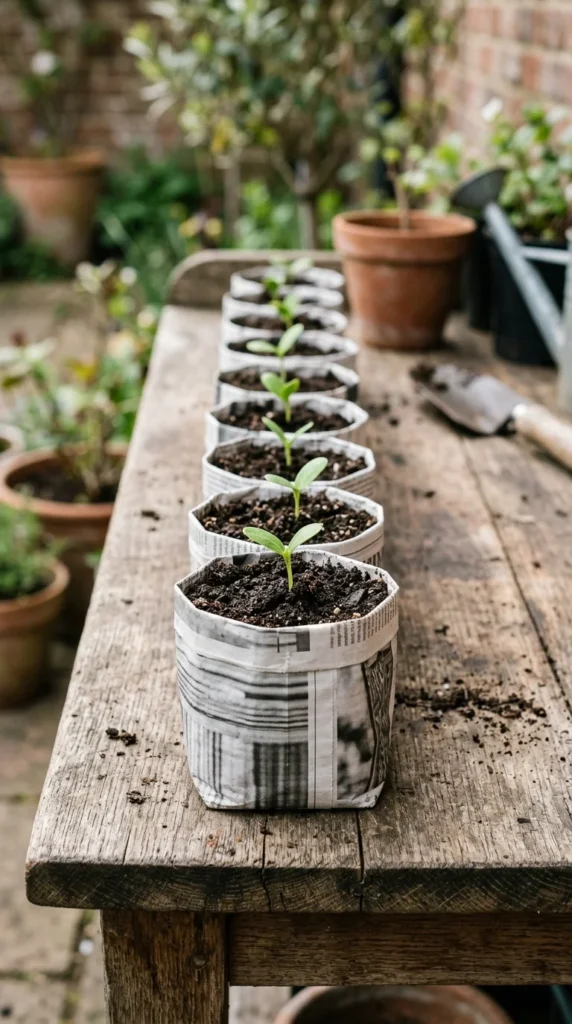
If you don’t have eggshells handy, old newspapers are your next best friend for seed starting. By wrapping strips of newspaper around a small jar or a dedicated “pot maker” tool, you can create sturdy, biodegradable pots. These are far superior to plastic because they allow for better air circulation around the roots.
Like the eggshells, newspaper pots can be planted directly into the garden. The paper will decompose quickly, allowing the roots to grow through into the surrounding soil. This is particularly useful for plants with sensitive root systems, like beans or cucumbers, that usually dislike being moved. It’s a completely free, zero-waste alternative to plastic nursery pots.
8. Vinegar Weeds
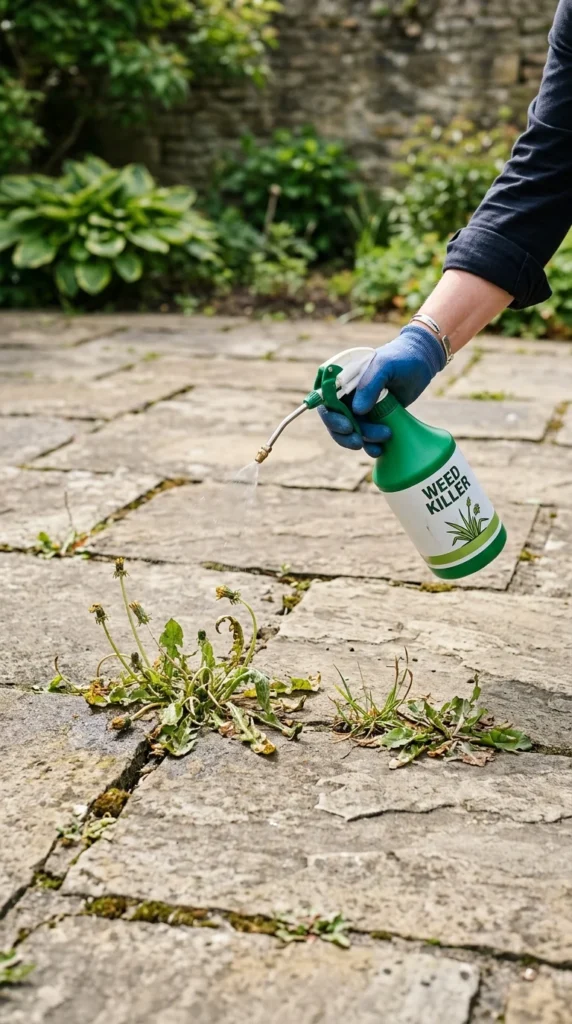
Commercial weed killers are not only expensive but often contain harsh chemicals that many gardeners prefer to avoid. For a DIY alternative that works instantly on weeds in sidewalk cracks or gravel paths, use white vinegar. The acetic acid in vinegar acts as a desiccant, drawing the moisture out of the weed’s leaves and killing it within hours.
To make it even more effective, mix a gallon of white vinegar with a cup of salt and a tablespoon of dish soap. The salt prevents future growth, while the soap helps the mixture “stick” to the leaves. Be careful, though—this mixture is non-selective, meaning it will kill any plant it touches, so use it only in areas where you want nothing to grow.
9. Diaper Hydration
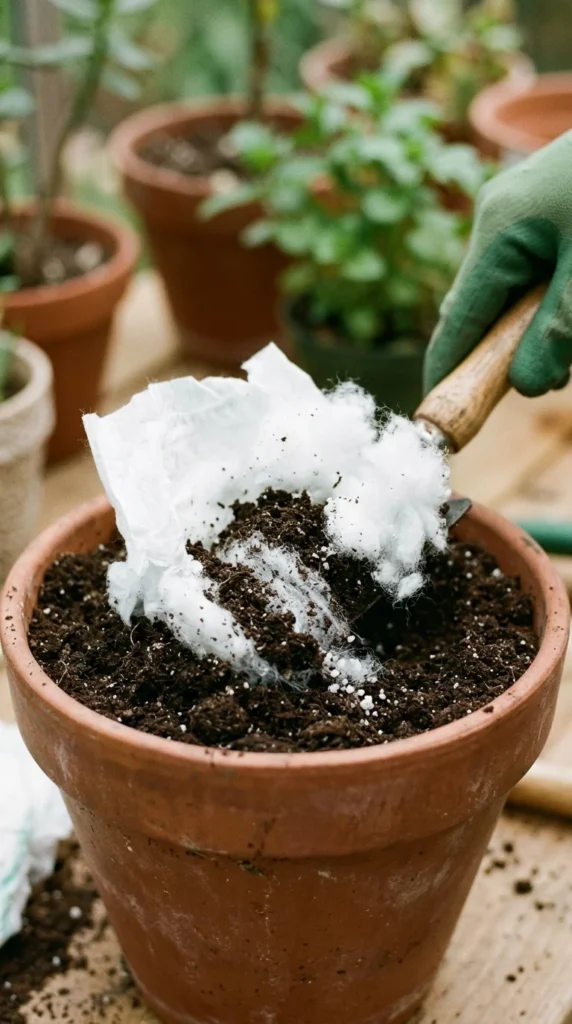
Hanging baskets and container plants are notorious for drying out in record time, often requiring watering twice a day in the summer. A genius way to cut your watering time in half is to use the super-absorbent polymers found in clean diapers. These hydrogels can hold hundreds of times their weight in water.
Simply peel back the lining of a clean diaper, remove the fluff/crystals, and mix them into the bottom half of your potting soil. When you water the plant, these crystals soak up the excess and hold onto it, releasing it slowly back into the soil as it dries. This creates a reservoir of moisture that keeps your flowers vibrant and hydrated even during a heatwave.
10. Cinnamon Powder
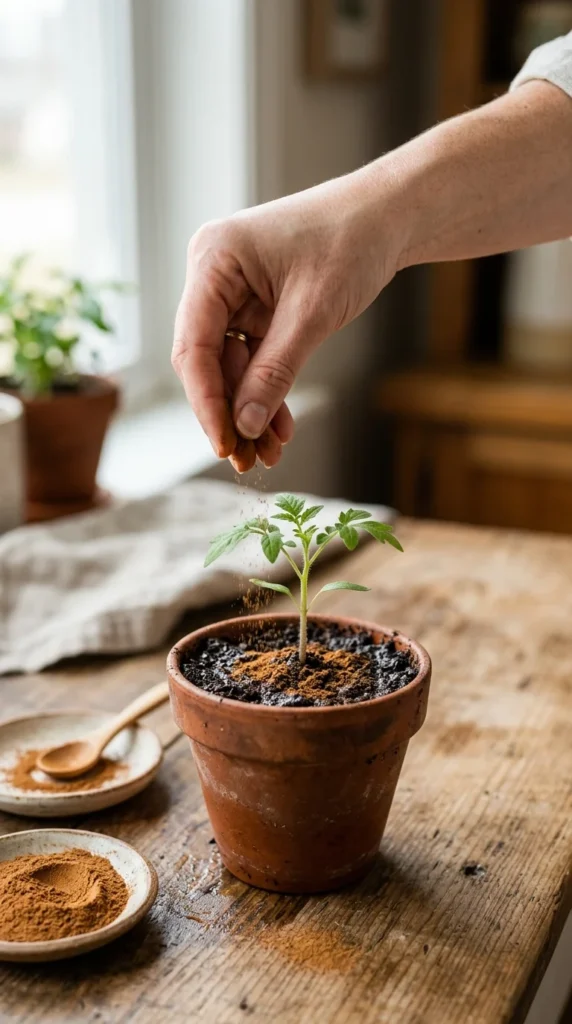
“Damping off” is a common fungal disease that causes young seedlings to collapse and die overnight. It’s heartbreaking to watch your hard work disappear, but the solution is likely sitting in your spice cabinet. Cinnamon is a natural antifungal agent.
By lightly dusting the surface of your seed-starting soil with ground cinnamon, you can prevent the growth of harmful fungi and mold. It’s also effective for “wound healing” on larger plants; if you accidentally snap a branch or prune a limb, a little cinnamon on the cut can prevent infection. It’s a safe, non-toxic, and wonderfully scented way to keep your garden healthy.
11. Fork Deterrent
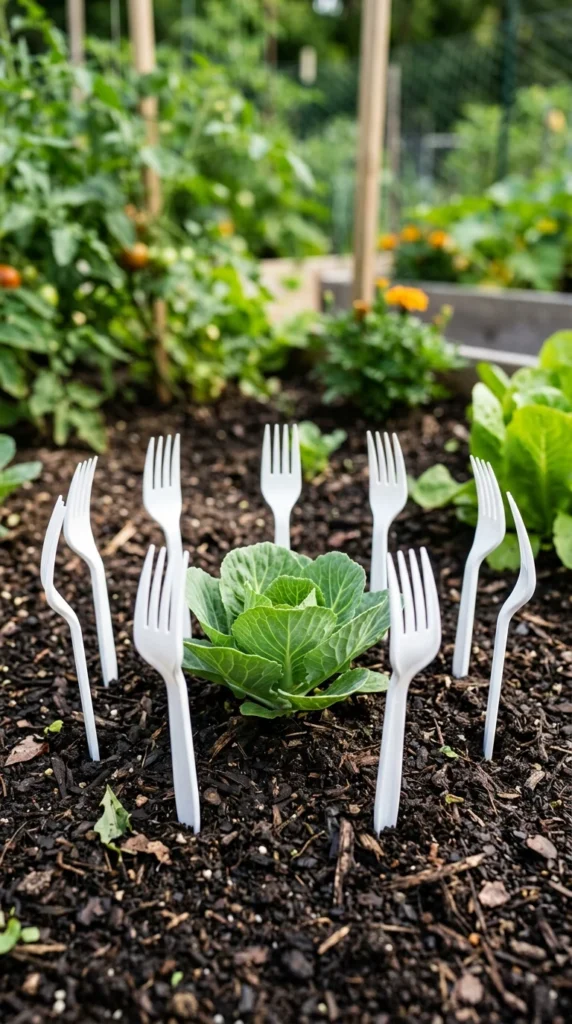
Nothing is more frustrating than finding your freshly planted seeds dug up by squirrels or your young lettuce eaten by rabbits. If you’re tired of local wildlife treating your garden like a buffet, use plastic forks. By sticking them tines-up into the soil around your most vulnerable plants, you create a “bed of nails” effect.
Small animals like squirrels, cats, and rabbits don’t like the feeling of the tines against their paws or bellies, and they will quickly move on to easier targets. It’s an effective, harmless, and incredibly cheap way to protect your crop until the plants are large enough to withstand a little nibbling. Plus, it’s a great way to repurpose leftover picnic cutlery!