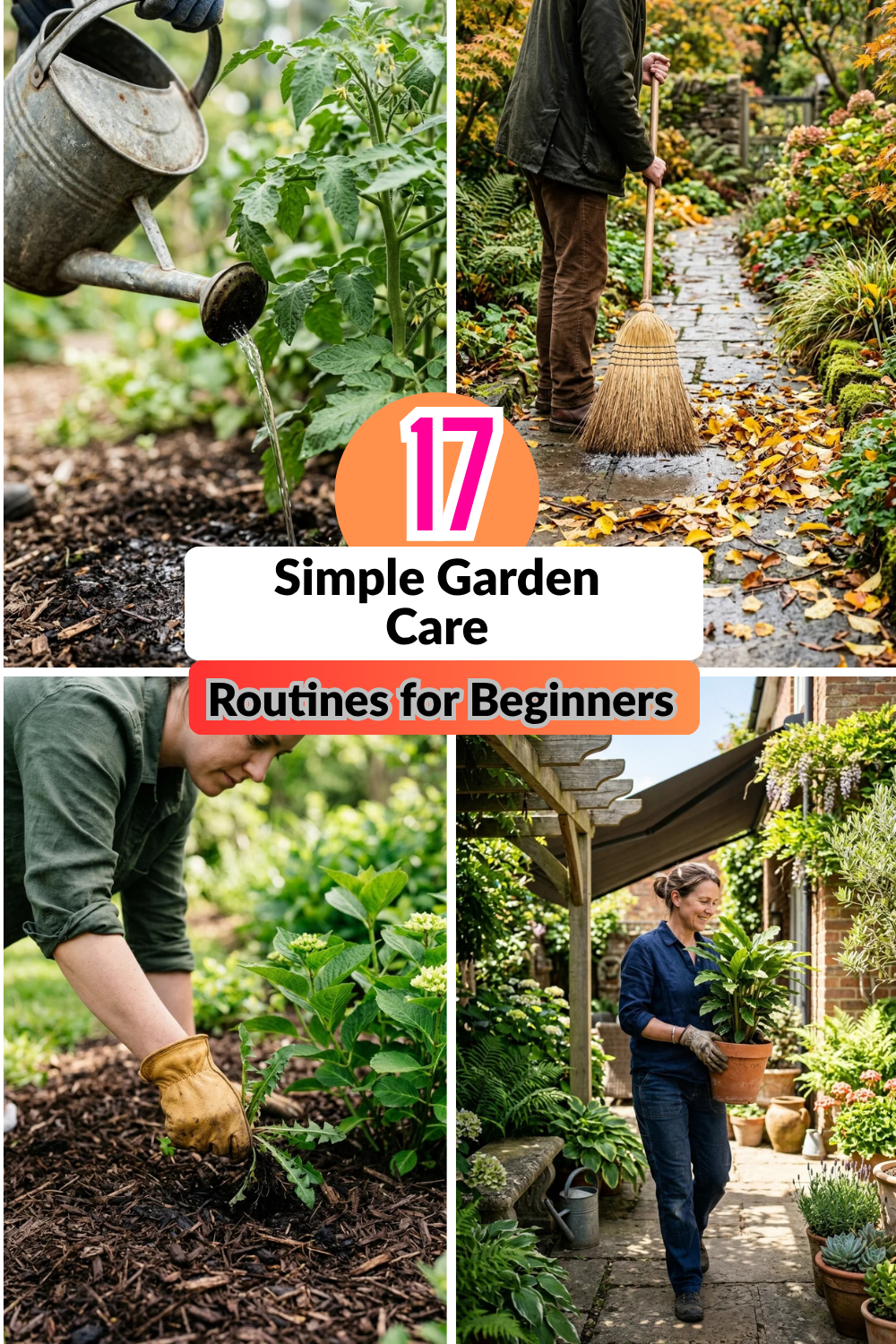
Starting a garden is a journey of patience, discovery, and connection with nature. While the initial planting phase is filled with excitement, the secret to a thriving, Instagram-worthy landscape lies in the rhythm of daily and weekly maintenance. For beginners, the prospect of “garden care” can feel overwhelming, but it doesn’t have to be. By breaking down tasks into simple, bite-sized routines, you can ensure your plants stay healthy without spending every waking hour with a trowel in hand.
Here are 17 essential garden care routines designed to help any novice gardener cultivate a green thumb.
1. Watering
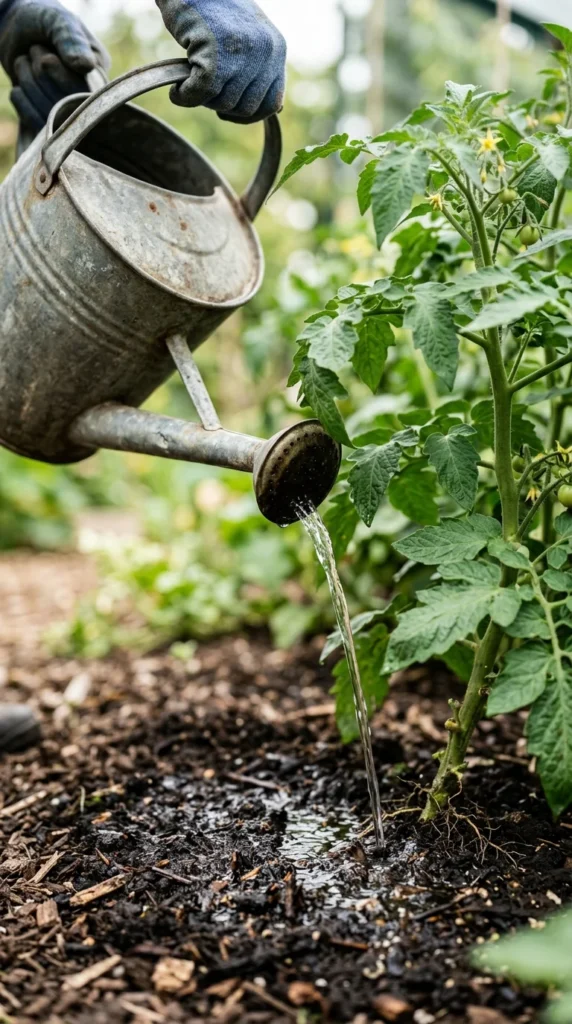
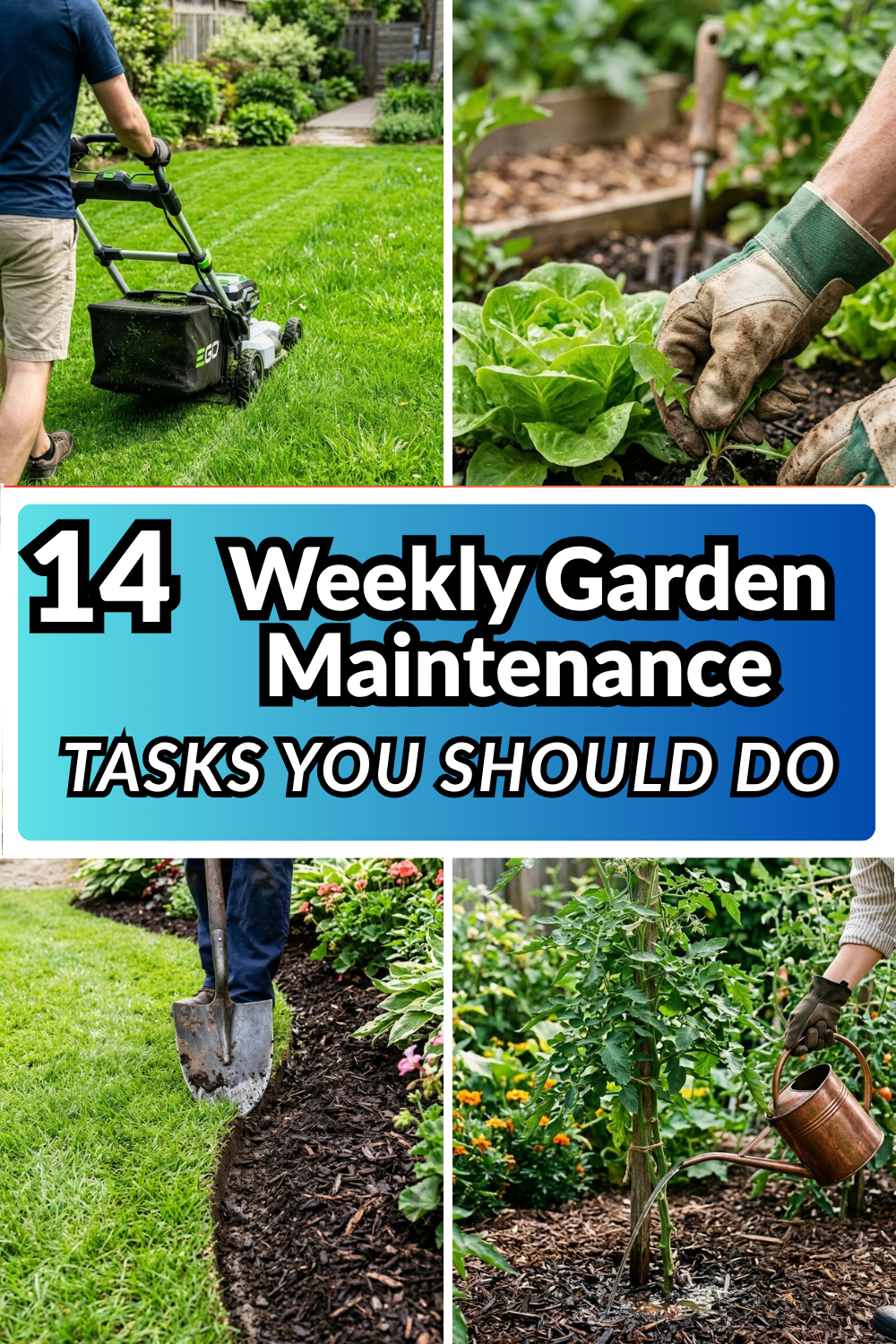
Watering is the heartbeat of your garden. The most common mistake beginners make is watering too often but too shallowly. To encourage strong, deep root systems, it is better to water deeply and less frequently. Aim to water early in the morning when temperatures are cool; this allows the water to soak into the soil before the sun evaporates it and ensures the foliage dries out before evening, reducing the risk of fungal diseases. Always aim the stream at the base of the plant rather than spraying the leaves to keep the root ball hydrated and the canopy dry.
2. Weeding
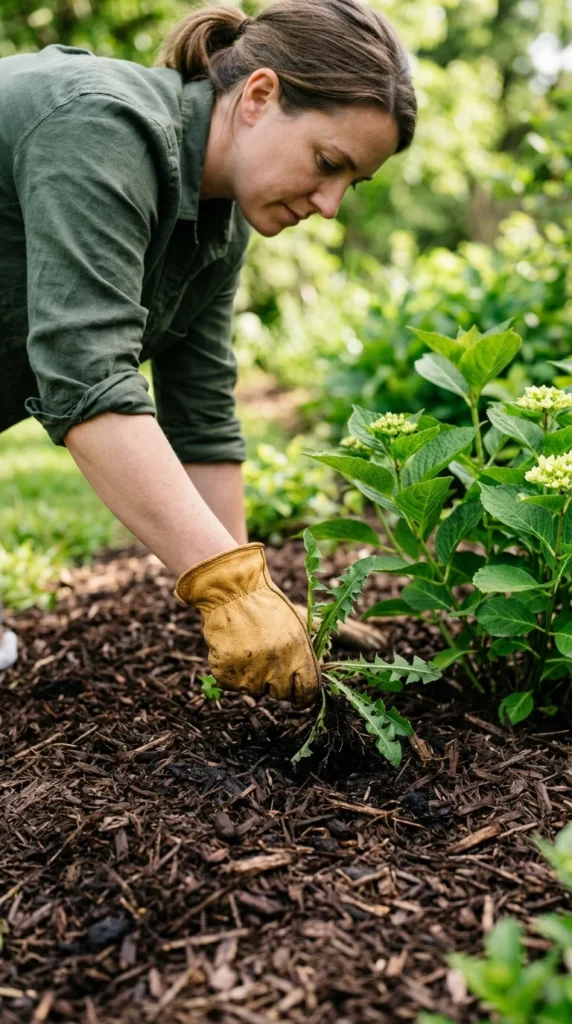
Weeds are more than just an eyesore; they are fierce competitors for nutrients, sunlight, and water. A simple routine of spending 10 minutes a day “patrolling” your garden for weeds can prevent a massive chore later. The best time to weed is right after a rainstorm when the soil is soft and pliable, making it easier to pull the entire root system out. If you leave the roots behind, many weeds will simply regrow, so be thorough and persistent.
3. Inspection
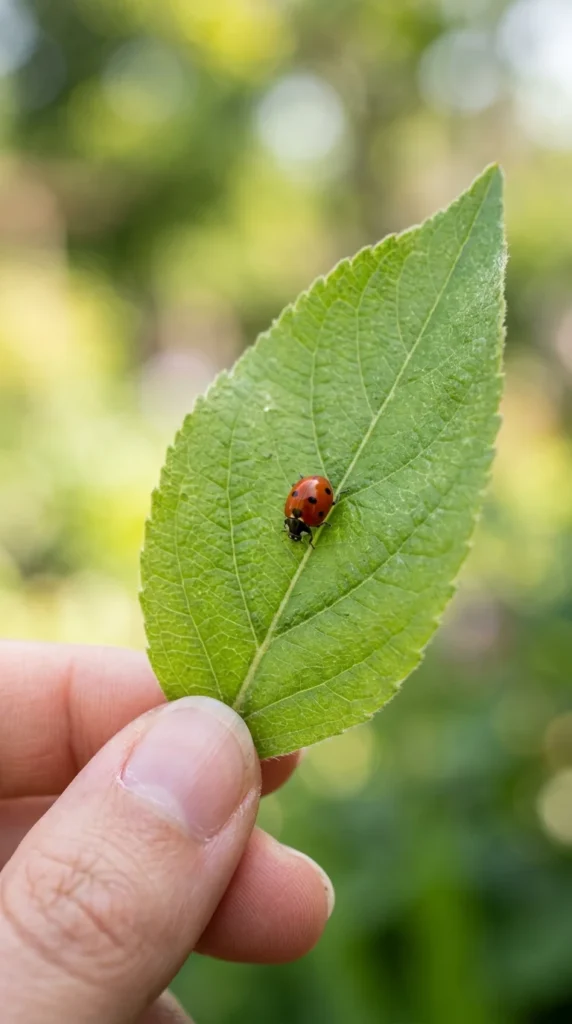
Think of yourself as a garden detective. Spend a few minutes every couple of days looking closely at your plants. Flip over leaves to check for tiny insect eggs, look for yellowing or spotting that might indicate disease, and check for signs of chew marks. Early detection is the difference between a minor nuisance and a total crop failure. By catching a pest infestation or a fungal outbreak early, you can often manage it with organic sprays or manual removal before it spreads to the rest of the garden.
4. Mulching
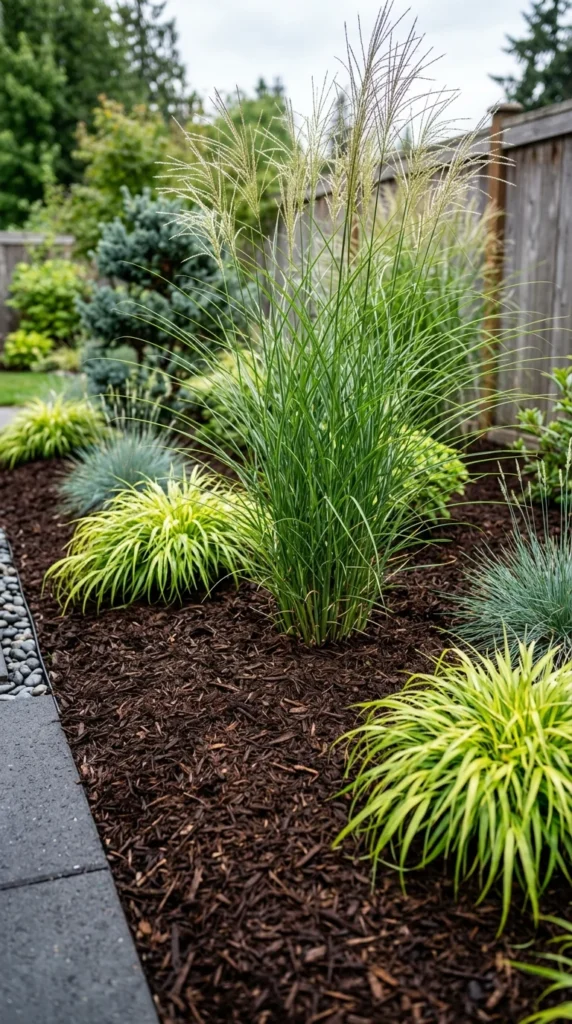
Mulch is the “blanket” of the garden. Applying a two-to-three-inch layer of organic material—like wood chips, straw, or shredded leaves—around your plants serves multiple purposes. It suppresses weed growth, regulates soil temperature, and, most importantly, retains moisture in the soil. As the mulch breaks down over time, it also adds valuable organic matter back into the earth, improving the soil structure for future growing seasons.
5. Composting
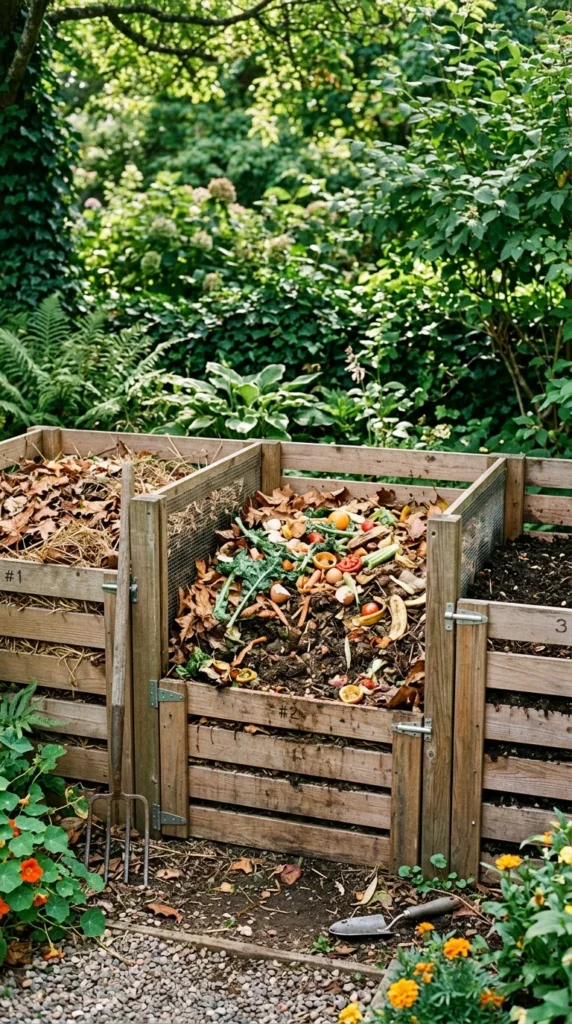
Gardening is a circular process, and composting is where the magic happens. Instead of throwing away kitchen scraps like vegetable peelings and coffee grounds, start a small compost pile or bin. Turning your compost once a week aerates the pile, speeding up the decomposition process. Within a few months, you’ll have “black gold”—a nutrient-rich soil amendment that you can add to your garden beds to give your plants a natural boost without the need for synthetic chemicals.
6. Fertilizing
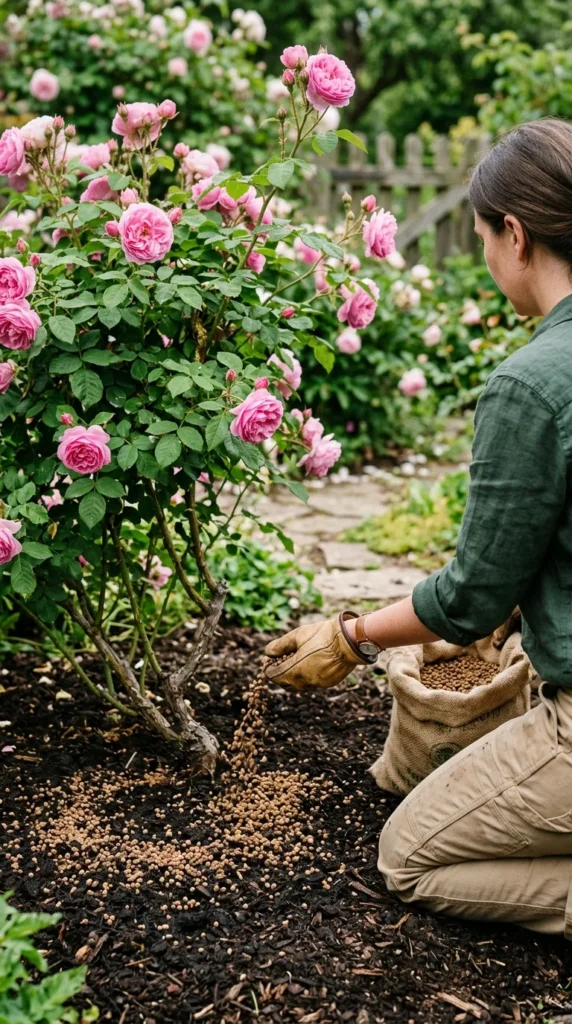
While good soil is the foundation, most plants benefit from a supplemental “snack” during the peak growing season. Beginners should start with a balanced, slow-release organic fertilizer. Different plants have different needs—leafy greens love nitrogen, while flowering plants need phosphorus. Establishing a routine of feeding your plants every 4 to 6 weeks (depending on the product instructions) ensures they have the energy to produce lush foliage and abundant blooms.
7. Deadheading
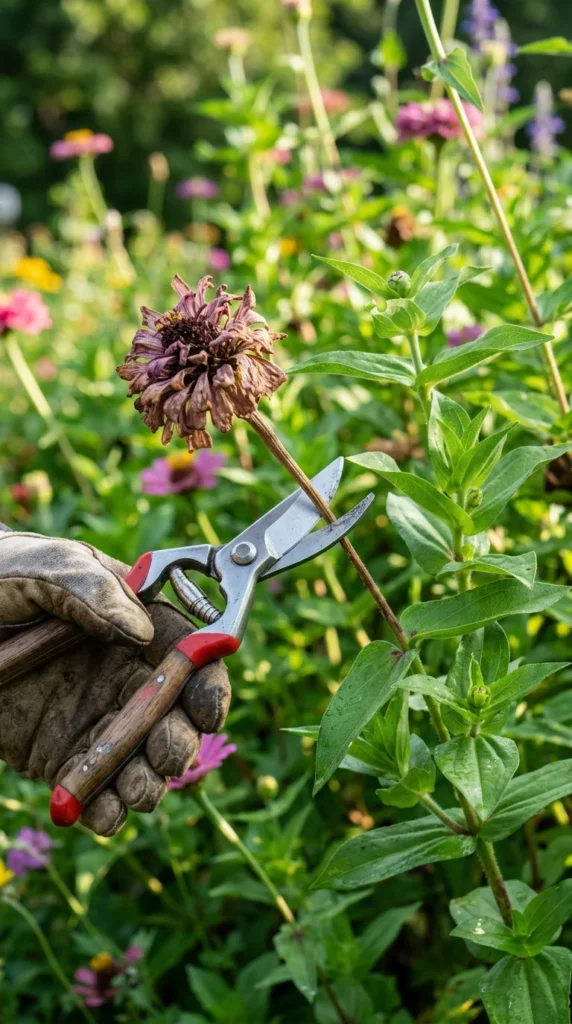
Deadheading is the process of removing faded or spent flowers. It’s not just about aesthetics; it’s a biological trick. When a flower fades, the plant begins to put its energy into producing seeds. By snipping off the dead blooms, you signal to the plant that it hasn’t finished its job yet, encouraging it to produce a second or even third flush of flowers. This simple routine keeps your garden looking fresh and extends the blooming season significantly.
8. Pruning
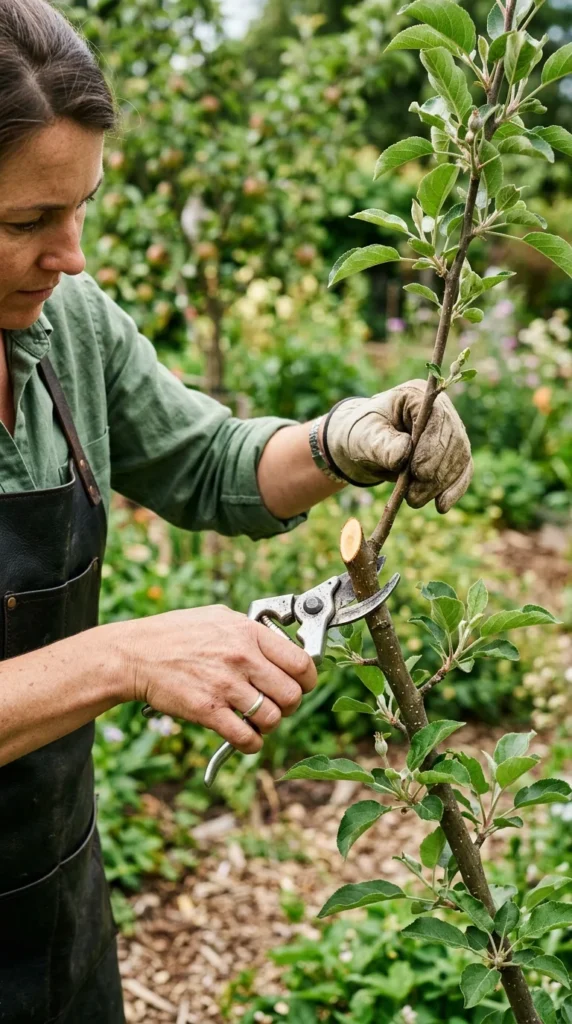
Pruning can feel intimidating to a beginner, but it is essential for the long-term health of many plants, especially perennials and shrubs. The goal is to remove the “three Ds”: dead, damaged, or diseased wood. Regular pruning improves air circulation throughout the plant’s canopy, which prevents disease, and allows sunlight to reach the inner branches. Always use sharp, clean tools to make precise cuts that heal quickly.
9. Staking
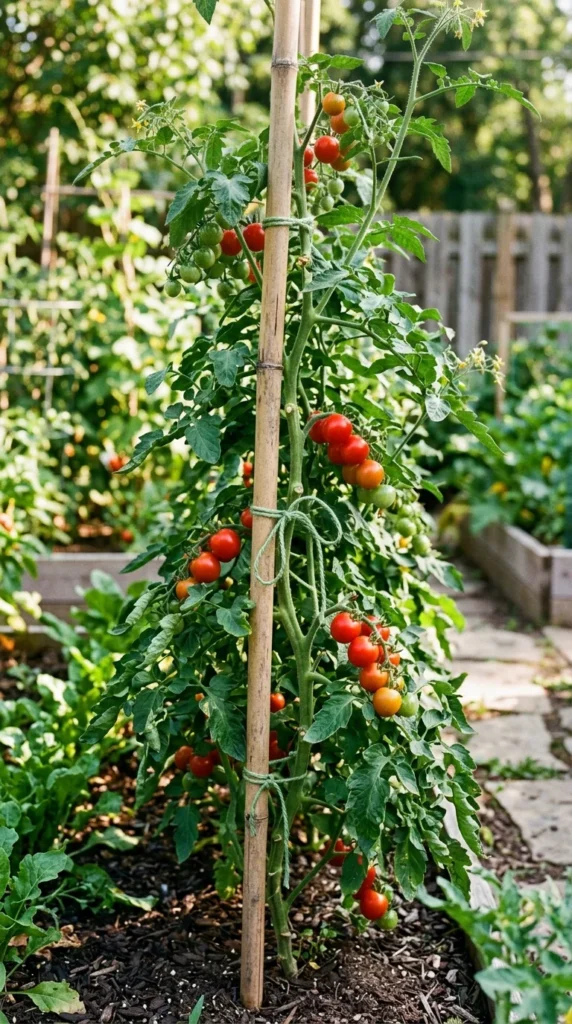
As plants grow, they can become top-heavy, especially those that produce heavy fruit or tall, slender flowers like delphiniums or tomatoes. Establishing a routine of checking your tall plants and providing support early prevents them from snapping during a summer storm. Use soft ties or garden twine to secure stems to stakes or trellises, leaving enough room for the stem to thicken as the plant matures.
10. Cleaning
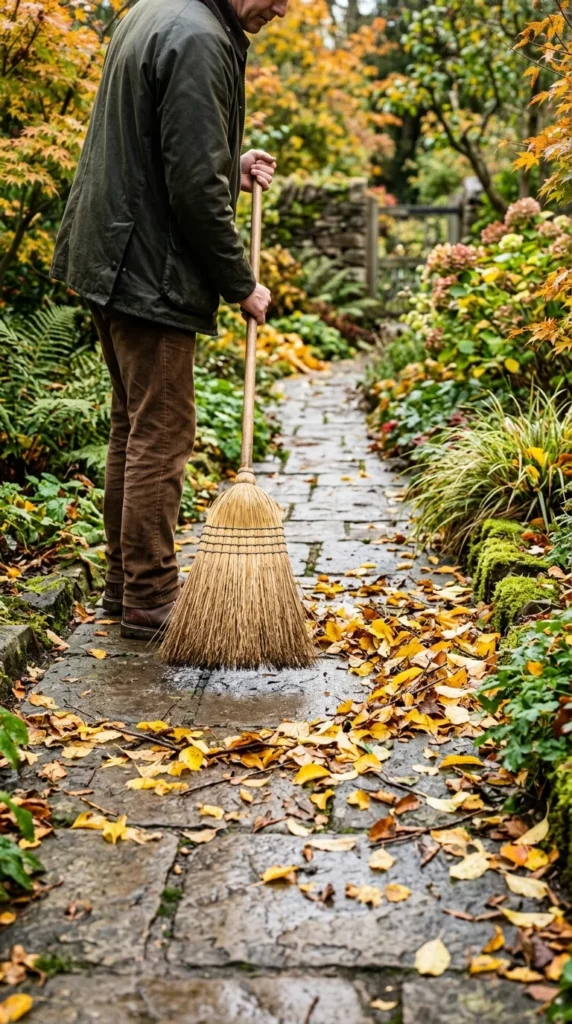
A tidy garden is a healthy garden. Fallen leaves, rotting fruit, and garden debris can provide a breeding ground for pests and diseases. Make it a habit to clear away any plant material that falls to the ground. This is especially important at the end of the season or after a storm. By keeping your garden beds and paths clean, you minimize the chances of spores and insects overwintering and attacking your plants next spring.
11. Aerating
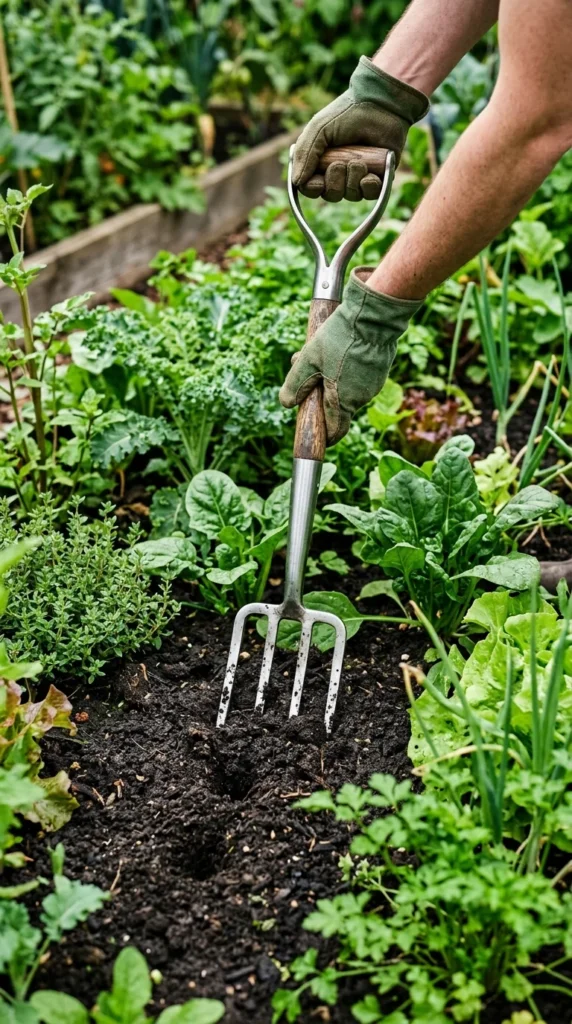
Over time, garden soil can become compacted, especially in high-traffic areas or heavy clay soils. Compacted soil prevents oxygen, water, and nutrients from reaching the roots. You don’t need fancy machinery; simply taking a garden fork and gently poking holes into the soil around your plants (taking care not to damage the roots) can make a world of difference. This “breathing room” allows the soil ecosystem to thrive.
12. Edging
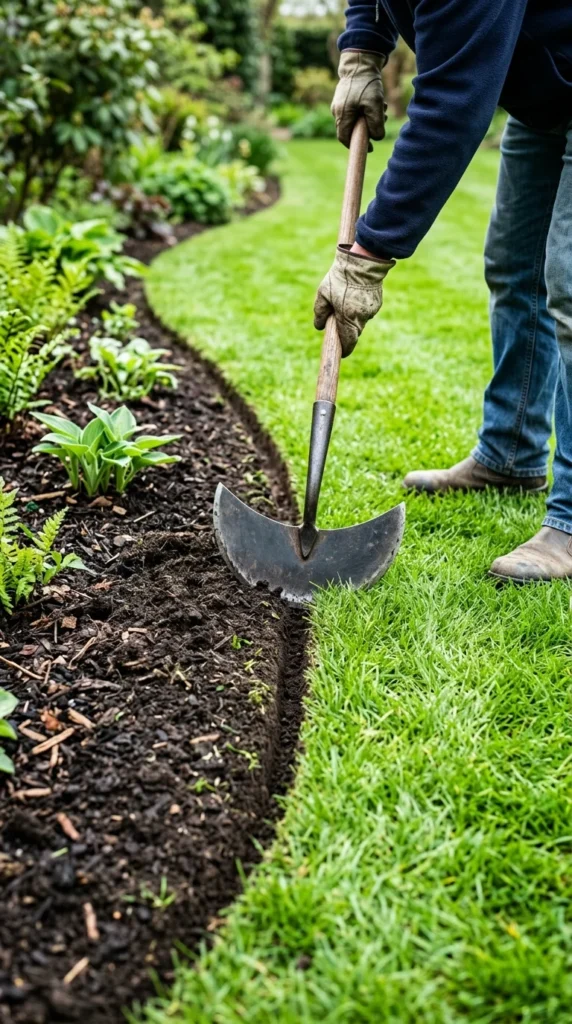
Edging is the “haircut” of the garden. It provides a clean, professional look by defining the boundary between your lawn and your garden beds. While it is mostly aesthetic, it also serves a practical purpose: it prevents grass roots from creeping into your flower beds and stealing nutrients. A quick pass with an edger or a sharp spade every few weeks keeps your garden looking intentional and well-maintained.
13. Journaling

One of the best routines a beginner can adopt is keeping a garden journal. Document when you planted certain seeds, what the weather was like, when the first pests appeared, and which plants thrived or struggled. Over time, this journal becomes your most valuable tool, allowing you to learn from your mistakes and replicate your successes. Gardening is a long-term learning experience, and your notes are your best teacher.
14. Adjusting
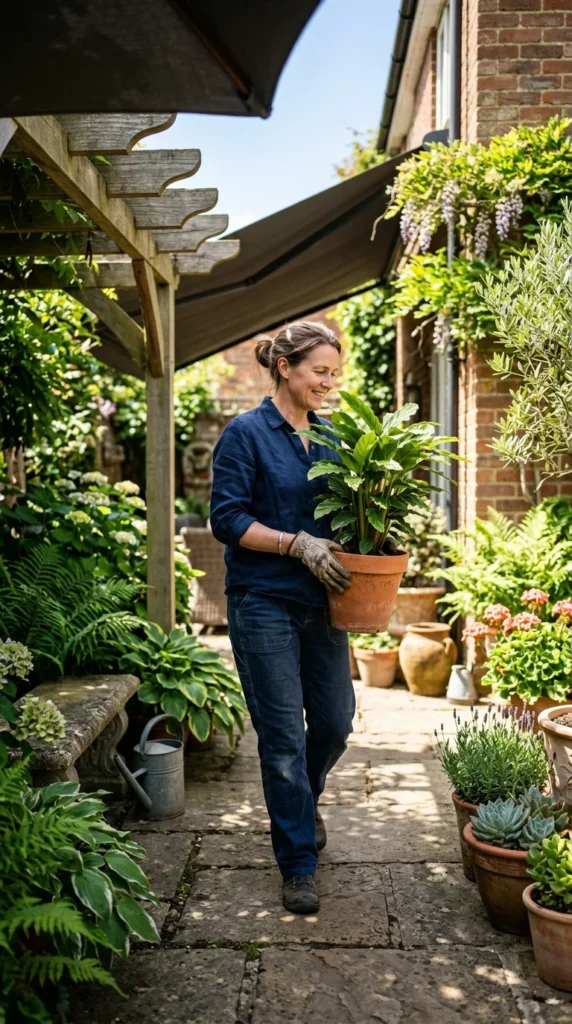
Plants are living things that react to their environment. As the seasons shift, the angle of the sun changes and temperatures fluctuate. A routine of observing how your plants are reacting to their placement is vital. If a “sun-loving” plant looks scorched in July, it may need some temporary shade. If a plant is leaning heavily toward the light, it might need to be moved. Being flexible and willing to adjust your garden’s layout ensures that every plant is in its “happy place.”
15. Harvesting
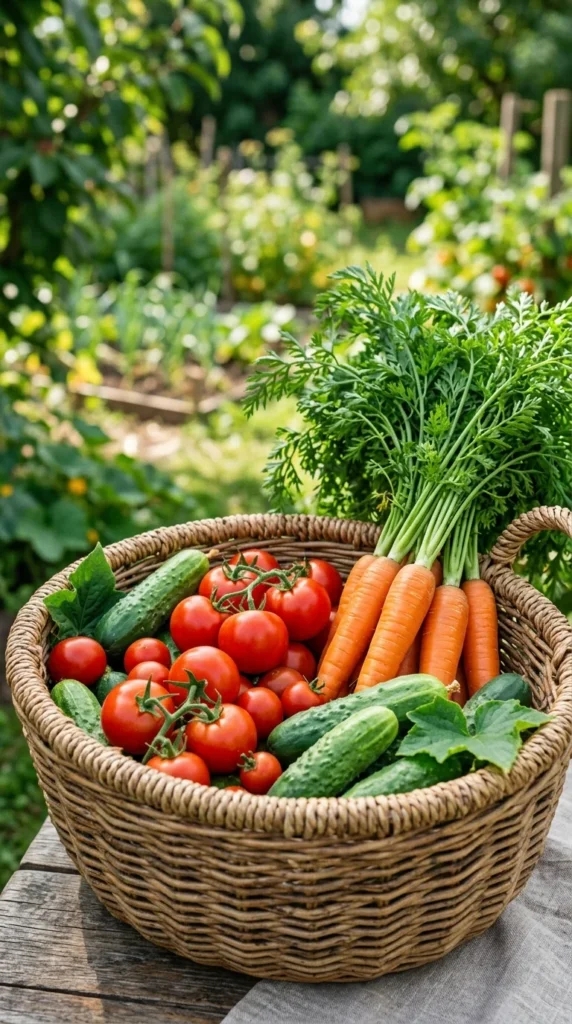
For those growing vegetables or herbs, harvesting is the ultimate reward—but it’s also a maintenance task. Many plants, like zucchini, beans, and peppers, will stop producing if the fruit is left on the vine for too long. By harvesting frequently, you encourage the plant to continue producing more. Plus, young vegetables usually have the best flavor and texture. Check your garden daily during the peak of summer to ensure nothing goes to waste.
16. Tool Care
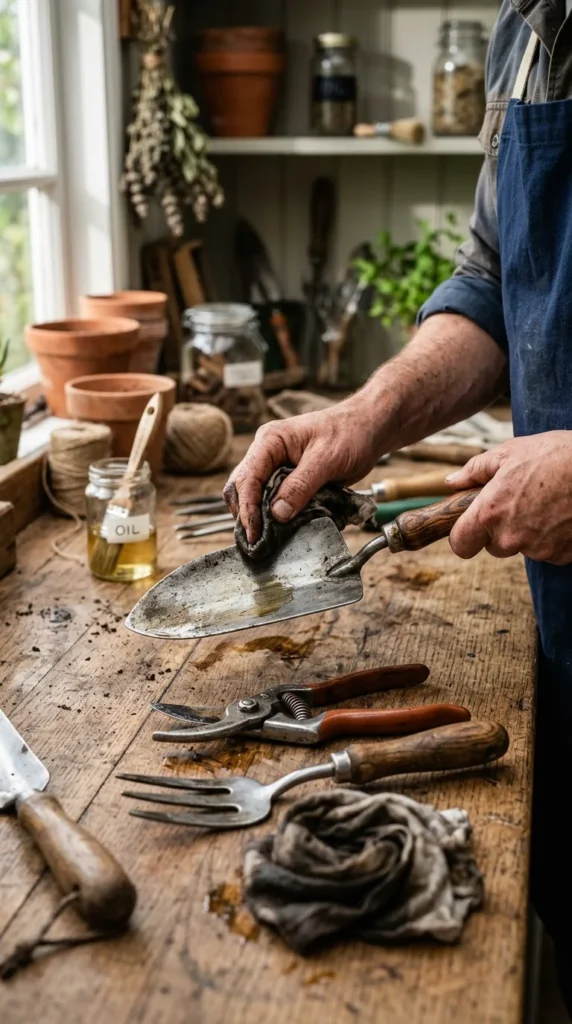
Your tools are your partners in the garden. Leaving them out in the rain or caked in mud will cause them to rust and dull quickly. Develop a routine of cleaning your tools after every use. A quick spray with a hose to remove dirt, followed by a wipe-down with a dry cloth, is usually enough. Periodically, you should sharpen your blades and oil the metal parts to ensure they remain effective and last for years to come.
17. Pot Maintenance
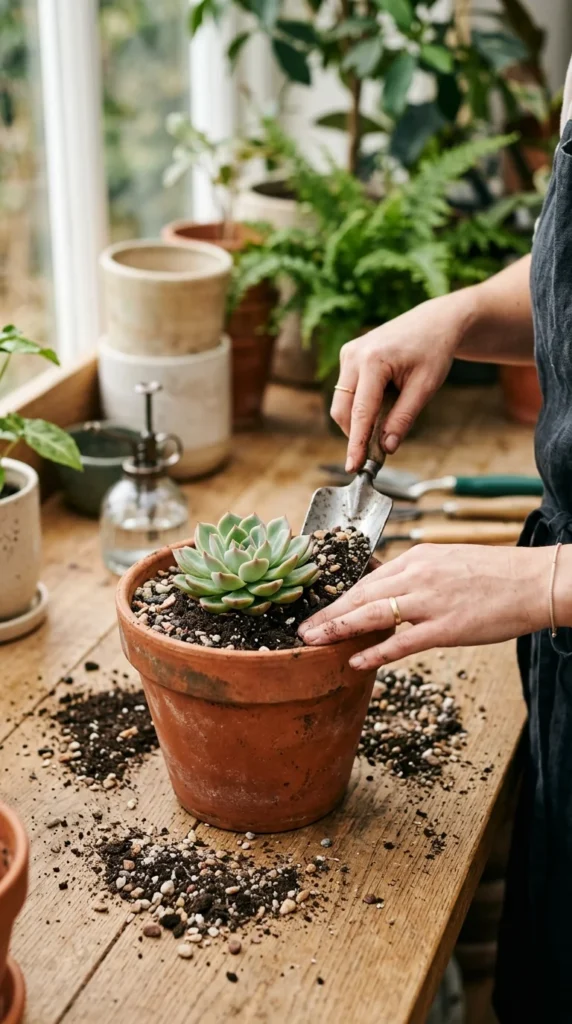
If you have a container garden, the plants rely entirely on you for their survival. Soil in pots can become “spent” and lose its nutrients more quickly than ground soil. A simple routine for pot maintenance includes checking the drainage holes to ensure they aren’t clogged, refreshing the top inch of soil with fresh compost every season, and rotating the pots occasionally so all sides of the plant receive equal sunlight.