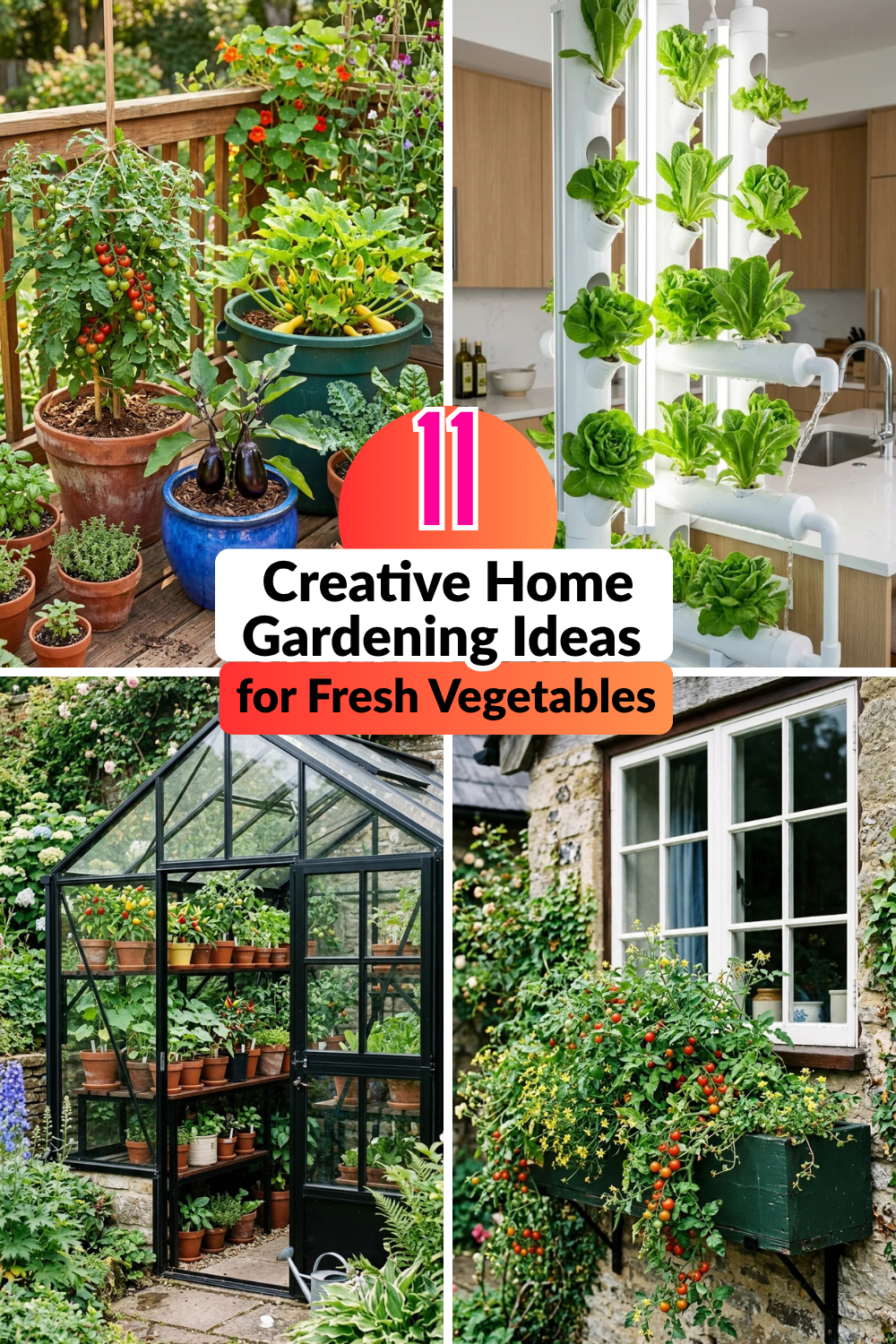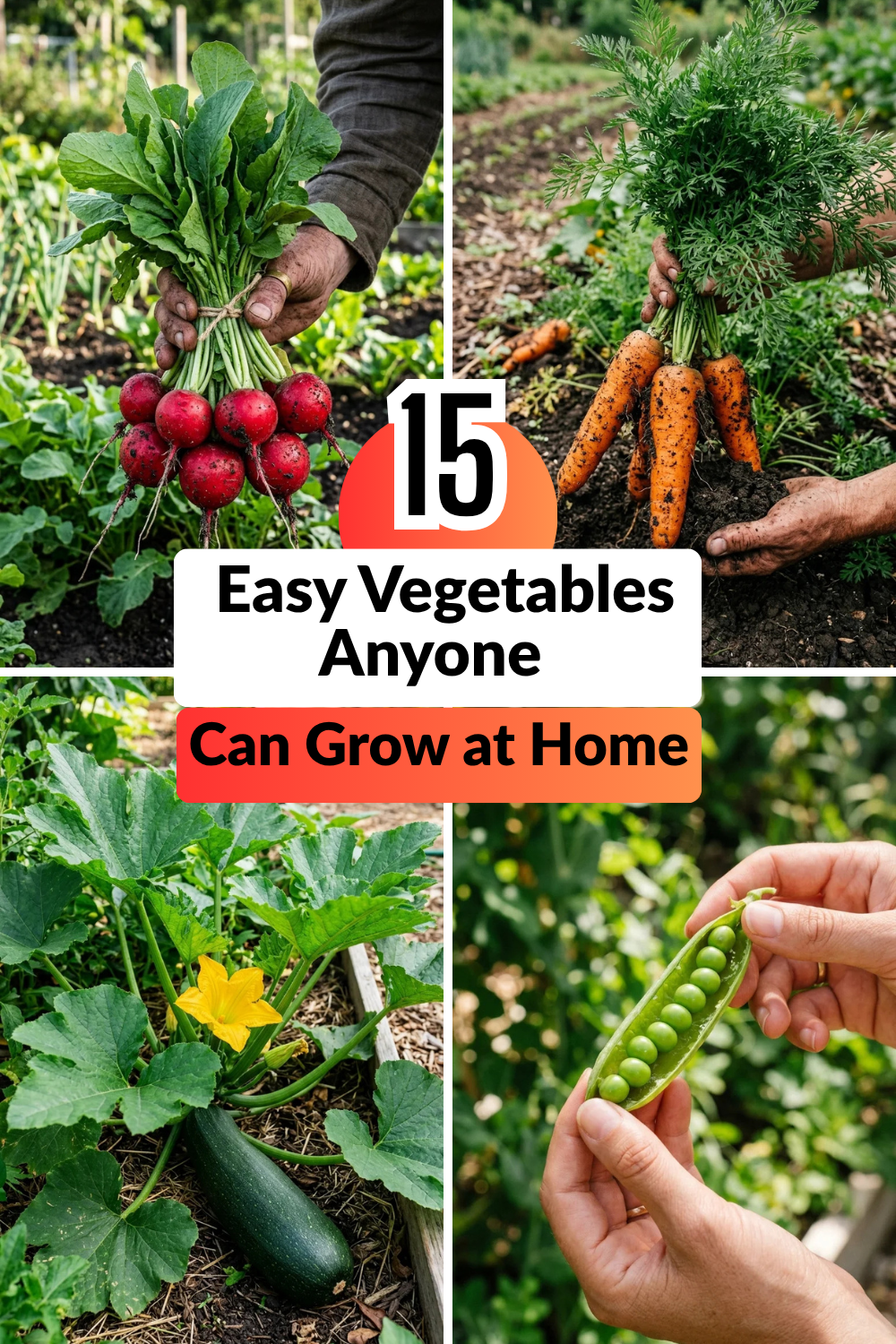
There is something undeniably magical about stepping into your own backyard—or even onto a small balcony—and harvesting dinner. Home gardening has seen a massive resurgence, and for good reason. Not only do homegrown vegetables taste exponentially better than their grocery store counterparts, but gardening also offers a therapeutic escape from the digital world.
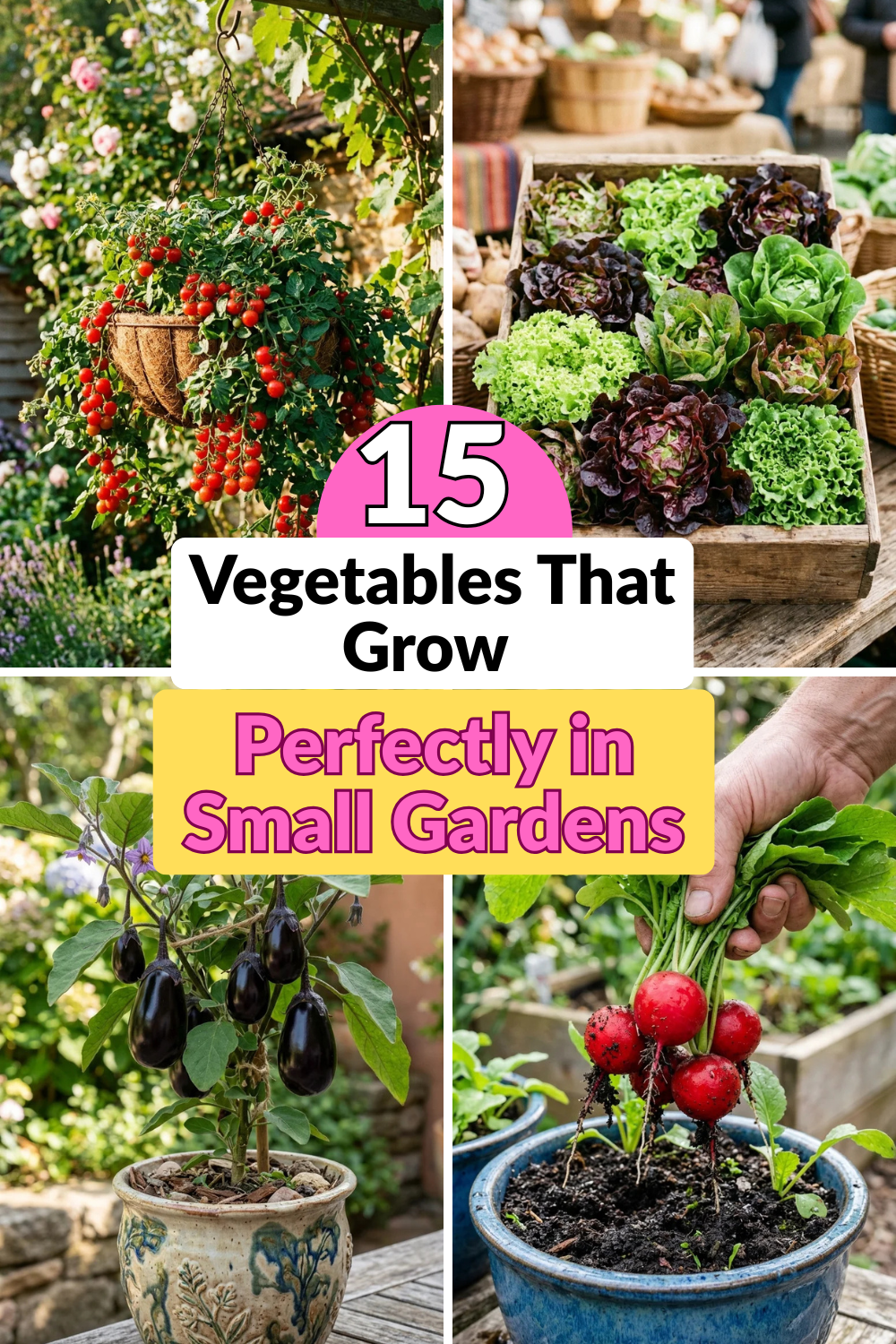
If you have ever felt intimidated by the idea of a “green thumb,” take heart. You don’t need a degree in horticulture to produce a bountiful harvest. Many vegetables are surprisingly resilient, requiring little more than decent soil, some sunlight, and a bit of water. Here are 15 of the easiest vegetables that anyone, regardless of experience level, can grow at home.
1. Lettuce
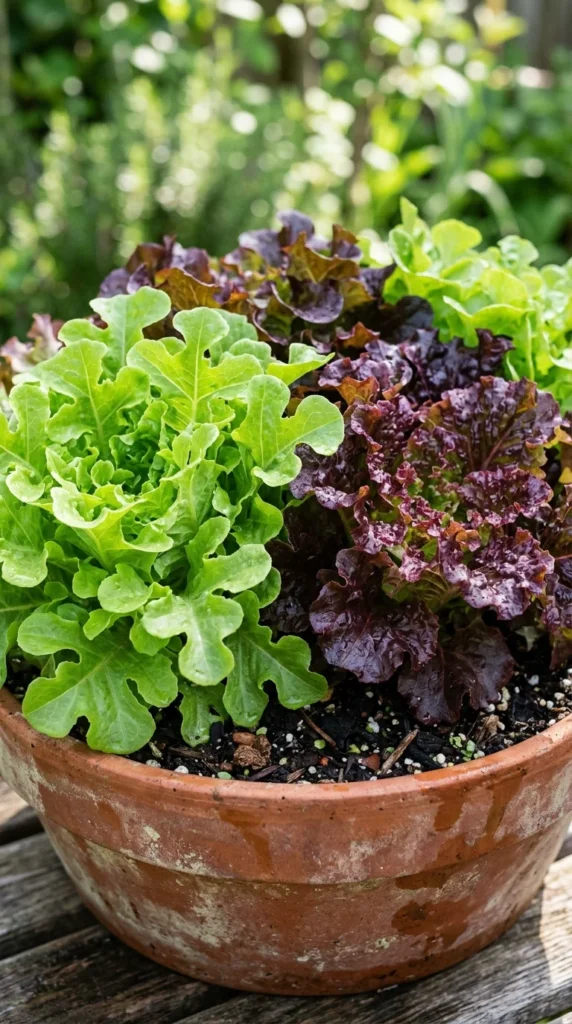
Lettuce is the ultimate starter crop. It grows incredibly fast, thrives in containers, and can even tolerate a bit of shade, which is rare for vegetables. Because it has shallow roots, you don’t need deep garden beds; a simple window box will suffice.
The “cut-and-come-again” varieties are particularly rewarding. Instead of waiting for a full head to form, you can snip off the outer leaves as needed, and the plant will continue to produce throughout the season. Lettuce prefers cooler temperatures, making it the perfect choice for early spring or late autumn planting.
2. Radishes
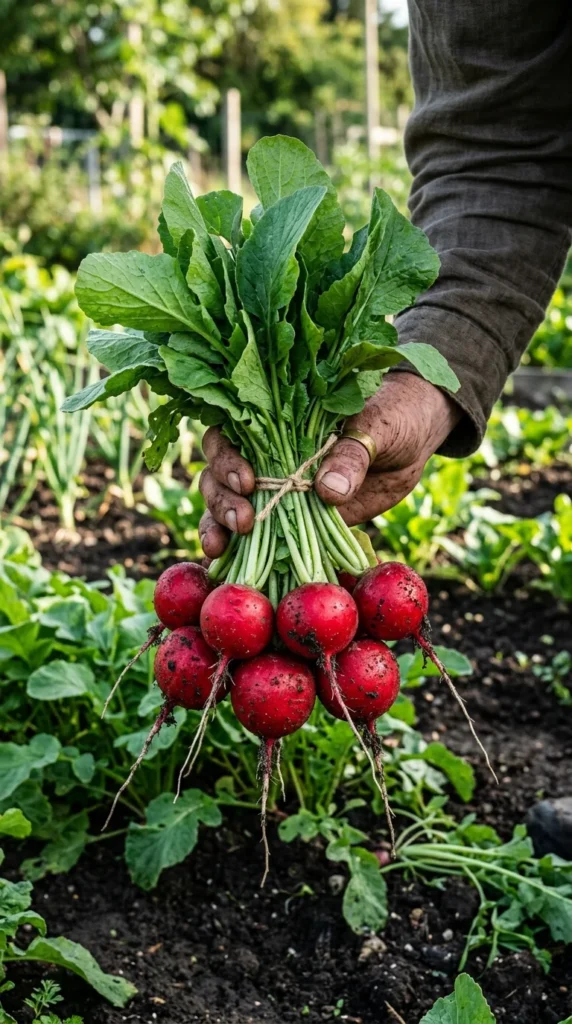
If you are looking for instant gratification, radishes are your best friend. Some varieties can go from seed to table in as little as 25 to 30 days. Because they grow so quickly, they are the perfect vegetable for gardening with children, who might lose interest in plants that take months to mature.
Radishes are tough and rarely suffer from pests or diseases. They enjoy loose, well-drained soil. If the soil is too rocky or compacted, the roots may become misshapen, but they will still taste delicious. Simply poke a small hole in the dirt, drop a seed, and keep the soil moist.
3. Carrots
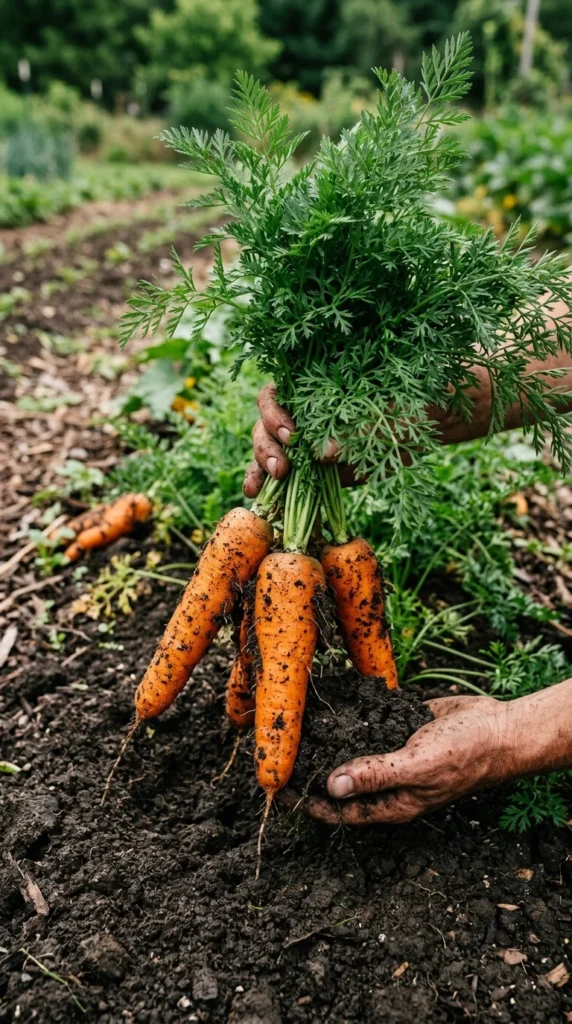
While many people think carrots are difficult, the secret lies entirely in the soil. As long as your soil is sandy, loose, and free of large stones, carrots will grow themselves. If you have heavy clay soil, don’t worry—you can grow shorter, rounder varieties or use a raised bed with store-bought garden mix.
Carrots are a “sow and wait” crop. Once you plant the seeds, they take a bit longer to germinate than radishes, but once the feathery green tops appear, they require very little maintenance. The reward of pulling a perfectly orange, crunchy carrot out of the ground is one of the most satisfying experiences in gardening.
4. Zucchini
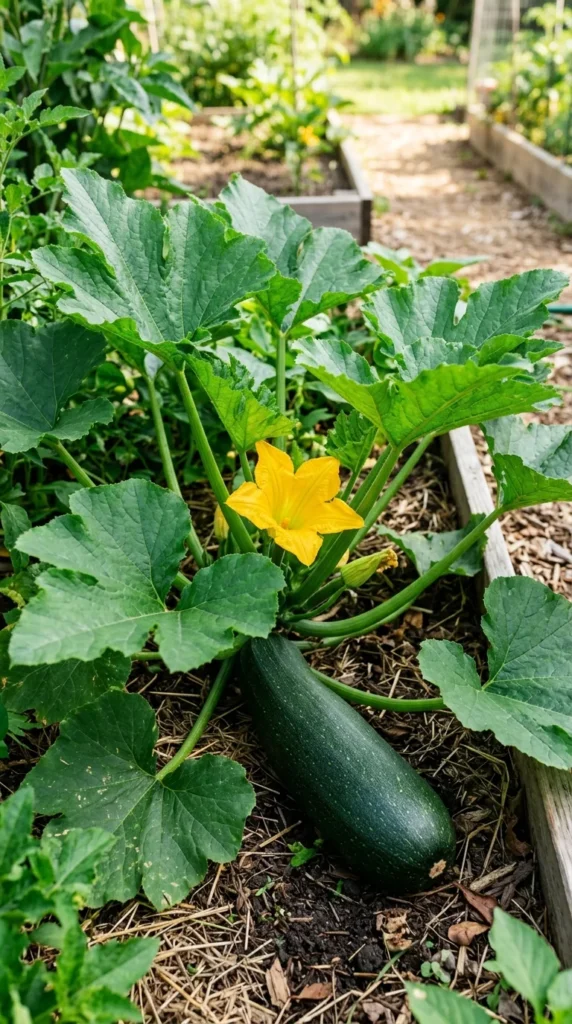
Zucchini (and most summer squashes) are legendary for their productivity. In fact, the joke among gardeners is that once you plant zucchini, you’ll be leaving baskets of them on your neighbors’ doorsteps because you’ll have more than you can eat.
These plants need plenty of space and a lot of sunlight. They are “heavy feeders,” meaning they love compost or organic fertilizer. One or two plants are usually enough to feed a whole family for the summer. Just keep an eye on the fruit; zucchini can grow from the size of a finger to the size of a baseball bat in just a few days!
5. Tomatoes
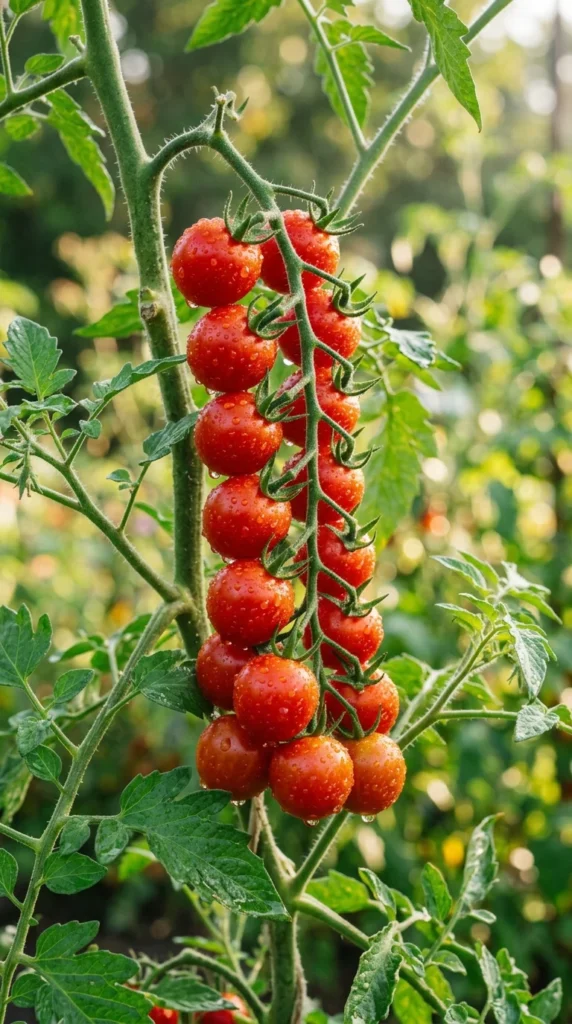
While large heirloom tomatoes can sometimes be finicky, cherry tomatoes are incredibly hardy and prolific. They are much more resistant to disease and erratic watering than their larger cousins.
Tomatoes love heat and sun. If you are growing them in a container, make sure it’s a large one, and provide a cage or a stake for the plant to climb. There is truly no comparison between a store-bought tomato and one ripened by the sun on your own vine—the sweetness and depth of flavor are incomparable.
6. Green Beans
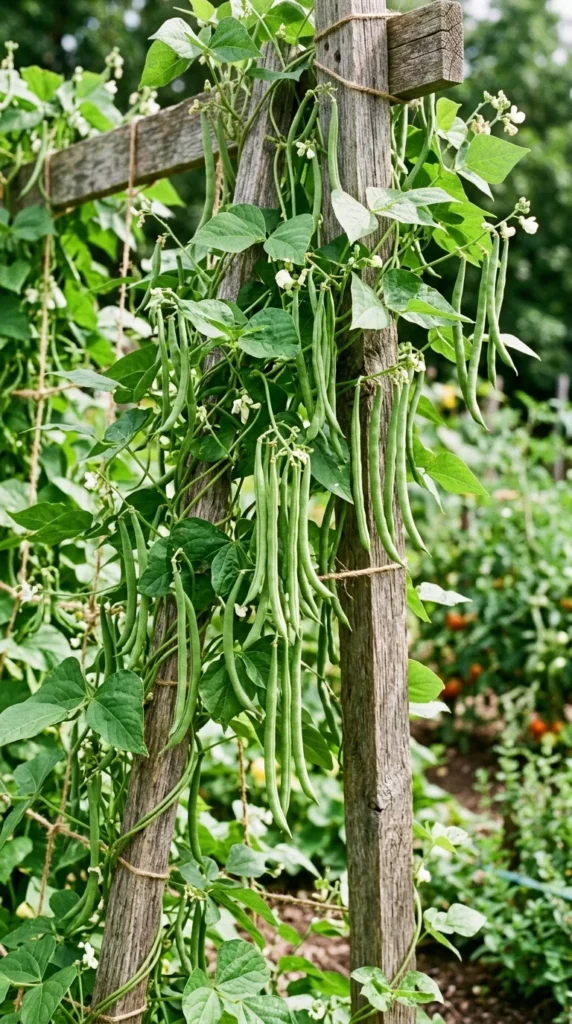
Beans are nitrogen-fixers, which means they actually improve the quality of your soil while they grow. You can choose between “bush beans,” which grow in compact mounds, or “pole beans,” which grow as climbing vines.
Bush beans are generally easier for beginners because they don’t require a trellis or support system. They produce their entire crop in a short window of time, which is great for canning or freezing. Pole beans, on the other hand, take up less horizontal space and produce a steady supply of beans throughout the entire summer.
7. Spinach
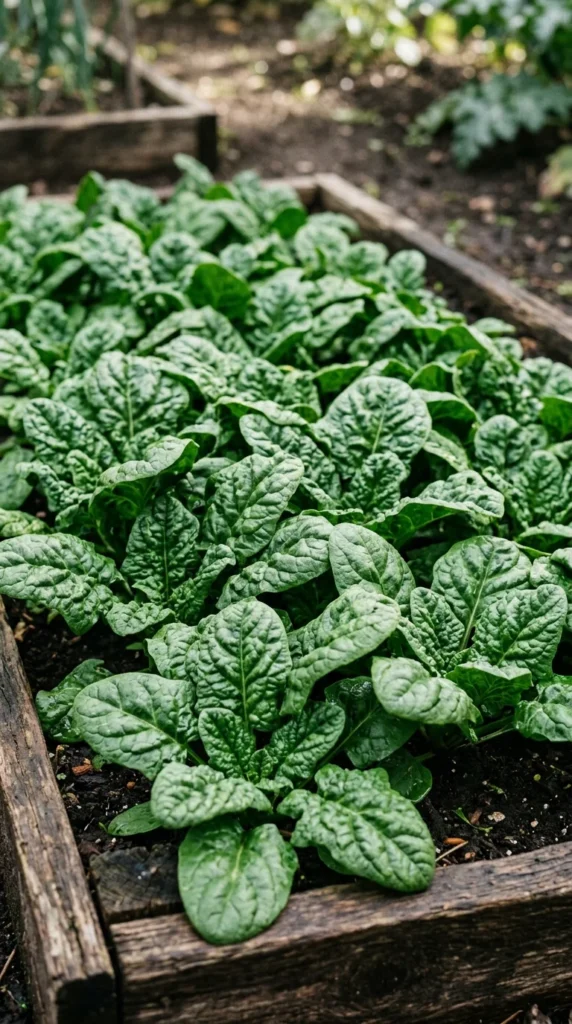
Like lettuce, spinach is a cool-weather star. It’s packed with nutrients and grows very quickly. Spinach can be planted as soon as the ground can be worked in the spring, and it can even survive a light frost.
The trick to spinach is to harvest it before the weather gets too hot. Once the heat of summer hits, spinach tends to “bolt” (grow a tall flower stalk and turn bitter). If you live in a warm climate, try planting it in a spot that gets afternoon shade to extend the harvest.
8. Peas
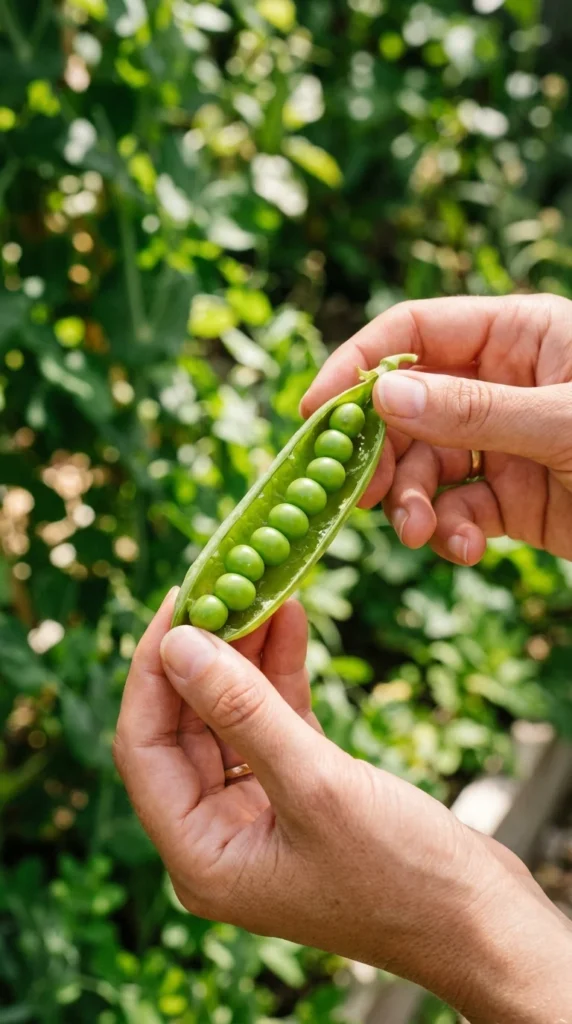
Peas are one of the first things you can plant in the spring. They love the chilly dampness of early April and May. Because they are climbers, they look beautiful growing up a simple string or wire fence.
There are three main types: shelling peas (where you only eat the inside), snow peas (flat pods), and sugar snaps (edible pods with full peas). Sugar snaps are often the favorite for home gardeners because they are incredibly sweet and can be eaten raw right off the vine as a garden snack.
9. Cucumbers
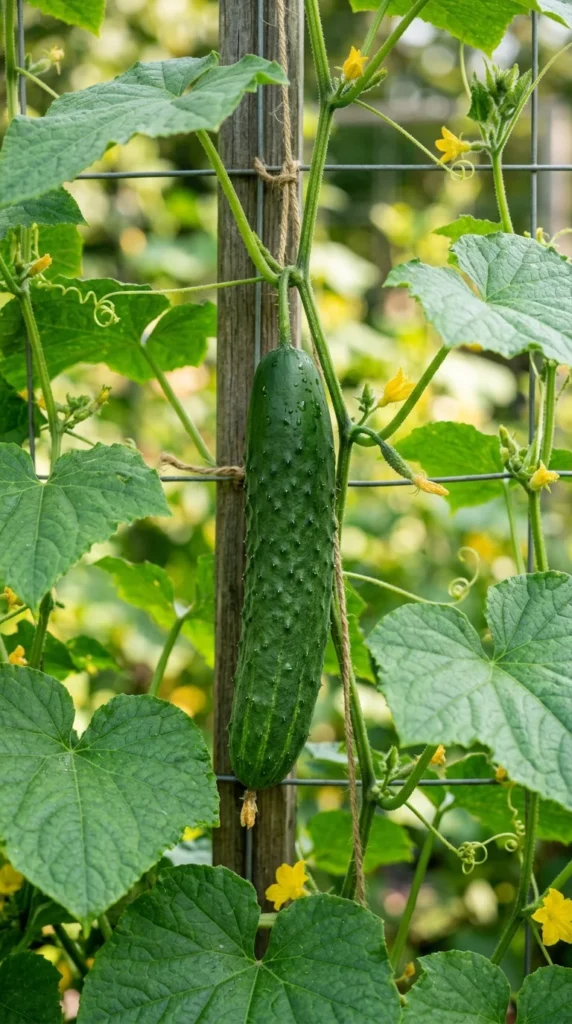
Cucumbers are fast growers that love to climb. Growing them vertically on a fence or trellis keeps the fruit off the ground, resulting in straighter, cleaner cucumbers and fewer pest problems.
If you have limited space, look for “bush” varieties specifically bred for containers. As long as they get plenty of water—cucumbers are mostly water, after all—they will produce an abundance of fruit for salads, pickling, or just slicing with a bit of salt.
10. Kale
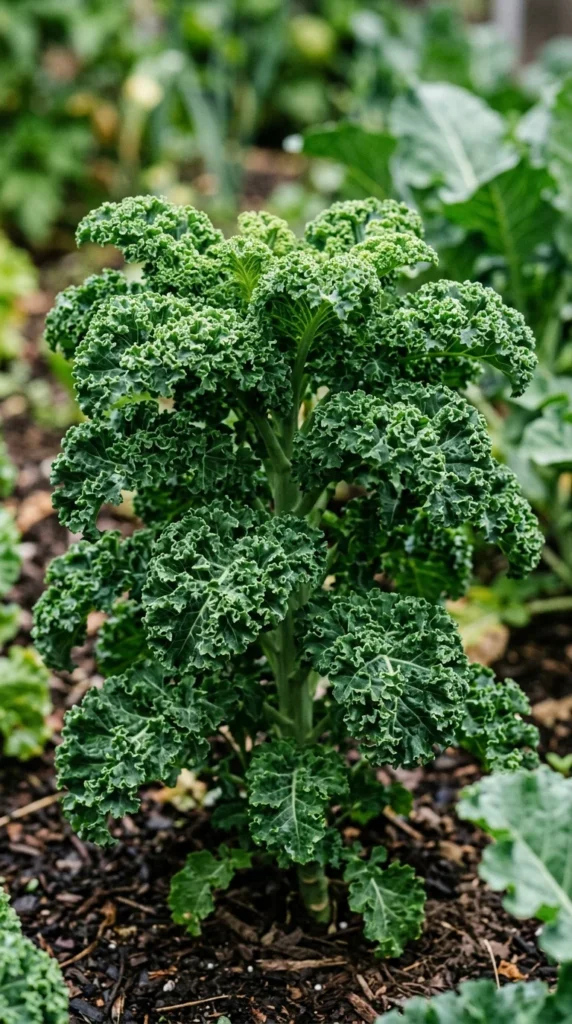
Kale has earned its reputation as a “superfood,” but it should also be known as a “super-plant” for its resilience. It is one of the few vegetables that can survive a hard freeze; in fact, a bit of frost actually makes the leaves taste sweeter.
Kale is very forgiving. It doesn’t mind if the soil isn’t perfect, and it is rarely bothered by the pests that plague other members of the cabbage family. You can harvest the individual leaves from the bottom up, allowing the plant to keep growing taller and taller like a tiny palm tree.
11. Peppers
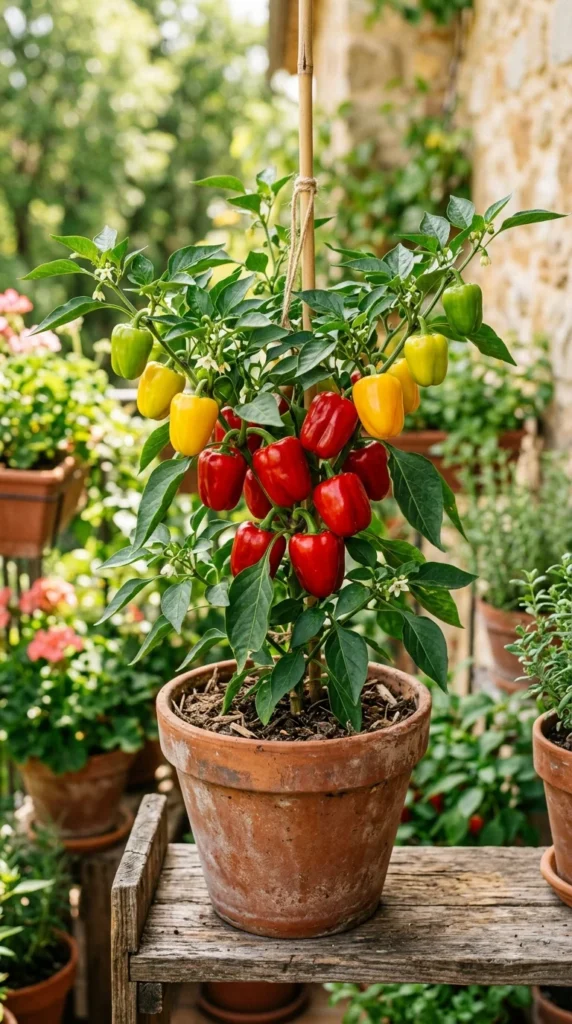
Peppers—both sweet bells and spicy chilies—are surprisingly easy to grow if you have a sunny spot. They have a very long growing season, so it is often best to buy small “starts” or seedlings from a nursery rather than starting from seed.
Once they get going, peppers are very low-maintenance. They don’t need much pruning, and they are generally sturdier than tomato plants. The more sun they get, the more fruit they will produce. Plus, a pepper plant laden with bright red or yellow fruit is ornamental enough to sit right in the middle of a flower bed.
12. Potatoes
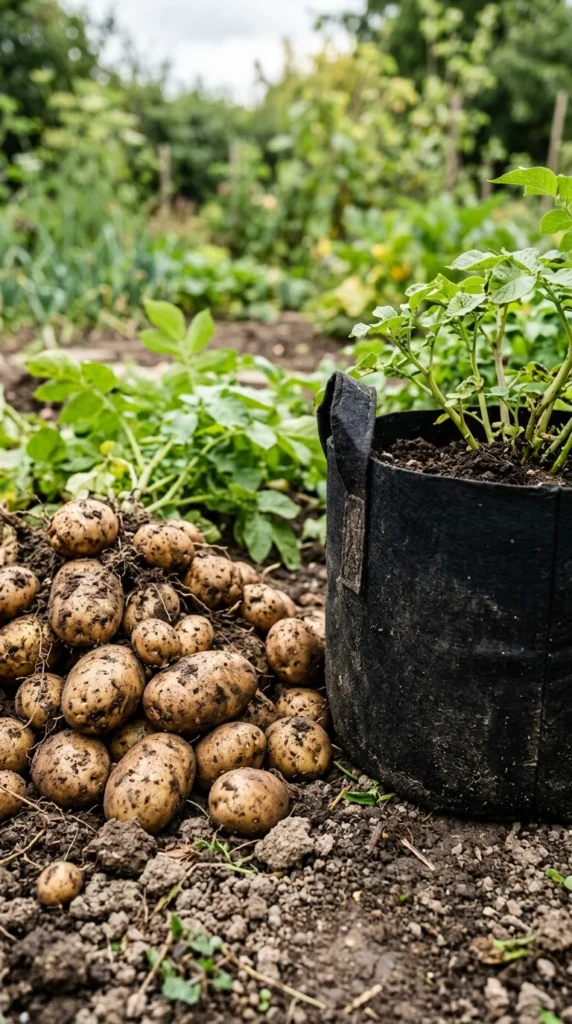
You don’t need a massive farm to grow potatoes. One of the most popular methods for home gardeners is using “grow bags” or even large buckets. You simply put a few inches of soil in the bottom, plant your “seed potatoes” (potatoes with growing eyes), and as the green leaves grow upward, you continue to add more soil.
This process, called “hilling,” encourages the plant to grow more potatoes along the buried stem. When the plant turns yellow and dies back at the end of the season, you simply tip the bag over and “mine” for your golden treasures.
13. Garlic
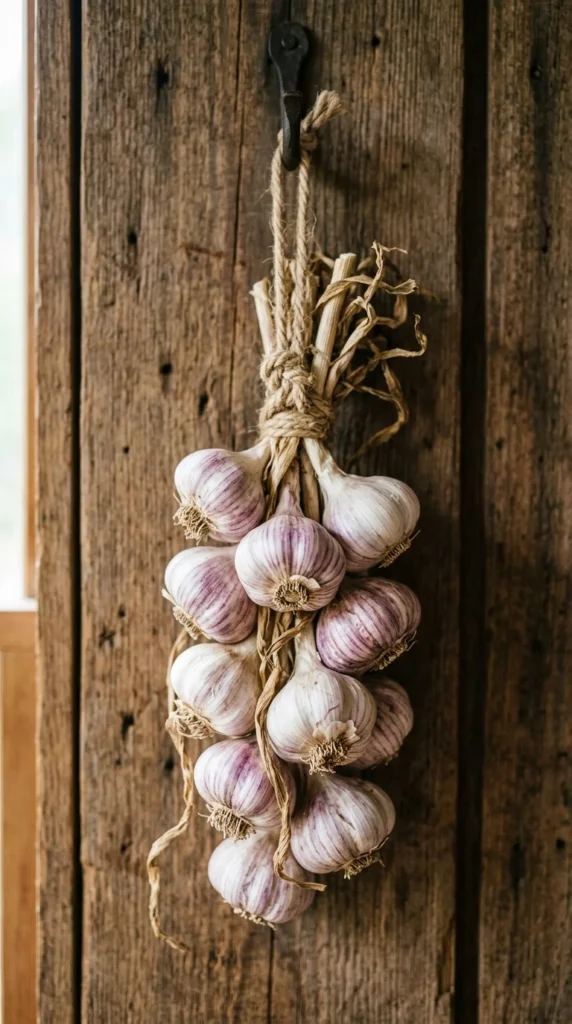
Garlic is the ultimate “set it and forget it” crop. You plant individual cloves in the autumn, a few weeks before the ground freezes. You cover them with a thick layer of straw, and then… you wait.
The garlic sleeps through the winter, sends up green shoots in the spring, and is ready for harvest by mid-summer. It requires almost no attention during the growing season. The flavor of fresh, homegrown garlic is far more pungent and complex than anything you will find at the supermarket.
14. Swiss Chard
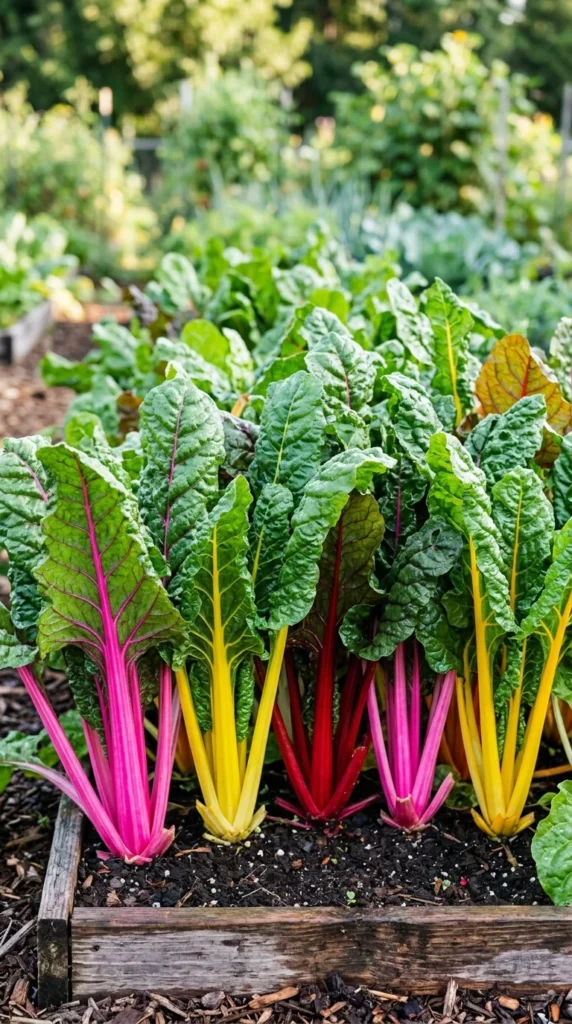
If you want a vegetable that is as beautiful as it is edible, look no further than Swiss Chard. The “Rainbow” varieties feature stalks in brilliant shades of pink, yellow, orange, and red.
Swiss chard is incredibly hardy. It handles the heat of summer much better than spinach, but it also tolerates the cold. It is a cut-and-come-again crop, so you can harvest the outer leaves all season long. It is perfect for sautéing with garlic or adding to soups.
15. Green Onions
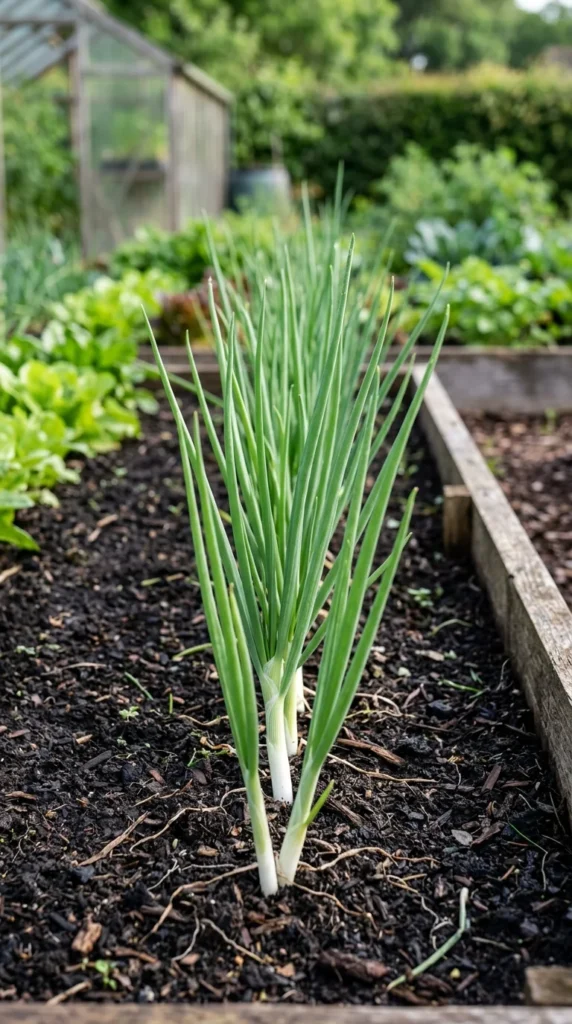
Green onions (or scallions) are perhaps the easiest vegetable to grow because you can even start them from kitchen scraps. If you buy a bunch from the store, save the white bulb ends with the roots attached and stick them in a glass of water or a pot of soil. They will regrow their green tops in a matter of days.
If you grow them from seeds or “sets” (tiny onion bulbs), they require very little space and can be tucked into the edges of your garden beds or grown in small pots on a windowsill. They provide a constant supply of fresh, zingy flavor for your cooking.
Starting a garden is a journey of discovery. Don’t be afraid to make mistakes—even the most expert gardeners lose plants occasionally. The key is to start small with these beginner-friendly varieties, observe how they grow, and enjoy the unmatched flavor of food grown by your own hands. Happy gardening!