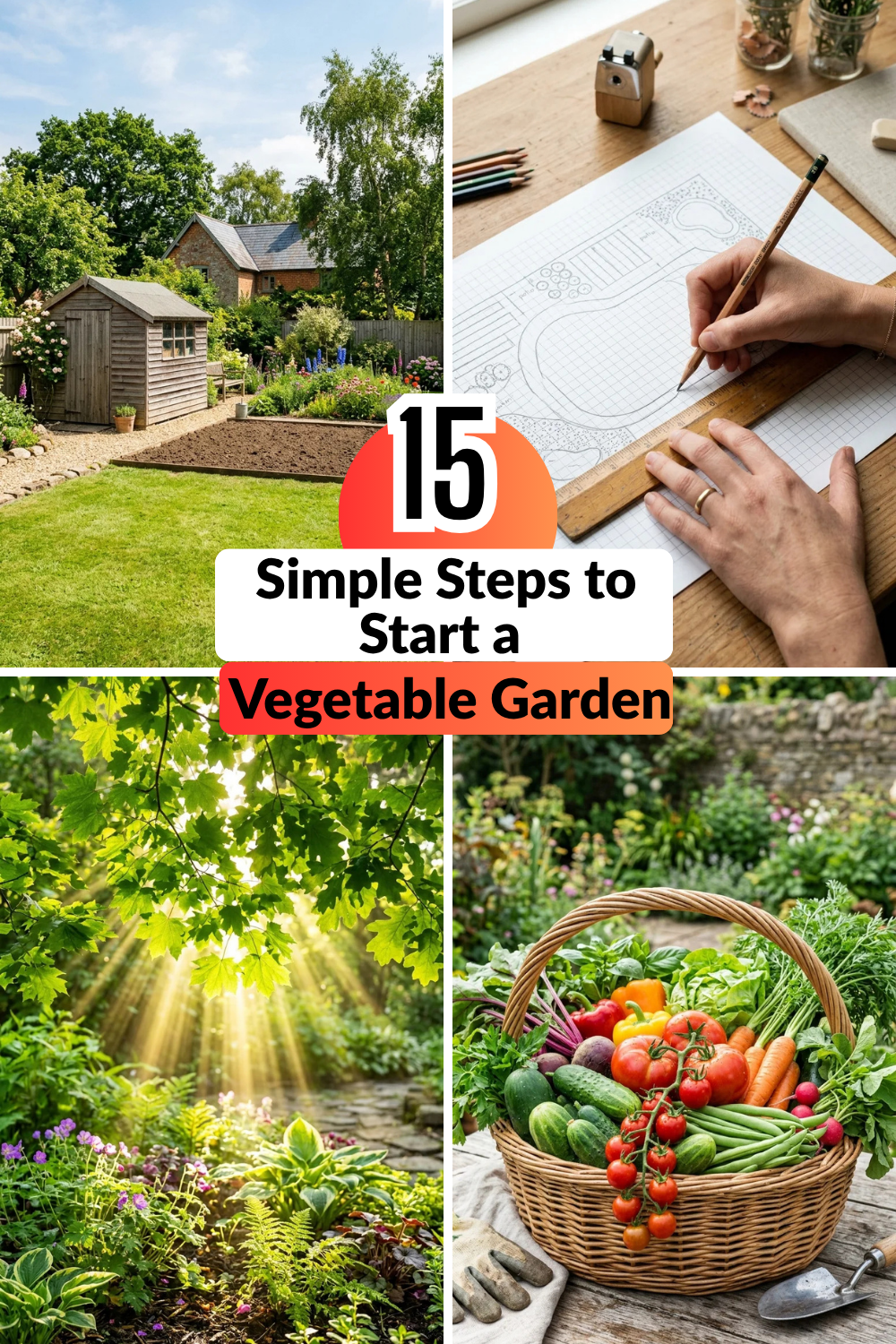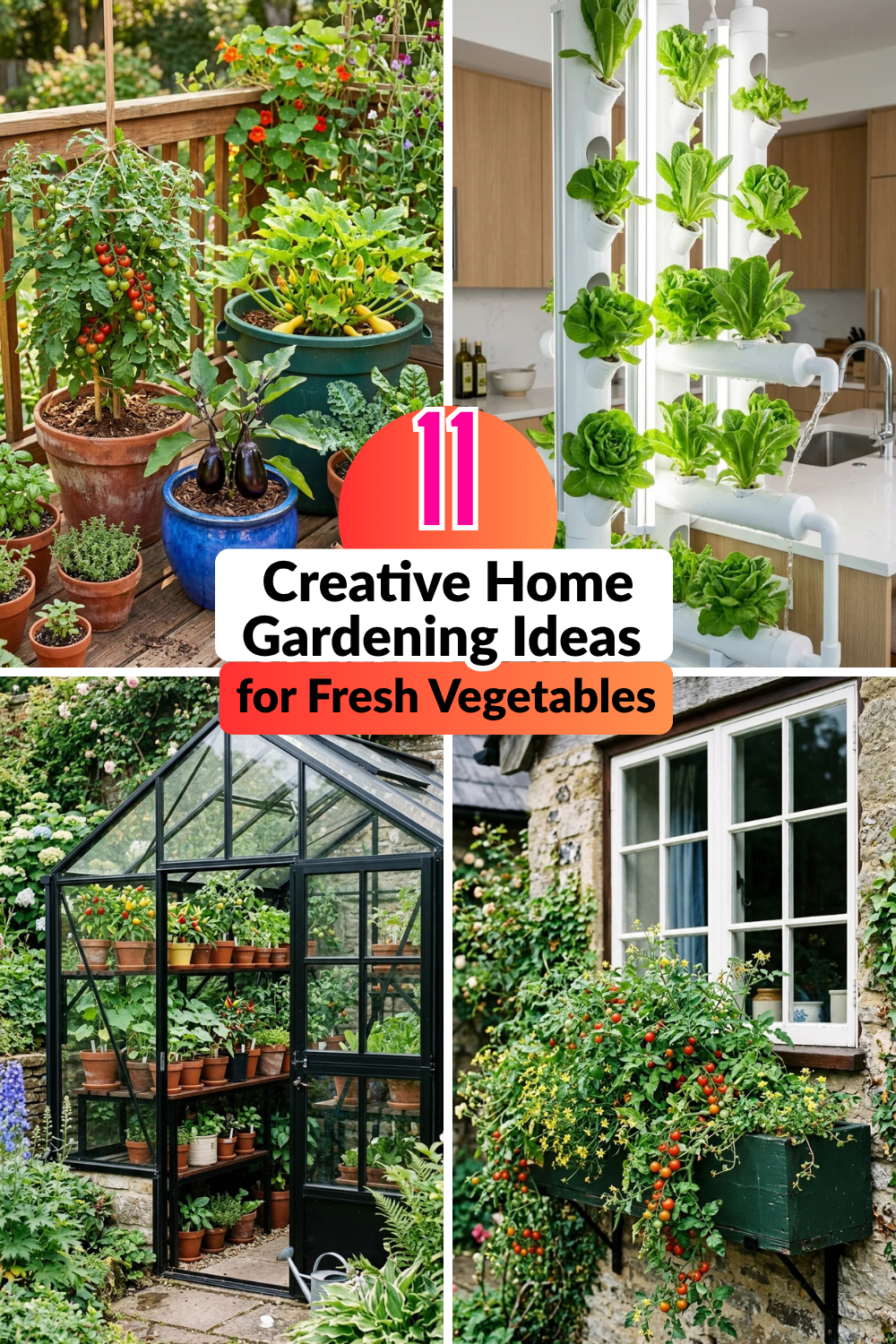
There is a profound sense of satisfaction that comes from stepping into your backyard, or even just reaching over to your windowsill, and plucking a crisp, sun-warmed vegetable for your dinner. Home gardening is more than just a hobby; it is a transformative lifestyle choice that bridges the gap between the earth and your plate. Whether you have sprawling acres or a tiny apartment balcony, the opportunity to grow your own food is well within reach.
By taking control of your food source, you ensure that your produce is free from harmful pesticides, packed with peak-season nutrients, and bursting with flavors that store-bought varieties simply cannot match. In this guide, we explore eleven diverse and engaging gardening ideas designed to help you harvest a bounty of fresh vegetables right at home.
1. Raised Beds
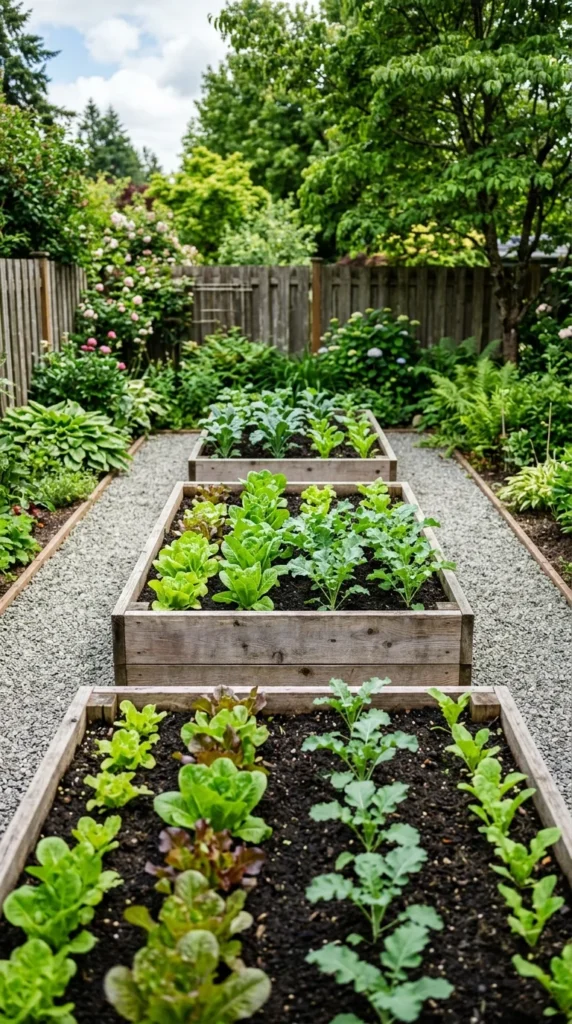
Raised beds are the gold standard for many home gardeners, especially those dealing with poor soil quality or drainage issues. By elevating the growing area, you create a controlled environment where the soil remains loose and aerated, never trampled by foot traffic. This method allows for better drainage and warmer soil temperatures in the spring, which can extend your growing season significantly.
Construction can be as simple as four wooden planks or as elaborate as stacked stone or composite materials. The height of the bed also reduces the strain on your back and knees, making gardening a more accessible activity. For the best results, fill your beds with a high-quality mix of compost, peat moss, and vermiculite to provide your vegetables with the ultimate nutrient-rich foundation.
2. Vertical Walls
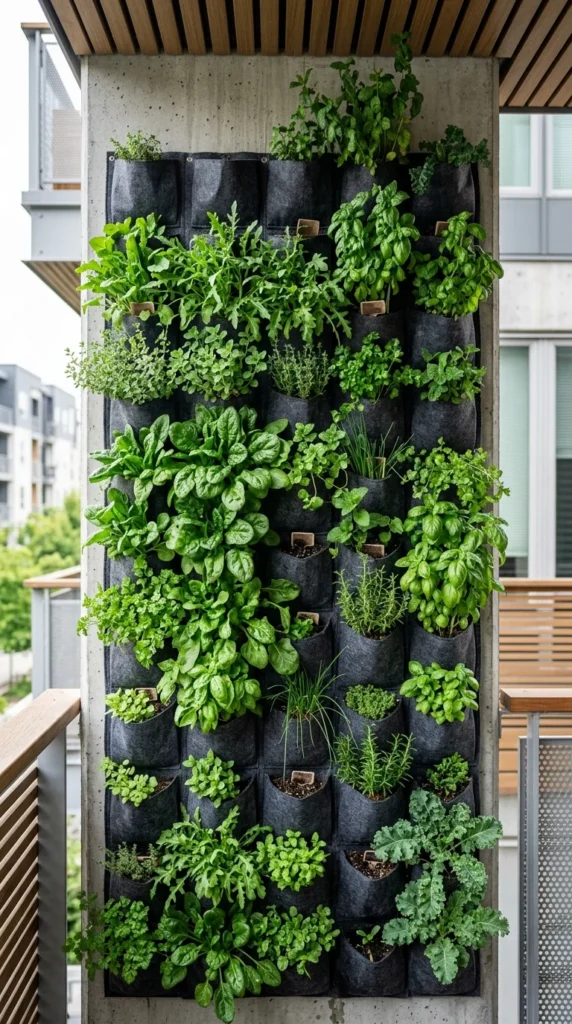
When floor space is at a premium, the only way to go is up. Vertical gardening is a revolutionary solution for urban dwellers and those with small patios. By utilizing wall space, you can grow a surprising volume of food without sacrificing a single square inch of walking space.
You can use modular wall planters, hanging felt pockets, or even repurposed shoe organizers to create a living tapestry of food. Leafy greens, such as Swiss chard, kale, and various lettuces, thrive in these systems because their root systems are relatively shallow. Not only does this provide fresh food, but it also acts as a natural insulator for your home and a stunning visual centerpiece for your outdoor living area.
3. Container Gardens
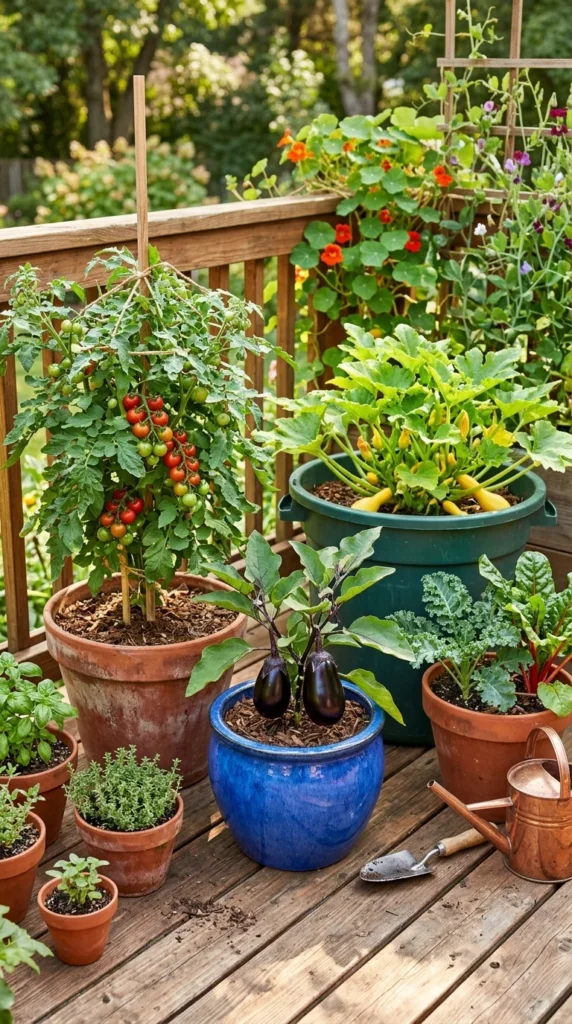
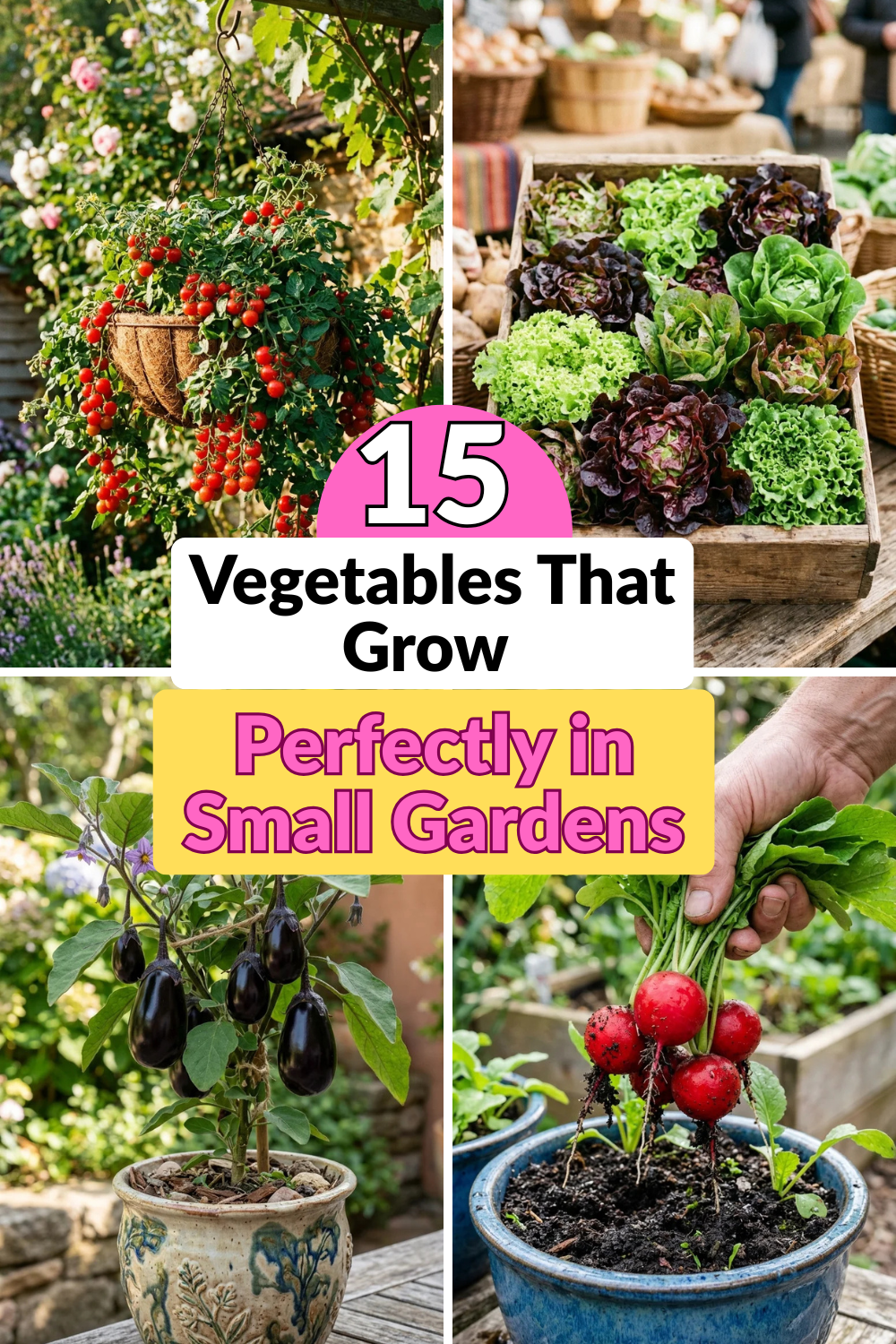
The beauty of container gardening lies in its extreme versatility and mobility. If you move, your garden moves with you. If a particular spot gets too much scorching afternoon sun, you can simply slide your pots into the shade. Containers allow you to tailor the soil and moisture levels to the specific needs of each plant.
To succeed with containers, ensure your pots have adequate drainage holes to prevent root rot. Large pots are ideal for “heavy feeders” like tomatoes and peppers, while shallow troughs work beautifully for radishes and spring onions. Use a high-quality potting mix rather than garden soil, as potting mix is lighter and designed to retain moisture without becoming compacted.
4. Hydroponic Systems
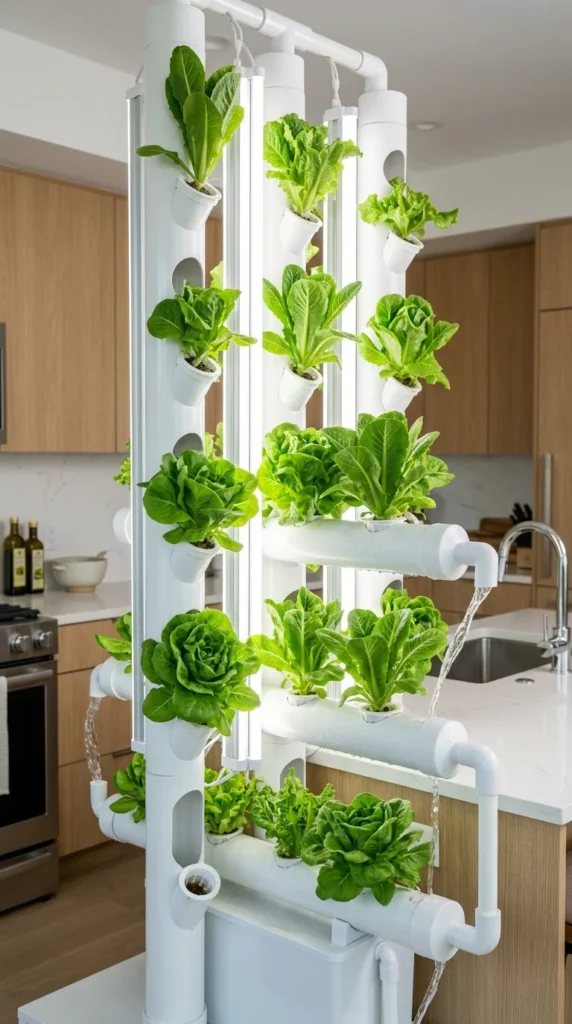
For the tech-savvy gardener or those living in climates with harsh winters, hydroponics offers a way to grow vegetables year-round without a speck of dirt. These systems use nutrient-rich water solutions to deliver food directly to the plant roots, often resulting in faster growth rates and higher yields than traditional soil gardening.
Small, countertop hydroponic kits are now widely available and perfect for growing salad greens and herbs right in your kitchen. Larger DIY systems can be set up in basements or garages using PVC pipes or deep-water culture bins. Because you control the light and temperature, you can enjoy “summer” tomatoes in the middle of January.
5. Kitchen Herbs
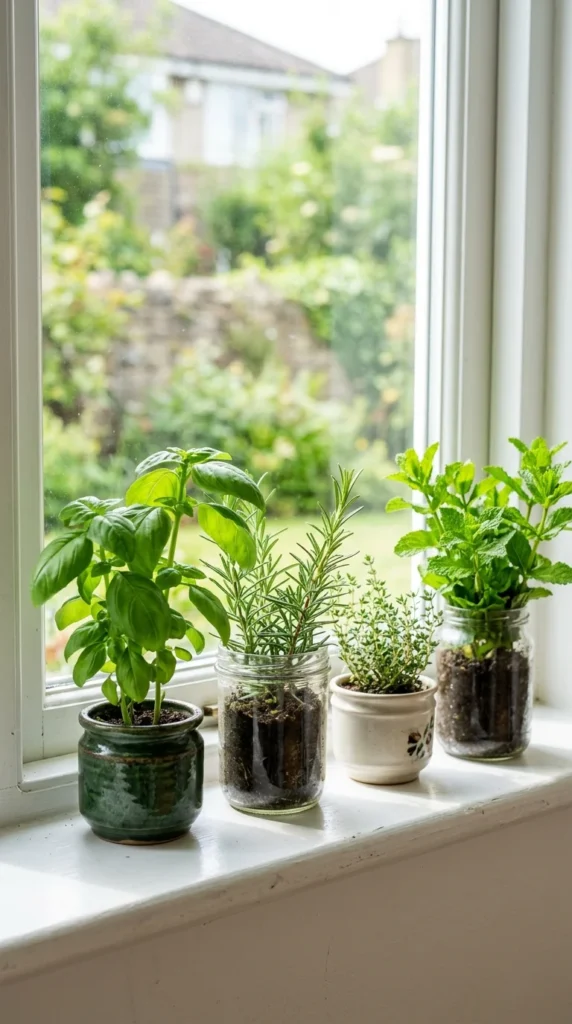
If you are new to gardening, starting with kitchen herbs is the perfect “gateway” to growing vegetables. Herbs are generally hardy, take up very little space, and provide immediate culinary rewards. Having fresh basil for your pasta or mint for your tea just inches from your stove transforms the cooking experience.
Place your herbs in a south-facing window where they can receive at least six hours of sunlight daily. Many herbs, like rosemary and thyme, prefer to dry out slightly between waterings, while others, like mint and parsley, enjoy consistent moisture. Harvesting regularly actually encourages the plants to grow bushier and more productive.
6. Greenhouse Nooks
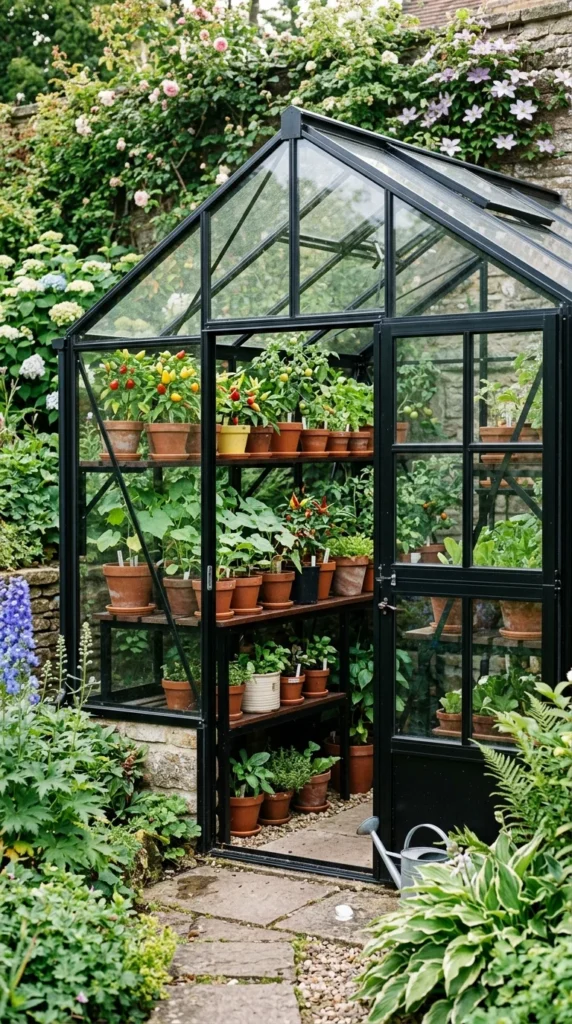
A greenhouse, even a very small one, acts as a sanctuary for your plants. It traps solar radiation, creating a warm microclimate that protects tender vegetables from frost and wind. This allows you to start your seeds much earlier in the spring and keep harvesting well into the late autumn or even winter.
You don’t need a massive commercial structure; many retailers offer “mini-greenhouses” that fit against a house wall or on a balcony. Greenhouses are particularly effective for heat-loving crops like cucumbers, peppers, and melons, which appreciate the consistent warmth and high humidity that a glass or plastic enclosure provides.
7. Trellis Climbing
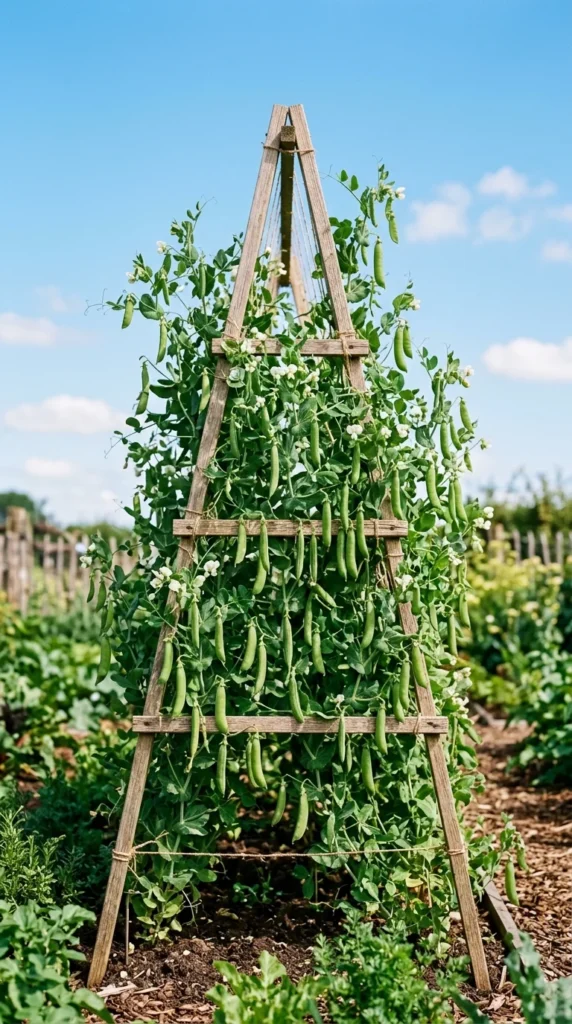
Many vegetables are natural climbers, and giving them a trellis to scale is a fantastic way to save space and keep your produce off the ground. Vining plants like peas, pole beans, cucumbers, and even small varieties of squash will happily wind their way up a support structure.
Growing vertically improves air circulation around the plants, which significantly reduces the risk of fungal diseases like powdery mildew. It also makes harvesting much easier, as the vegetables hang at eye level rather than being hidden under a canopy of leaves on the ground. A trellis can be a simple cattle panel, a bamboo teepee, or a decorative metal archway that adds architectural interest to your garden.
8. Pallet Planters
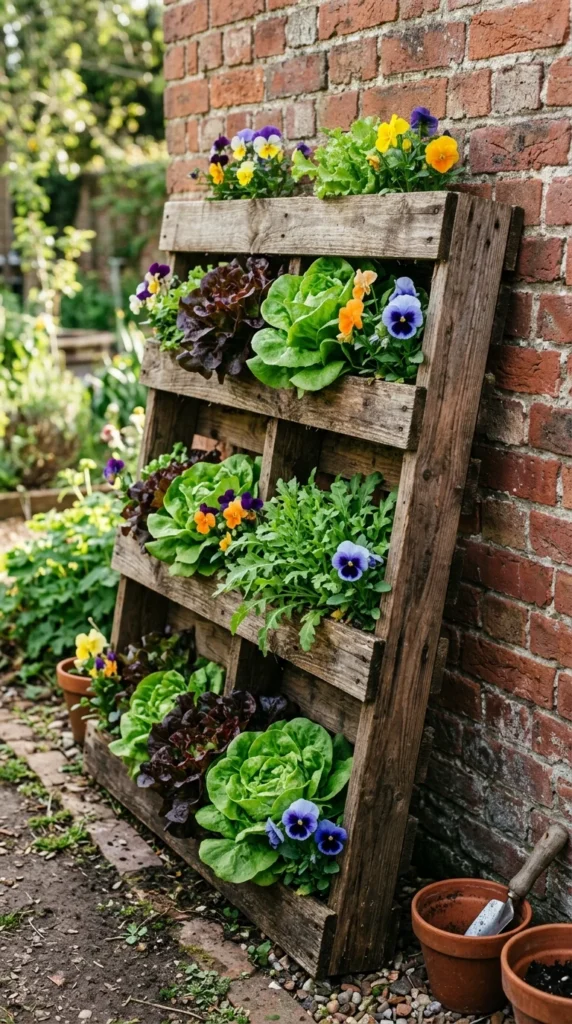
Upcycling a wooden pallet is an eco-friendly and budget-friendly way to start a vegetable garden. By stapling landscape fabric to the back and bottom of a pallet and filling the internal spaces with soil, you create a series of narrow “troughs” perfect for small-stature vegetables and herbs.
Pallet gardens are ideal for herbs, strawberries, and leafy greens. They lean perfectly against a wall or fence, making them great for renters who cannot dig into the ground. When choosing a pallet, ensure it is marked with “HT” (Heat Treated) rather than “MB” (Methyl Bromide) to ensure no toxic chemicals leach into your food.
9. Window Boxes
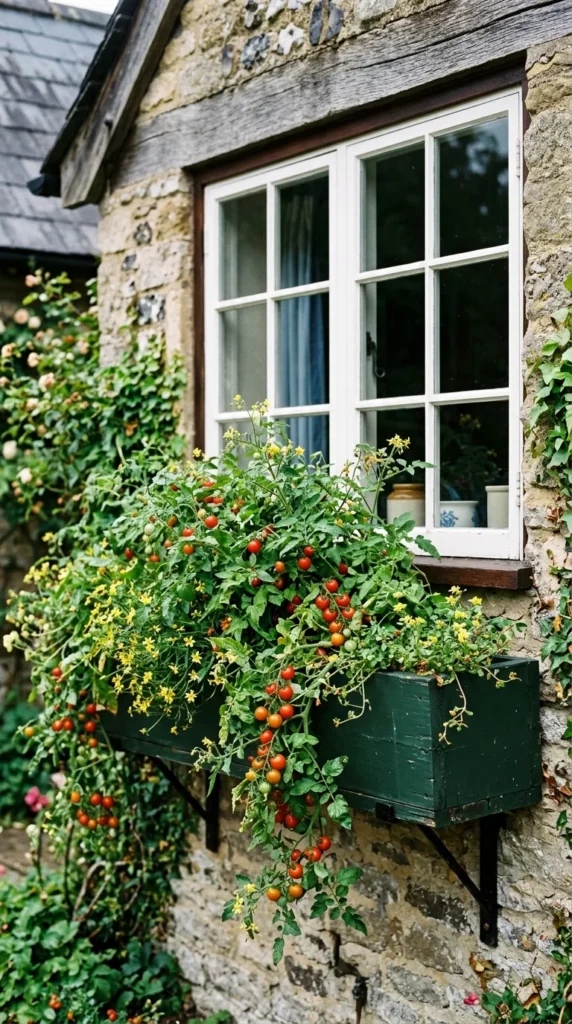
Window boxes aren’t just for petunias and geraniums; they are excellent vessels for a “salad garden.” Imagine opening your kitchen window and clipping a few leaves of butterhead lettuce or a handful of chives for your morning omelet.
Because window boxes are relatively shallow, focus on vegetables with compact growth habits. “Micro” varieties of tomatoes, dwarf peppers, radishes, and spinach are all perfect candidates. Ensure the boxes are securely fastened to your home and that you water them frequently, as small volumes of soil tend to dry out quickly in the wind and sun.
10. Companion Planting
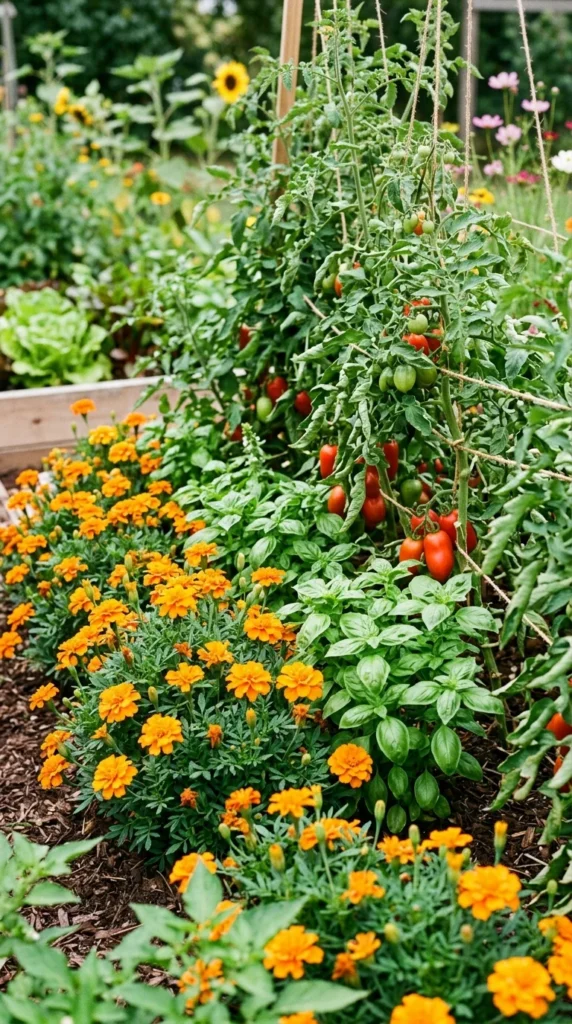
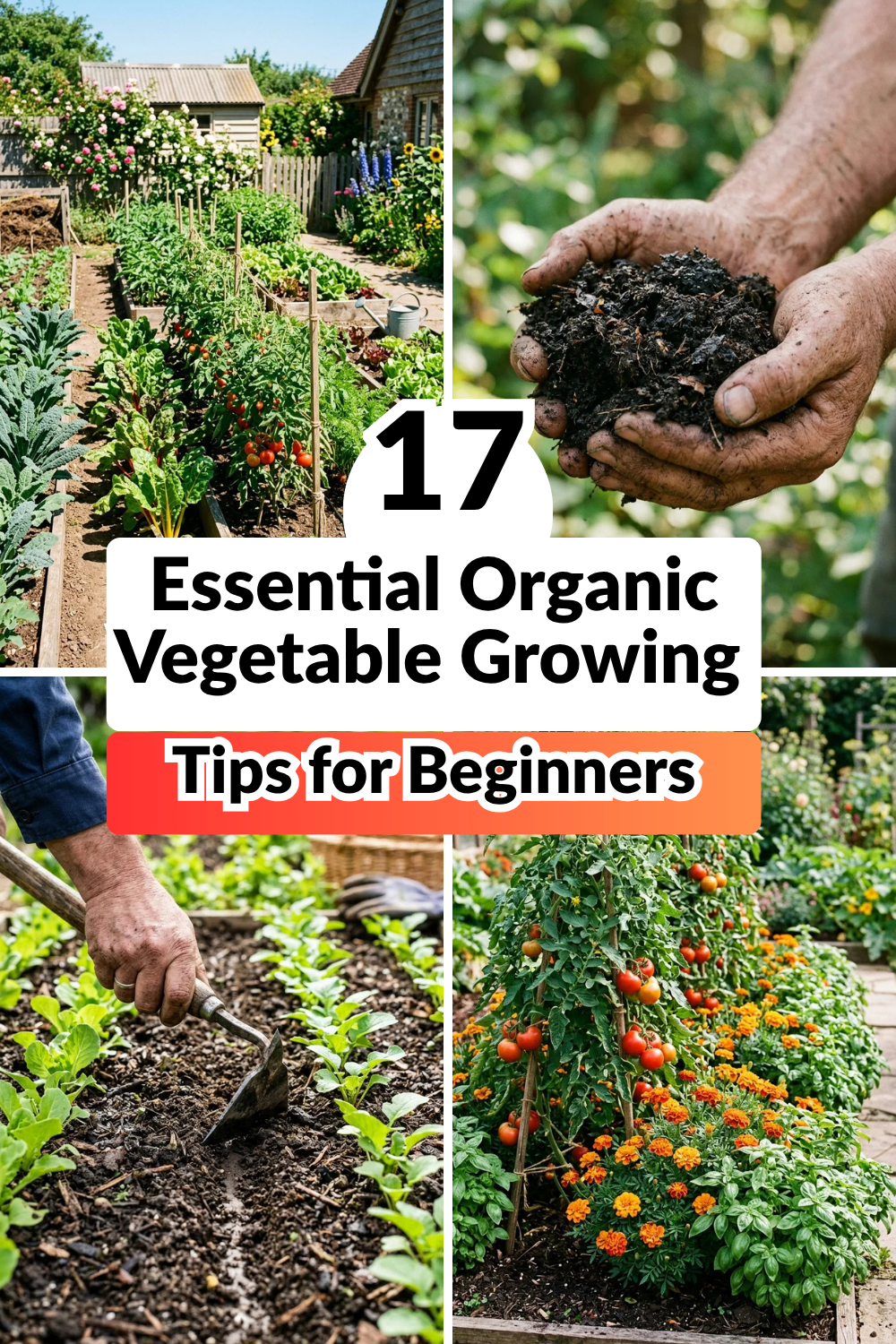
Companion planting is the art of placing specific plants together so they can mutually benefit one another. This ancient technique maximizes space and uses nature’s own chemistry to deter pests and improve flavor. For example, planting marigolds with your tomatoes helps repel nematodes and other harmful insects, while basil is thought to improve the taste of the tomatoes grown nearby.
By interplanting tall crops (like corn) with low-growing, ground-covering crops (like squash), you create a living mulch that keeps the soil cool and suppresses weeds. This holistic approach reduces the need for chemical interventions and creates a more resilient, biodiverse garden ecosystem.
11. Edible Landscaping
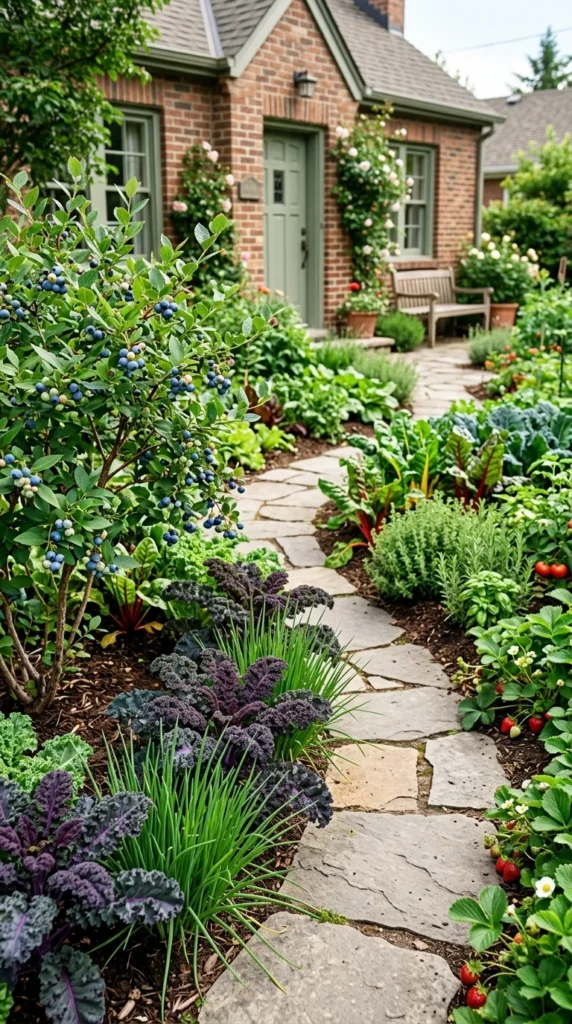
Who says a vegetable garden has to be hidden in the backyard? Edible landscaping is the practice of integrating food-producing plants into your existing ornamental garden. Many vegetables are stunningly beautiful: the vibrant stalks of Swiss chard, the feathery fronds of fennel, and the deep purple leaves of certain kale varieties can rival any traditional flower.
Replace your typical boxwood hedge with blueberry bushes, or use strawberry plants as a lush, fruiting groundcover. By blending “pretty” and “productive,” you maximize your land’s utility without sacrificing curb appeal. It’s a way to turn your entire property into a functional, edible oasis that feeds both the eyes and the stomach.