Cultivating a vibrant flower garden is often described as a labor of love, but for many beginners and even seasoned hobbyists, it can quickly turn into a source of frustration. Why do those prize-winning dahlias wither before they even bloom? Why does the lavender look more like a dried stick than a fragrant shrub? Gardening is a science as much as it is an art, and the margin for error is often found in the small details. To help you achieve the floral sanctuary of your dreams, we have compiled a definitive guide to the twenty most common flower growing mistakes and, more importantly, how to fix them.
1. Poor Soil
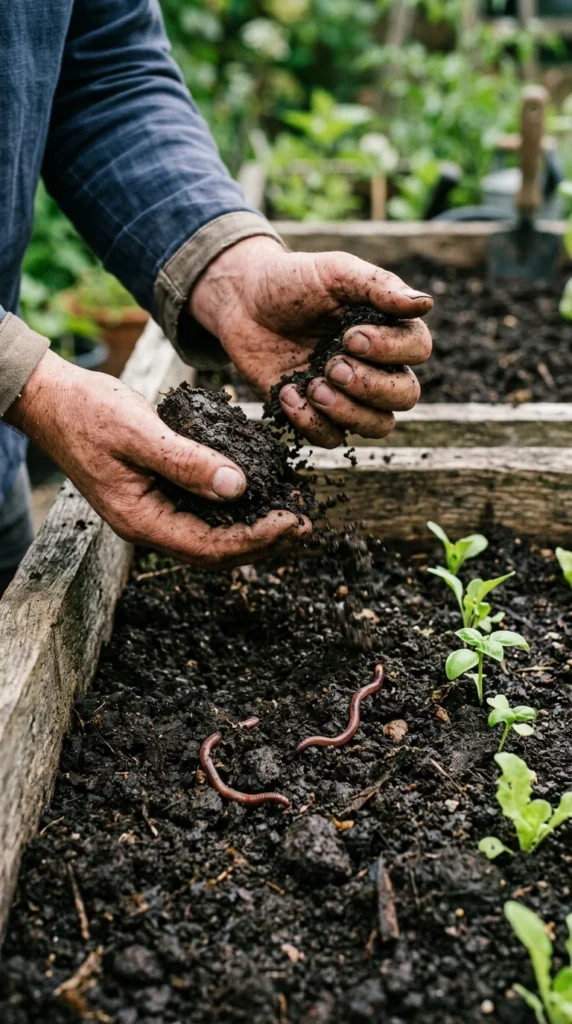
One of the most frequent errors gardeners make is assuming all dirt is created equal. Flowers derive their nutrients, water, and stability from the soil. If your soil is too sandy, water drains away before the roots can drink. If it is too clay-heavy, the roots suffocate in waterlogged earth. Before planting, it is essential to amend your soil with organic matter like compost or well-rotted manure. This improves the texture and provides a slow-release buffet of nutrients that synthetic fertilizers simply cannot match.
2. Incorrect Lighting
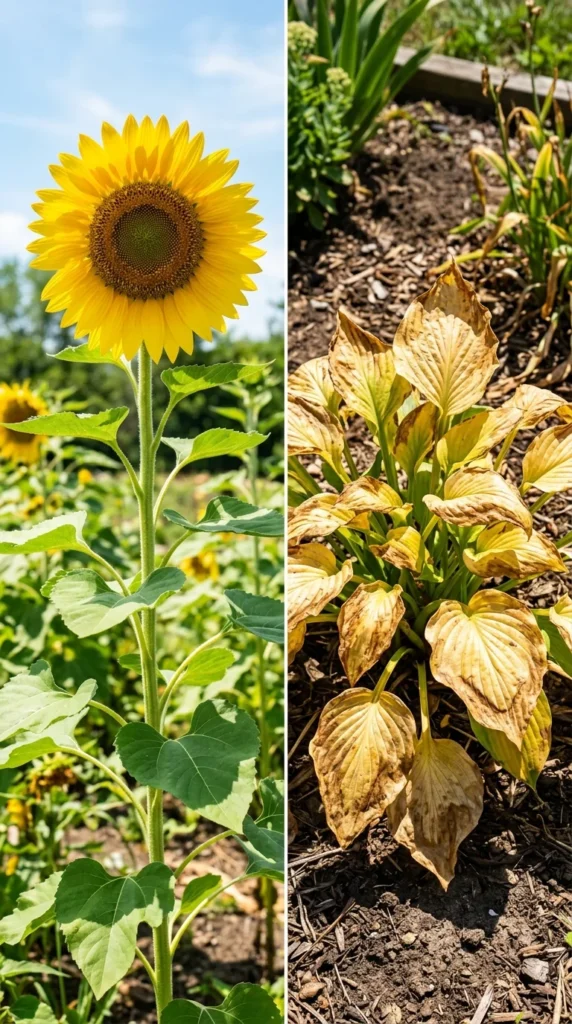
A “full sun” label on a seed packet is not a suggestion; it is a requirement. Planting shade-loving impatiens in a bright, south-facing meadow will lead to scorched leaves and stunted growth. Conversely, placing sun-hungry zinnias in a dark corner will result in “leggy” plants that stretch toward the light, producing weak stems and few flowers. Always map the sun patterns in your yard throughout the day before deciding where to dig.
3. Shallow Planting
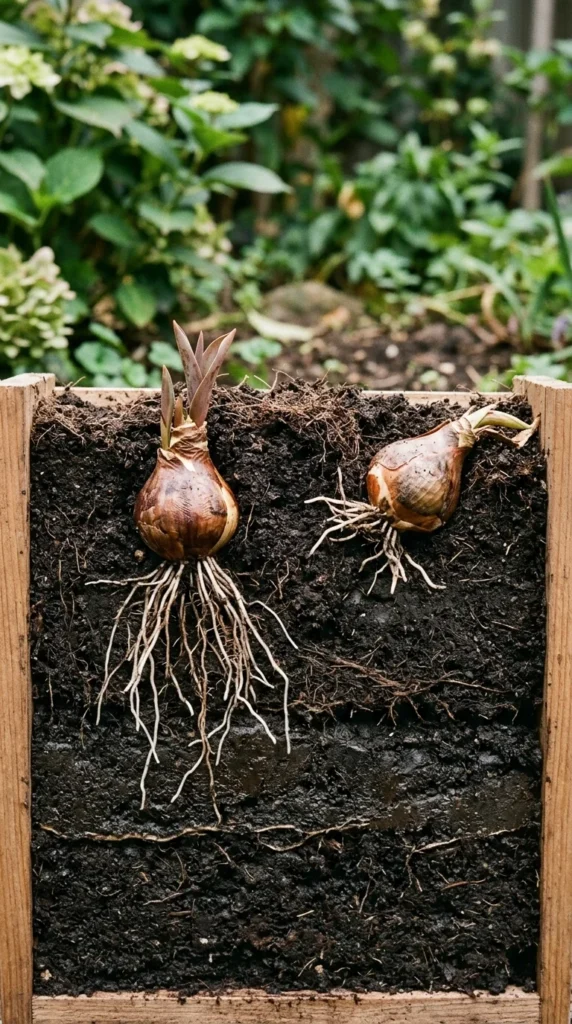
Depth matters immensely. If you plant seeds or bulbs too shallowly, they are susceptible to being washed away by rain, eaten by birds, or drying out in the sun. If planted too deep, the seedling may exhaust all its energy before it ever reaches the surface. As a general rule of thumb, seeds should be planted at a depth about two to three times their width. For transplants, the top of the root ball should be level with the soil surface.
4. Overwatering
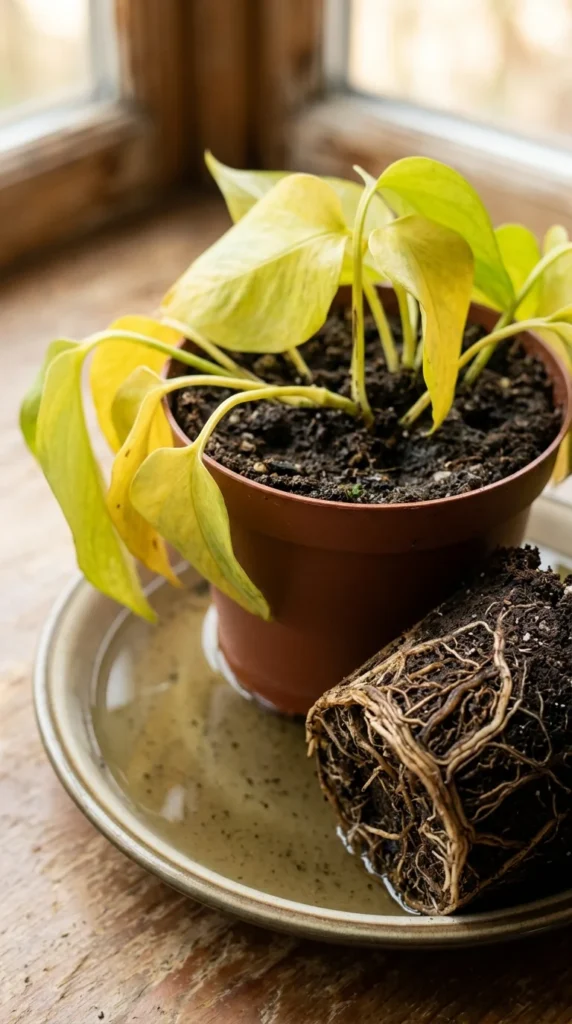
It is the classic “killing with kindness” mistake. Many gardeners believe that if a plant looks sad, it needs more water. However, overwatering drowns the roots, preventing them from absorbing oxygen and leading to root rot. If the soil feels soggy an inch below the surface, put the watering can away. Flowers generally prefer a “deep soak and dry” cycle rather than constant, shallow moisture.
5. Underwatering
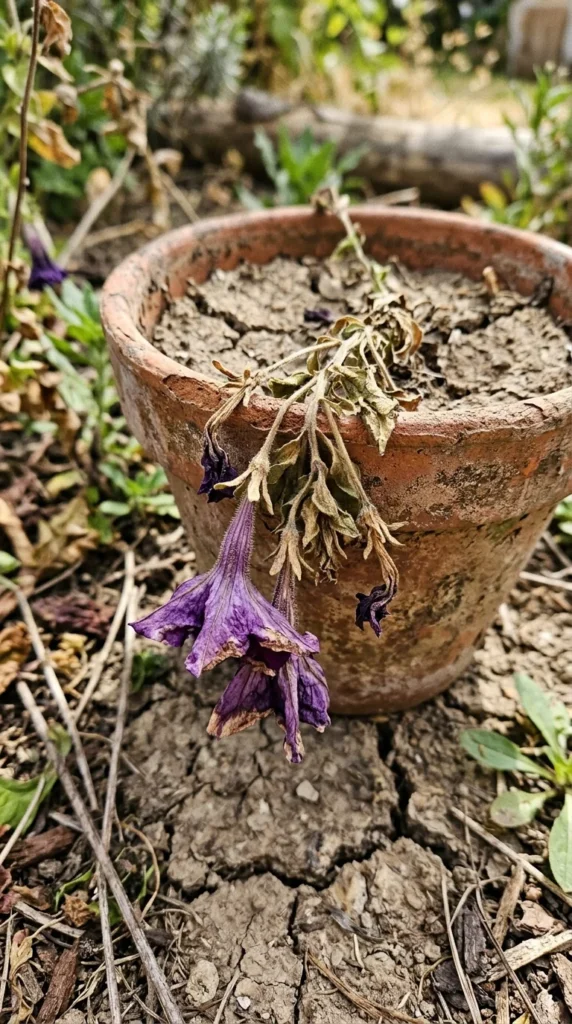
On the flip side, inconsistent watering can be just as deadly. Young seedlings and newly transplanted flowers have shallow root systems that cannot tap into deep groundwater. If the soil dries out completely, the delicate root hairs die off, and the plant may never fully recover. Using mulch can help retain moisture, but you must still monitor the soil regularly, especially during heatwaves.
6. Crowding Plants
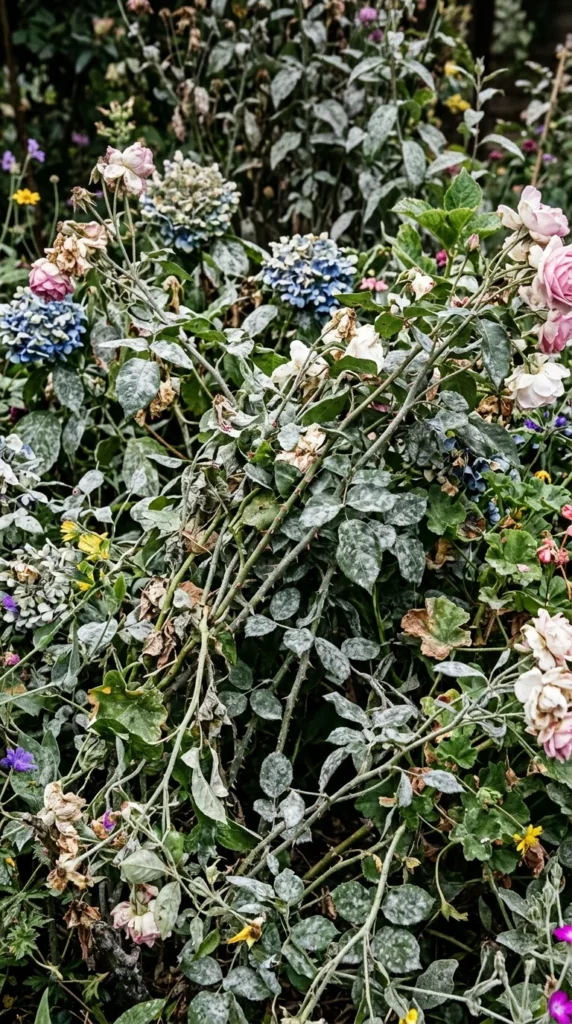
When you bring home small starts from the nursery, it is tempting to plant them close together for an instant “full” look. However, plants need space for air circulation and root expansion. Crowding creates a humid microclimate that invites fungal diseases like powdery mildew. Furthermore, plants will compete for the same pool of nutrients and water, leading to subpar performance for everyone involved. Always follow the spacing recommendations on the plant tag.
7. Neglecting Deadheading
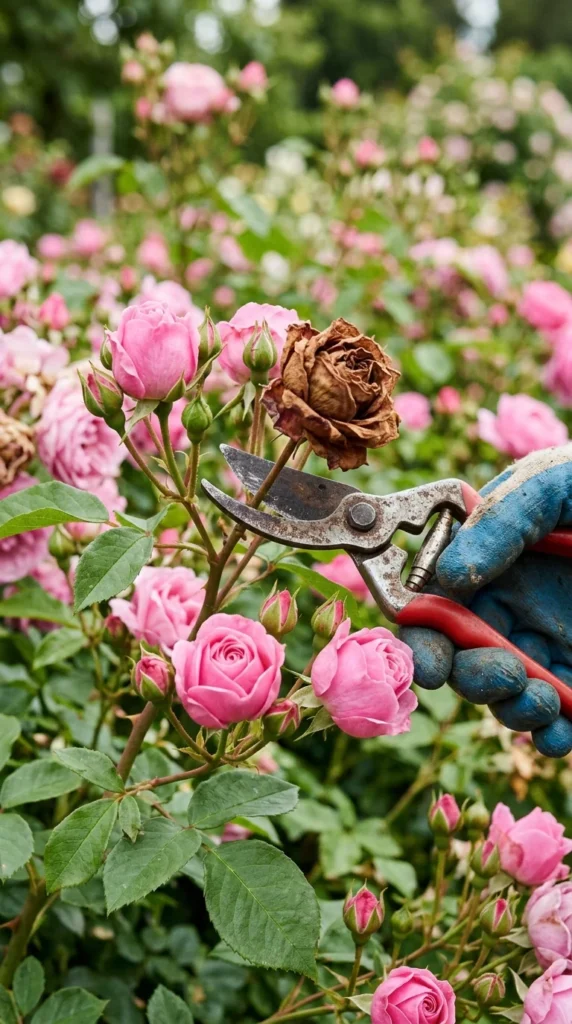
Deadheading is the process of removing faded or spent flowers. If you leave old blooms on the plant, the plant shifts its energy into seed production rather than making new flowers. By snipping off the old ones, you trick the plant into “thinking” it hasn’t successfully reproduced yet, which encourages it to produce a second or even third flush of blooms. It keeps your garden looking tidy and extends the flowering season significantly.
8. Wrong Fertilizer
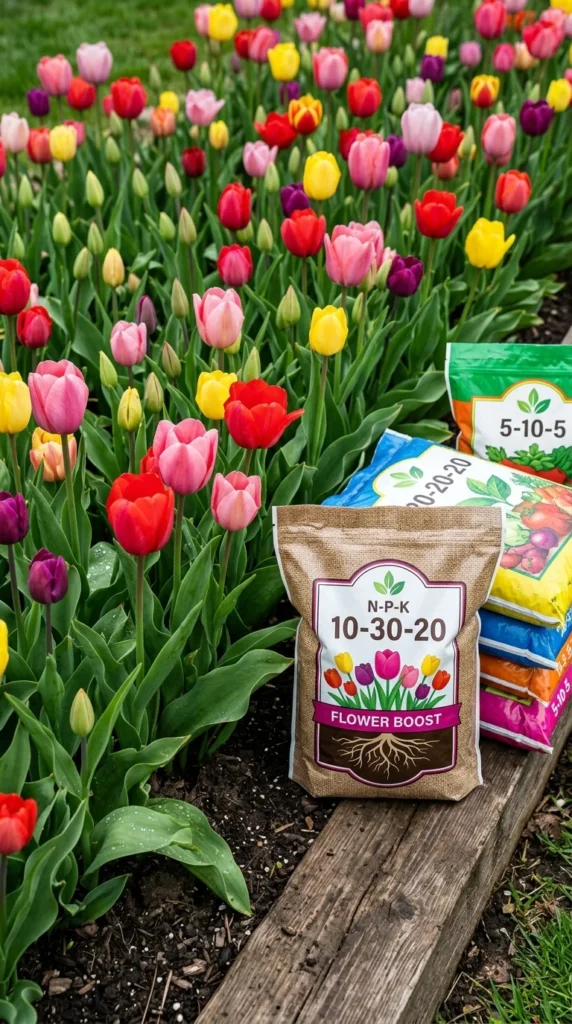
Not all fertilizers do the same thing. High-nitrogen fertilizers (the first number on the bag) are great for green, leafy growth but can actually inhibit flower production. If you give your flowering plants too much nitrogen, you will end up with a giant green bush and zero blossoms. Look for a “bloom booster” or a balanced fertilizer where the middle number (phosphorus) is equal to or higher than the others to encourage strong bud development.
9. Ignoring pH
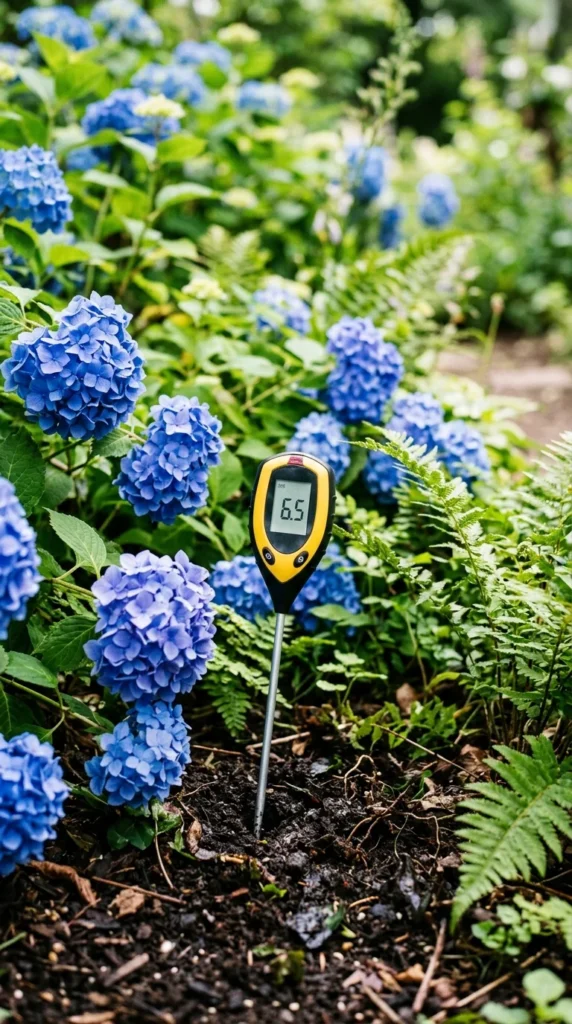
The pH level of your soil determines which nutrients are actually available to your plants. If the soil is too acidic or too alkaline for a specific species, the plant could be sitting in a bed of nutrients but be unable to “eat” them. For example, azaleas and rhododendrons love acidic soil, while clematis prefers it more neutral. A simple soil test kit from a garden center can save you months of guesswork and plant loss.
10. Late Planting
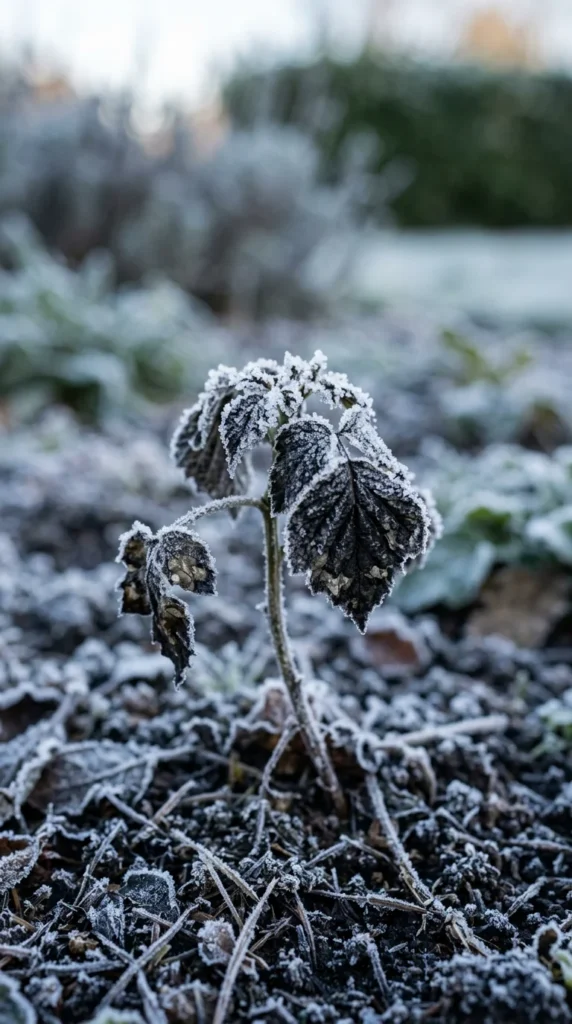
Timing is everything in gardening. Planting warm-weather annuals like marigolds or hibiscus before the last frost date is a recipe for disaster. Conversely, planting cool-weather flowers like pansies in the heat of mid-summer will cause them to bolt and die. Research your local “Hardiness Zone” and wait for the appropriate window of temperature stability before moving your plants outdoors.
11. Surface Watering
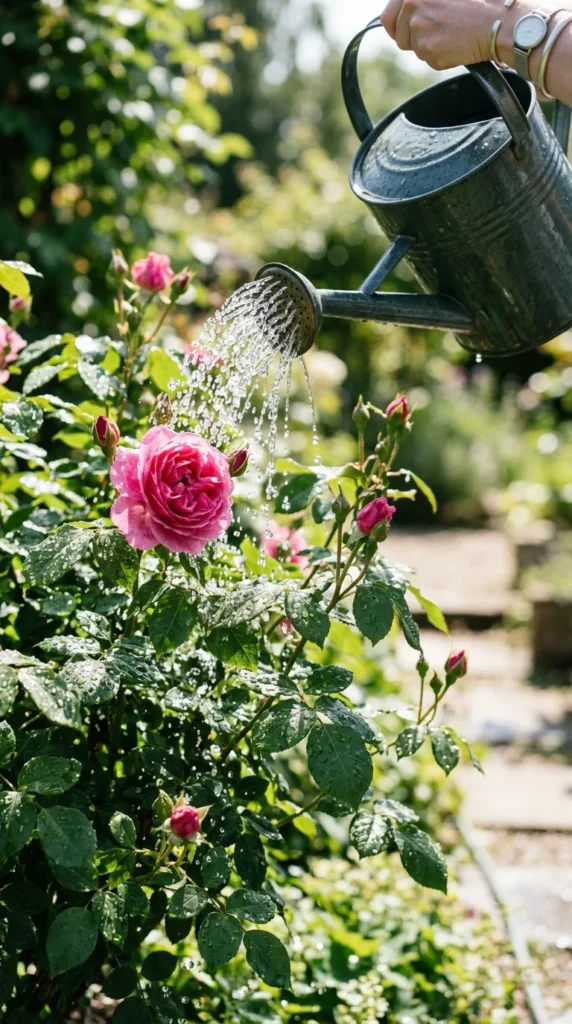
Watering the leaves instead of the roots is a double-edged sword of error. First, wet foliage (especially at night) encourages fungal diseases and blight. Second, if you water in the midday sun, the droplets can act like tiny magnifying glasses, scorching the leaves. Always aim your hose or watering can at the base of the plant, delivering the hydration directly to the roots where it is needed most.
12. Forgetting Mulch
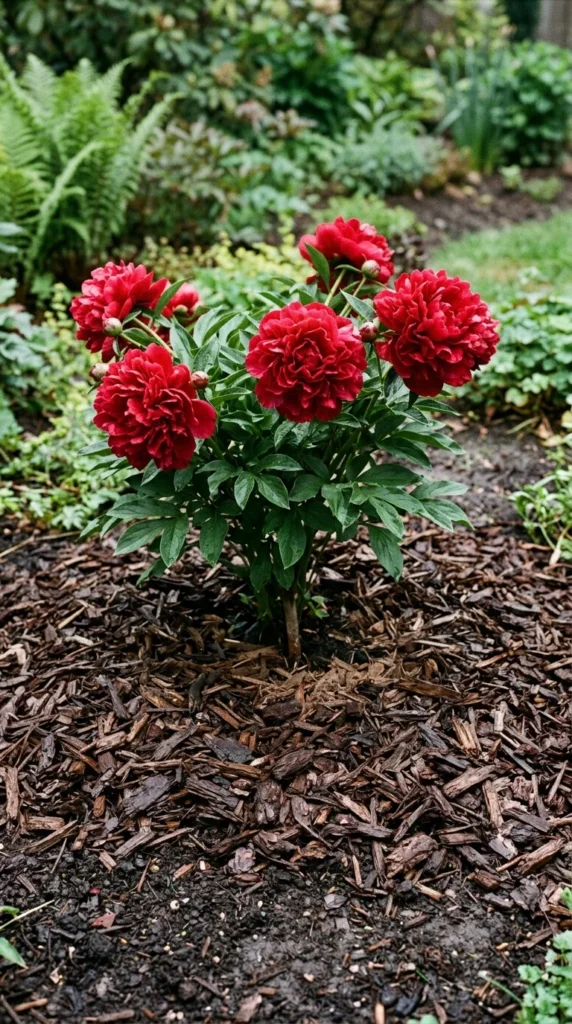
Many gardeners view mulch as purely aesthetic, but it is a functional powerhouse. A two-to-three-inch layer of organic mulch (like wood chips, straw, or shredded leaves) suppresses weeds that would otherwise steal nutrients. It also acts as insulation, keeping the roots cool in the summer and warm in the winter, and significantly reduces the frequency with which you need to water.
13. Ignoring Pests
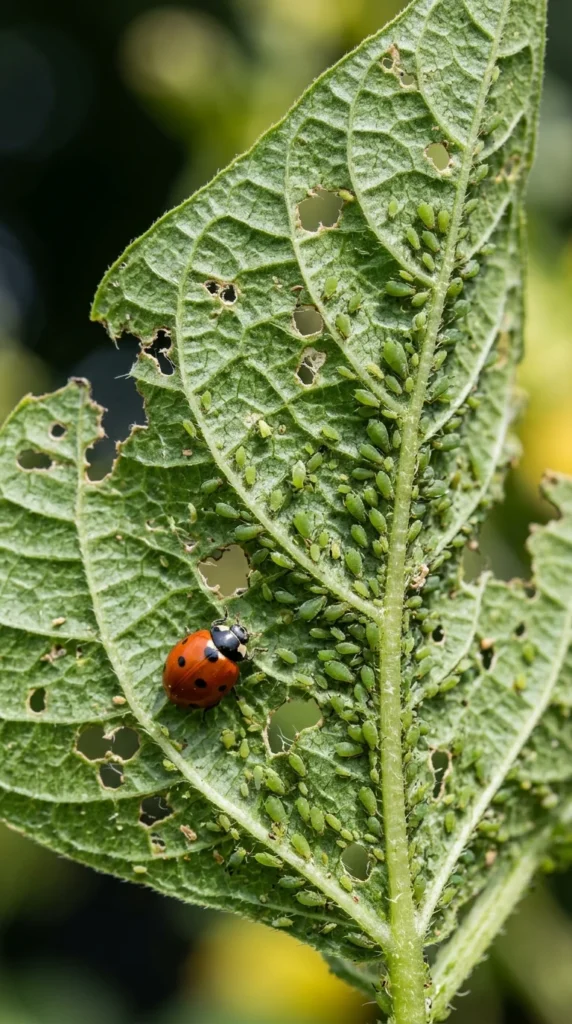
A small pest problem can become an infestation overnight. Waiting until your flowers are skeletonized before taking action is a major mistake. Make it a habit to inspect the undersides of leaves and the junctions of stems once a week. Catching aphids, slugs, or spider mites early allows you to use gentler interventions, like neem oil or a simple blast of water, rather than heavy chemical pesticides.
14. Poor Drainage
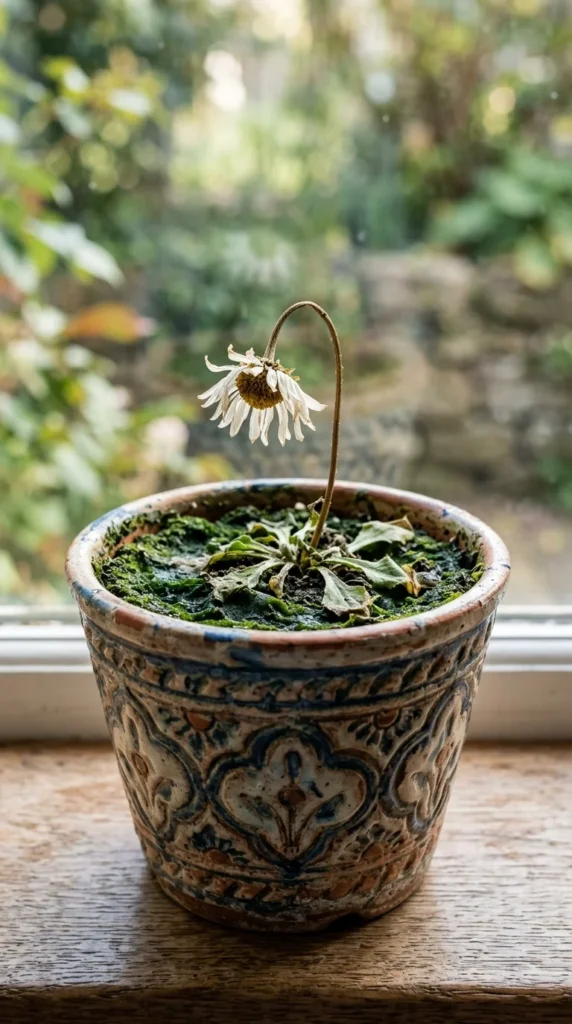
If you are growing flowers in containers, drainage is non-negotiable. Without holes in the bottom of the pot, water pools at the base, creating an anaerobic environment that rots roots instantly. Even in the ground, if you have low spots where puddles linger for hours after a rain, you must either amend the soil with grit and organic matter or choose moisture-loving plants like bog irises.
15. Root Disturbance
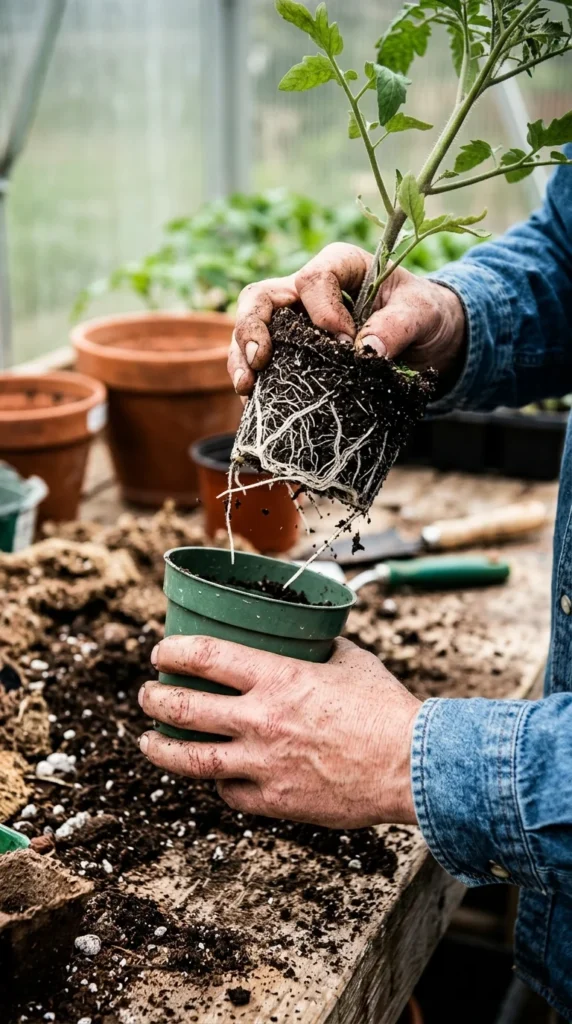
When transplanting flowers, many people are too rough with the root ball. Roots are delicate structures; tearing them causes “transplant shock,” which can stall growth for weeks or kill the plant entirely. Instead of pulling the plant by the stem, turn the pot upside down and gently squeeze the sides until the plant slides out. If the roots are “pot-bound” (circling the inside of the pot), gently tease them outward with your fingers rather than hacking at them.
16. Weed Competition
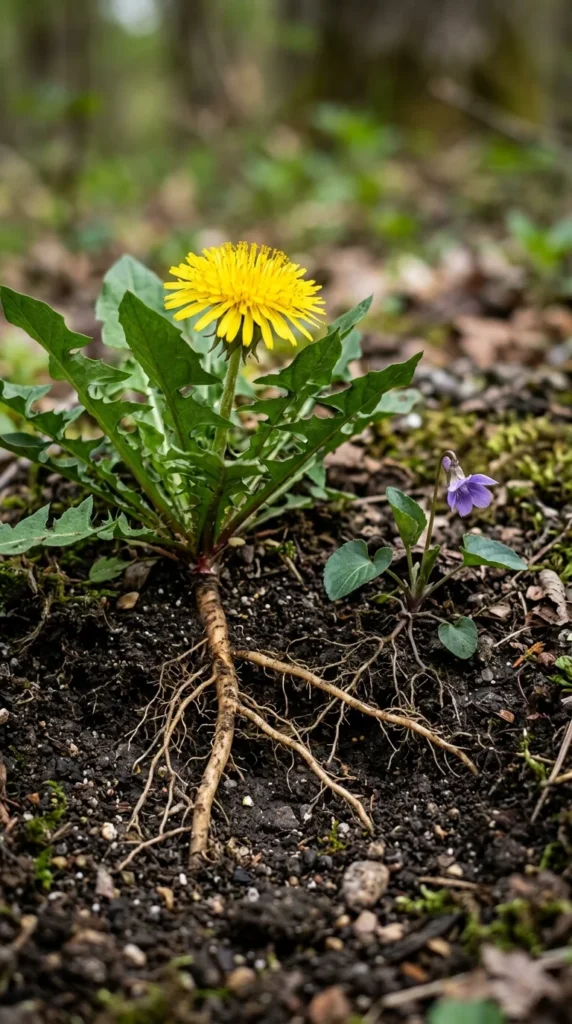
Weeds are not just ugly; they are aggressive competitors. They have evolved to grow faster and tougher than most ornamental flowers. If you allow weeds to take hold, they will rapidly deplete the soil of nitrogen and moisture, effectively starving your flowers. Hand-pulling weeds while they are small is much easier than trying to remove them once their taproots have anchored deep into your garden beds.
17. No Staking
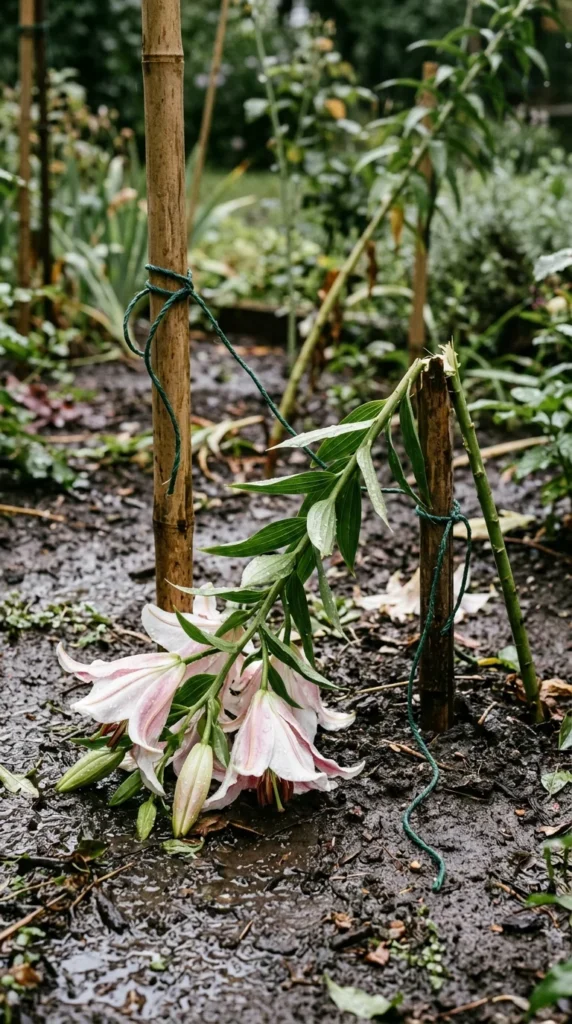
Tall, top-heavy flowers like delphiniums, gladiolus, and certain varieties of dahlias cannot support their own weight, especially when their blooms are heavy with rainwater or buffeted by wind. A common mistake is waiting until the plant is already leaning to provide support. It is much better to install stakes or cages early in the season, allowing the plant to grow through the support naturally.
18. Invasive Species
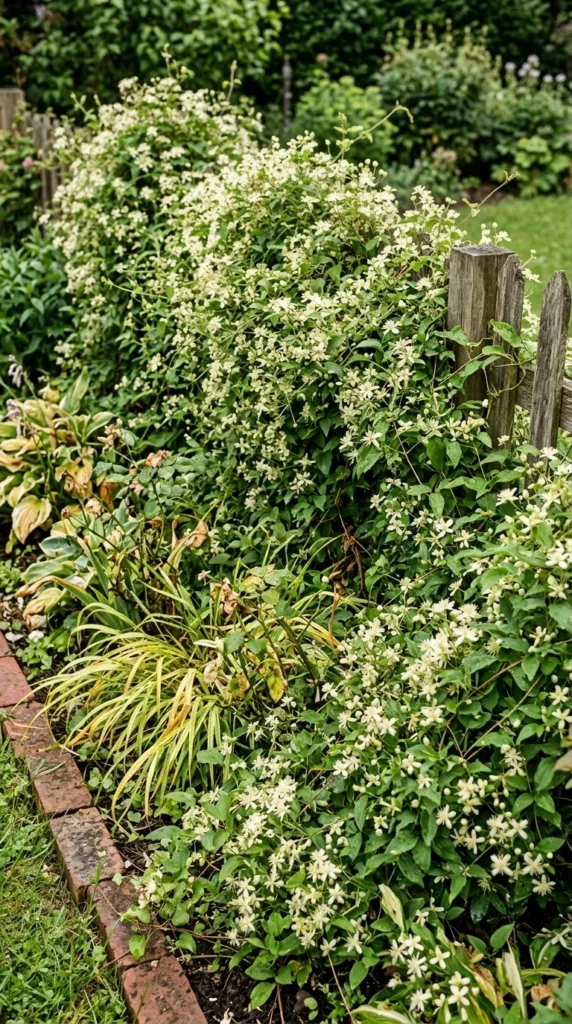
Just because a flower is pretty doesn’t mean it belongs in your garden. Some plants are highly invasive and will quickly spread through underground runners or prolific self-seeding, eventually killing off everything else you’ve planted. Always research a plant’s growth habit before introducing it. What looks like a charming groundcover in a catalog might turn into a multi-year battle to reclaim your yard.
19. Neglecting Pruning
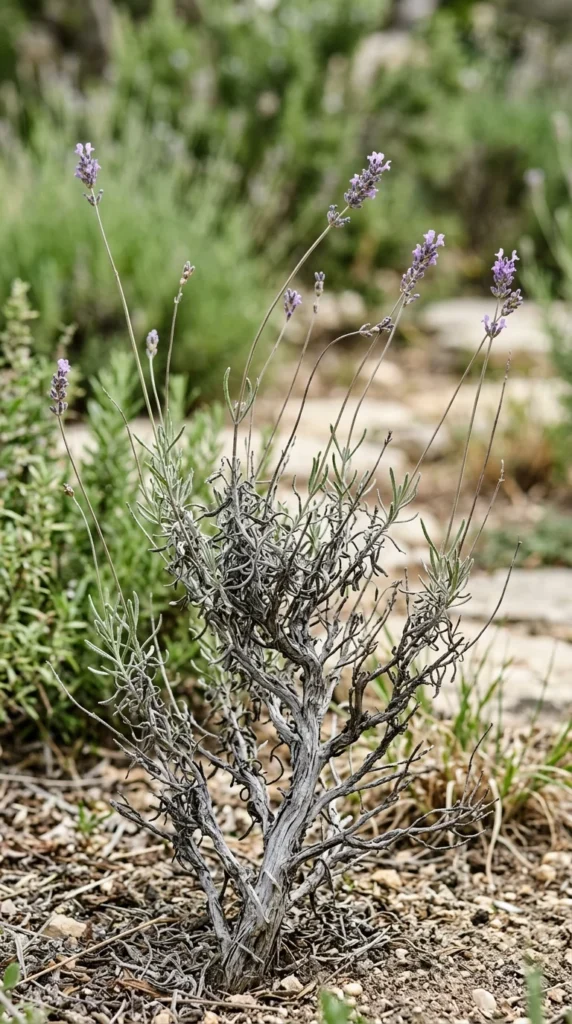
Perennial flowers and flowering shrubs often require regular pruning to maintain their shape and vigor. Failing to prune can lead to “leggy” growth and reduced flowering. For many plants, cutting back the old wood in early spring or late fall stimulates new, productive growth. However, make sure you know when your specific plant blooms; pruning a spring-bloomer in the winter might mean you’re cutting off all of this year’s flower buds.
20. Lack of Variety
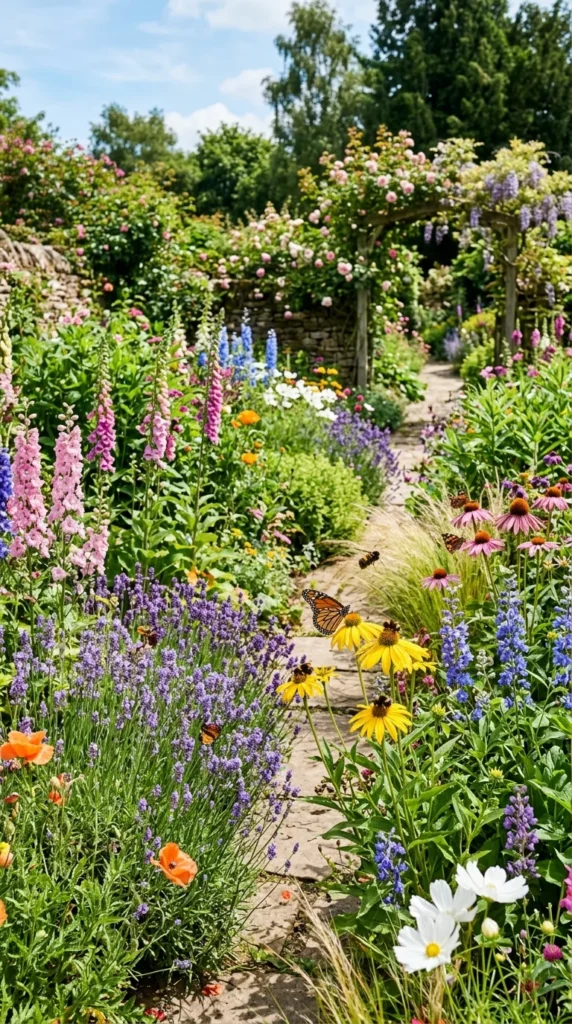
A “monoculture” garden—one where you grow only one type of flower—is much more susceptible to being wiped out by a single pest or disease. Furthermore, it often results in a garden that looks spectacular for two weeks and then brown and boring for the rest of the year. Aim for a mix of early, mid, and late-season bloomers with varying heights and textures. This not only creates a more resilient ecosystem but also ensures a constant parade of color from spring through the first frost.