The dream of a lush, vibrant garden filled with the intoxicating scent of blooming flowers is one shared by many, yet achieved by those who understand that gardening is both an art and a science. Growing show-stopping flowers isn’t just about luck or having a “green thumb”; it is about understanding the delicate biological needs of your plants and responding to them with precision. Whether you are a novice gardener or a seasoned horticulturist, mastering the nuances of floral care can transform a modest backyard into a botanical masterpiece.
From the microscopic health of the soil to the strategic timing of the harvest, every action you take in the garden ripples through the life cycle of your plants. Here are eleven closely guarded secrets that will elevate your gardening game and ensure your flower beds are the envy of the neighborhood.
1. Soil Health
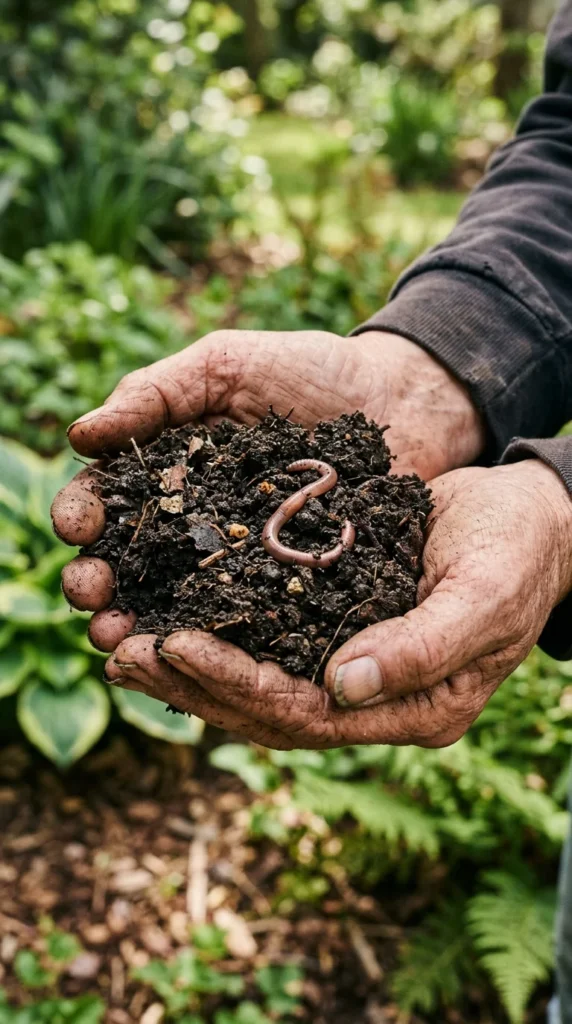
The absolute foundation of any successful flower garden is the soil. Many beginners make the mistake of focusing solely on the plant, forgetting that the roots are the engine room. High-quality soil should be “loamy”—a perfect balance of sand, silt, and clay—allowing for both drainage and moisture retention.
Secretly, the most successful gardeners treat their soil like a living organism. By incorporating organic matter such as well-rotted manure, compost, or leaf mold, you introduce beneficial microbes and mycorrhizal fungi. These organisms form a symbiotic relationship with flower roots, helping them absorb nutrients more efficiently than they ever could in sterile, synthetic-heavy dirt. Always test your soil’s pH; most flowers thrive in a slightly acidic to neutral range (6.0 to 7.0). If your soil is too alkaline or too acidic, your flowers will struggle to “eat,” no matter how much you fertilize.
2. Sun Exposure
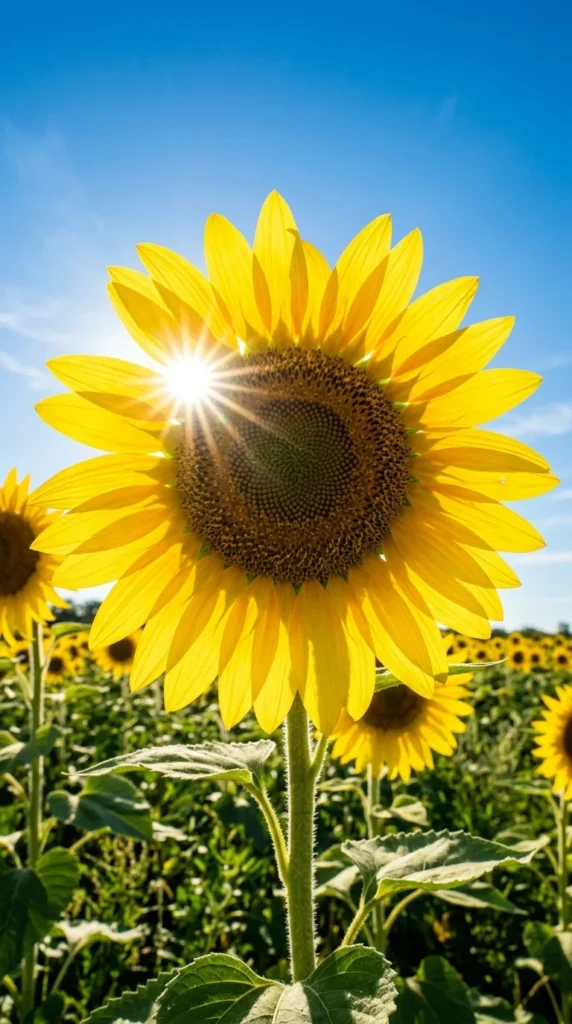
Light is the fuel for photosynthesis, the process by which plants create the energy needed to produce those spectacular blooms. However, not all light is created equal. The secret lies in matching the plant to its specific “light budget.”
“Full sun” means at least six to eight hours of direct sunlight daily. Flowers like Zinnias, Marigolds, and Lavender are sun-worshippers and will become leggy and bloom-less if kept in the shade. Conversely, “Partial Shade” lovers like Bleeding Hearts or Hydrangeas can actually suffer from sunburn, which manifests as scorched, crispy leaves. Observe your garden at different times of the day—8 AM, 12 PM, and 4 PM—to map out the shadows. Placing a plant in its preferred light zone is often the difference between a plant that merely survives and one that truly thrives.
3. Deep Hydration
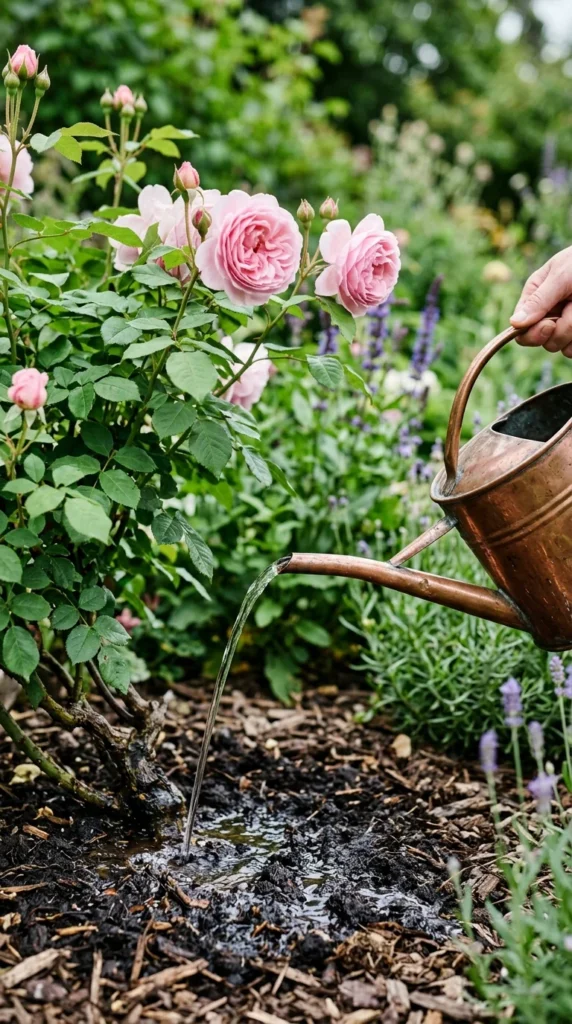
Watering seems simple, but it is one of the most common places where gardeners fail. The secret to professional-grade flowers is deep, infrequent watering rather than frequent light sprinkles. When you water lightly every day, the roots stay near the surface, making the plant vulnerable to heat and drought.
By watering deeply—aiming for the water to penetrate several inches into the ground—you encourage the roots to grow downward, creating a more resilient and stable plant. Furthermore, always water at the base of the plant. Wetting the foliage, especially in the evening, creates a breeding ground for fungal diseases like powdery mildew. Morning is the ideal time to hydrate, allowing any accidental splashes on the leaves to evaporate in the sun before nightfall.
4. Nutrient Loading
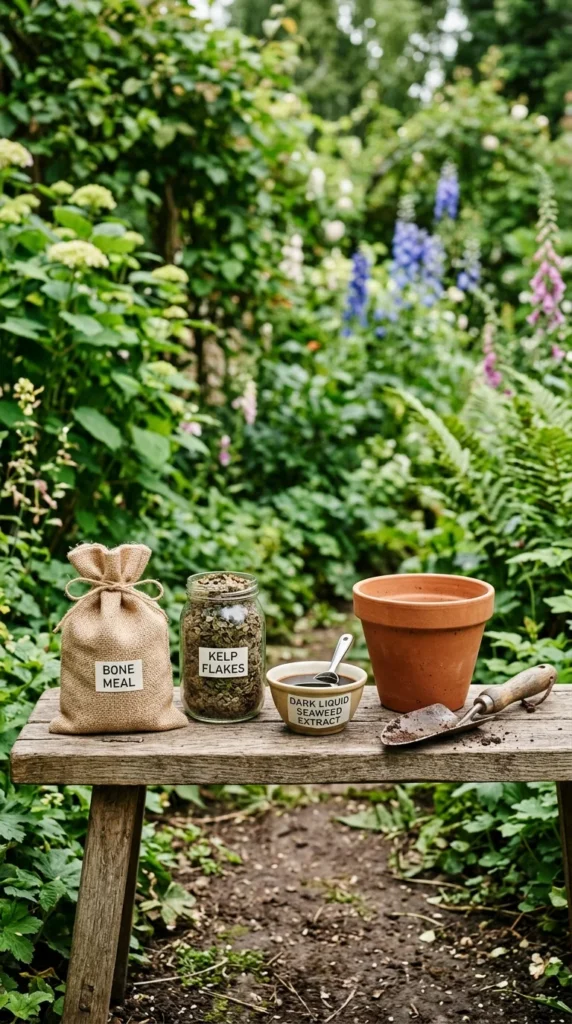
While healthy soil provides a base, flowers are “heavy feeders,” especially during their peak blooming season. To get those oversized, vibrant blossoms, you need to provide a steady supply of nutrients. The secret is understanding the N-P-K ratio found on fertilizer labels (Nitrogen, Phosphorus, and Potassium).
While Nitrogen is great for green leaves, Phosphorus (the middle number) is the magic ingredient for flower production. Using a “bloom booster” fertilizer high in phosphorus during the budding stage can result in a dramatic increase in the size and quantity of flowers. However, don’t overdo it; excess fertilizer can burn the roots or lead to lush green growth with zero flowers. Organic options like fish emulsion or compost tea provide a slower, more sustainable release of nutrients that won’t harm the delicate ecosystem of your garden.
5. Strategic Deadheading
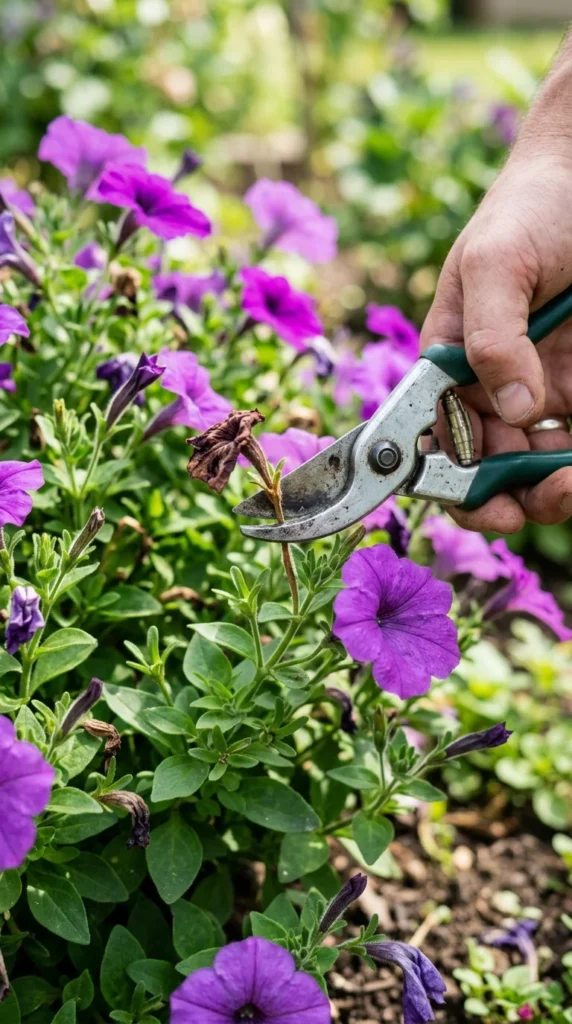
Deadheading is the process of removing faded or spent blooms, and it is perhaps the most effective way to extend your flowering season. Biologically, a plant’s goal is to reproduce by producing seeds. Once a flower fades and begins to form a seed pod, the plant shifts its energy away from making new flowers and toward seed maturation.
By snipping off the dead flowers, you “trick” the plant into thinking it hasn’t finished its job yet. In response, it will produce a fresh flush of buds in an attempt to finally create seeds. For many perennials and annuals, like Dahlias or Geraniums, consistent deadheading can double or even triple the amount of time the plant remains in bloom.
6. Mulching Mastery
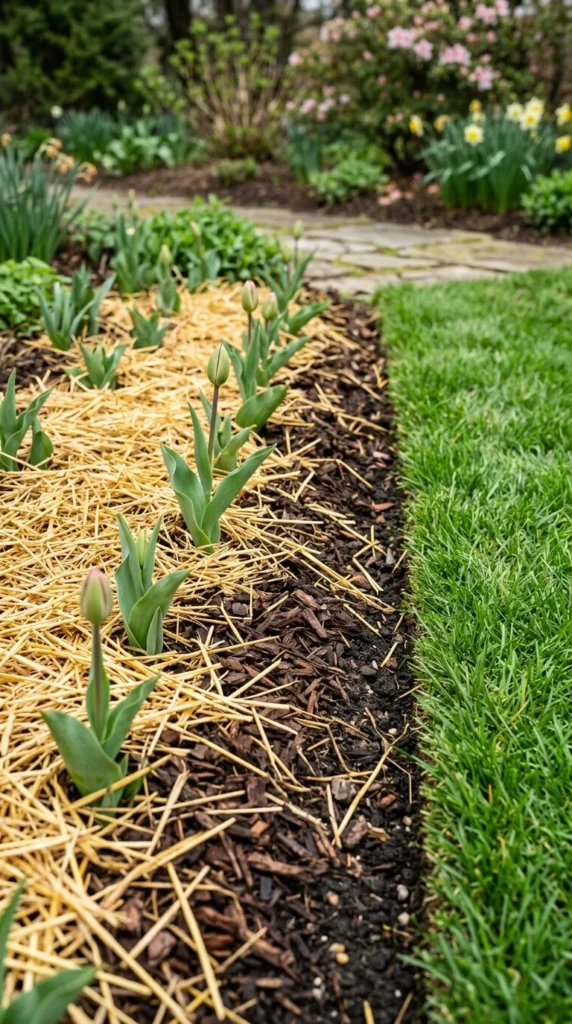
Mulch is the “secret blanket” of the garden. A two-to-three-inch layer of organic mulch—such as cedar chips, pine needles, or straw—serves three critical functions. First, it suppresses weeds that would otherwise compete with your flowers for nutrients and water. Second, it acts as an insulator, keeping the roots cool during the scorching summer heat and warm during unexpected cold snaps.
Third, and most importantly, mulch prevents moisture evaporation. In a mulched bed, the soil stays consistently moist for much longer, reducing the stress on your flowers. As the mulch breaks down over time, it also contributes valuable organic matter back into the soil, completing a virtuous cycle of growth and renewal.
7. Air Circulation
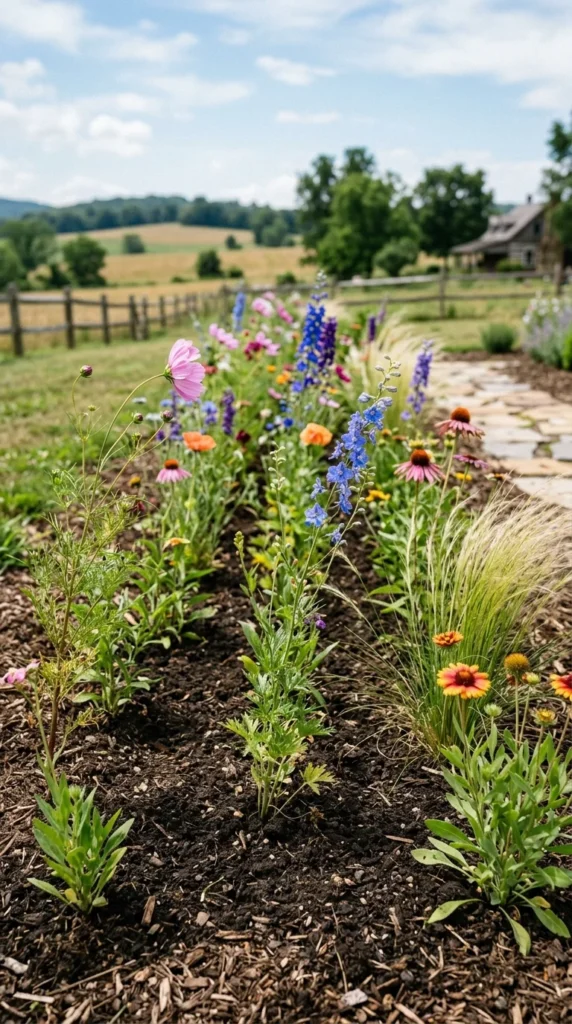
Crowding is a silent killer in the flower garden. While it’s tempting to pack plants together for an instant “full” look, this often leads to disaster. Without proper spacing, air cannot circulate around the leaves and stems. Stagnant, humid air is the primary cause of fungal infections and pest infestations.
The secret is to respect the “mature width” listed on the plant tag. It might look sparse when you first plant, but giving your flowers room to breathe ensures that sunlight can reach the lower leaves and that the wind can dry out excess moisture. Proper spacing also reduces competition for root space, allowing each individual plant to reach its maximum genetic potential for size and color.
8. Native Selection
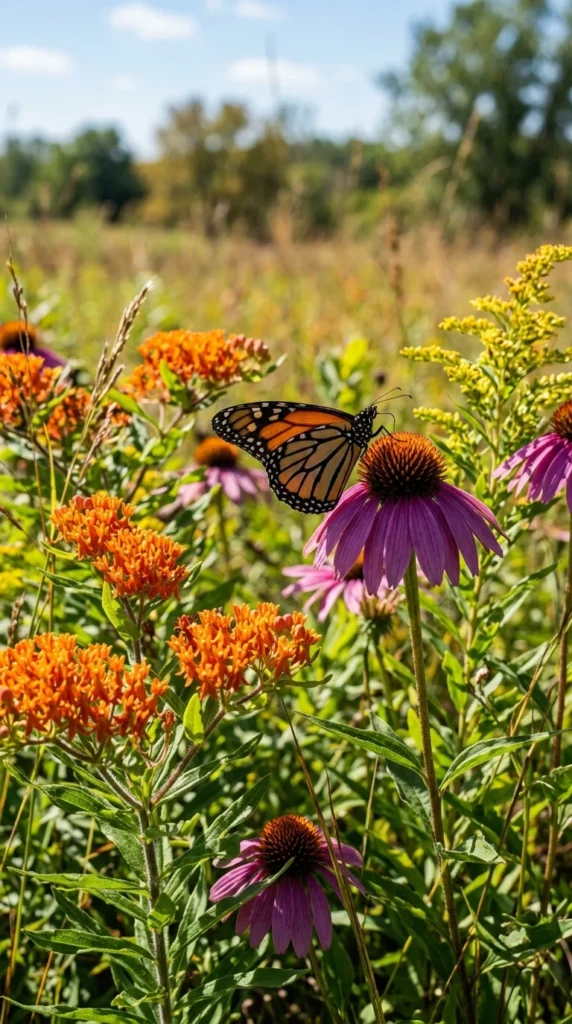
One of the best-kept secrets of successful gardeners is the use of native plants. While exotic tropicals are beautiful, they often require an immense amount of work to survive in non-native climates. Native flowers, however, have evolved over thousands of years to thrive in your specific soil, rainfall patterns, and temperature fluctuations.
Native plants are naturally more resistant to local pests and diseases. They also provide essential nectar and habitat for local pollinators like bees, butterflies, and hummingbirds. When you plant natives, you are working with nature rather than against it, which usually results in healthier plants that require significantly less intervention and chemical support.
9. Pest Management
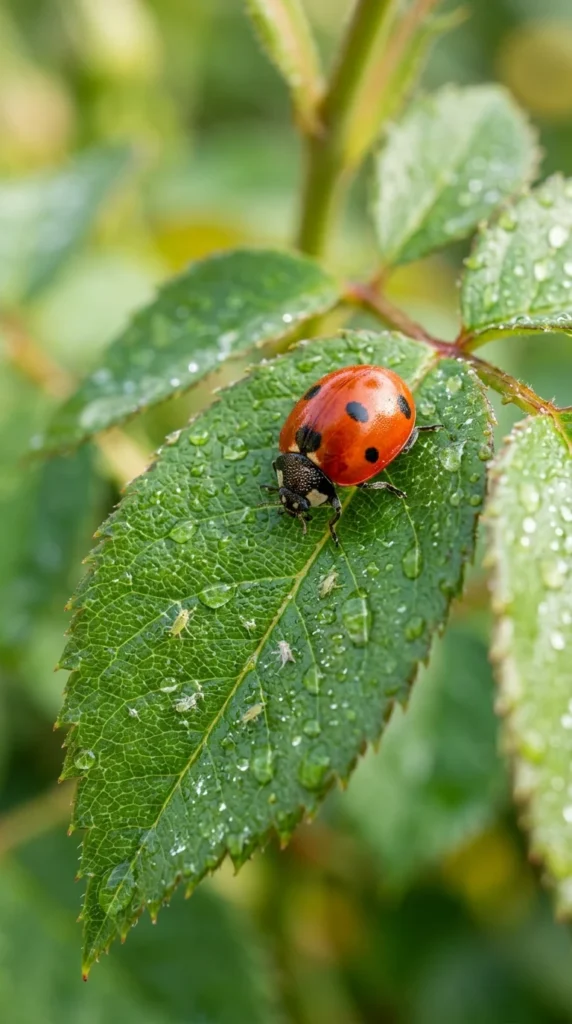
A beautiful garden will inevitably attract uninvited guests. However, the secret to beautiful flowers isn’t reaching for a bottle of harsh chemical pesticide at the first sign of a hole in a leaf. Heavy chemicals often kill the “good bugs” along with the bad, leading to a secondary outbreak of pests that the natural predators would have otherwise handled.
Instead, practice Integrated Pest Management (IPM). This involves encouraging beneficial insects—like ladybugs, lacewings, and predatory wasps—that act as a natural security force. If you must intervene, start with the least toxic options, such as a strong blast of water from a hose to knock off aphids, or an organic neem oil spray. A healthy, well-fed plant is also much better at defending itself against pests than a stressed one.
10. Precision Pruning
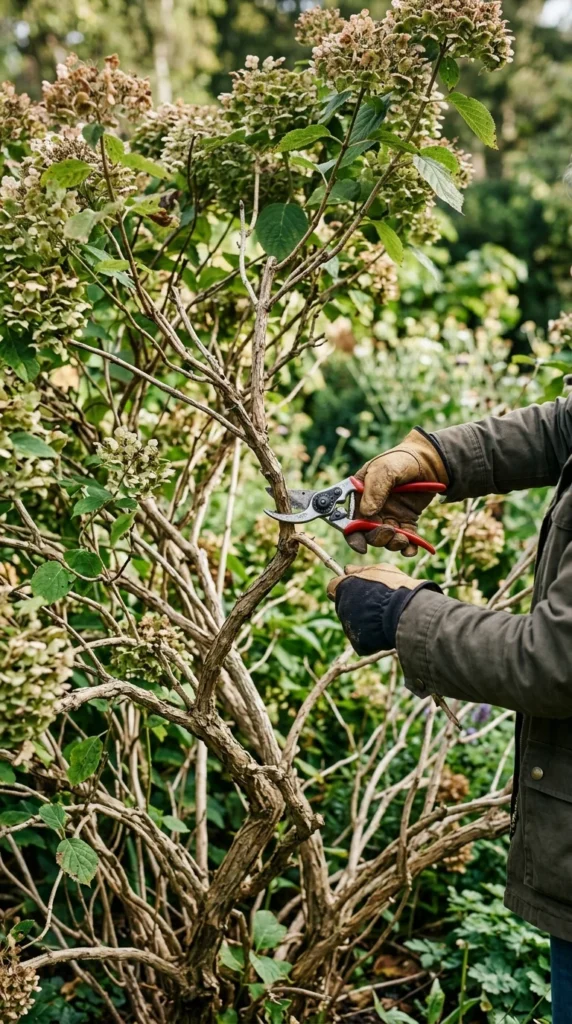
Pruning is often misunderstood as merely “cutting things back,” but it is actually a strategic way to direct a plant’s growth energy. For many flowering shrubs and perennials, pruning at the right time is the secret to a massive bloom display.
The trick is knowing when your plant sets its buds. Flowers that bloom on “old wood” (growth from the previous year), like certain Hydrangeas and Azaleas, should be pruned immediately after they finish flowering. If you prune them in the winter, you’ll be cutting off all of next year’s flowers. Conversely, plants that bloom on “new wood” should be pruned in late winter or early spring to encourage a burst of fresh, flower-bearing growth. Regular pruning also removes dead or diseased wood, preventing rot from spreading to the healthy parts of the plant.
11. Seasonal Patience
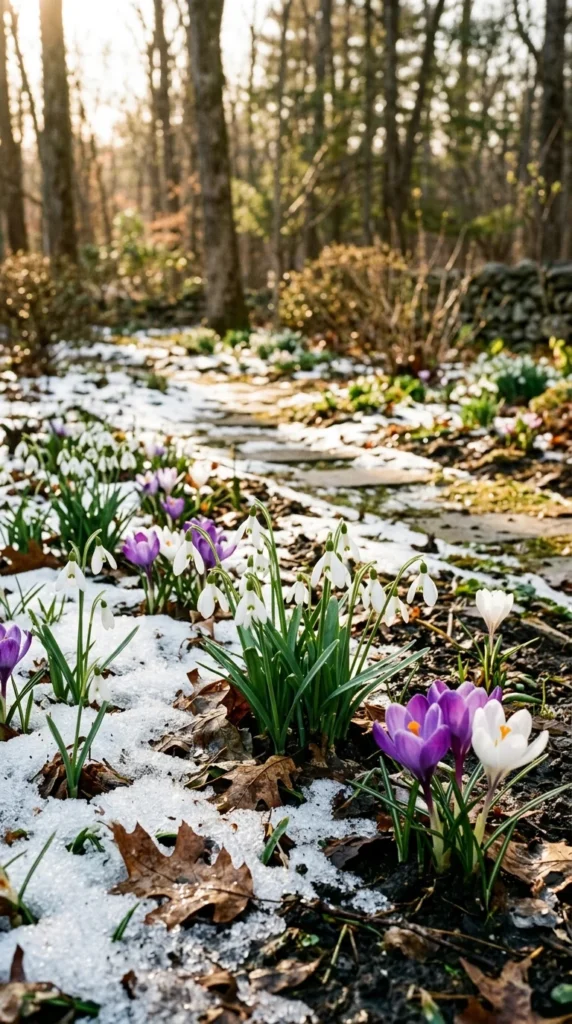
The final and perhaps most important secret is the virtue of patience and timing. Every flower has its season. Trying to force a spring-blooming Peony to flower in the heat of August is a recipe for frustration. Understanding the “phenology”—the timing of biological events—in your specific region allows you to plan a garden that has “succession blooms.”
By selecting a variety of plants that bloom at different times—bulbs for spring, perennials for summer, and asters for autumn—you can ensure your garden remains beautiful for three-quarters of the year. Gardening is a long game; sometimes the secret to a beautiful flower this year was the work you did to prepare the bulb in the ground the previous fall. Embrace the rhythm of the seasons, and your garden will reward you with a spectacular, ever-changing show.