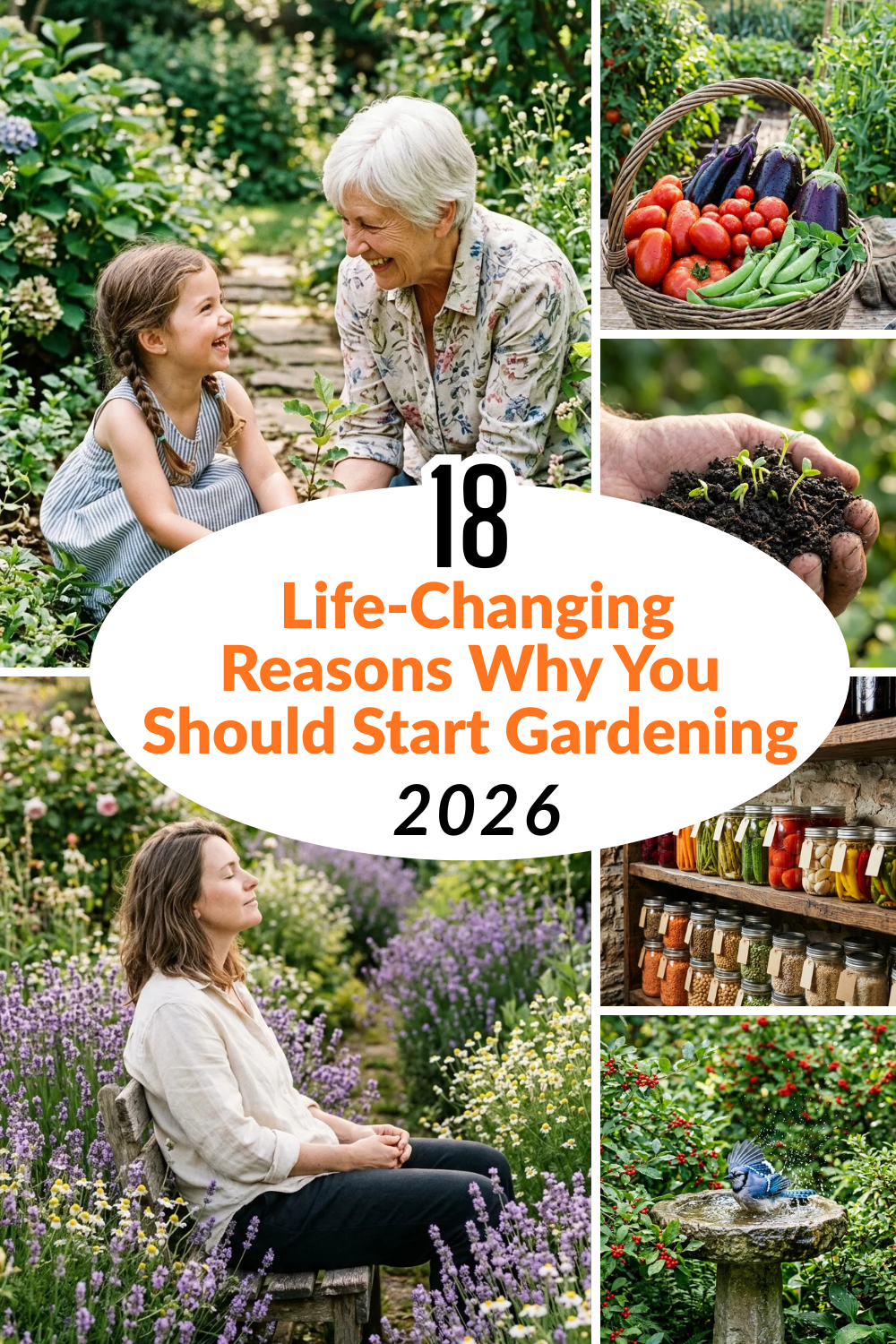
In an era defined by high-speed internet, endless notifications, and the concrete sprawl of urban living, there is a primal call returning many to the soil. Gardening is no longer just a hobby for retirees; it is a revolutionary act of self-care, sustainability, and connection. Whether you have a sprawling acre of land or a few pots on a fire escape, the act of nurturing a plant from seed to bloom can fundamentally alter your perspective on life.
Here are 18 life-changing reasons why you should pick up a trowel and start your gardening journey today.
1. Stress Relief
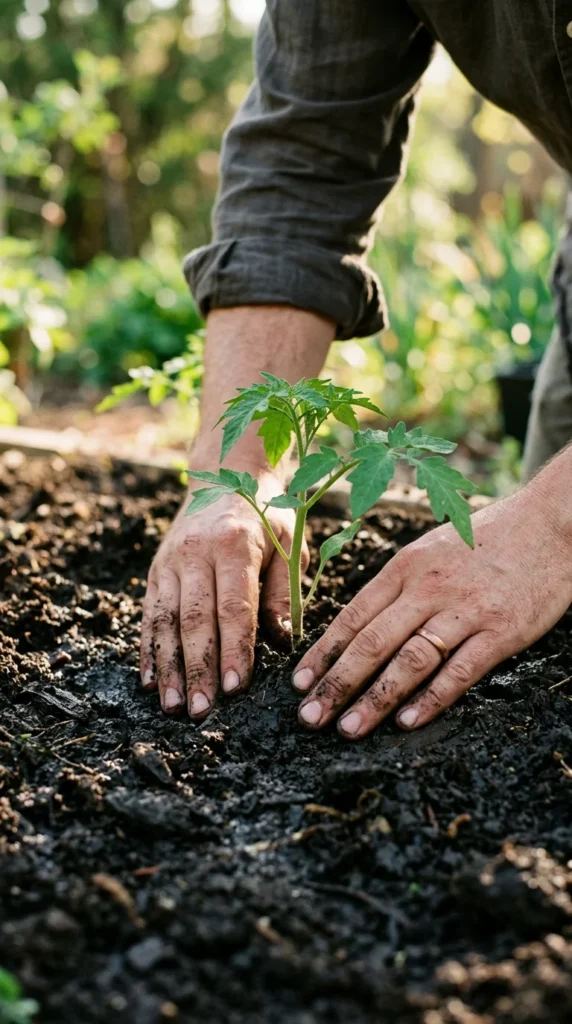
The modern world is a pressure cooker of deadlines and digital noise. Gardening offers an immediate “off-switch.” Studies have shown that working with plants lowers cortisol levels, the body’s primary stress hormone. There is something inherently meditative about the rhythmic nature of weeding, watering, and pruning. It forces you to slow down and breathe, shifting your focus from abstract anxieties to the tangible, physical reality of the earth beneath your fingernails.
2. Physical Exercise
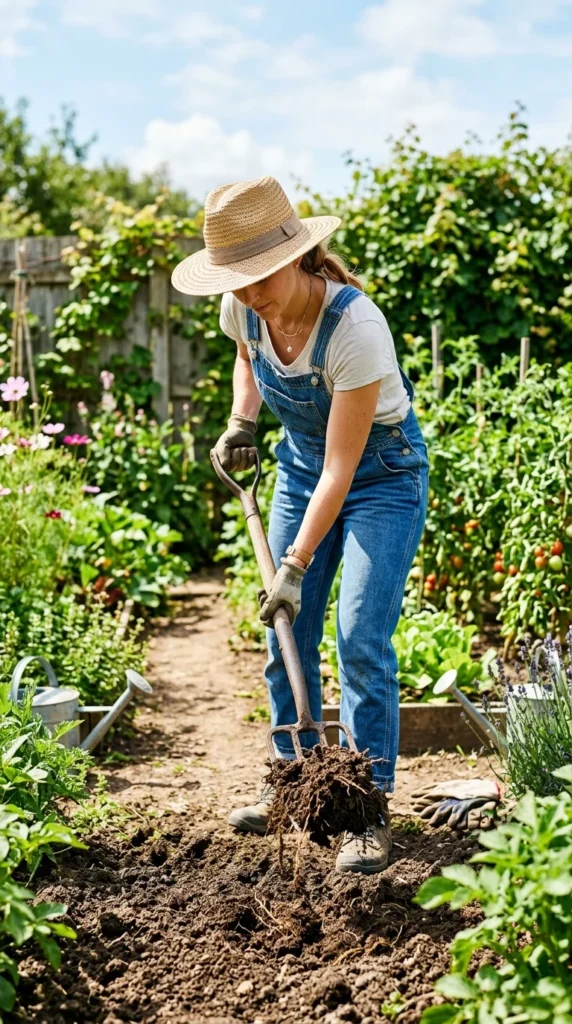
Forget the treadmill; the garden is your new gym. Gardening is a full-body workout that incorporates functional movements like squatting, lunging, lifting, and stretching. Digging holes, carrying heavy watering cans, and pushing a wheelbarrow build functional strength and improve cardiovascular health. It’s an “invisible” workout—you’re so focused on the beauty of your plants that you don’t even realize you’ve burned hundreds of calories by the time the sun goes down.
3. Better Nutrition
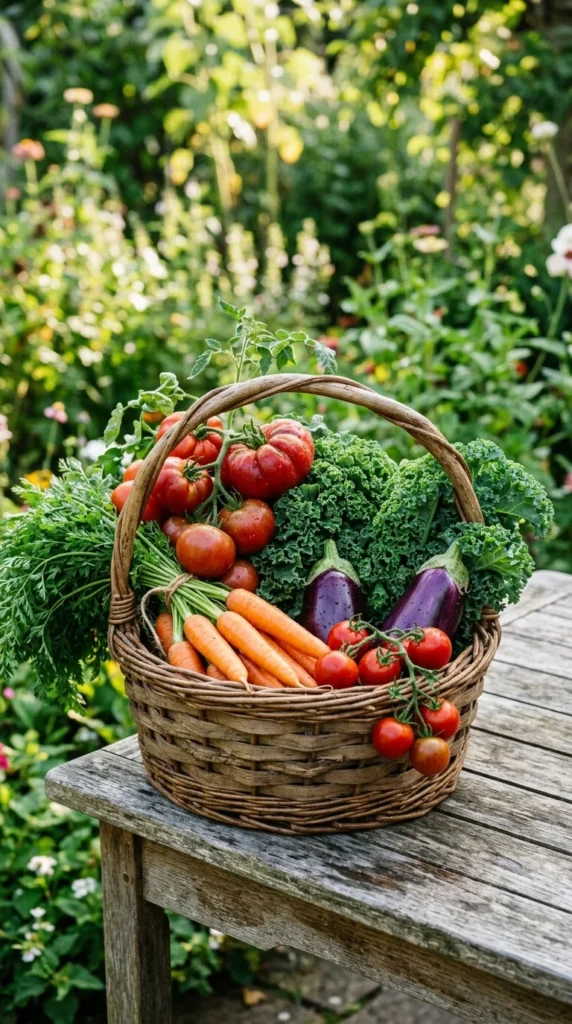
When you grow your own food, you have a front-row seat to the miracle of nutrition. Supermarket produce is often bred for durability during transport rather than flavor or nutrient density. Homegrown vegetables, however, are picked at the peak of ripeness. A tomato ripened on the vine in your backyard contains significantly more vitamins and antioxidants than one that ripened in a shipping container. Plus, you’re far more likely to eat your greens when you’ve watched them grow from a tiny sprout.
4. Vitamin D

In our indoor-centric lives, Vitamin D deficiency has become a silent epidemic. This “sunshine vitamin” is crucial for bone health and immune function. Spending just thirty minutes in the garden provides your body with the sunlight it needs to synthesize Vitamin D naturally. While you’re tending to your roses, you’re also fortifying your skeletal system and boosting your mood, making the garden a natural pharmacy for your well-being.
5. Mental Clarity
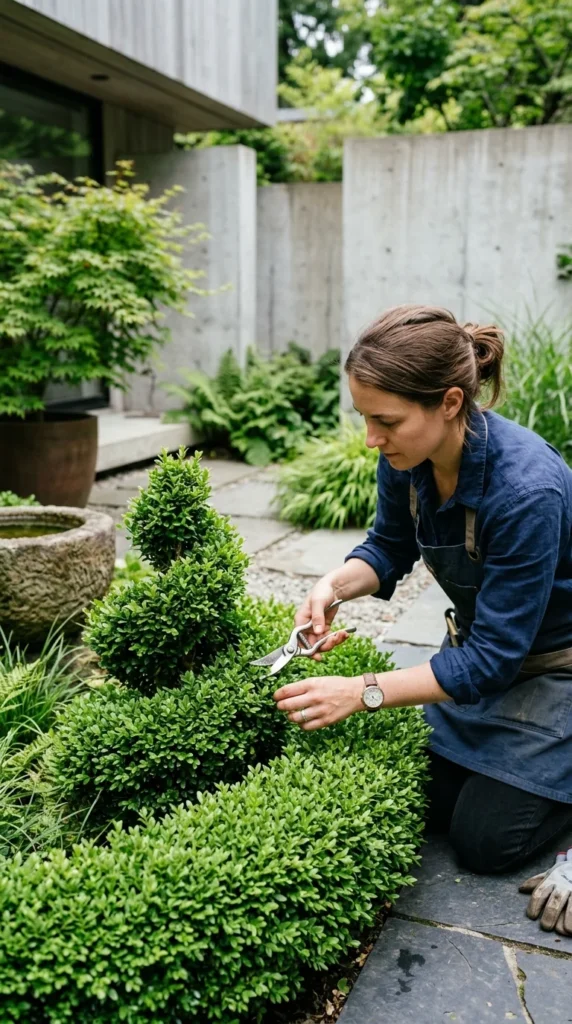
Gardening requires a specific type of focus known as “soft fascination.” Unlike the “directed attention” required to stare at a computer screen, soft fascination allows the mind to wander and recover. This state of mind is highly restorative for those suffering from mental fatigue. By focusing on the intricate details of a leaf or the path of an insect, you give the analytical part of your brain a much-needed rest, leading to improved concentration and problem-solving skills in other areas of your life.
6. Environmental Impact
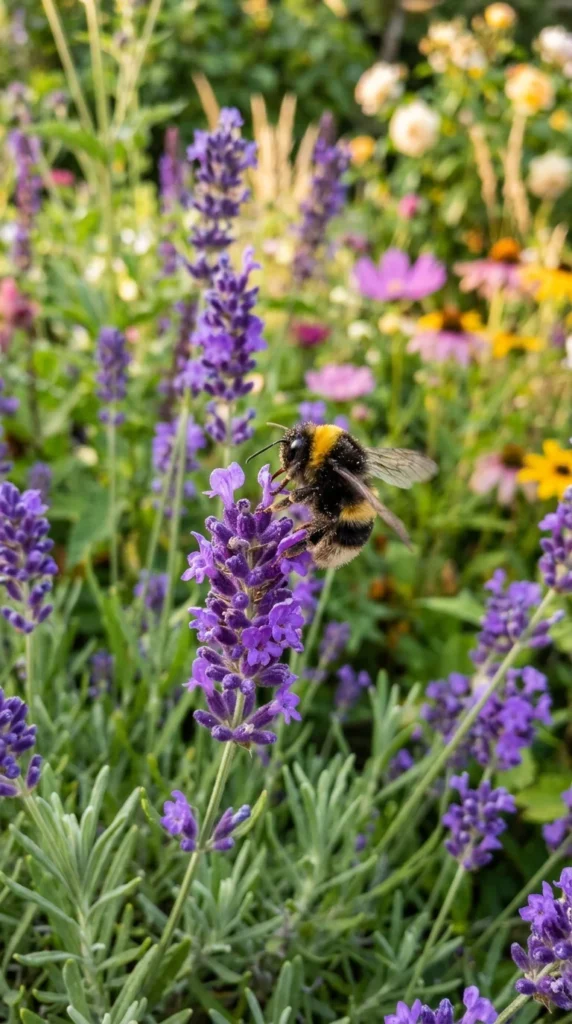
Every garden, no matter how small, is a miniature ecosystem. By planting native flowers and avoiding harsh pesticides, you provide a sanctuary for pollinators like bees, butterflies, and birds. Gardening allows you to reduce your carbon footprint by shortening the distance your food travels from “farm to table” to just a few feet. You become a steward of the earth, contributing to the local biodiversity and helping to combat the “heat island” effect in urban environments.
7. Financial Savings

While there is an initial investment in tools and seeds, a well-managed garden can significantly lower your grocery bill. High-value crops like berries, herbs, and salad greens are expensive at the store but incredibly cheap to grow at home. A single packet of tomato seeds costs less than one organic tomato but can produce dozens of pounds of fruit. Over time, your garden becomes a living savings account that pays dividends in fresh, delicious food.
8. Patience
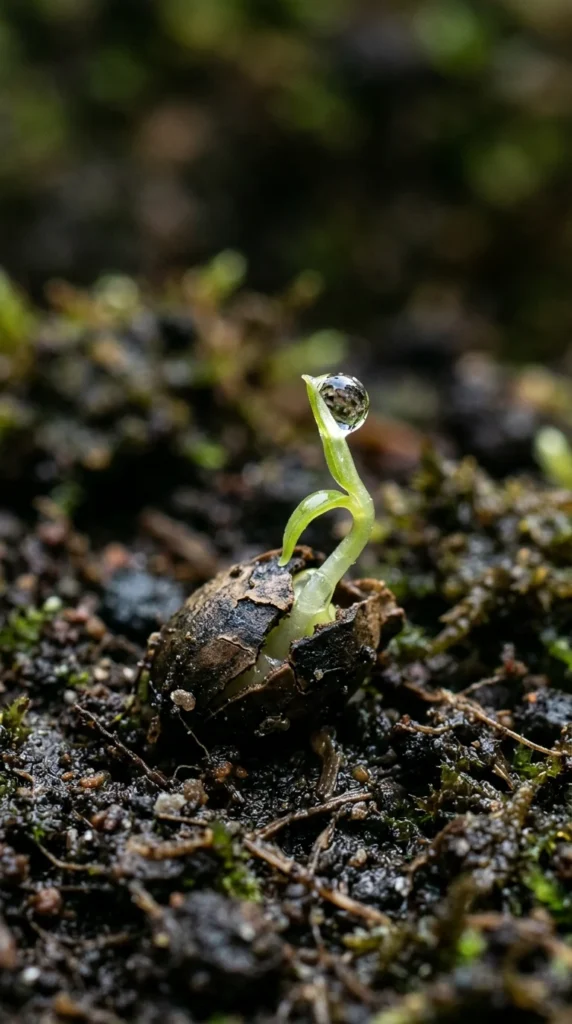
In an age of instant gratification, gardening is a masterclass in patience. You cannot rush a pumpkin. You cannot force a tulip to bloom before its time. Gardening teaches you to respect the rhythms of nature and the passage of time. It rewards the “long game,” showing you that the most beautiful results often come to those who are willing to wait, nurture, and persist through the seasons.
9. Sleep Quality
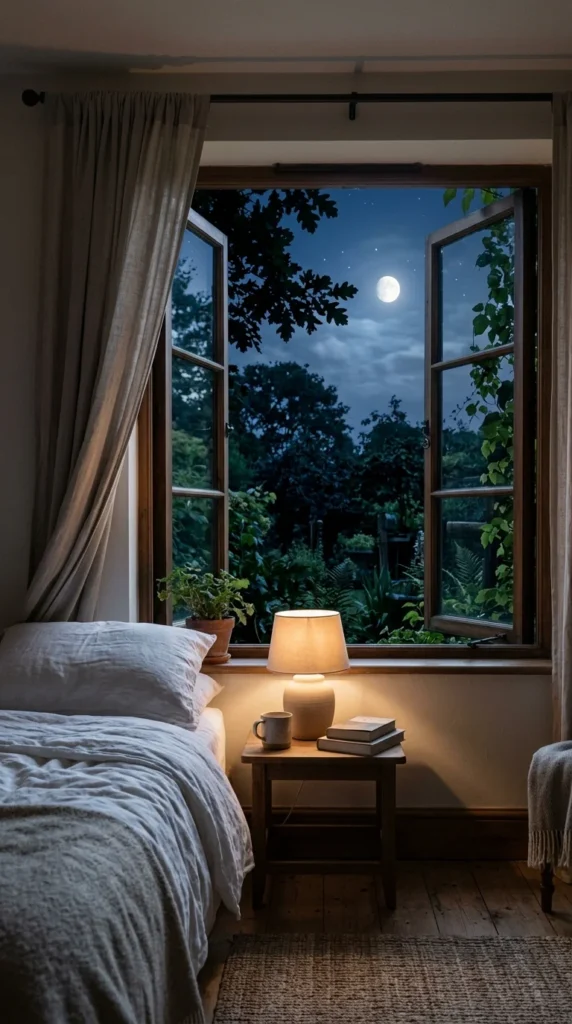
The combination of physical exertion and fresh air is a foolproof recipe for a good night’s sleep. Exposure to natural light during the day helps regulate your circadian rhythm, making it easier to fall asleep and wake up naturally. Furthermore, the reduction in stress achieved through gardening prevents the late-night “brain whirl” that often leads to insomnia. After a day of tilling the earth, your body is primed for deep, restorative rest.
10. Soil Health
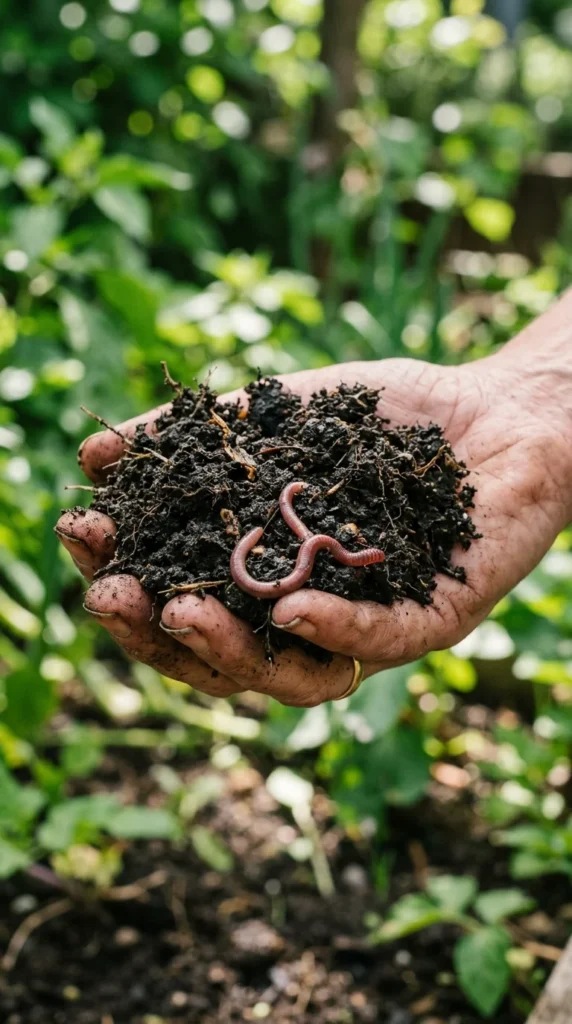
Gardening connects you to the most undervalued resource on the planet: the soil. By composting your kitchen scraps and adding them back to your garden, you participate in the great cycle of life. You learn that healthy plants start with healthy soil. This understanding of “the underground” fosters a deeper appreciation for the planet’s biology and the complex web of life that sustains us all.
11. Sense of Purpose
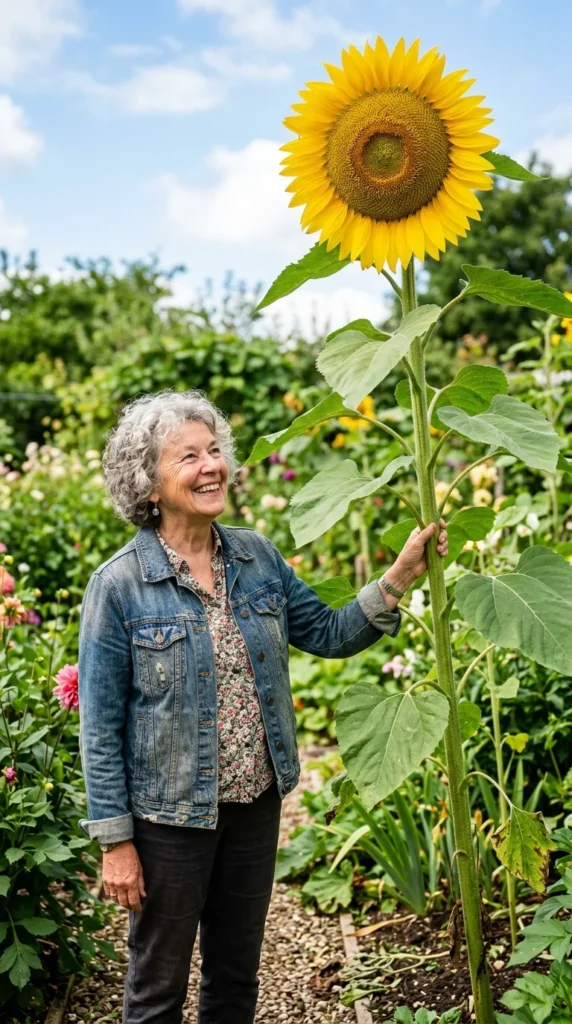
There is a profound sense of agency that comes with growing something. For many, gardening provides a “reason to get up in the morning.” Whether it’s the need to water a wilting plant or the excitement of checking for the first strawberry, the garden provides a structure and a sense of duty. This is particularly life-changing for those going through transitions, such as retirement or a career change, as it offers a tangible way to see the fruits of one’s labor.
12. Biodiversity
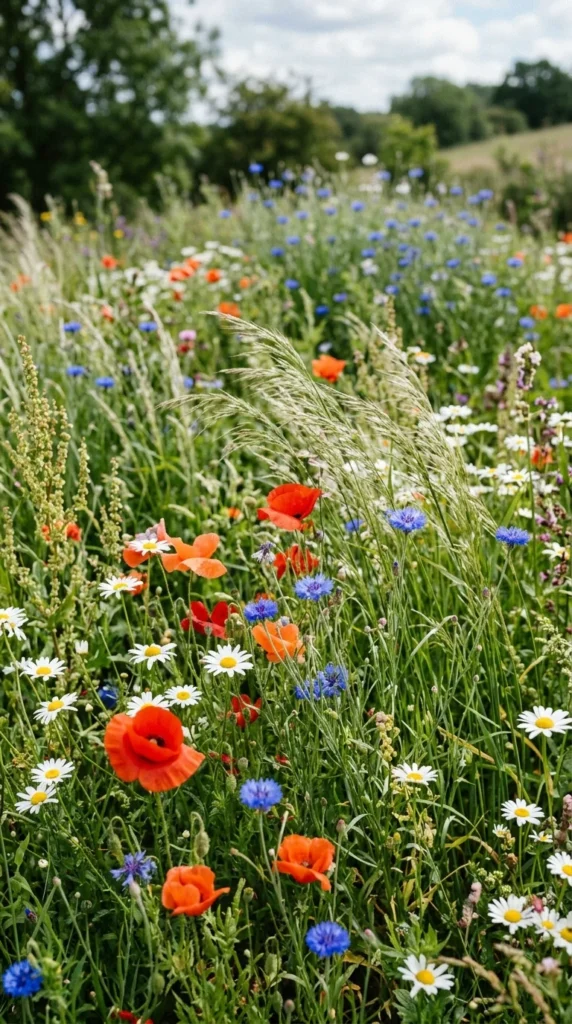
Monoculture—the practice of growing only one type of plant—is harmful to the environment. Gardening allows you to experiment with heirloom varieties and rare plants that you’ll never find in a supermarket. By planting a diverse range of species, you help preserve genetic diversity. Your garden becomes a genetic ark, protecting plant varieties that might otherwise go extinct in the face of industrial agriculture.
13. Education
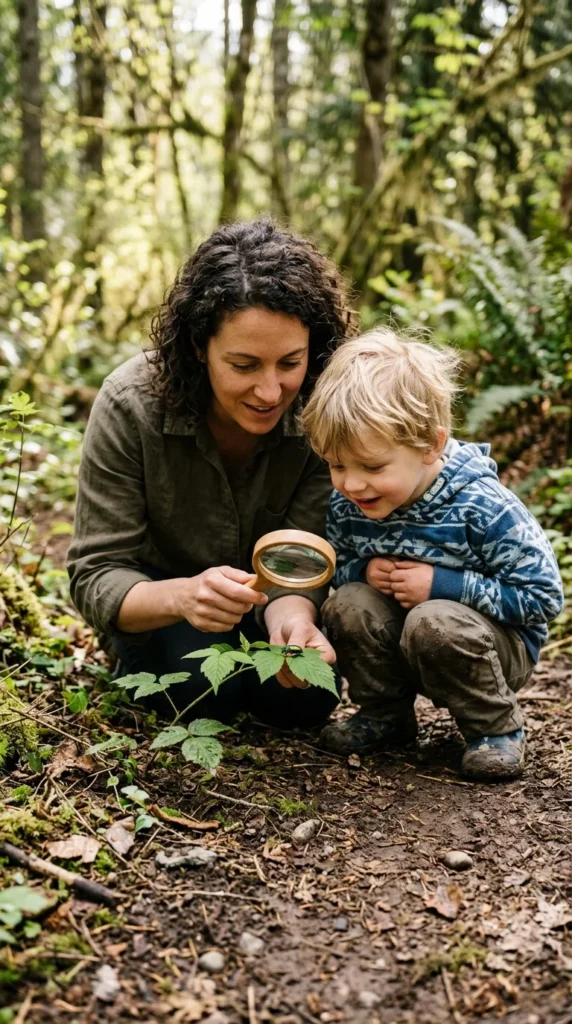
The garden is the ultimate outdoor classroom. It provides a hands-on education in biology, chemistry, and weather patterns. For children, gardening teaches them where food comes from and instills a sense of responsibility. For adults, it’s a lifelong learning process where every season brings a new lesson. You learn about PH levels, nitrogen cycles, and the intricate symbiotic relationships between plants and insects.
14. Seasonal Connection
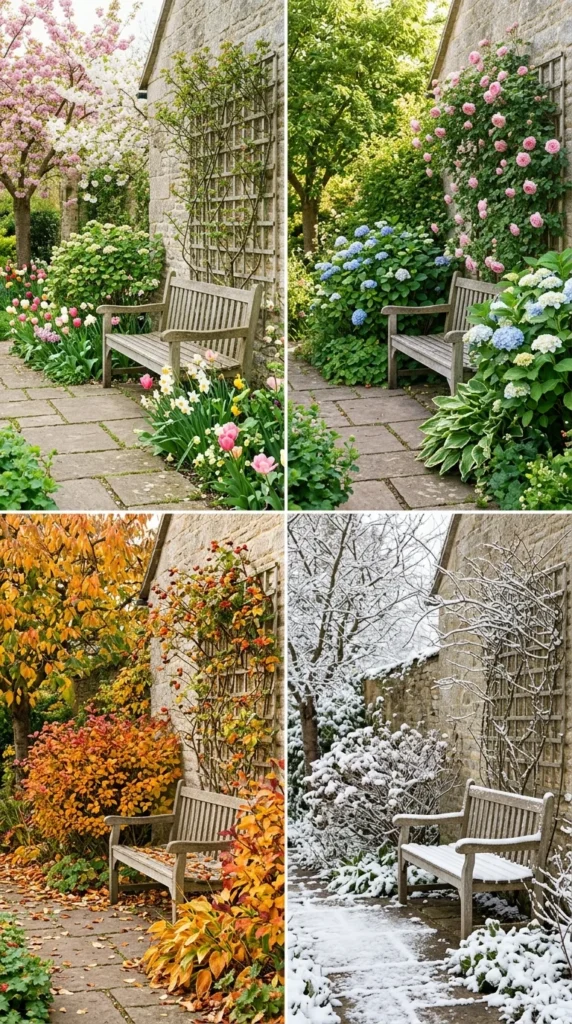
Modern life often feels disconnected from the seasons; we have climate-controlled offices and strawberries available in January. Gardening plugs you back into the natural calendar. You begin to notice the subtle shift in the angle of the sun, the arrival of specific migratory birds, and the first frost. This connection to the seasons provides a grounding sense of time that is both comforting and exhilarating.
15. Air Quality
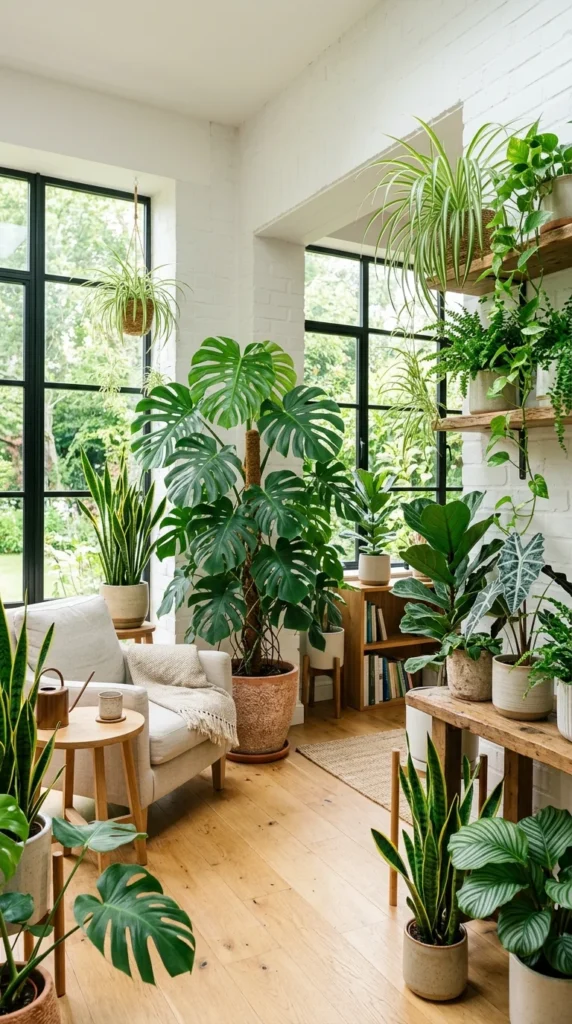
Whether indoors or out, plants are nature’s air purifiers. They absorb carbon dioxide and release oxygen, but they also filter out common volatile organic compounds (VOCs) and toxins from the air. Surrounding yourself with greenery literally helps you breathe easier. In an outdoor setting, a dense garden can even act as a sound barrier and a filter for urban dust and pollutants.
16. Creative Expression
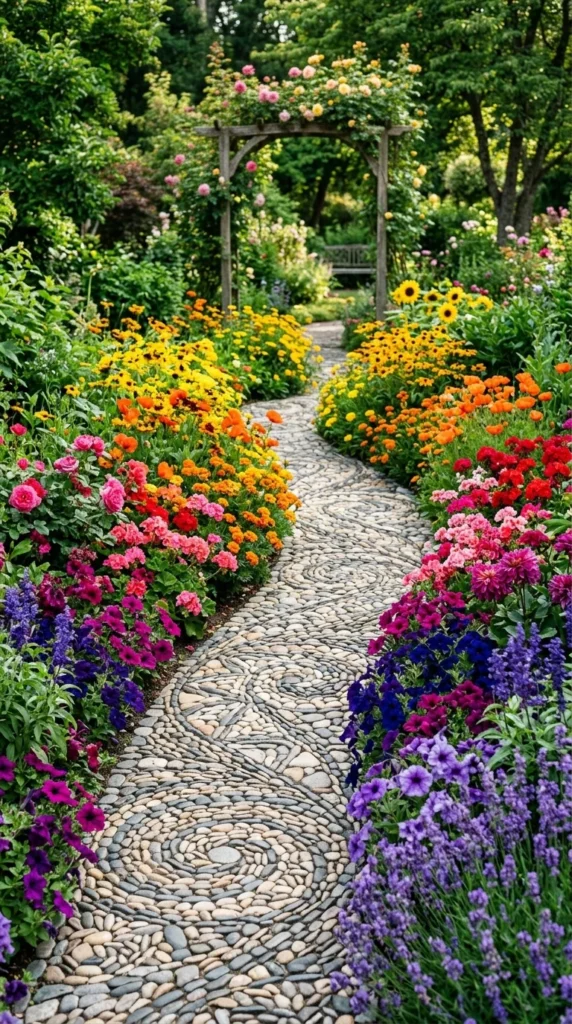
A garden is a living canvas. You are the artist, and the plants are your medium. You get to play with color, texture, height, and fragrance. Designing a garden allows for endless creative expression, from the formal symmetry of a French garden to the wild, romantic chaos of an English cottage garden. It is a space where you can manifest your personal aesthetic and create a world that is uniquely yours.
17. Community
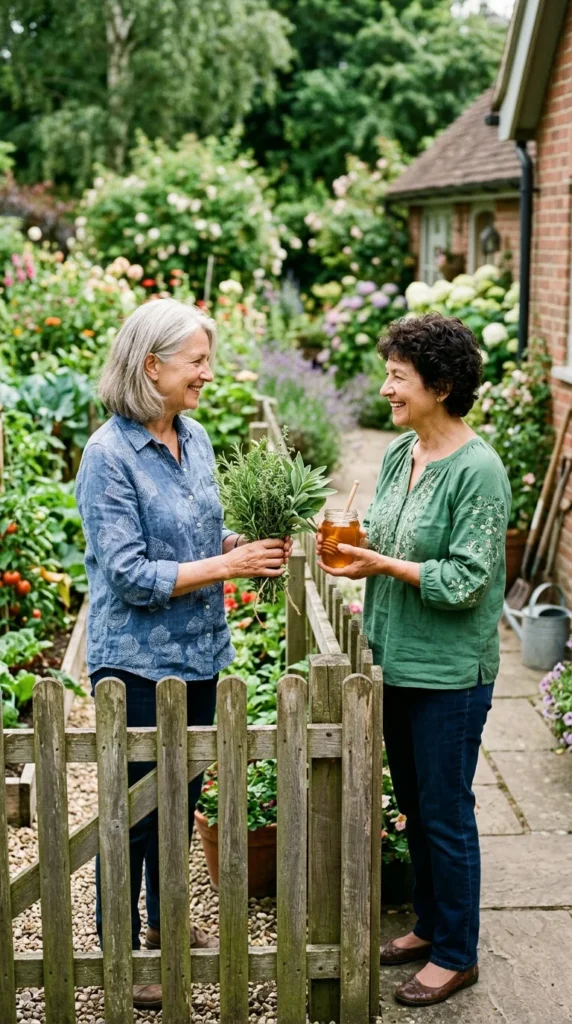
Gardening is a social bridge. It breaks down barriers between neighbors. Whether it’s swapping seeds over the fence, sharing a surplus of zucchini, or joining a local community garden, the hobby fosters deep social connections. It provides a common ground (literally) for people of different backgrounds and ages to come together and share knowledge, resources, and the joy of the harvest.
18. Mindfulness
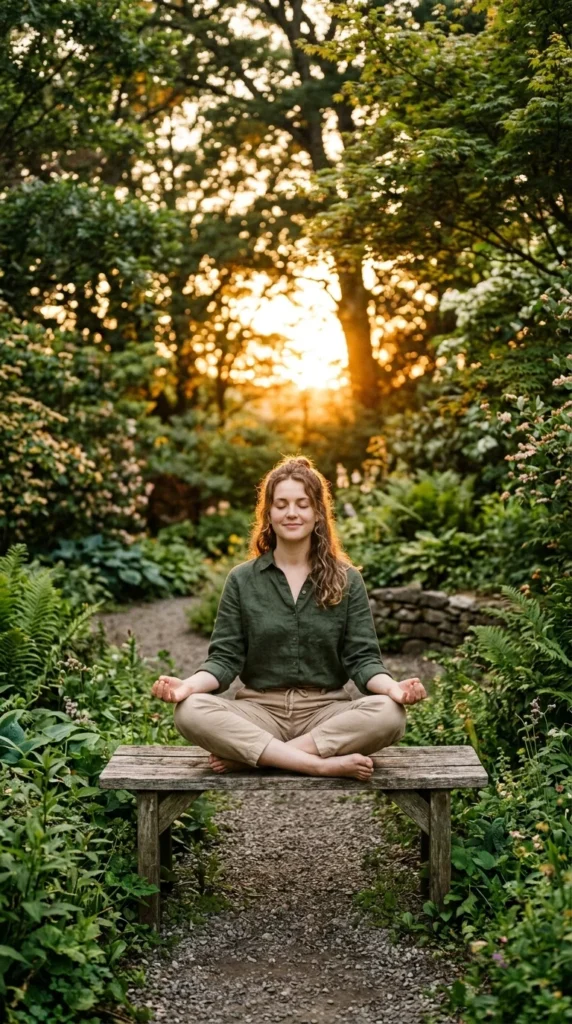
Finally, gardening is the ultimate practice in mindfulness. It brings you into the “now.” When you are pruning a rose or searching for pests, you cannot be anywhere else. You are fully present with the scent of the earth, the hum of the bees, and the feel of the sun on your skin. This state of presence is life-changing, providing a sanctuary of peace in a frantic world and reminding us that, just like a garden, we are always in a state of becoming.