Gardening is often described as both an art and a science. While some people seem to be born with a “green thumb,” the reality is that successful gardening is built upon a foundation of consistent habits and a deep understanding of biological needs. Whether you are tending to a high-rise balcony of succulents or a sprawling backyard vegetable patch, the principles of plant health remain remarkably similar. To transition from a plant enthusiast to a master gardener, you must move beyond occasional watering and start listening to what your plants are telling you.
Here are the 11 essential plant care rules that will transform your garden into a thriving, resilient sanctuary.
1. Sunlight
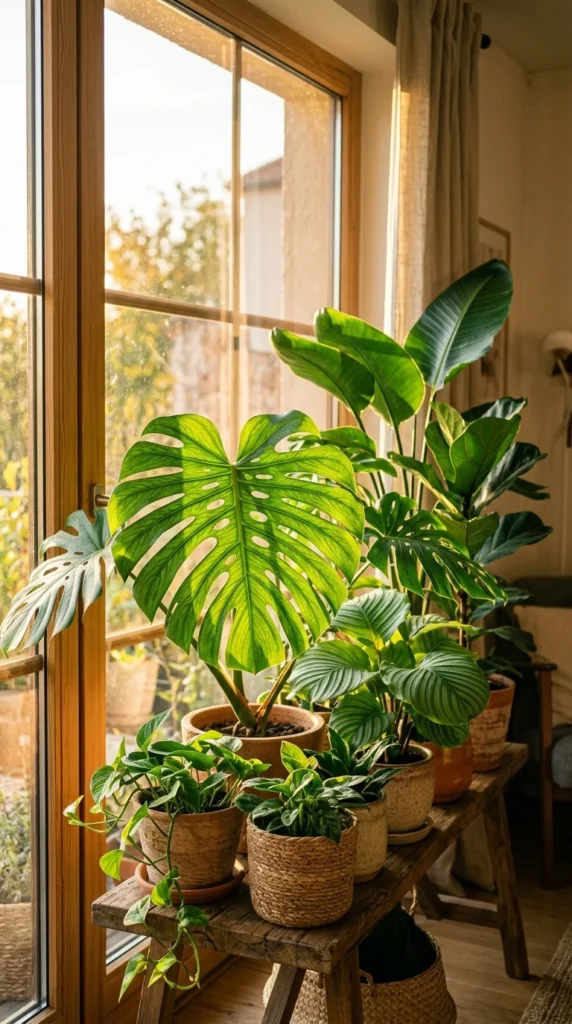
Sunlight is the primary energy source for plants, driving the process of photosynthesis. However, not all light is created equal. The most common mistake gardeners make is placing a “full sun” plant in a “low light” corner. Understanding the exposure of your space is critical. South-facing windows typically offer the most intense light, while north-facing spots provide gentle, indirect light.
Before you buy a plant, track the sun in your garden or home for a full day. Note where the shadows fall and for how long. Remember that “Partial Shade” doesn’t mean “Darkness”—it usually means about 3 to 6 hours of direct sun. If your plant starts leaning excessively toward the light or develops “leggy” stems with large gaps between leaves, it’s desperately signaling for more brightness.
2. Watering
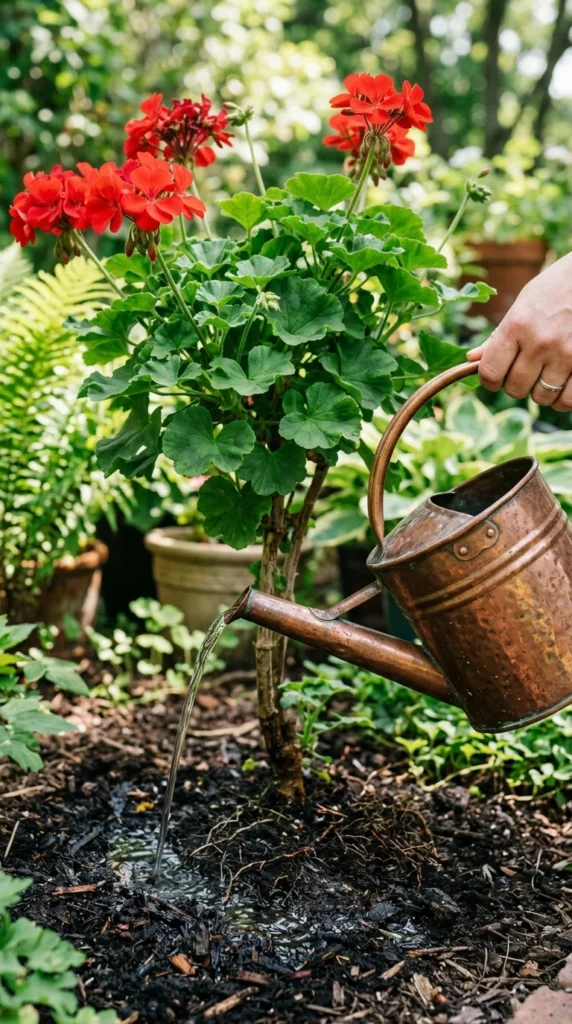
More plants die from overwatering than from underwatering. The “Rule of Thumb” is literal: stick your finger an inch or two into the soil. If it feels damp, wait. If it feels dry, it’s time to hydrate.
Furthermore, the method of watering is just as important as the frequency. Always water at the base of the plant rather than splashing the leaves. Wet foliage can act as a breeding ground for fungal infections and powdery mildew. Aim for a deep soak that reaches the roots, encouraging them to grow downward and create a more stable, drought-resistant foundation, rather than shallow sips that keep roots near the surface.
3. Soil
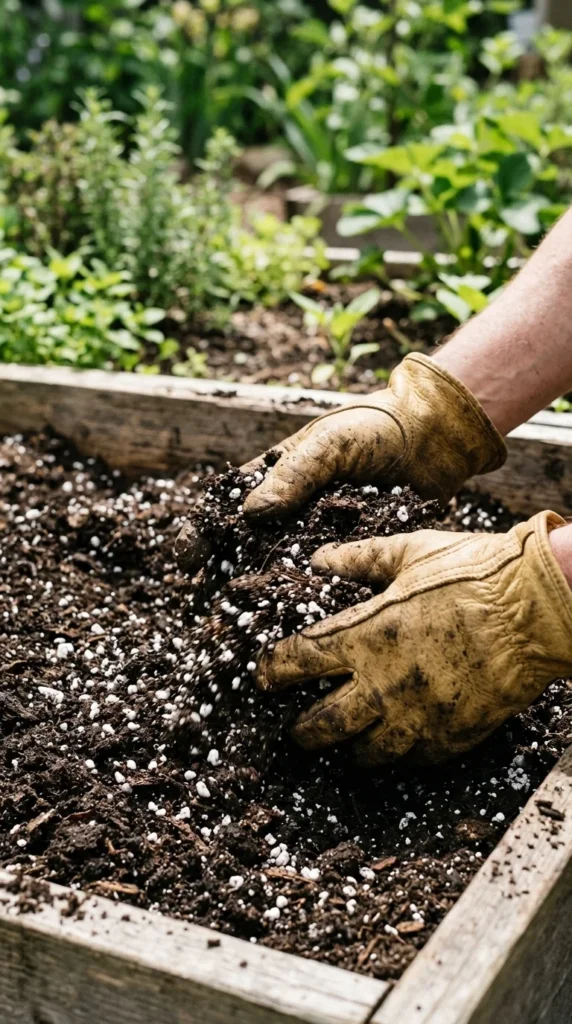
Think of soil as your plant’s pantry. If the soil is nutrient-poor or compacted, the plant will starve regardless of how much you water it. Different plants require different “recipes.” Succulents need gritty, fast-draining sandy soil, while tropicals thrive in peat-based mixes that retain some moisture.
Healthy soil is alive. It should be airy enough for roots to breathe and contain organic matter to feed beneficial microbes. Periodically refreshing the top layer of soil in pots or tilling in compost in garden beds ensures that the mineral content remains high and the texture remains conducive to root expansion.
4. Drainage
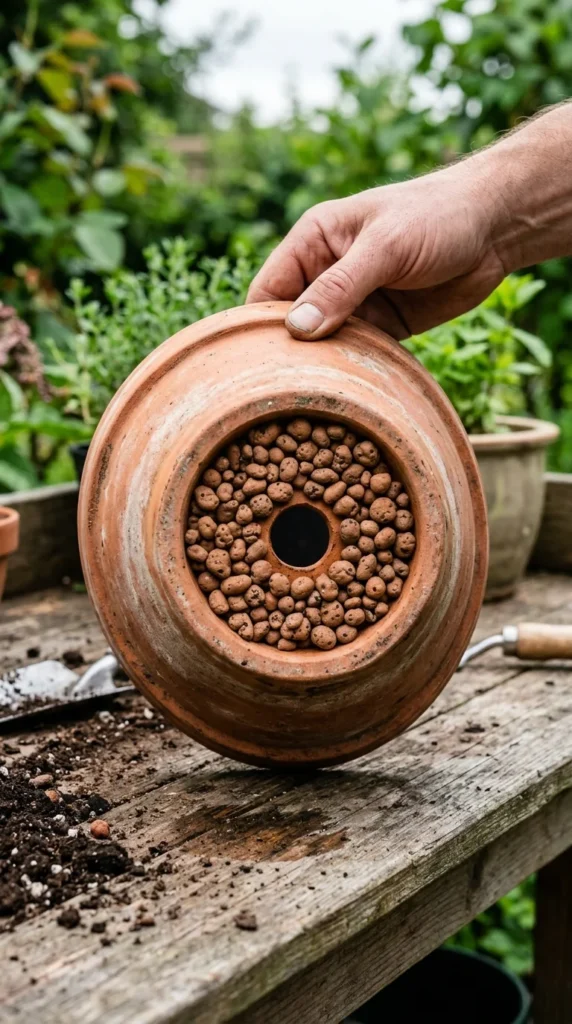
Without proper drainage, plant roots sit in stagnant water, leading to “wet feet” and eventually root rot—a silent killer that turns roots into mush. Every container must have at least one drainage hole. If you find a beautiful decorative pot without one, use it as a “cachepot” (a decorative outer shell) and keep the plant in a functional plastic nursery pot inside it.
In the ground, drainage can be tested by digging a hole, filling it with water, and seeing how long it takes to disappear. If the water lingers for hours, you may need to install raised beds or amend the soil with perlite or gravel to improve the flow.
5. Fertilizing
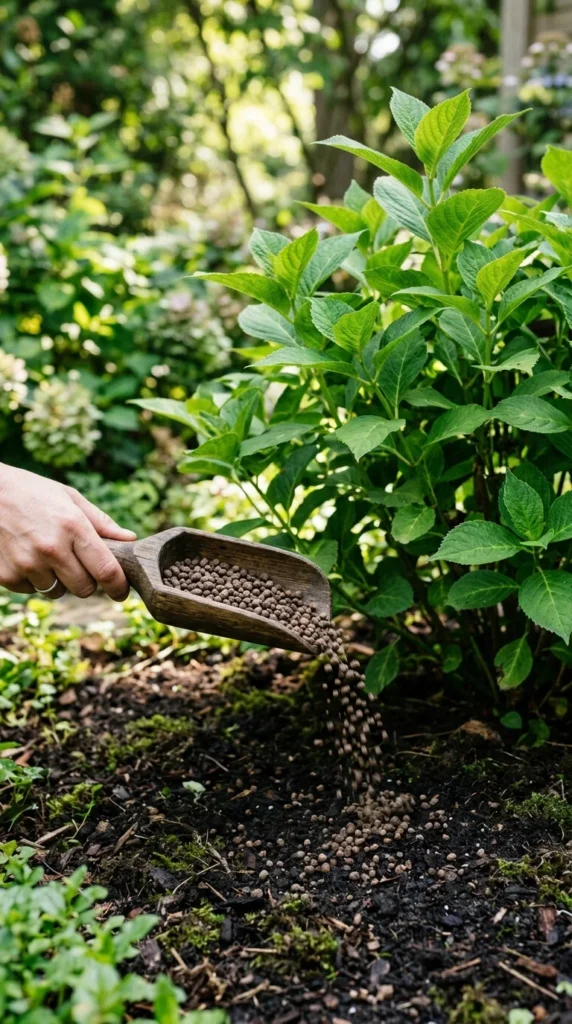
Plants need more than just water and light; they need macro and micronutrients like Nitrogen (for leaves), Phosphorus (for roots and flowers), and Potassium (for overall health). However, fertilizing is not a “more is better” situation. Over-fertilizing can lead to “fertilizer burn,” where salts build up and dehydrate the roots.
Follow the seasons: most plants need feeding during their active growth phases in spring and summer. When the weather cools and plants go dormant, stop the fertilizer. Always dilute liquid fertilizers to half-strength if you’re unsure, as it’s much easier to add more later than to fix the damage of an overdose.
6. Humidity
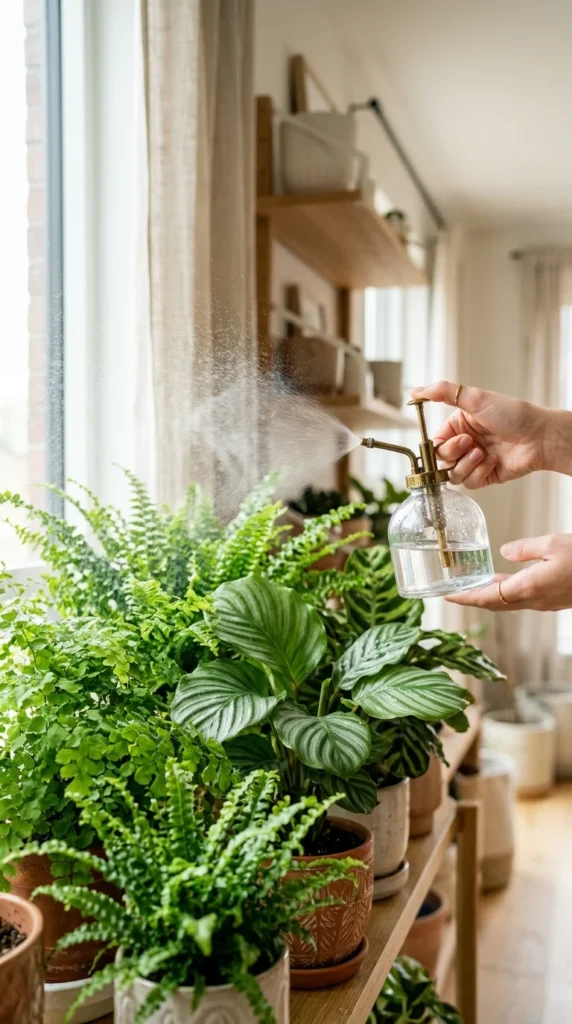
Many of our favorite houseplants are native to tropical jungles where the air is thick with moisture. Modern homes, especially those with air conditioning or central heating, have notoriously dry air. If you notice the tips of your leaves turning brown and crispy despite regular watering, low humidity is the likely culprit.
You can increase humidity by grouping plants together (they create a microclimate through transpiration), using a pebble tray filled with water, or employing a humidifier. While misting provides a temporary boost, it’s often not enough for high-needs plants like Orchids or Fiddle Leaf Figs.
7. Pruning
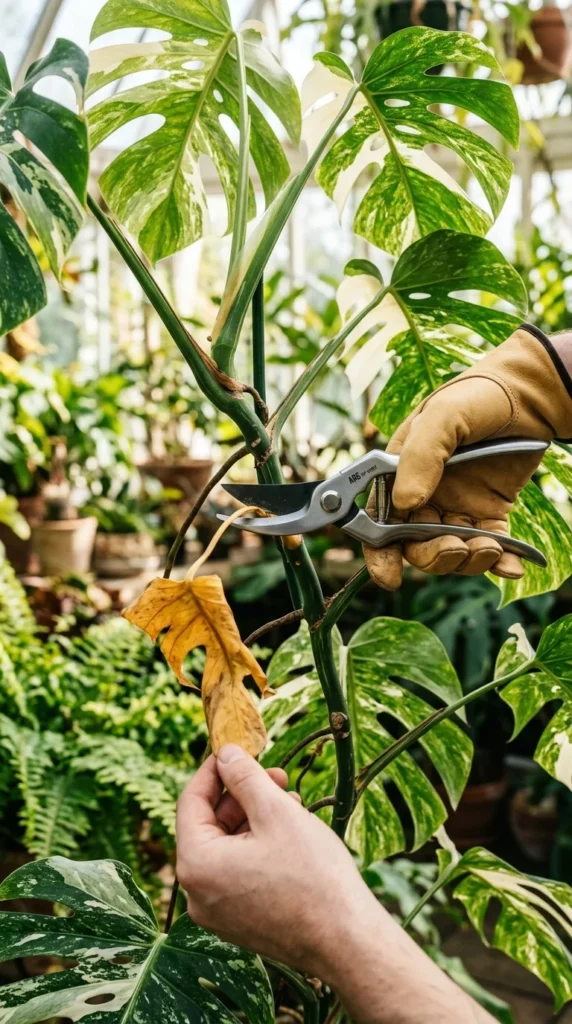
Pruning isn’t just about aesthetics; it’s about health and vigor. Dead, damaged, or diseased leaves drain energy from the plant that could be used for new growth. By “deadheading” (removing spent flowers), you signal the plant to stop producing seeds and start producing more blooms.
Regularly thinning out dense foliage also improves airflow, which is the best natural defense against pests and fungus. Don’t be afraid to prune; most healthy plants respond to a clean cut with a burst of new, even stronger growth.
8. Inspection

Prevention is the best cure in gardening. Make it a habit to inspect your plants at least once a week. Look at the undersides of leaves and the junctions of stems—these are the favorite hiding spots for aphids, mealybugs, and spider mites.
Catching a pest infestation early means you can often solve the problem with a simple blast of water or a bit of neem oil. If left unchecked, pests can multiply exponentially and spread to every other plant in your collection within days.
9. Climate
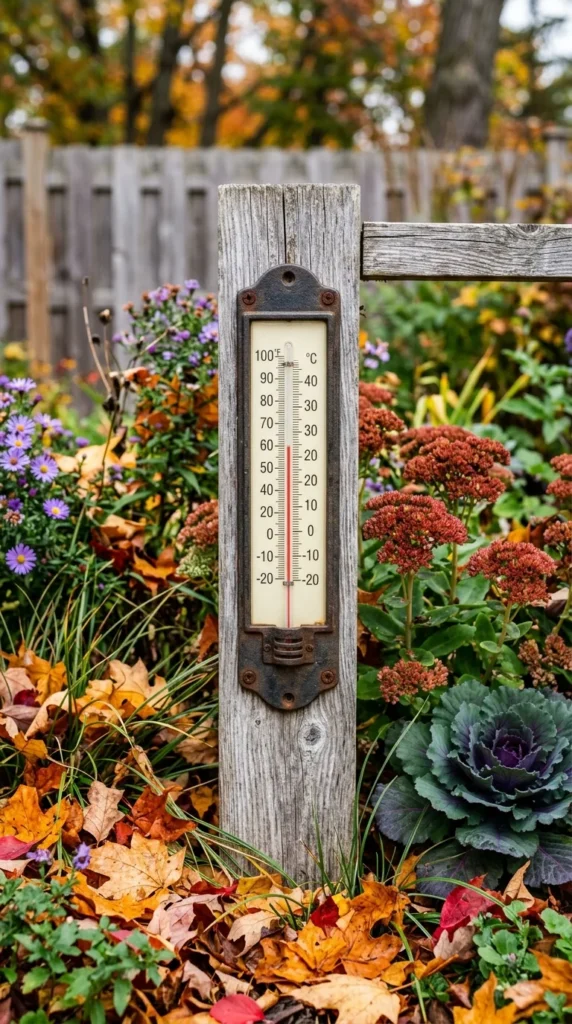
Every plant has a specific temperature “comfort zone.” Sudden fluctuations—like a blast of cold air from a nearby door in winter or the intense heat of a radiator—can shock a plant, causing it to drop its leaves overnight.
Outdoor gardeners must be aware of their “Hardiness Zone,” which dictates which plants can survive the local winter. Indoors, try to maintain a stable environment. If you feel a draft, your plant feels it too. Keep plants away from heating vents and poorly insulated windows during extreme weather.
10. Repotting
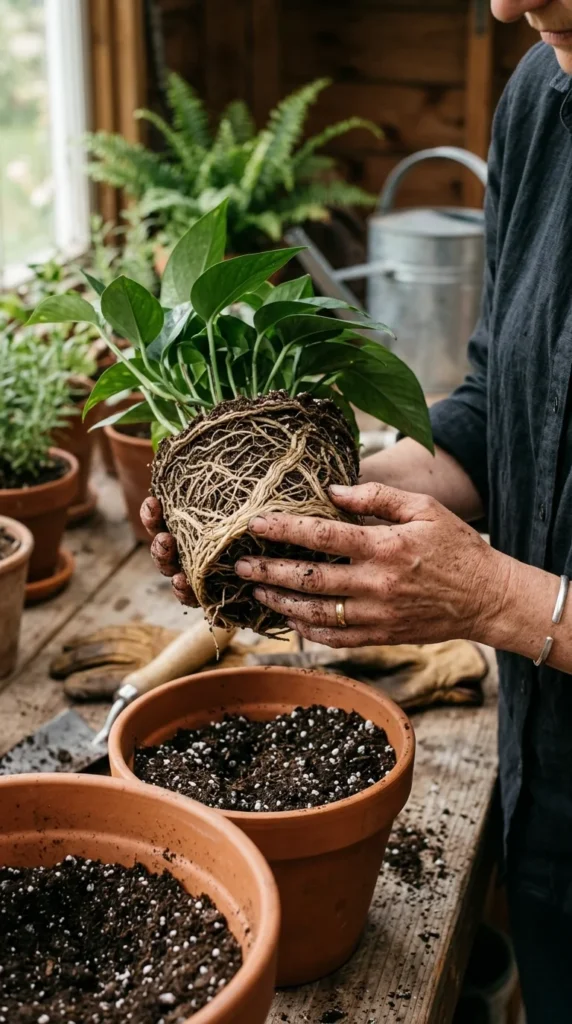
Plants eventually outgrow their homes. When you see roots circling the bottom of the pot or poking out of the drainage holes, it’s time for an upgrade. A root-bound plant cannot effectively absorb water or nutrients, leading to stunted growth.
When repotting, only go up one size (about 1-2 inches in diameter). Moving a plant into a massive pot can lead to “overpotting,” where the excess soil stays wet for too long because the roots aren’t large enough to drink all the water, increasing the risk of rot.
11. Observation
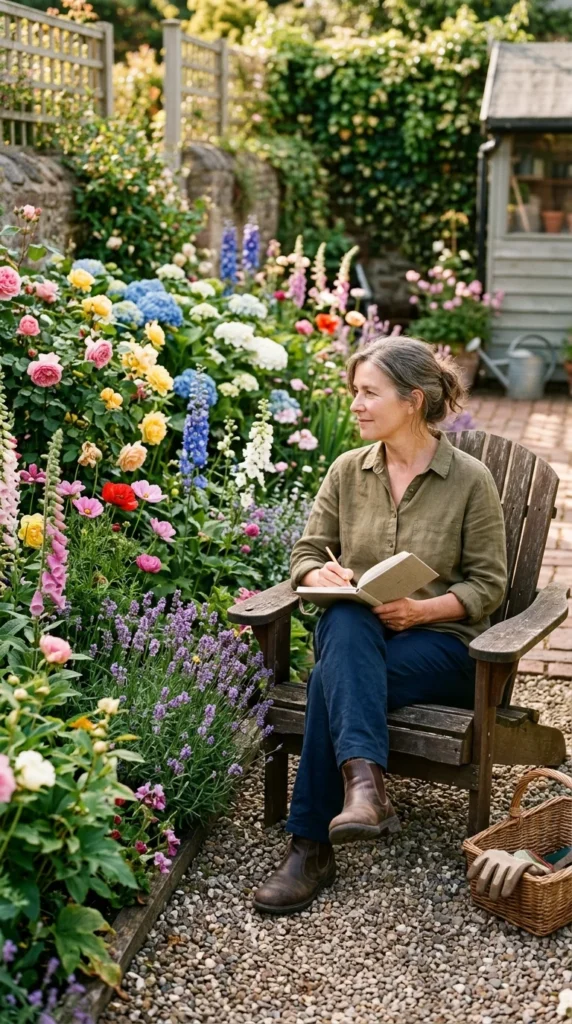
The final and most important rule is to be an active observer. Plants communicate through their appearance. Yellow leaves might mean overwatering, while drooping leaves usually signal thirst. Pale leaves could indicate a nutrient deficiency, and a “leaning” plant is crying out for more light.
Take the time to simply sit with your plants. Gardening is a slow process that rewards patience and attention to detail. By learning the unique “language” of your specific plants, you move beyond following rigid rules and begin to develop an intuitive connection with the natural world.