A garden is a living, breathing extension of your home. It provides a sanctuary for relaxation, a playground for pets and children, and a canvas for your botanical creativity. However, like any room in your house, a garden requires regular upkeep to stay healthy and visually stunning. The secret to a low-stress garden isn’t a massive weekend overhaul once a year; it’s about consistent, seasonal cleaning habits that prevent mess from accumulating.
Whether you are preparing for the first blooms of spring or tucking your plants in for a winter slumber, these twelve essential cleaning tips will ensure your outdoor space remains a pristine paradise all year long.
1. Debris Clearing
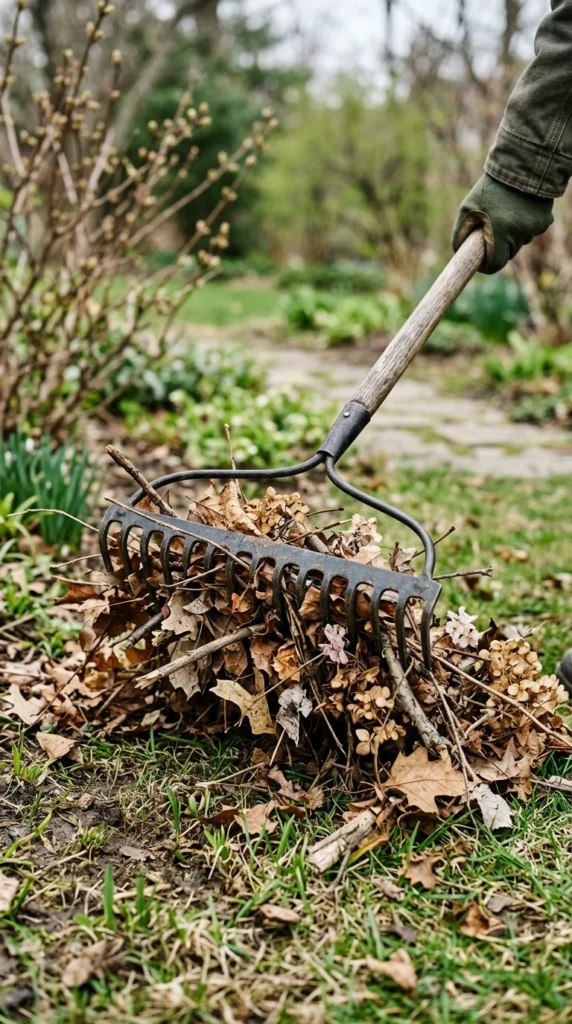
As the snow melts or the first warmth of spring arrives, your garden will likely be covered in “winter leftovers.” This includes fallen branches, matted leaves, and wind-blown trash. Clearing this debris is the first step in any successful garden season. Not only does it make the yard look instantly better, but it also prevents “suffocation” of the grass and emerging perennials.
When debris sits on your lawn for too long, it traps moisture and blocks sunlight, creating a breeding ground for mold and fungal diseases. Use a soft rake for the lawn to avoid pulling up young grass shoots, and a more rigid rake for garden beds. Always check under the debris for early spring bulbs like crocuses or snowdrops so you don’t accidentally crush them.
2. Tool Maintenance
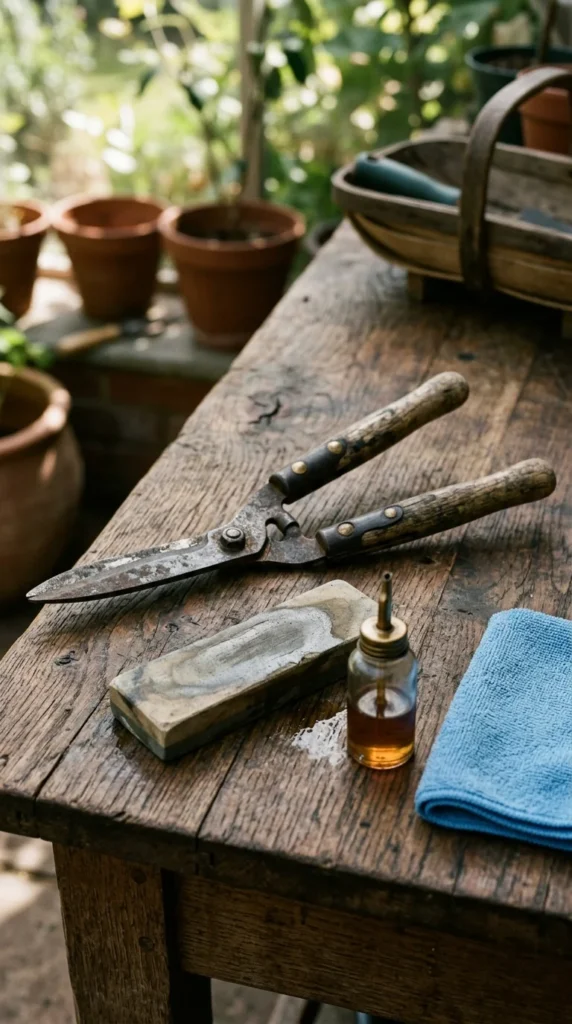
You wouldn’t cook a gourmet meal with a dull, rusty knife, and you shouldn’t tend to your garden with neglected tools. Cleaning and sharpening your tools is a critical “cleaning” task that many overlook. Sharp bypass pruners make clean cuts that heal quickly, whereas dull blades tear the plant tissue, leaving it vulnerable to pests and disease.
At the start of every season, scrub your shovels, hoes, and trowels with a stiff brush and soapy water to remove dried soil. Once dry, use a whetstone or a fine-tooth file to sharpen the edges. Finish by wiping the metal parts with a rag soaked in mineral oil to prevent rust. This simple ritual extends the life of your equipment and makes your physical labor much easier.
3. Crisp Edging
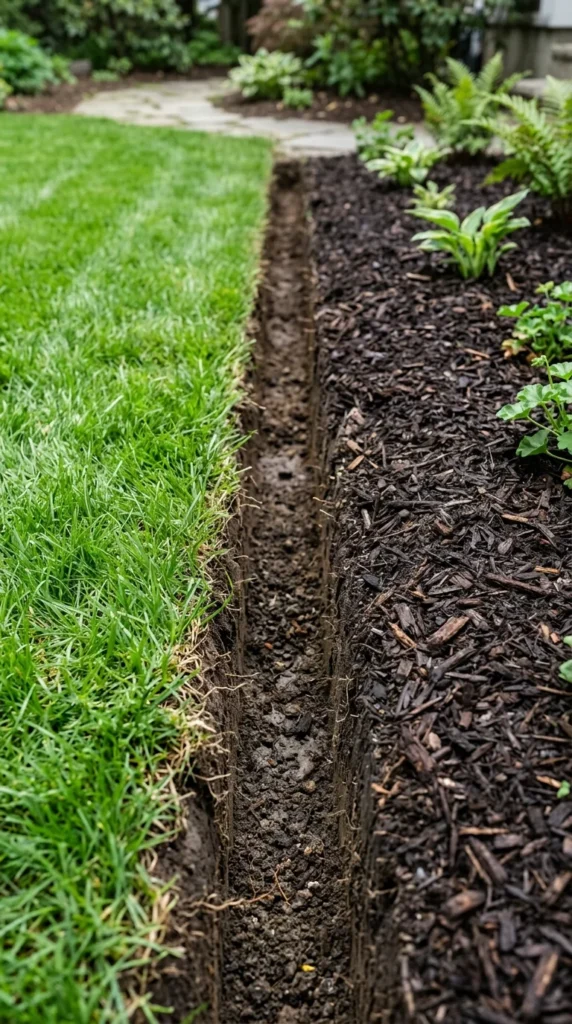
One of the fastest ways to make a messy garden look professionally maintained is by defining the edges. Over time, grass roots creep into flower beds, and mulch spills onto the lawn, creating a blurred, untidy boundary.
Using a half-moon edger or a sharp spade, cut a clean vertical line along the perimeter of your garden beds. Remove the excess sod and toss it into your compost pile. This “trench” edge acts as a physical barrier for grass runners and creates a shadow line that makes the colors of your plants pop. It’s a purely aesthetic cleaning task that provides an instant “wow” factor with minimal effort.
4. Strategic Deadheading
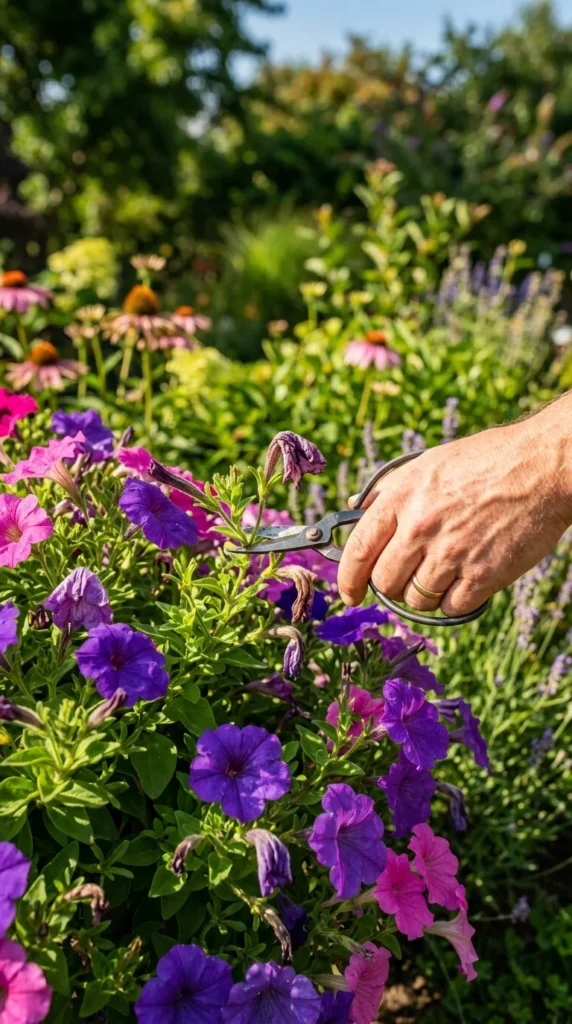
In the heat of summer, plants put a massive amount of energy into producing seeds once a flower has faded. Deadheading—the process of removing spent blooms—tricks the plant into thinking it hasn’t finished its reproductive cycle, encouraging it to produce even more flowers.
Beyond aesthetics, removing dead flowers prevents rot. In humid weather, soggy, dying petals can stick to healthy leaves and cause botrytis (gray mold). Make it a habit to walk through your garden with a pair of snips and a small bucket every few days. It’s a meditative cleaning task that keeps your garden looking fresh and colorful for months instead of weeks.
5. Proactive Weeding
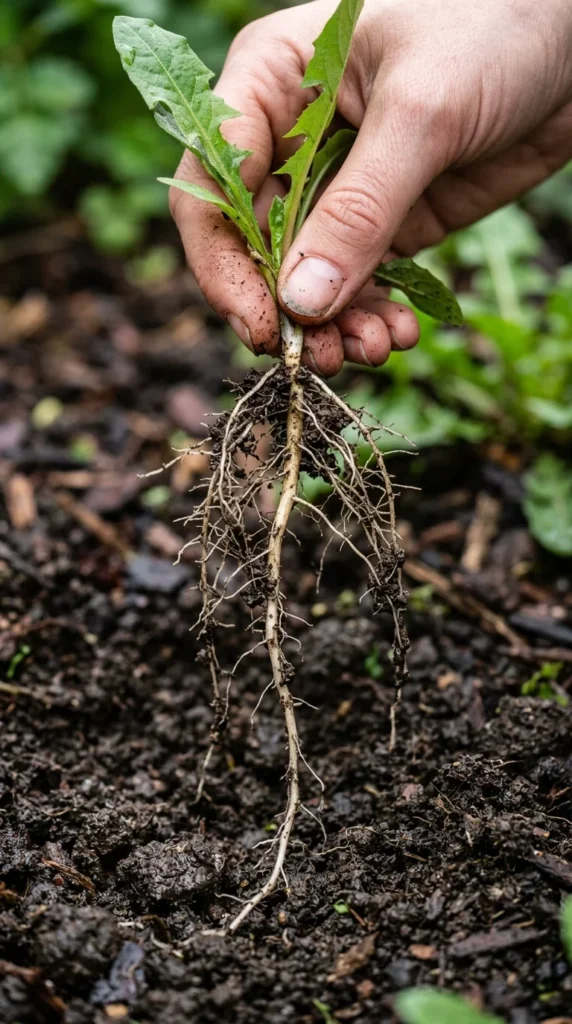
Weeds are the ultimate garden clutter. They compete with your prized plants for water, nutrients, and sunlight. The easiest way to “clean” weeds is to catch them before they go to seed. One single dandelion can produce thousands of seeds that will haunt your garden for years.
The best time to weed is right after a rain shower or a deep watering; the soil is loose, allowing you to pull the entire root system out. If you leave the root behind, many weeds will simply regrow. For large areas, a Dutch hoe can slice through weed stems just below the soil surface, making quick work of a tedious task.
6. Furniture Scrubbing
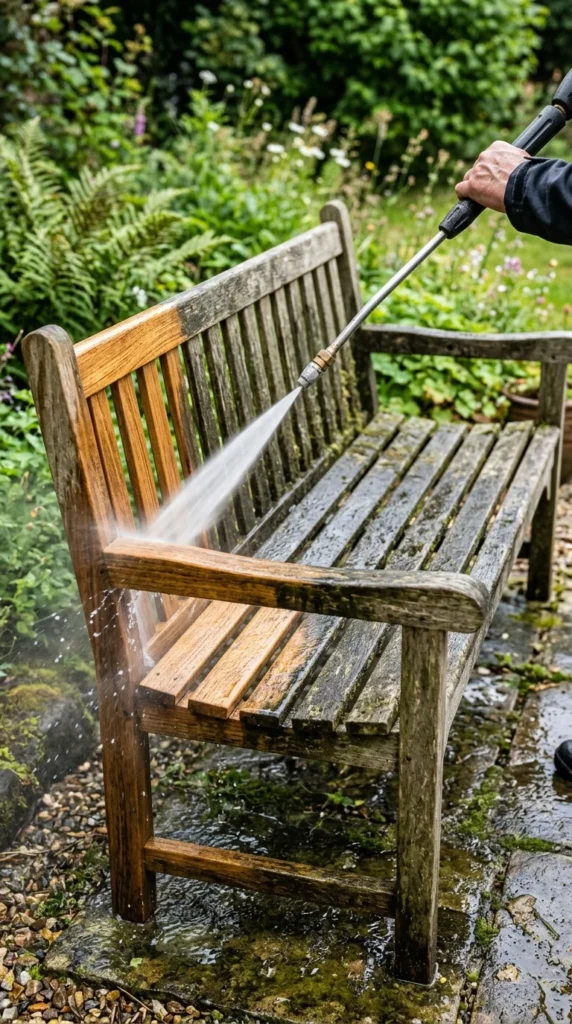
Your garden isn’t just about the plants; it’s about the living space. Over the summer, patio furniture, umbrellas, and decorative statues can become coated in pollen, bird droppings, and dust. A deep clean mid-season restores the “resort” feel of your backyard.
For plastic or metal furniture, a simple mixture of warm water and dish soap usually does the trick. For wooden furniture, especially teak or cedar, you might need a specialized wood cleaner to remove the silver patina caused by UV exposure. Don’t forget to machine-wash outdoor cushion covers and wipe down the glass tops of patio tables to keep the area sparkling.
7. Leaf Management
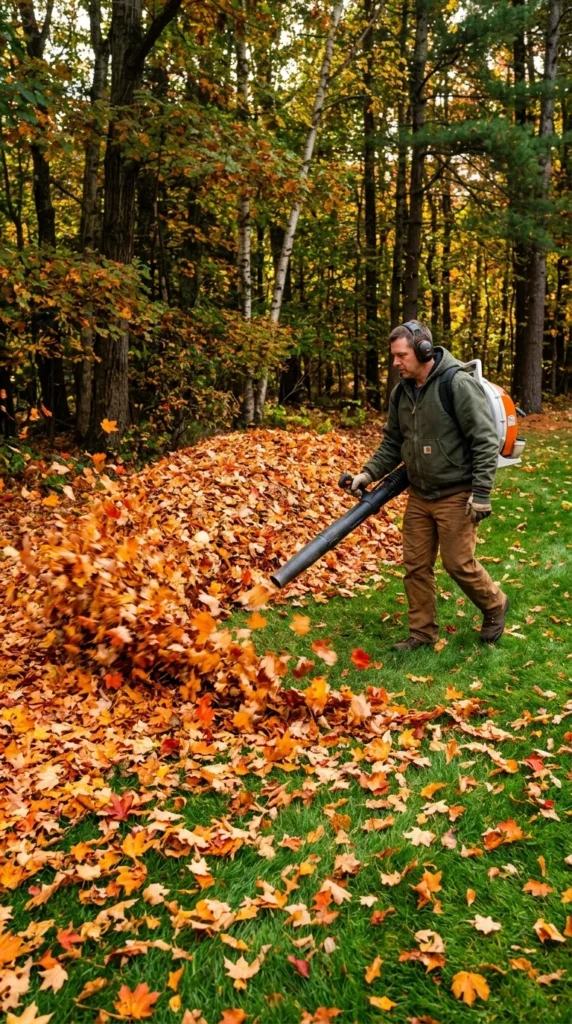
Autumn brings the most significant cleaning challenge: the leaf drop. While it is tempting to leave all the leaves for “nature,” a thick layer of heavy, wet leaves can kill your grass and harbor pests over the winter. The key is balance.
Use a lawnmower with a mulching blade to shred smaller amounts of leaves directly into the grass; this returns valuable nutrients to the soil. For heavy accumulations, rake them into piles. Instead of bagging them for the landfill, move them to a corner of the yard to create “leaf mold,” a fantastic soil conditioner that you can use the following year. Cleaning the lawn of heavy leaf cover ensures your grass wakes up healthy in the spring.
8. Gutter Clearing
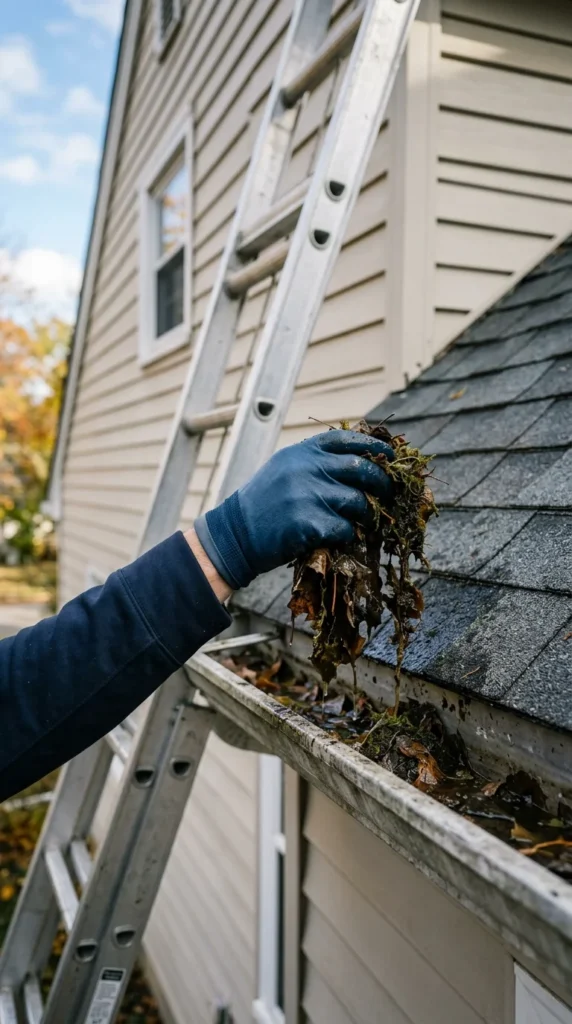
While technically part of the house, gutter cleaning is a vital garden task. Clogged gutters overflow, creating “waterfalls” that can wash away expensive mulch, erode soil, and drown the plants located directly beneath the eaves.
In late autumn, once the majority of leaves have fallen, climb a sturdy ladder and scoop out the muck. Flush the gutters with a garden hose to ensure the downspouts are clear. This prevents ice dams in the winter and protects your garden’s irrigation balance during heavy spring rains.
9. Composting Refinement
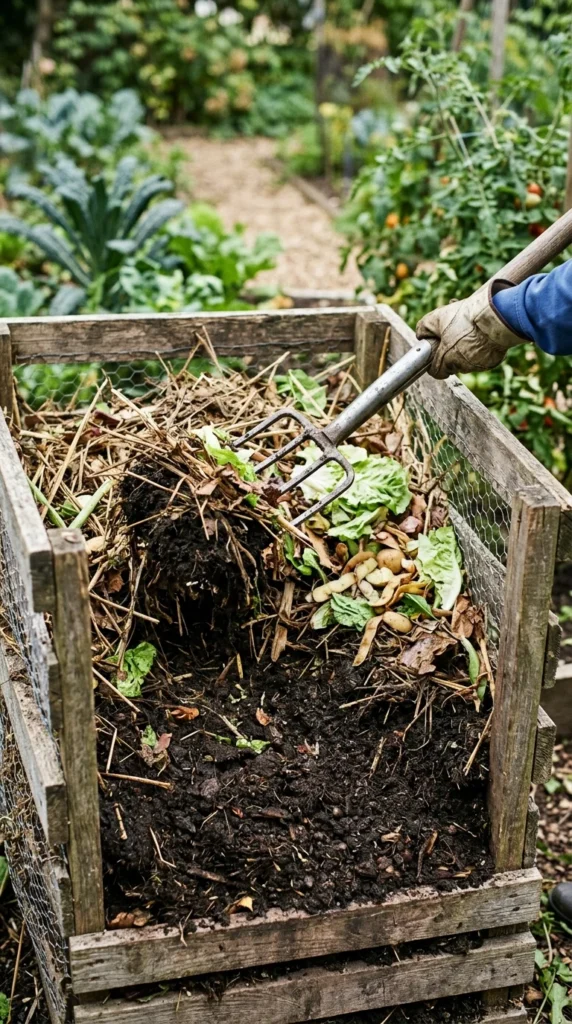
Autumn is the perfect time to “clean out” your compost bin. As you cut back perennials and pull out finished vegetable plants, you have a massive influx of green waste. Use this opportunity to harvest the “black gold” from the bottom of your compost pile and spread it over your garden beds.
By emptying the bin now, you create space for all the garden debris you’ll collect during the autumn cleanup. Turning the pile one last time before the ground freezes helps accelerate decomposition, ensuring you have a fresh batch of nutrients ready for next year’s planting.
10. Hardscape Scrubbing
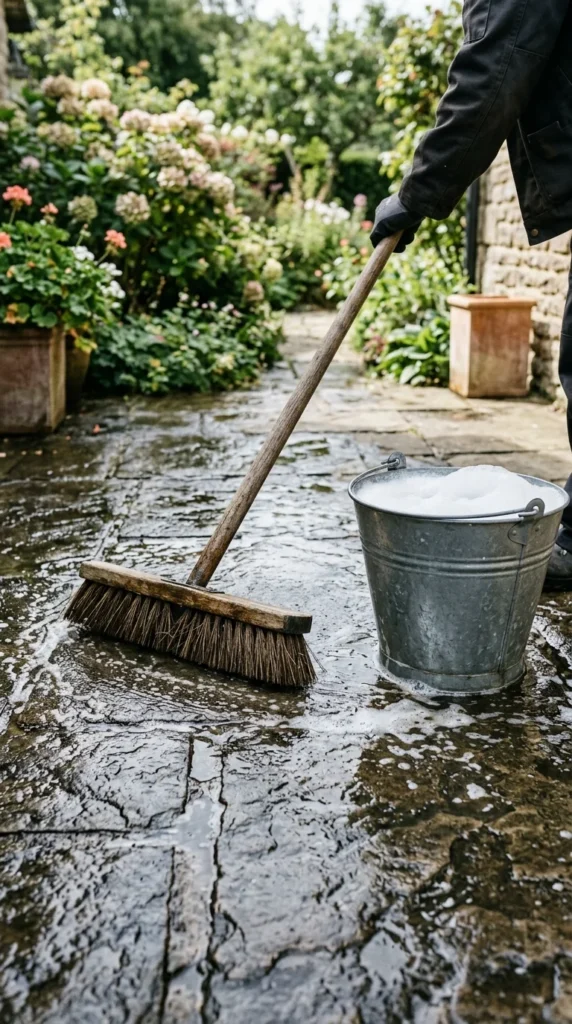
Winter is the time to focus on the “bones” of the garden. When the plants are dormant, the dirt and algae on your stone paths, brick walls, and pavers become much more visible. These surfaces can become slippery and dangerous when wet or icy.
Use a stiff brush and a solution of vinegar and water (or a dedicated stone cleaner) to scrub away green algae and black lichen. If you use a pressure washer, be careful not to blast away the sand between the pavers. Cleaning your hardscape now ensures that when the first flowers bloom in spring, they are framed by a clean, professional-looking environment.
11. Pot Sanitization
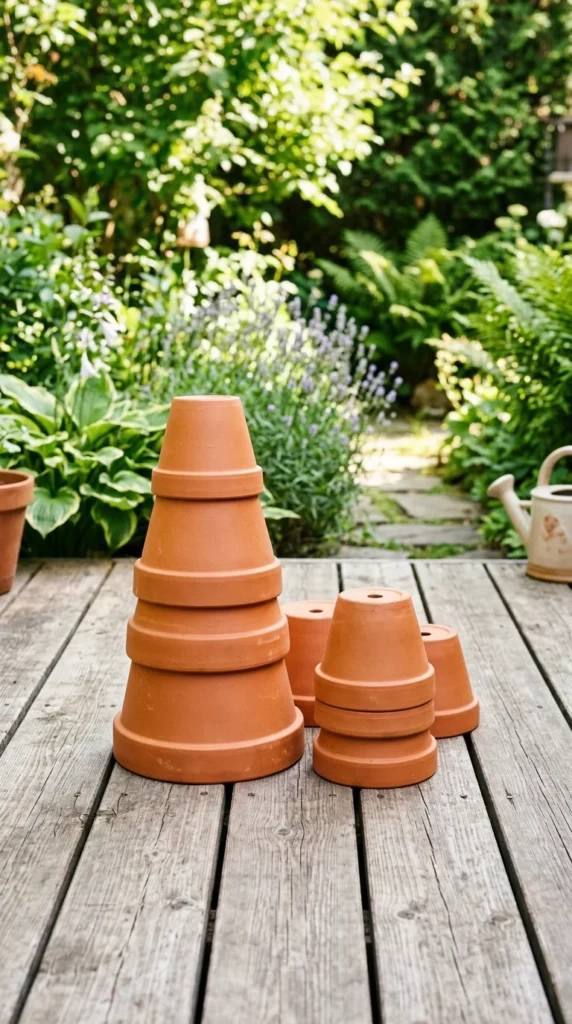
If you use containers for your gardening, winter is the time to clean them thoroughly. Old soil can harbor diseases, fungal spores, and insect eggs that will attack next year’s plants.
Empty the old soil into your compost or garden beds. Scrub the pots with a brush to remove “salt rings” (white crusty buildup from fertilizer). For a truly deep clean, soak the pots in a solution of one part bleach to nine parts water. This sterilizes the containers, ensuring your new spring plantings have the healthiest possible start. Store terracotta pots in a frost-free area like a garage or shed to prevent them from cracking in freezing temperatures.
12. Feeder Sanitization
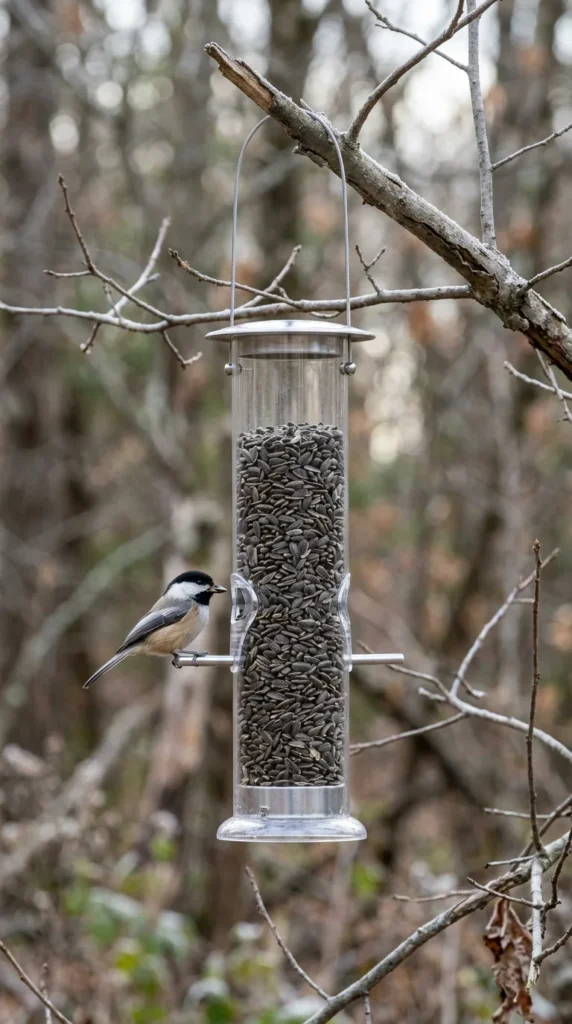
During the winter, local birds rely heavily on the feeders you provide. However, bird feeders can quickly become dirty and spread diseases like salmonella among the bird population. Cleaning your feeders is an essential act of stewardship.
Take the feeders down every few weeks, empty any old seed, and wash them with hot, soapy water. Some experts even recommend a quick soak in a weak bleach solution followed by a very thorough rinse. Ensure the feeders are completely dry before refilling them. Keeping the area underneath the feeders clear of husks and dropped seeds also prevents attracting unwanted rodents to your winter garden.
By breaking your garden maintenance into these manageable, seasonal tasks, you move away from “yard work” and toward “garden care.” A clean garden is a healthy garden, and a healthy garden is a joy to behold every single day of the year.