Gardening is a journey of trial and error, a rhythmic dance with nature that rewards patience and observation. However, for many beginners and even seasoned green thumbs, the dream of a bountiful harvest can quickly turn into a frustrating battle against wilting leaves, stunted growth, and invisible pests. While gardening is rarely perfect, many of the most common setbacks are entirely preventable. By understanding the fundamental needs of your plants and the common pitfalls that lead to failure, you can transform your backyard into a high-yielding sanctuary. Here are the 12 most critical mistakes to avoid when growing your own vegetables.
1. Wrong Location
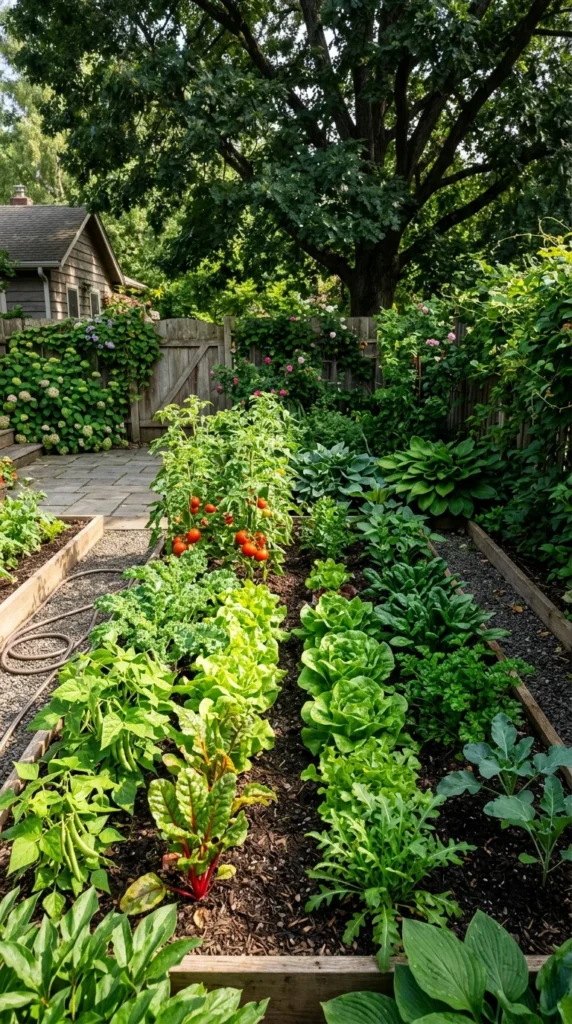
The most common mistake happens before a single seed is even planted. Many gardeners choose a spot based on aesthetics or convenience rather than what the plants actually need. Most vegetables, especially fruiting ones like tomatoes, peppers, and cucumbers, require at least 6 to 8 hours of direct sunlight daily. If you plant them in a shaded corner, they will become “leggy” as they stretch toward the light, resulting in weak stems and a dismal harvest.
Beyond light, wind and proximity to water are vital. A location that is constantly lashed by high winds will dry out soil rapidly and can physically snap tender stalks. Furthermore, if your garden is too far from a water source, you are far more likely to neglect watering during the heat of summer. Always observe your yard’s sun patterns throughout the day before committing to a garden site.
2. Bad Soil
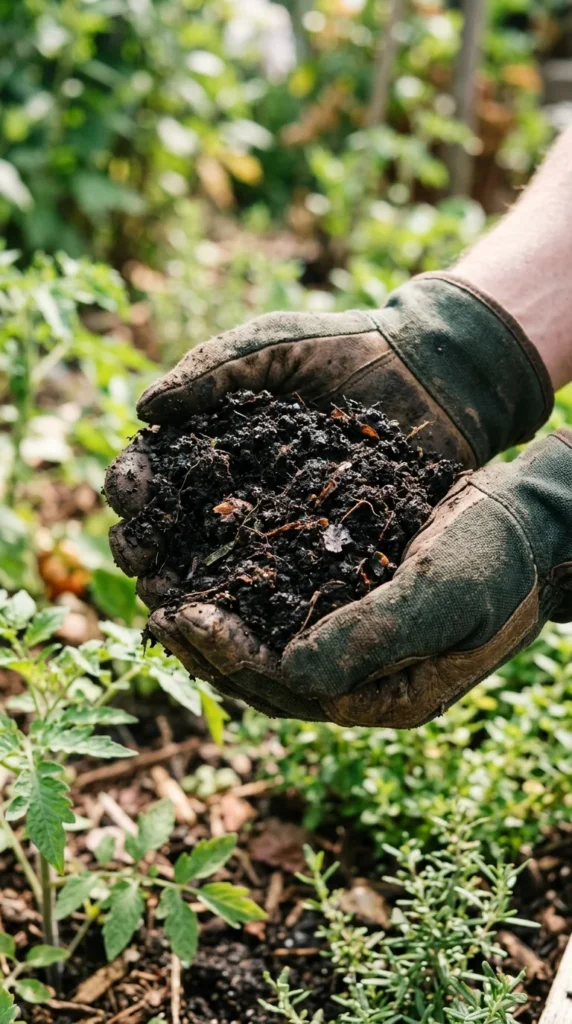
You can have the best seeds in the world, but if you put them in “dead” soil, they will struggle to thrive. Many novice gardeners assume that any dirt in their backyard is sufficient. In reality, garden soil needs to be a delicate balance of minerals, organic matter, air, and water. Heavy clay soil suffocates roots and drains poorly, while sandy soil allows water and nutrients to wash away too quickly.
Ignoring soil health is a recipe for failure. Before planting, it is essential to amend your soil with high-quality compost or well-rotted manure. This adds necessary nutrients and improves the soil structure. Additionally, many gardeners fail to test their soil’s pH. If the soil is too acidic or too alkaline, the plants physically cannot absorb the nutrients present in the earth, no matter how much fertilizer you add.
3. Improper Watering
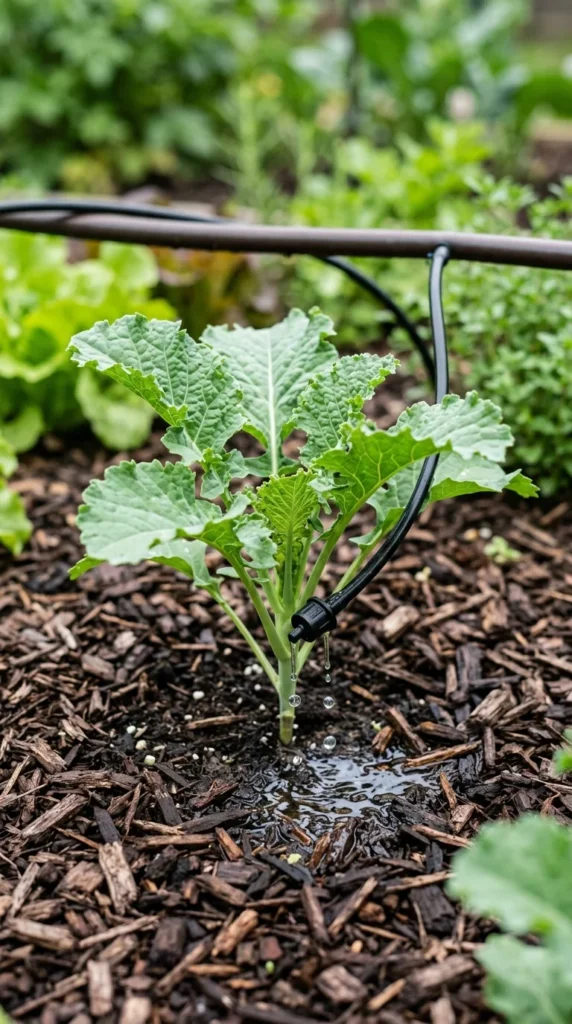
Watering is perhaps the most misunderstood aspect of gardening. The mistake usually falls into two categories: watering too much or watering too little. Overwatering is a silent killer; it drowns the roots by cutting off their oxygen supply, leading to root rot. On the other hand, shallow, frequent watering encourages roots to stay near the surface, making them vulnerable to heat and drought.
The goal is deep, consistent moisture. Instead of a light sprinkle every day, aim for a deep soak two or three times a week. This encourages the roots to grow deep into the earth in search of moisture, creating a more resilient plant. Furthermore, always avoid watering the foliage. Wet leaves are a breeding ground for fungal diseases like powdery mildew. Always direct the water at the base of the plant.
4. Crowded Planting
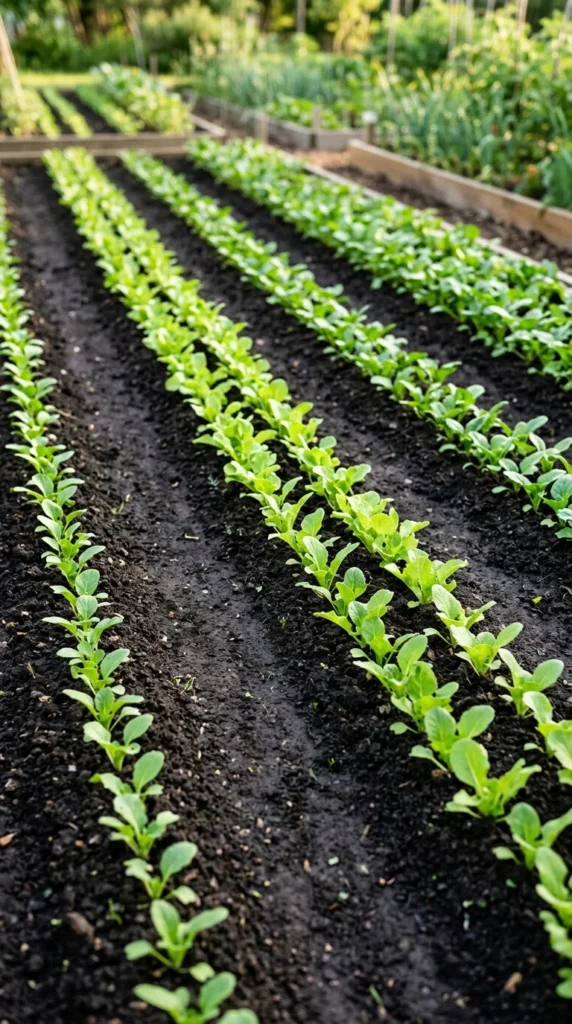
When you are looking at tiny seedlings or small seeds, it is tempting to plant them close together to maximize your space. However, those small plants will grow, and they need room to breathe. Crowding is a major mistake because it creates competition for resources. Plants packed too tightly will fight for sunlight, water, and soil nutrients, leading to stunted growth for everyone involved.
Moreover, airflow is critical for preventing disease. When plants are jammed together, humidity gets trapped between the leaves, creating a stagnant environment where mold and fungus thrive. Always follow the spacing recommendations on your seed packets. It may look like a lot of empty dirt early in the season, but your plants will fill that space quickly and stay much healthier because of it.
5. Early Planting
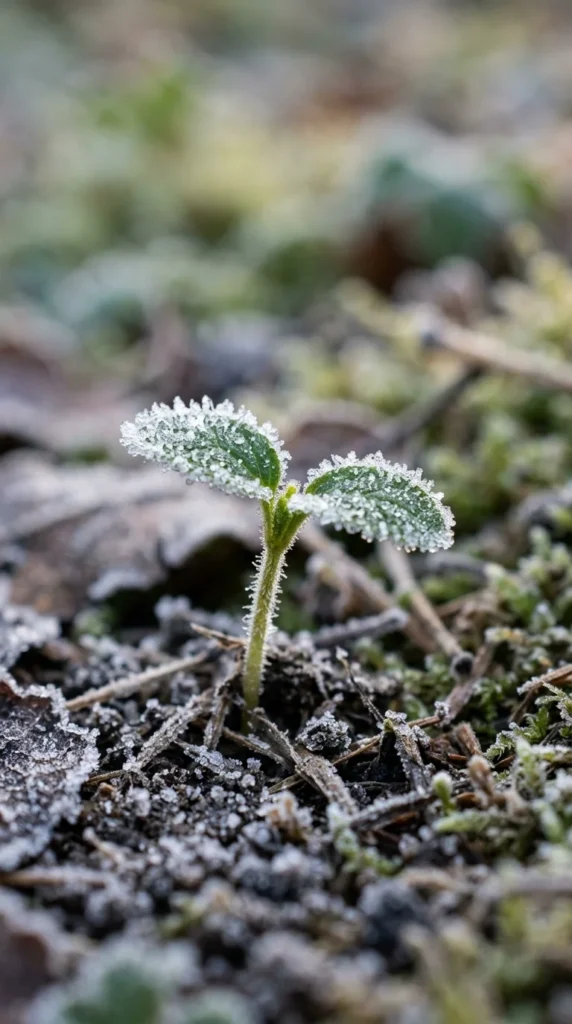
Patience is a virtue that many gardeners lack in the early spring. As soon as the first warm day hits, the urge to get plants in the ground is overwhelming. However, planting too early—before the soil has warmed up or before the danger of frost has passed—can be fatal. Many summer vegetables, like basil and eggplants, are extremely sensitive to cold and will stop growing or die if the temperature drops too low.
Even if a frost doesn’t kill the plant, putting a heat-loving seedling into cold soil can “stun” it. This means the plant enters a state of shock and may not recover its full growth potential for the rest of the season. Always check your local “last frost date” and use a soil thermometer to ensure the ground is at least 60°F (15°C) before transplanting your summer crops.
6. Neglecting Weeds
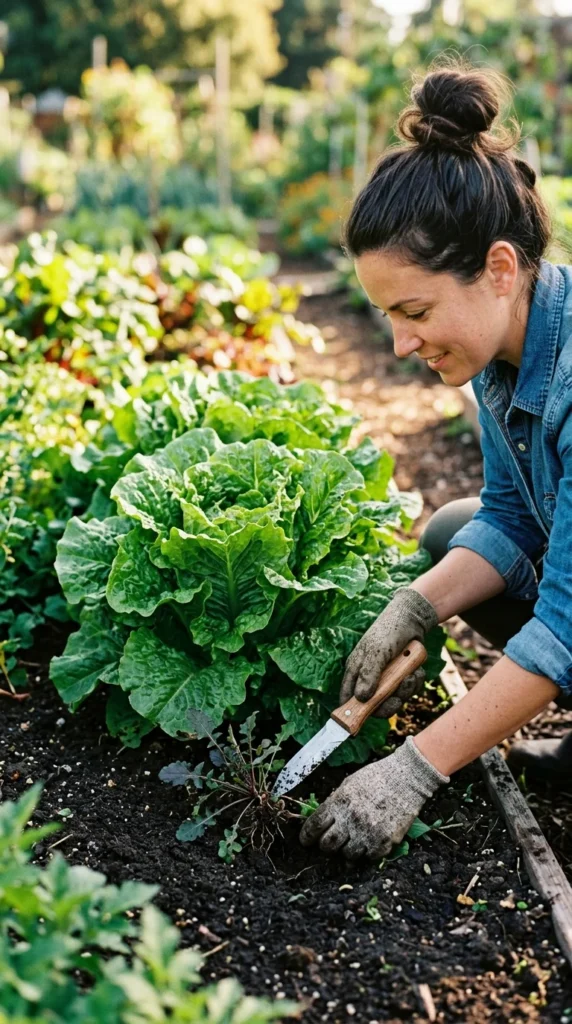
Weeds are not just an aesthetic problem; they are aggressive competitors. They grow faster and more robustly than most vegetables, and they will happily steal the water, nutrients, and sunlight intended for your crops. Many gardeners wait until the weeds are large and “noticeable” before pulling them, but by then, the damage is often done.
The best way to manage weeds is to stay ahead of them. Spending ten minutes a day pulling small sprouts is much easier than spending an entire weekend battling a jungle. Using organic mulch, such as straw or shredded leaves, can also significantly reduce weed growth by blocking the sunlight that weed seeds need to germinate, while simultaneously keeping your soil moist.
7. Oversized Gardens
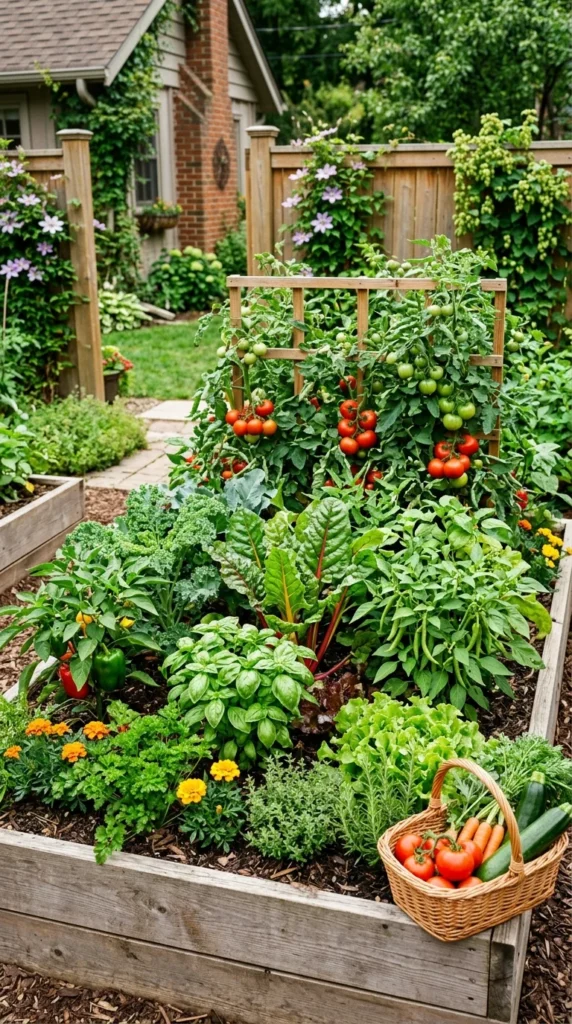
One of the quickest ways to give up on gardening is to start too big. A massive garden requires a massive amount of time for weeding, watering, pruning, and harvesting. Most beginners underestimate the labor involved and find themselves overwhelmed by July, leading to a garden full of rotting produce and waist-high weeds.
It is much better to have a tiny, 4×4 foot garden that is perfectly maintained than a sprawling quarter-acre that is neglected. Start small with a few of your favorite vegetables. Once you master the nuances of those plants and develop a routine that fits into your lifestyle, you can expand your garden’s footprint year by year.
8. Ignoring Pests
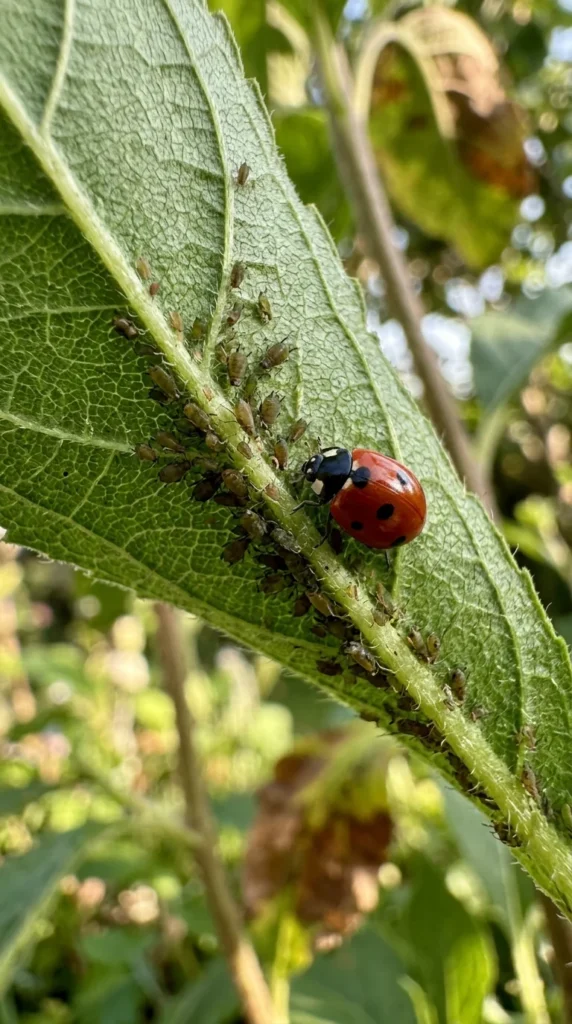
Pest problems rarely happen overnight. They usually start with a few insects that go unnoticed until they have multiplied into an infestation. Ignoring your plants is a mistake; you should be inspecting them every few days. Look under the leaves, check the stems, and keep an eye out for holes or discoloration.
The “scout and squish” method is the most effective organic pest control. If you catch a few hornworms or beetles early, you can remove them by hand before they decimate your crop. If you wait until the plants are covered in bugs, you may be forced to use harsh chemicals or lose the entire crop. Encouraging beneficial insects, like ladybugs and lacewings, can also help keep pest populations in check naturally.
9. Fixed Planting
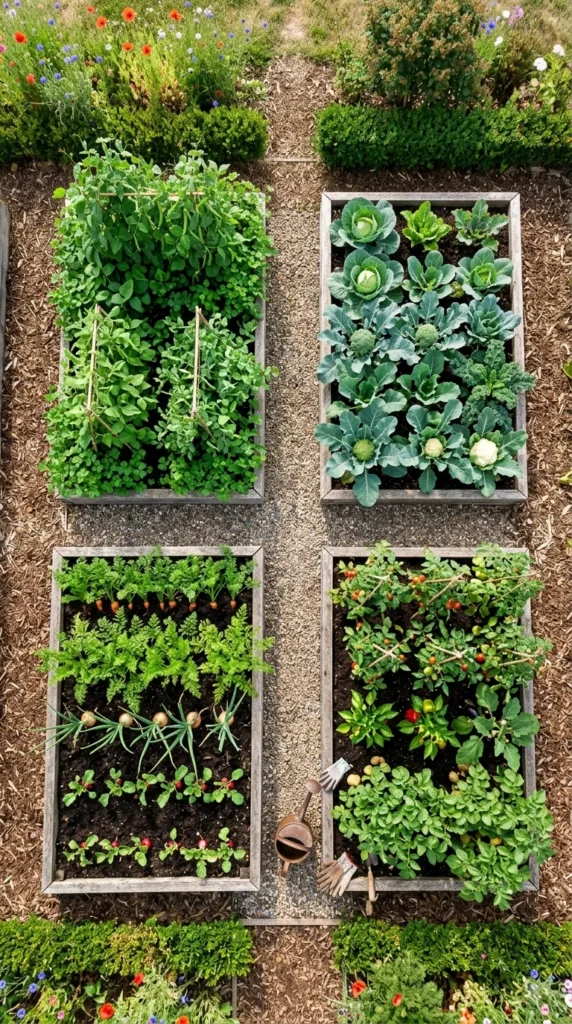
Planting the same thing in the same spot year after year is a mistake known as “monocropping” on a small scale. This leads to two major problems: nutrient depletion and the buildup of pests and diseases. For example, tomatoes are heavy feeders that strip specific nutrients from the soil. If you plant them in the same spot every year, the soil becomes exhausted.
Furthermore, many pests and pathogens overwinter in the soil. If you plant potatoes in the same spot where you had a potato blight the previous year, the new plants are almost guaranteed to get sick. Practicing crop rotation—moving plant families (like nightshades, brassicas, and legumes) to different sections of the garden each year—interrupts the life cycles of pests and allows the soil to recover.
10. Low-Quality Seeds
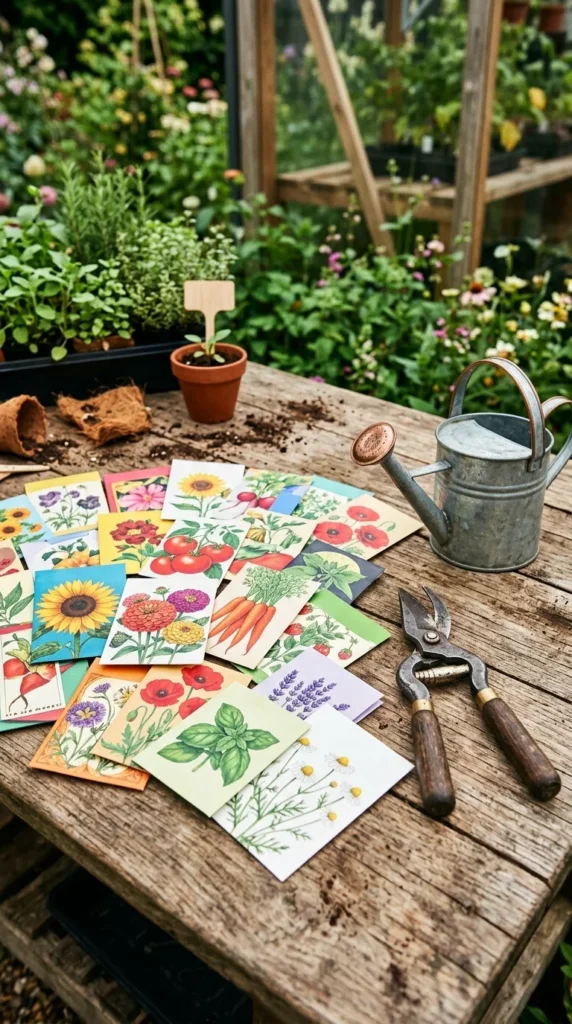
Not all seeds are created equal. Buying the cheapest seeds from a big-box store or using old seeds that have been sitting in a hot garage for years often leads to poor germination rates and weak plants. If a seed doesn’t have the genetic vigor to thrive, no amount of fertilizer or water will save it.
Investing in high-quality, organic, or heirloom seeds from reputable suppliers ensures that you are starting with the best possible “software” for your garden. Additionally, pay attention to the variety. Some tomatoes are bred for short seasons, while others need long, hot summers. Choosing varieties that are specifically adapted to your local climate will significantly increase your chances of success.
11. Late Harvesting
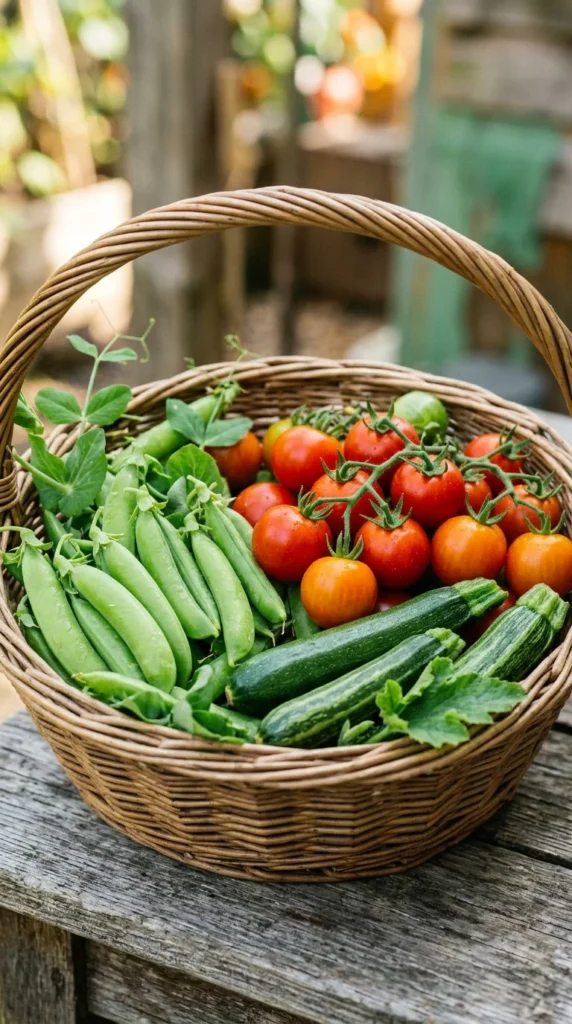
It is a common misconception that “bigger is better” when it comes to vegetables. In reality, most vegetables are at their peak flavor and texture when they are slightly immature. Leaving a zucchini on the vine until it is the size of a baseball bat results in a fruit that is tough, seedy, and flavorless. Similarly, lettuce and spinach will “bolt” (go to seed) and become incredibly bitter if left too long in the heat.
Furthermore, many plants, like beans and peas, will stop producing altogether if you don’t harvest them. The plant’s goal is to produce seeds for the next generation; once it feels it has produced a mature, dry seed, it shuts down. By harvesting regularly, you “trick” the plant into continuing to flower and fruit throughout the season.
12. Ignoring Zones
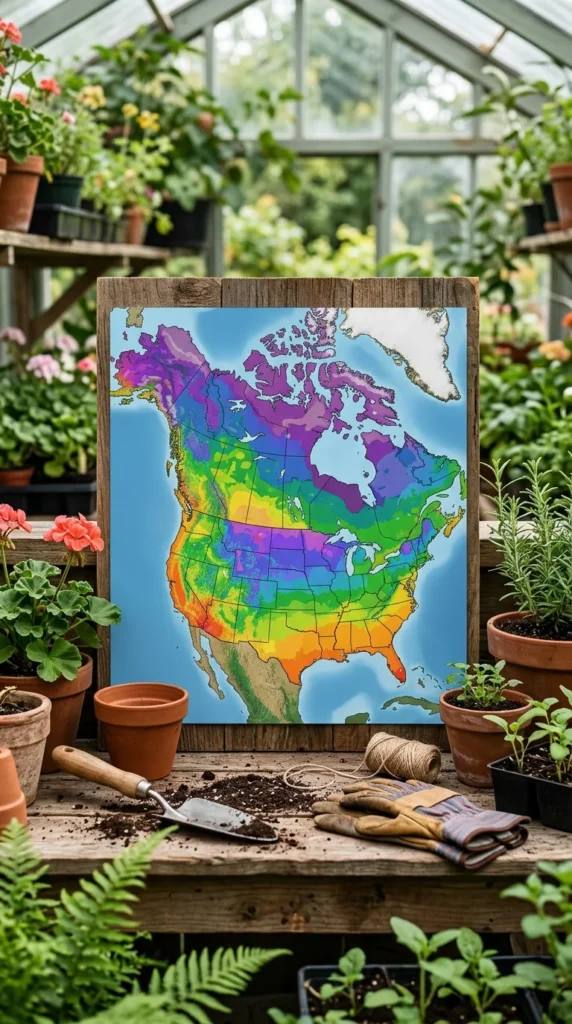
Every plant has a specific set of environmental requirements, and every geographical area has a specific climate profile known as a “Hardiness Zone.” Trying to grow a heat-loving tropical pepper in a region with short, cool summers is an uphill battle that usually ends in disappointment.
Before you buy seeds or starts, research your local growing zone. This will tell you not only what can grow but when it should be planted. Understanding your local microclimate—such as how your yard holds heat or where the frost settles—is the final piece of the puzzle. When you work with your environment rather than against it, gardening becomes a much more rewarding and productive endeavor.