Gardening is far more than a hobby; it is a holistic approach to wellness that engages every fiber of your being. Whether you have a sprawling countryside estate or a collection of pots on a small balcony, the act of nurturing life from the soil yields a harvest of health benefits that science is only beginning to fully quantify. From the microscopic microbes in the dirt to the physical exertion of digging, every moment spent in the garden contributes to a longer, happier life.
1. Stress Relief
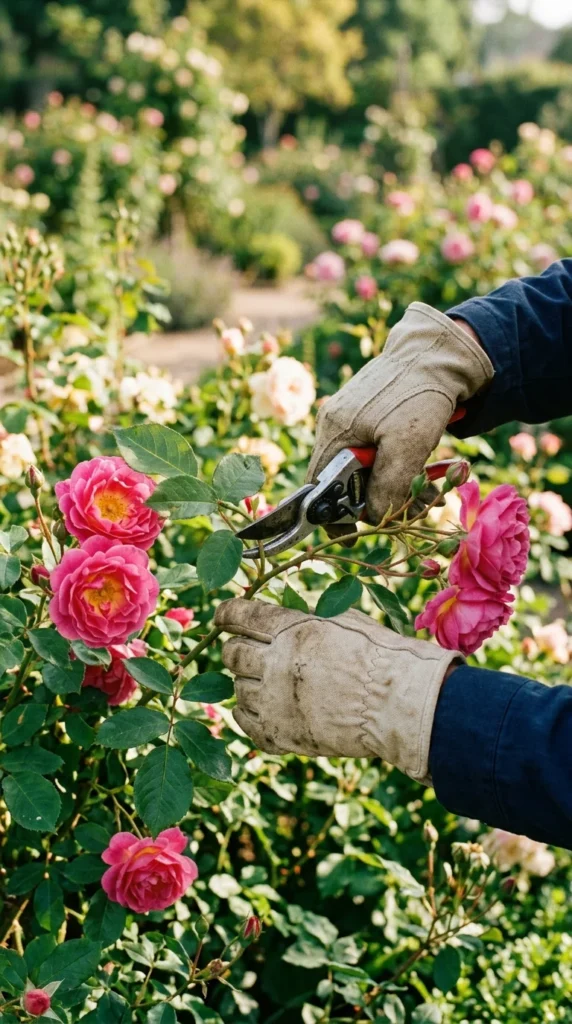
The modern world is a cacophony of digital pings and high-pressure deadlines. Gardening acts as a biological “reset” button. Engaging with plants lowers cortisol, the body’s primary stress hormone. The rhythmic nature of weeding and planting allows the mind to enter a flow state, where worries about the past or future evaporate, replaced by the tactile reality of the present moment. Studies have shown that even a short session in the garden can be more effective at reducing stress than many other common indoor leisure activities.
2. Vitamin D
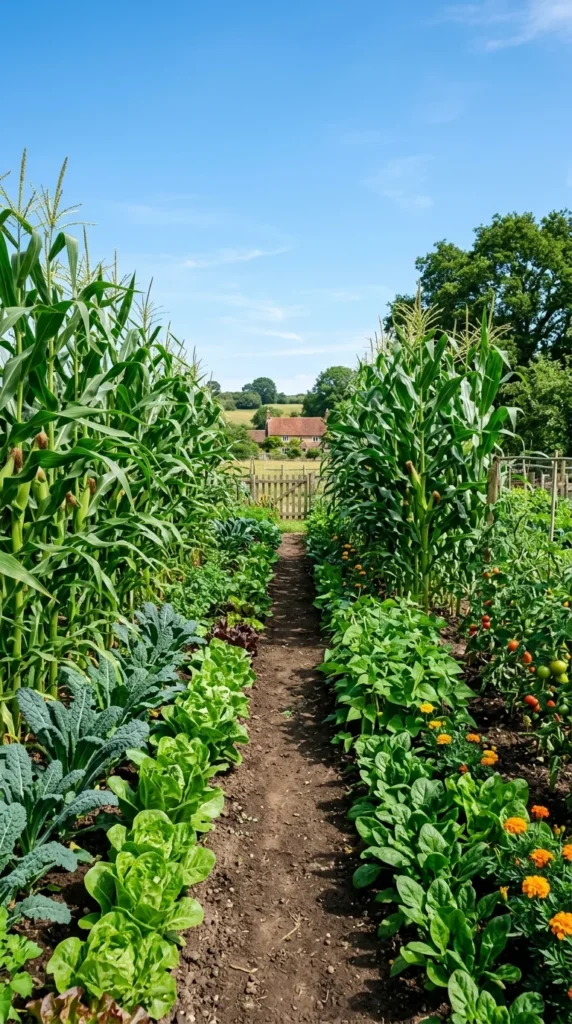
When you spend time outdoors tending to your garden, your skin absorbs sunlight, triggering the synthesis of Vitamin D. This essential nutrient is critical for hundreds of bodily functions, most notably the absorption of calcium for strong bones and the maintenance of a robust immune system. While it is important to practice sun safety, the regular, moderate exposure gained through gardening helps combat Vitamin D deficiency, which is linked to everything from metabolic issues to seasonal affective disorder.
3. Physical Exercise
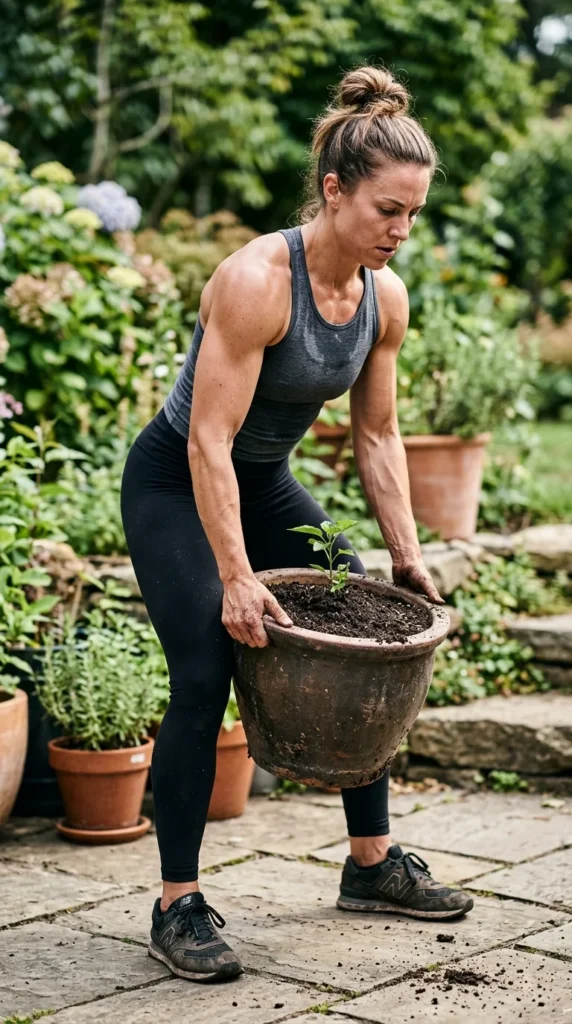
Gardening is a full-body workout disguised as a leisure activity. Digging, raking, and shoveling are high-intensity tasks that build muscle strength and cardiovascular endurance. Carrying watering cans or pushing a wheelbarrow mimics functional movements found in “low-impact” HIIT workouts. Because gardeners are often focused on the task at hand—getting that last row planted or clearing a stubborn patch of weeds—they often exercise for longer periods without the perceived exertion associated with a gym treadmill.
4. Heart Health
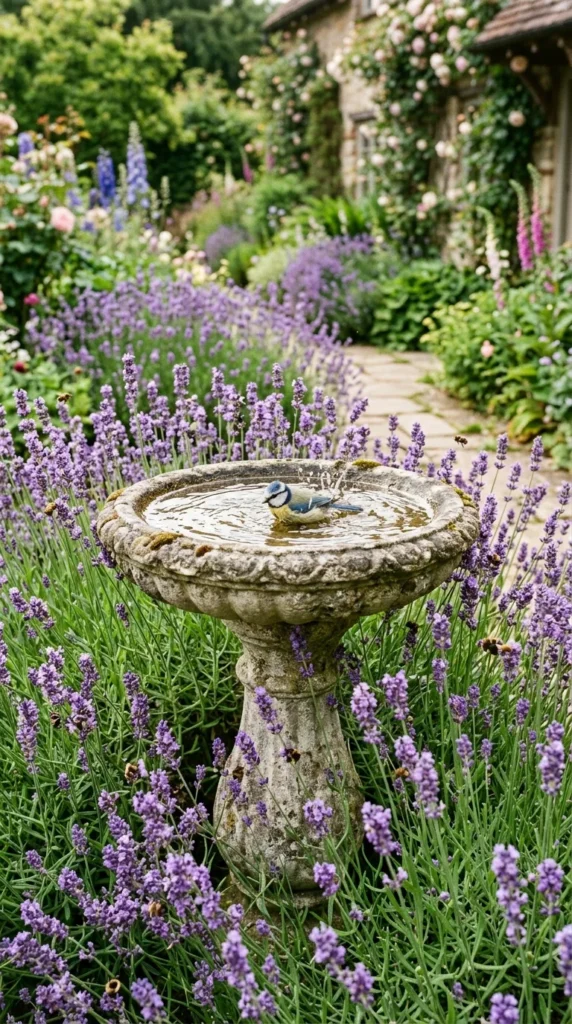
Regular physical activity is the cornerstone of cardiovascular health. The consistent movement involved in gardening helps lower blood pressure and cholesterol levels. By keeping the body active and the heart rate elevated for extended periods, gardeners significantly reduce their risk of heart disease and stroke. The combination of physical exertion and the calming environment creates a dual-action benefit that protects the heart from both physical and emotional strain.
5. Immune System
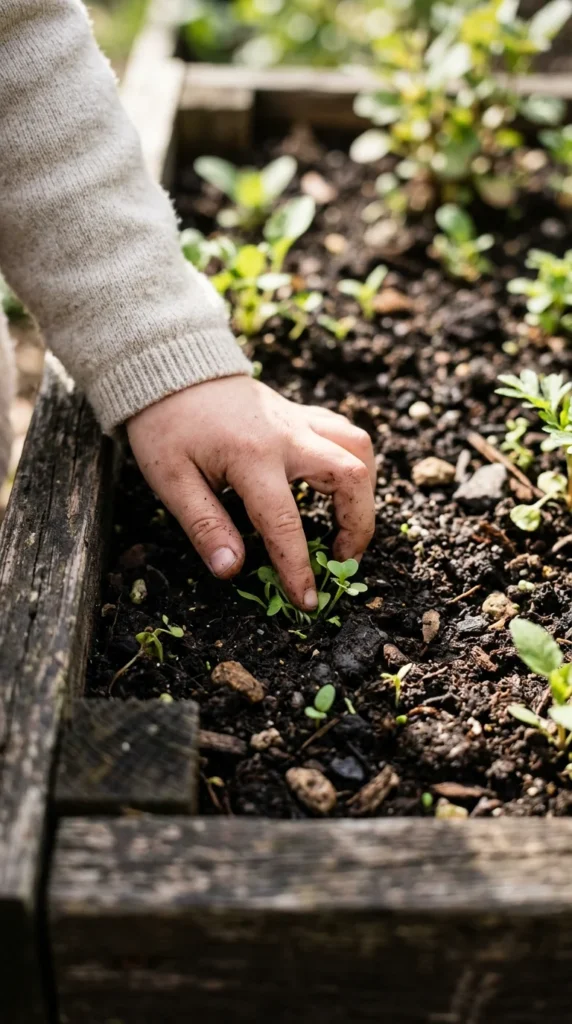
Exposure to “friendly” bacteria in the soil can actually make you healthier. Specifically, Mycobacterium vaccae, a common soil microbe, has been shown to boost the human immune system. Interacting with the diverse microbiology of a garden helps train the immune system to distinguish between harmful pathogens and harmless environmental elements, potentially reducing the risk of allergies and autoimmune responses. Being “dirty” in the garden is, ironically, a way to keep your internal systems clean and functional.
6. Mindfulness
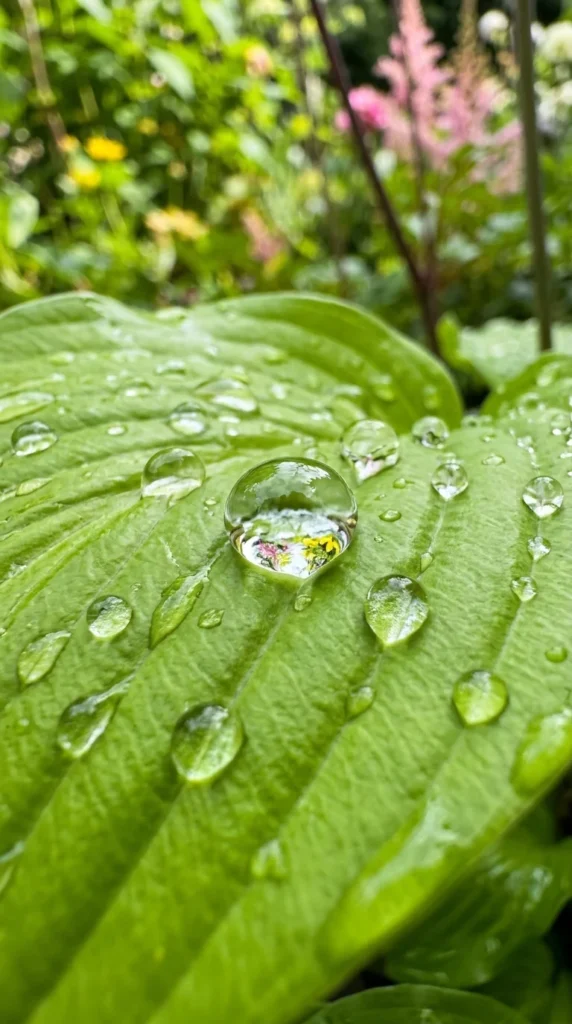
Gardening forces us to slow down and observe. You cannot rush a seed to sprout or a fruit to ripen. This inherent pace fosters mindfulness—the practice of being fully present. As you notice the subtle changes in leaf color, the arrival of beneficial insects, or the smell of rain-drenched earth, you are practicing a form of meditation that quiets the “monkey mind” and builds a profound sense of inner peace.
7. Cognitive Function
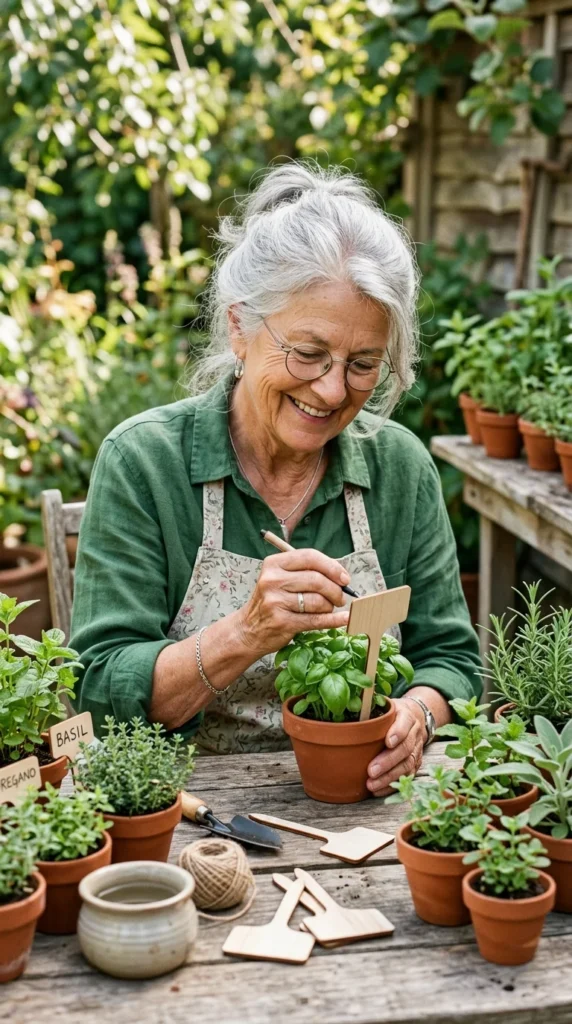
Engaging the brain in the complex tasks of garden planning, problem-solving, and plant identification is a powerful way to maintain cognitive health. Research suggests that daily gardening can significantly reduce the risk of dementia. The combination of physical activity, sensory stimulation, and the mental effort required to manage a garden keeps the brain’s neural pathways active and resilient, even as we age.
8. Healthy Diet

The shortest distance from farm to table is from your backyard to your kitchen. Gardeners are more likely to consume the recommended daily intake of fruits and vegetables because they have high-quality, flavorful produce at their fingertips. Homegrown food is often more nutrient-dense than store-bought counterparts because it is harvested at peak ripeness and consumed immediately, preventing the nutrient degradation that occurs during long-distance transport.
9. Weight Loss
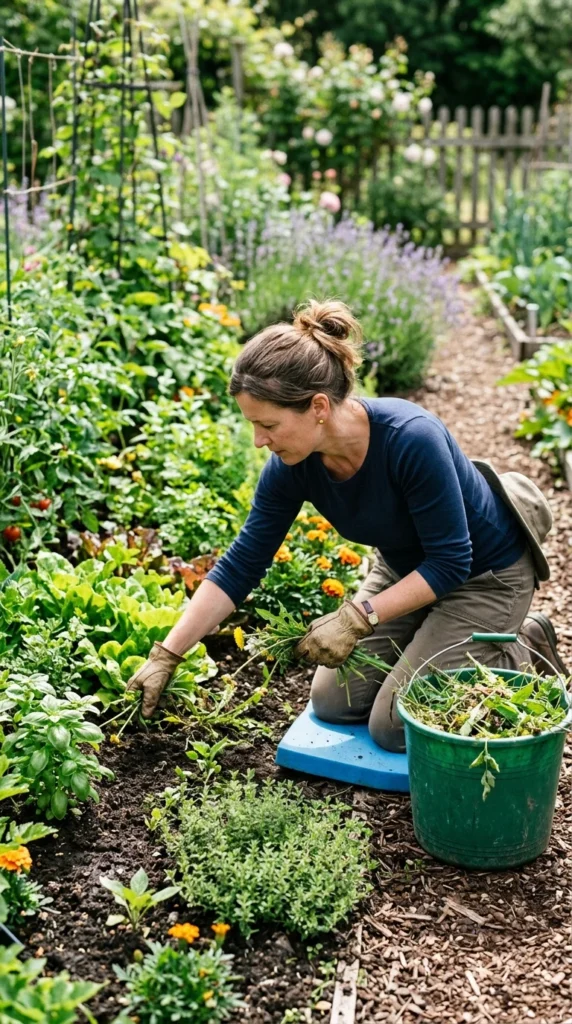
Because gardening burns calories at a rate comparable to walking or light aerobics, it is an excellent tool for weight management. A vigorous hour of gardening can burn between 300 and 450 calories. When combined with the dietary benefits of eating what you grow, gardening creates a natural calorie deficit and promotes a leaner body composition without the need for traditional “dieting.”
10. Hand Strength
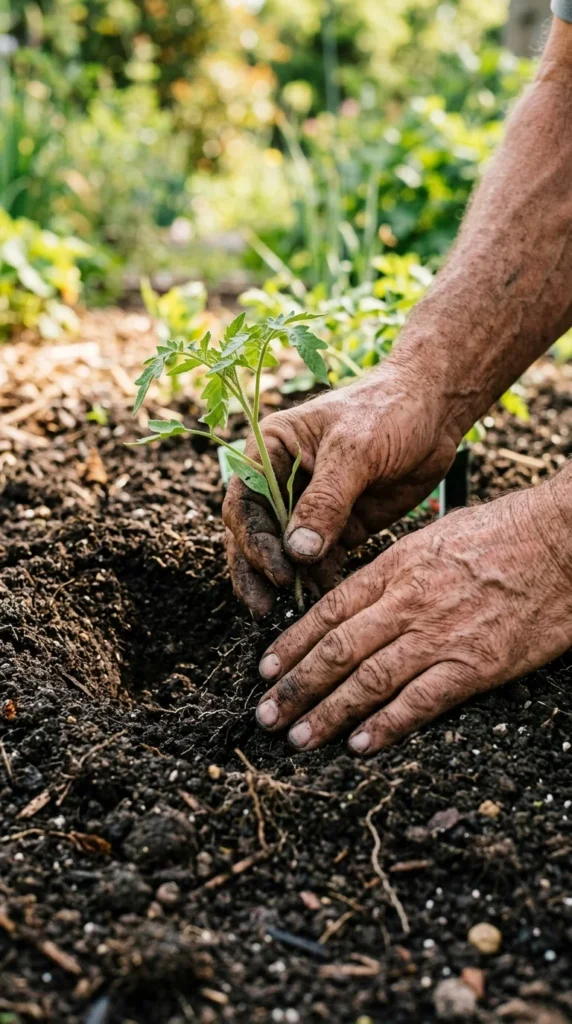
As we age, grip strength and manual dexterity often decline. The intricate movements of gardening—pinching seeds, pulling weeds, and using hand tools—keep the muscles and tendons in the hands and wrists flexible and strong. This functional strength is vital for maintaining independence and performing everyday tasks, acting as a natural form of physical therapy for the hands.
11. Social Connection
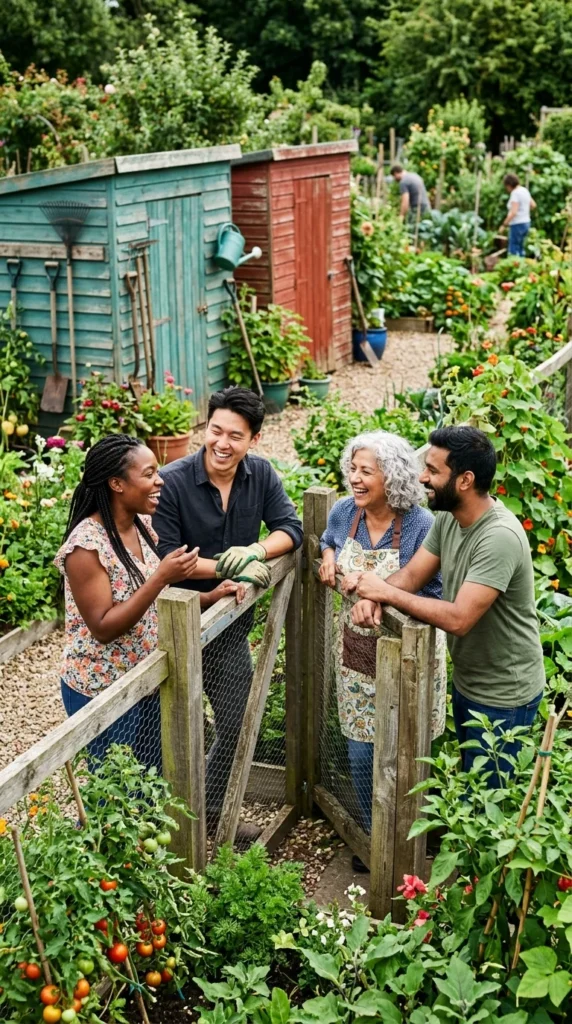
Gardening is a powerful bridge between people. Whether it’s sharing surplus tomatoes with a neighbor, participating in a community garden, or joining a local horticultural club, gardening fosters social bonds. These connections are vital for mental health, providing a sense of belonging and reducing the feelings of isolation that are increasingly common in modern society.
12. Better Sleep
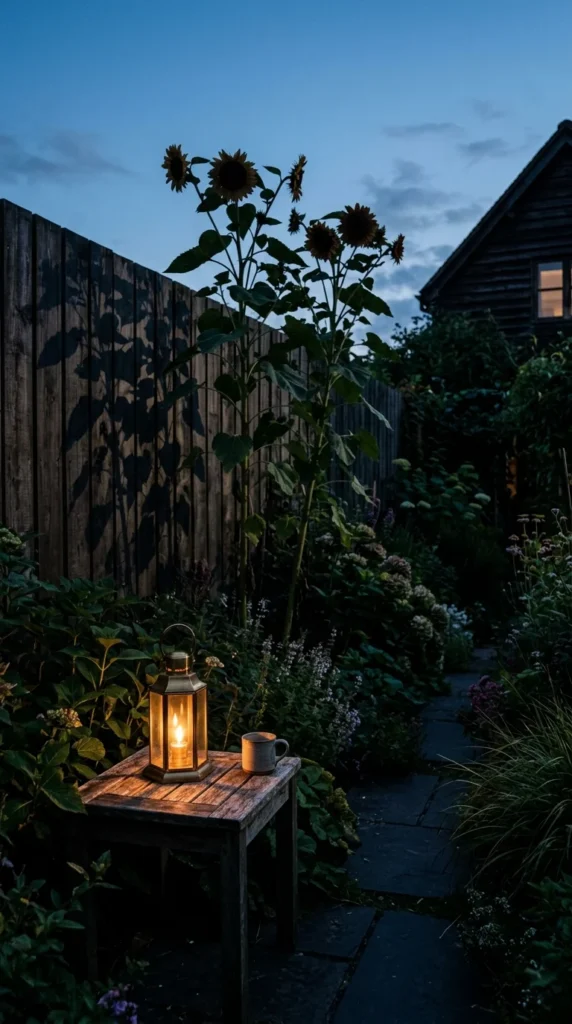
The combination of physical exhaustion, fresh air, and exposure to natural light cycles helps regulate the body’s circadian rhythm. Gardeners often report falling asleep faster and experiencing deeper, more restorative sleep. By aligning the body with the natural rising and setting of the sun, gardening helps reset the internal clock that modern blue-light screens often disrupt.
13. Mental Resilience
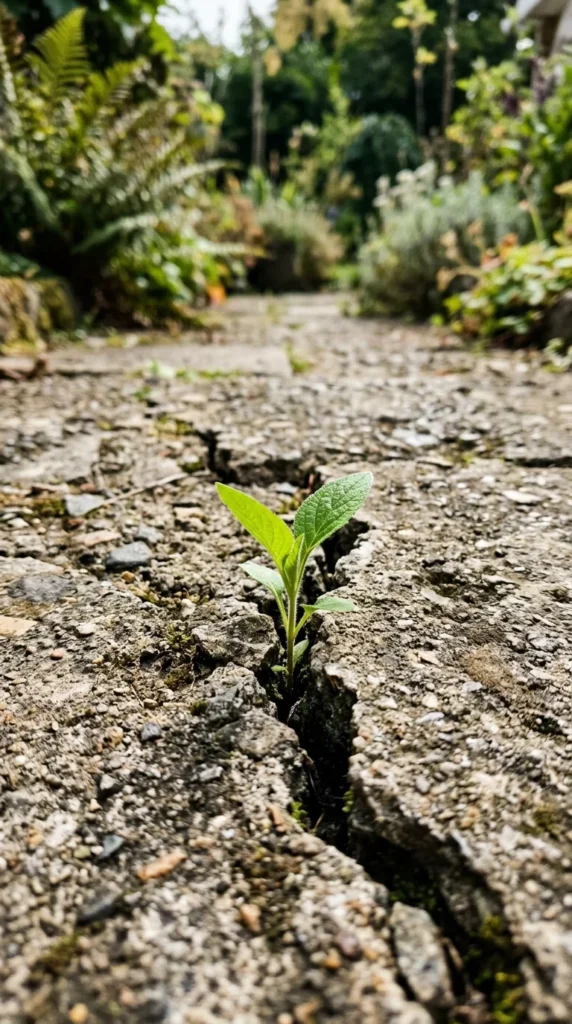
In the garden, not everything goes according to plan. Pests arrive, droughts occur, and sometimes plants simply die despite our best efforts. Dealing with these minor “failures” builds emotional resilience. Gardeners learn to accept what they cannot control, adapt to changing circumstances, and try again next season—a mindset that is incredibly valuable when facing life’s larger challenges.
14. Depression Management

Horticultural therapy is a recognized treatment for depression. The act of caring for another living thing provides a sense of purpose and “needed-ness.” Seeing a plant thrive under your care releases dopamine, the brain’s reward chemical. Furthermore, the antidepressant properties of soil microbes and the mood-lifting effects of sunlight work together to create a powerful, natural intervention for depressive symptoms.
15. Anxiety Reduction
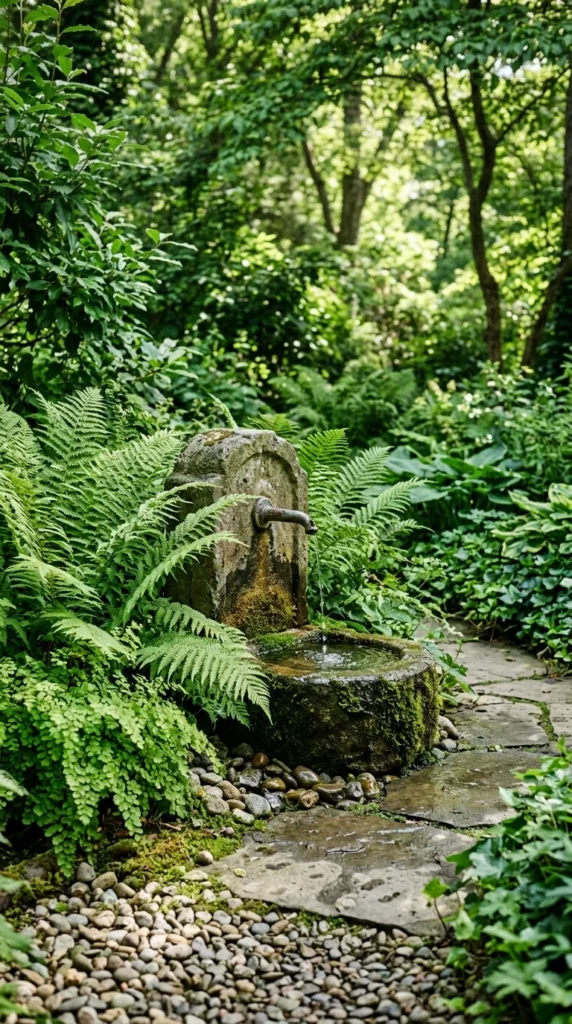
The garden is a predictable, safe space where the chaos of the world is filtered out. The repetitive tasks of gardening—like rhythmic watering or clipping deadheads—act as “grounding” exercises that help pull a person out of an anxious spiral. The focus on the tangible, physical world provides a mental anchor, helping to quiet the racing thoughts associated with anxiety disorders.
16. Creativity
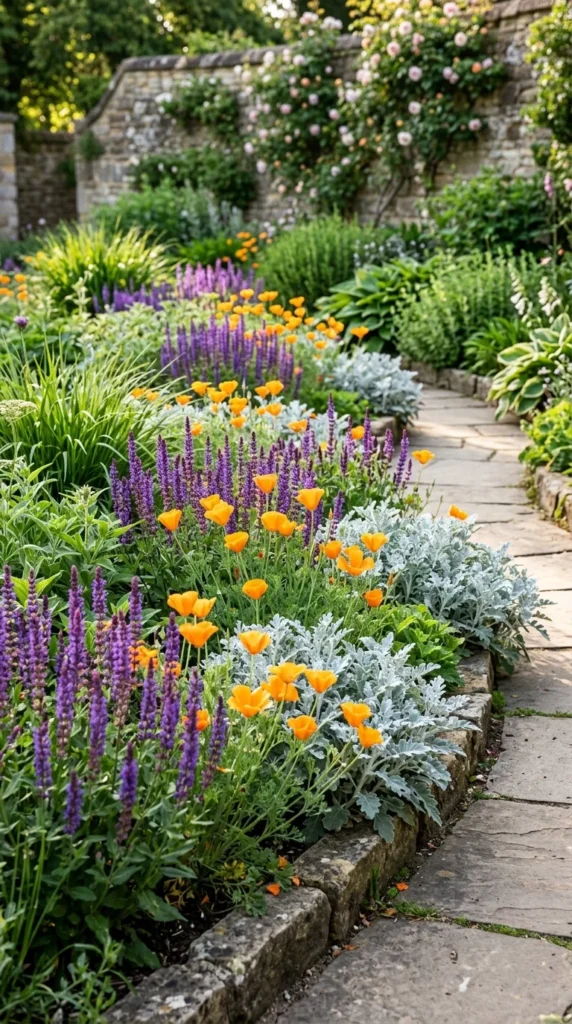
Gardening is an art form where the medium is living biology. Designing a garden layout, choosing color palettes, and experimenting with plant textures allows for immense creative expression. This creative outlet boosts mental well-being by providing a sense of accomplishment and allowing individuals to manifest their internal aesthetic in the physical world.
17. Sensory Stimulation

Modern life is often sensory-deprived, spent in climate-controlled rooms looking at flat screens. Gardening engages all five senses: the smell of damp earth and fragrant blooms, the taste of a sun-warmed berry, the sight of vibrant colors, the sound of rustling leaves, and the feel of various textures. This multi-sensory engagement is highly stimulating for the brain and helps keep our sensory perceptions sharp.
18. Longevity

Populations in the world’s “Blue Zones”—areas where people live significantly longer than average—often share a common habit: gardening. The combination of low-intensity physical activity, a plant-based diet, and a connection to nature creates the perfect environment for a long life. Gardening keeps people moving and engaged with life well into their 80s, 90s, and beyond.
19. Self-Esteem
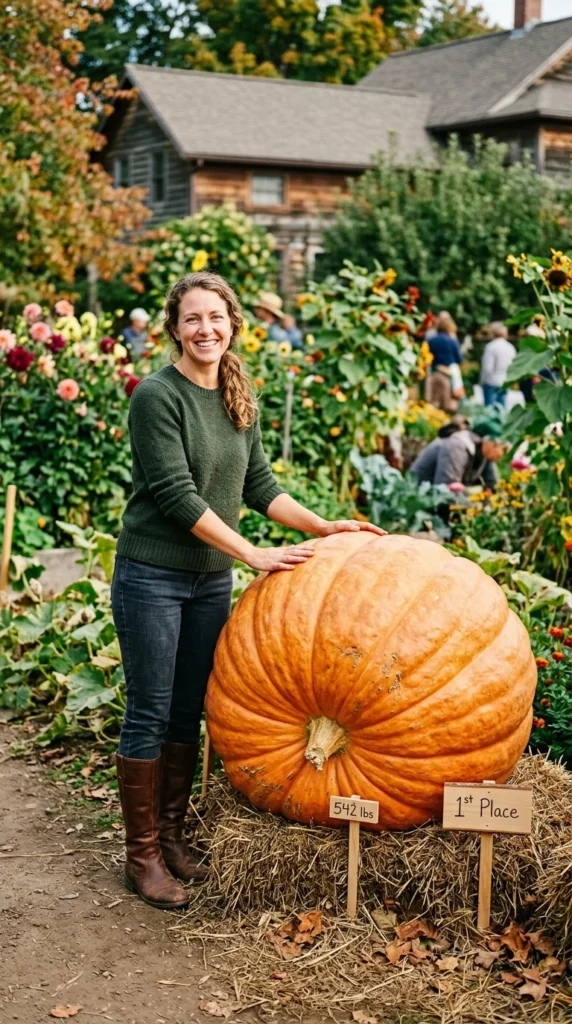
There is a unique sense of pride that comes from growing something from a tiny seed. Successfully harvesting a crop or seeing a flower bloom provides a tangible sense of achievement. This “mastery” over a skill boosts self-confidence and self-esteem, providing a reminder that with effort and patience, you can create beauty and sustenance.
20. Patience
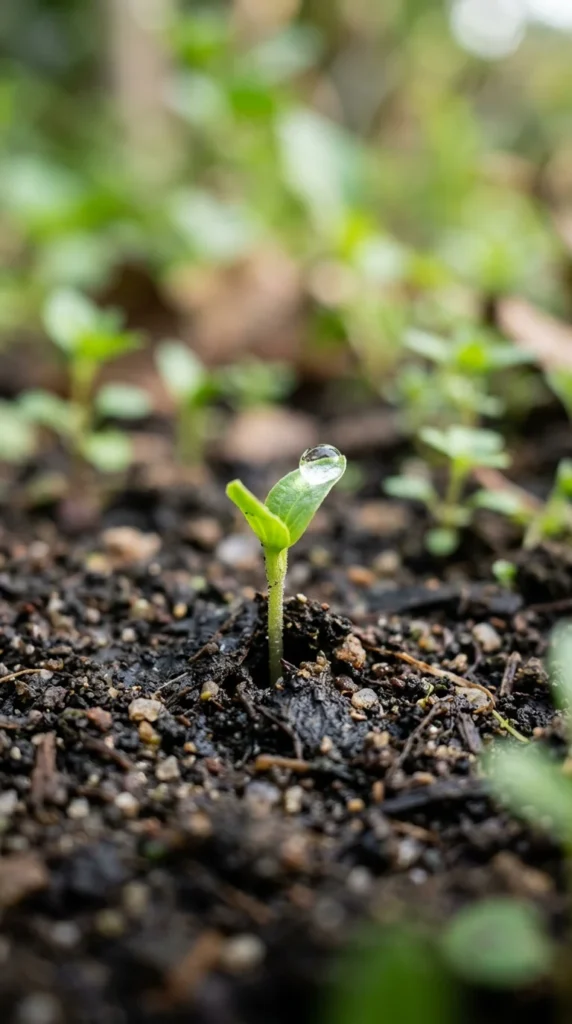
We live in an age of instant gratification, but the garden refuses to be rushed. Gardening teaches us the value of waiting. It forces a long-term perspective, where the work done in the autumn (planting bulbs) doesn’t show its reward until the spring. This cultivated patience translates to other areas of life, helping us become more tolerant of delays and more appreciative of gradual progress.
21. Flexibility
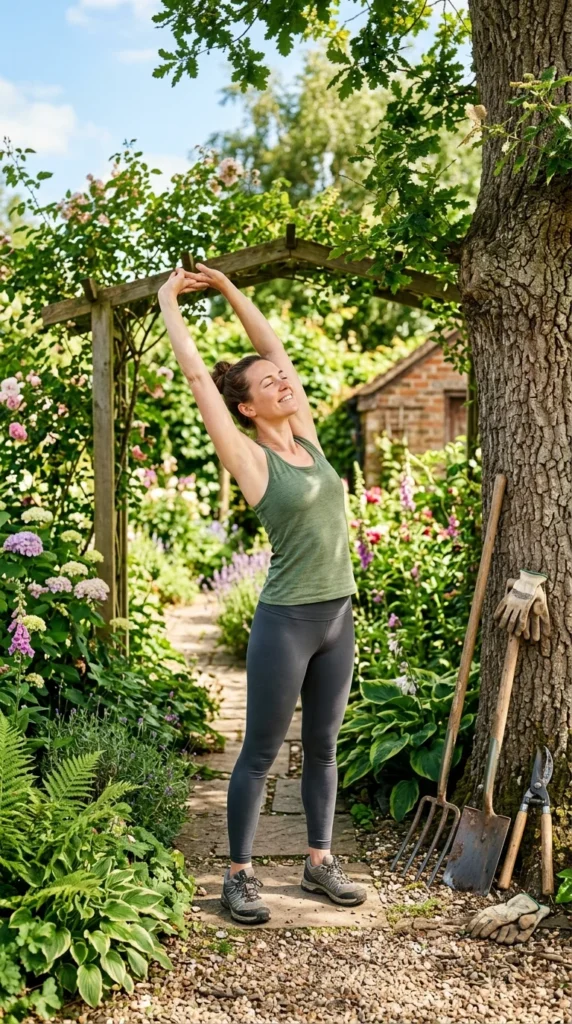
The varied movements of gardening—bending to plant, reaching to prune, and squatting to weed—promote joint flexibility and a wide range of motion. Unlike the repetitive, linear movements of a gym machine, gardening requires the body to move in organic, multi-directional ways, which helps keep the fascia and muscles supple and prevents stiffness.
22. Soil Microbes
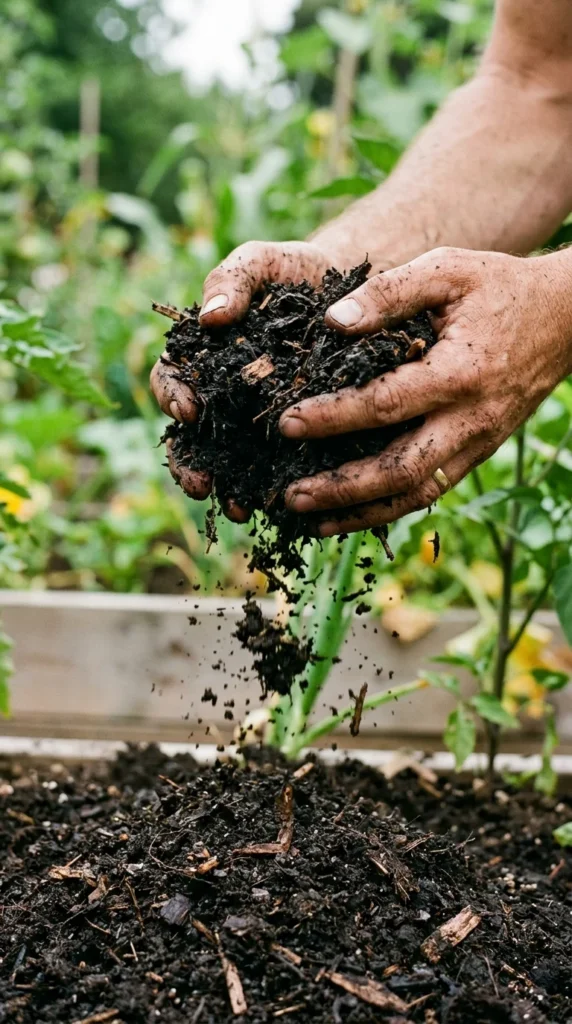
Recent science has highlighted the “gut-brain axis,” and gardening plays right into this. By working in the dirt, we are exposed to a variety of microorganisms that can actually improve our gut health if they are incidentally ingested or inhaled. A healthy gut microbiome is directly linked to better mood regulation, improved digestion, and a stronger immune response.
23. Nature Connection
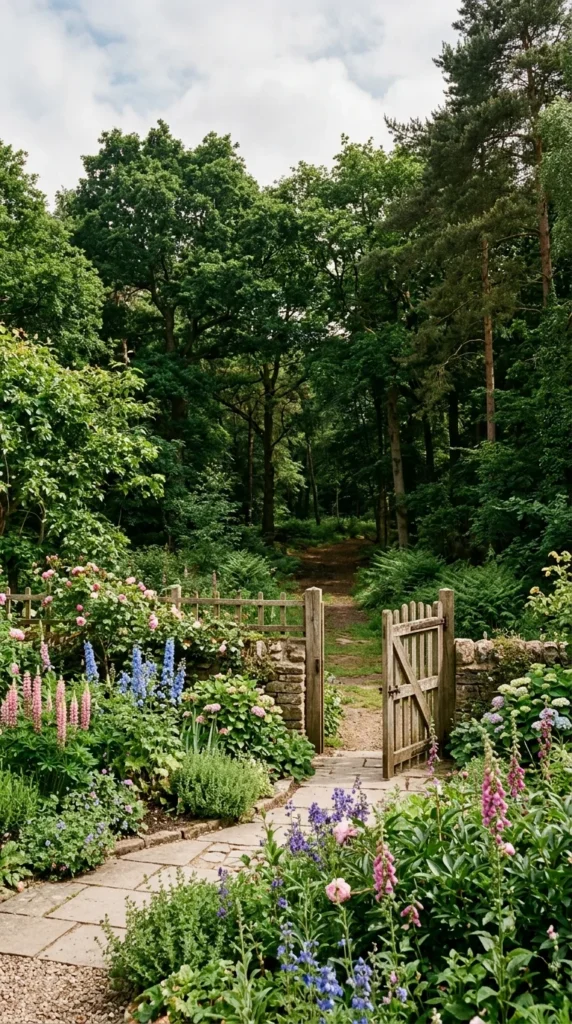
Humans have an innate biological need to connect with nature, a concept known as “biophilia.” Gardening satisfies this craving. Being part of the natural cycle of birth, growth, decay, and rebirth helps us feel connected to something larger than ourselves. This connection fosters a sense of environmental stewardship and a deep, grounding peace.
24. Focus
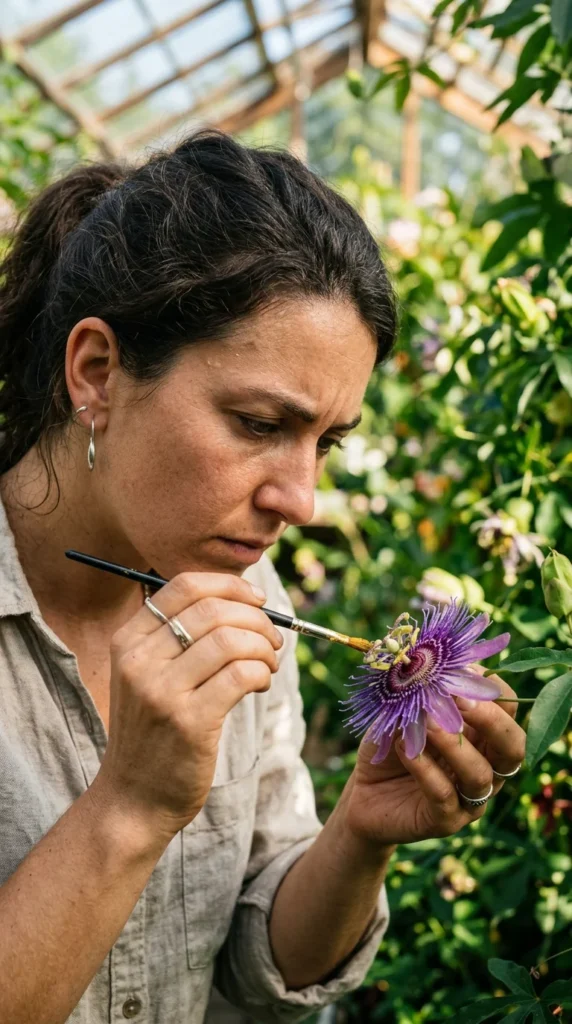
In a world of constant distractions, the garden requires focus. Whether you are identifying a specific pest or carefully thinning out seedlings, these tasks require “directed attention.” Interestingly, spending time in nature also helps restore “involuntary attention,” which allows the brain to recover from the fatigue of focusing on screens and complex urban environments.
25. Emotional Regulation
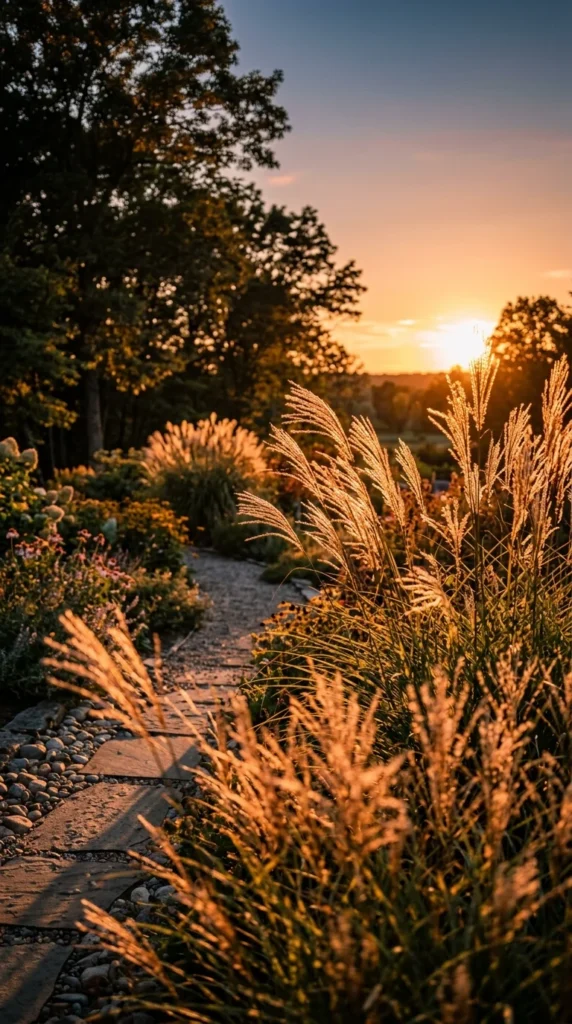
The garden is a neutral space where emotions can be processed without judgment. The physical act of “toiling” in the earth allows for the release of pent-up anger or frustration, while the beauty of the plants provides a space for reflection and grief. It is a living sanctuary that accepts you exactly as you are, providing a consistent, nourishing environment for emotional healing and regulation.