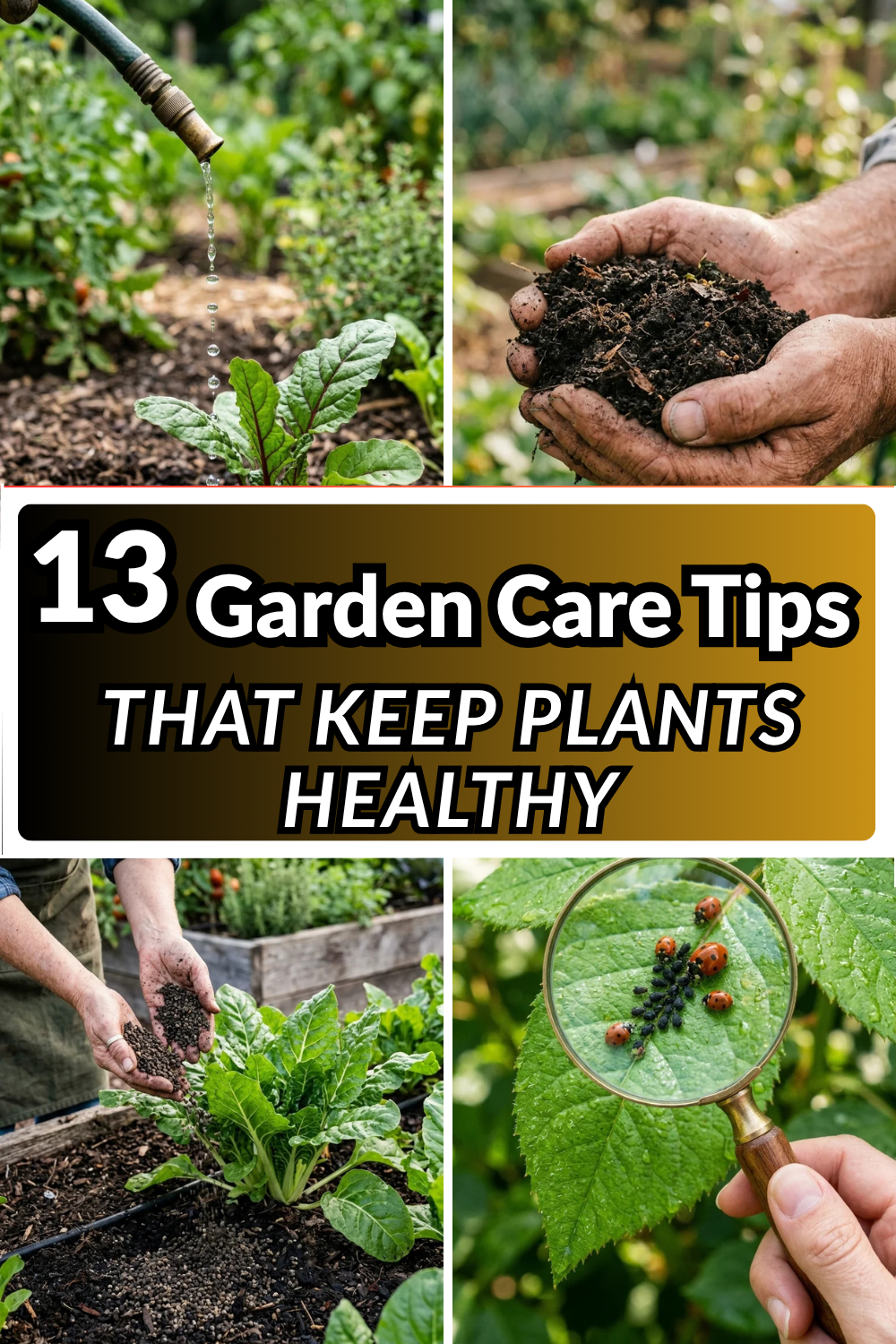
Gardening is both an art and a science. It requires patience, observation, and a foundational understanding of how plants interact with their environment. Whether you are growing a bounty of vegetables or a sanctuary of ornamental flowers, the health of your garden depends on consistent, proactive care. A thriving garden doesn’t happen by accident; it is the result of specific habits that foster growth while minimizing stress. By mastering these thirteen essential tips, you can transform your backyard into a flourishing ecosystem that remains vibrant and productive throughout the seasons.
1. Soil Quality
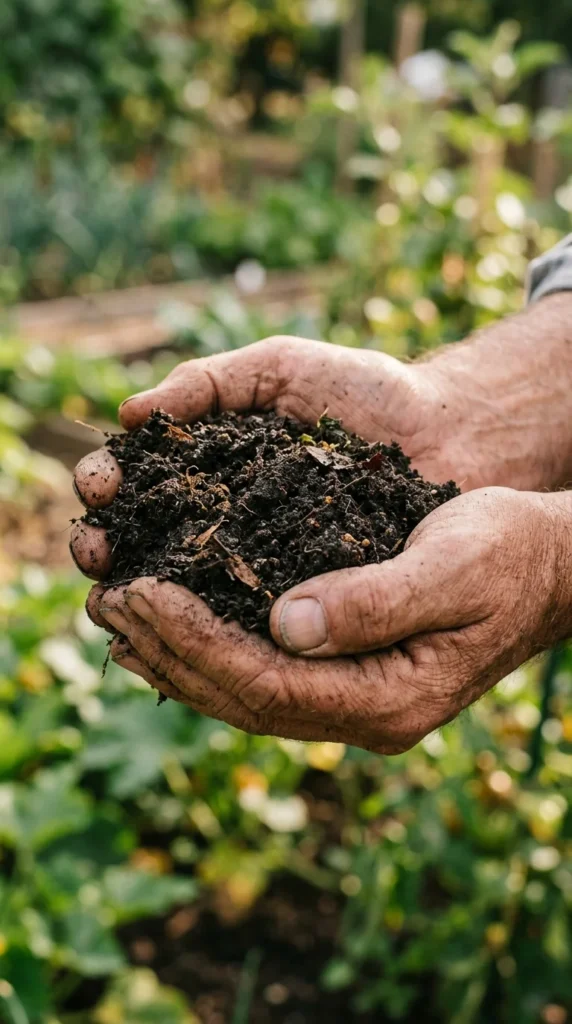
The foundation of every healthy plant is the medium in which it grows. Soil is far more than just “dirt”; it is a living ecosystem. High-quality soil provides the necessary drainage, aeration, and nutrients that roots need to expand and thrive. To improve your soil, focus on its structure. Sandy soil drains too quickly, while clay soil holds too much water and can suffocate roots. Incorporating organic matter, such as well-rotted manure or leaf mold, can fix both issues. Additionally, it is wise to test your soil pH once a year. Most garden plants prefer a slightly acidic to neutral pH (6.0 to 7.0). If your soil is too acidic, adding lime can help; if it is too alkaline, sulfur or peat moss can bring the levels back into balance.
2. Deep Watering
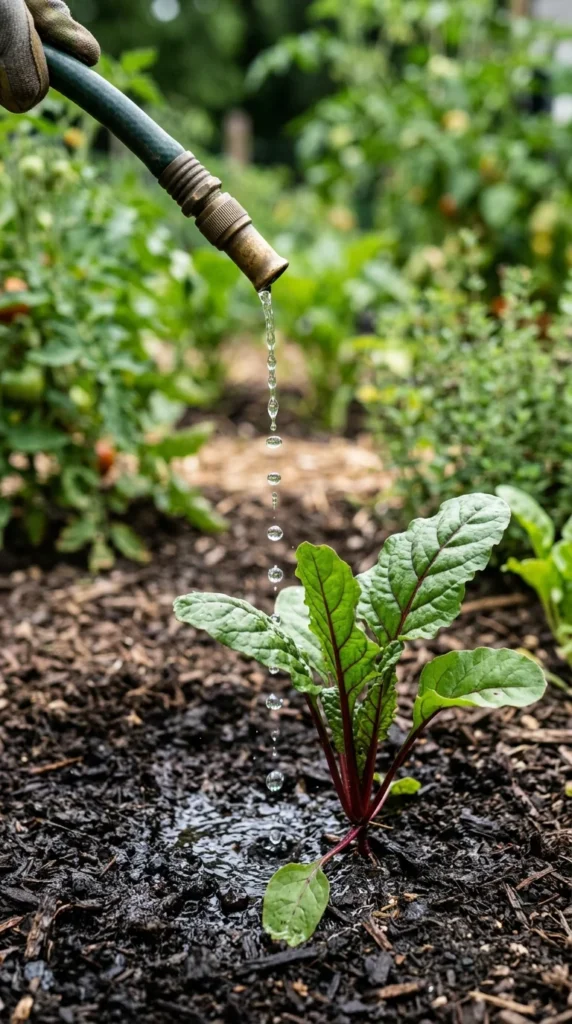
How and when you water can mean the difference between a resilient plant and one prone to disease. Shallow, frequent watering encourages roots to stay near the surface, where they are vulnerable to heat and drought. Instead, aim for deep, infrequent watering sessions that saturate the root zone. This encourages roots to grow deeper into the earth, making the plant more stable and drought-tolerant. The timing is also critical; watering in the early morning allows the foliage to dry before evening, which prevents fungal spores from taking hold. Always target the base of the plant rather than the leaves to ensure the moisture reaches the roots where it is needed most.
3. Mulch Application
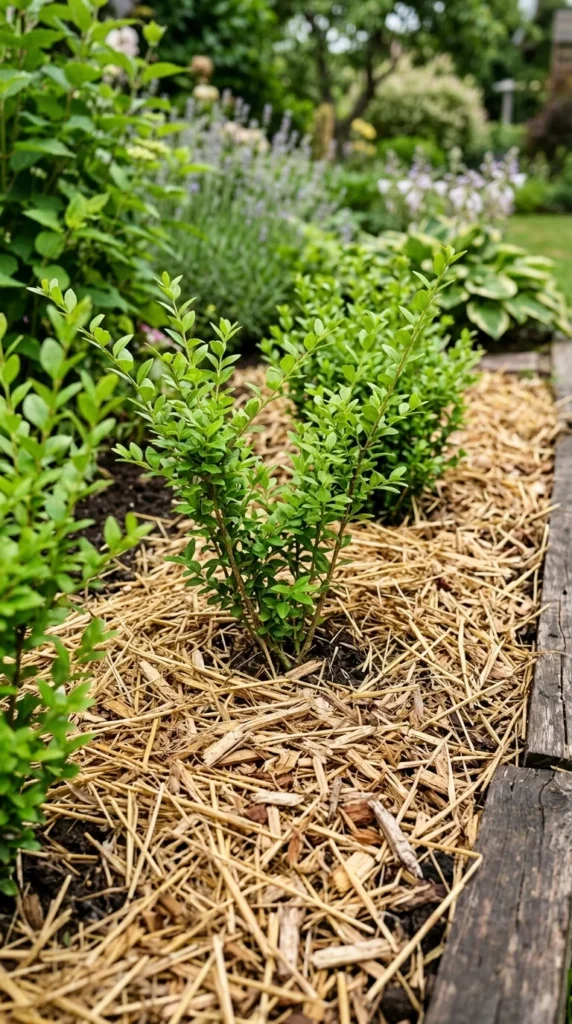
Mulching is often overlooked, but it is one of the most effective ways to maintain plant health. A two-to-three-inch layer of organic mulch—such as wood chips, straw, or shredded bark—acts as an insulating blanket for the soil. It regulates soil temperature, keeping roots cool in the summer and warm in the winter. Furthermore, mulch significantly reduces evaporation, meaning you won’t have to water as often. As organic mulch decomposes, it slowly releases nutrients back into the soil, improving fertility over time. Just be sure to keep the mulch a few inches away from the plant stems or tree trunks to prevent rot and pest nesting.
4. Regular Pruning
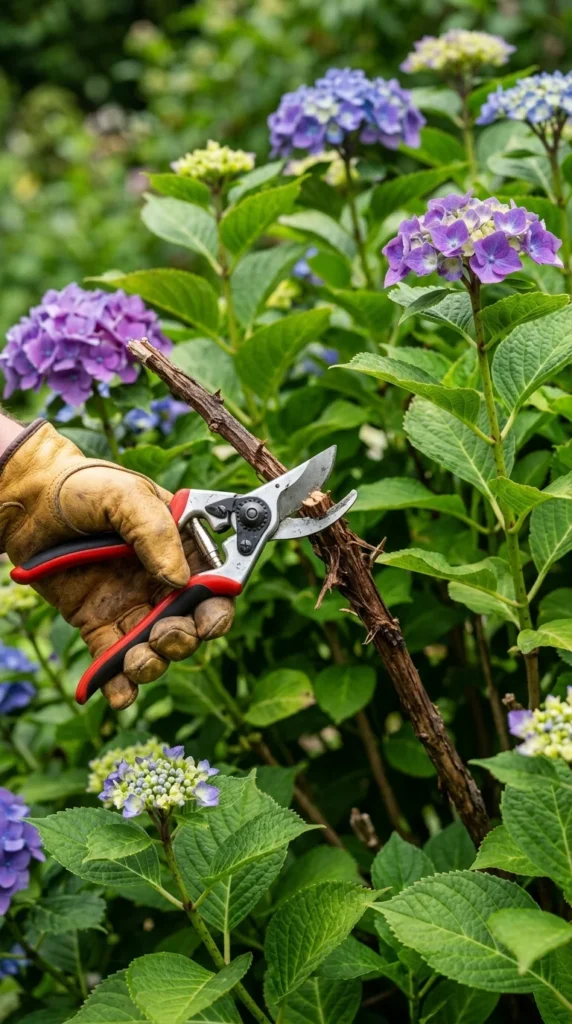
Pruning is the practice of selectively removing parts of a plant to improve its health and appearance. By cutting away dead, damaged, or diseased stems (often called the “three Ds”), you prevent decay from spreading to the rest of the plant. Pruning also increases airflow and light penetration, which is vital for fruit and flower production. For many perennials and shrubs, “deadheading”—the removal of spent flowers—tricks the plant into producing more blooms rather than diverting energy into seed production. Always use sharp, sterilized tools to ensure clean cuts that heal quickly without inviting pathogens.
5. Pest Monitoring
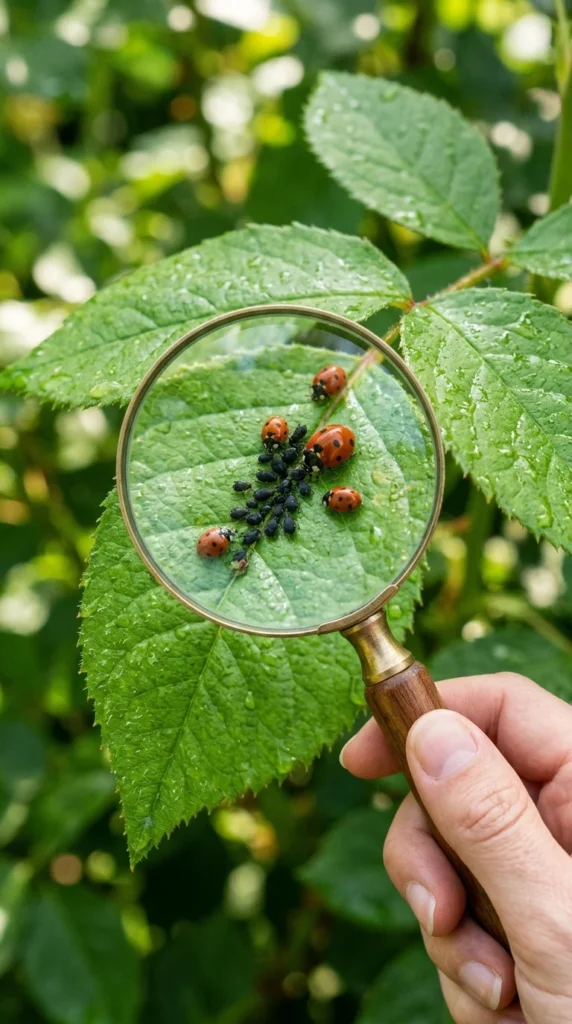
Early detection is the best defense against garden pests. Instead of waiting for a full-blown infestation, make it a habit to walk through your garden daily and inspect the undersides of leaves. Look for signs of trouble, such as holes, yellowing, or sticky residue (honeydew). Encouraging beneficial insects, like ladybugs and lacewings, can provide natural pest control. If you do find pests, start with the least toxic method first—such as a strong stream of water from a hose or a spray of insecticidal soap. Maintaining a diverse garden with many different plant species can also prevent one specific pest from decimating your entire landscape.
6. Nutrient Management
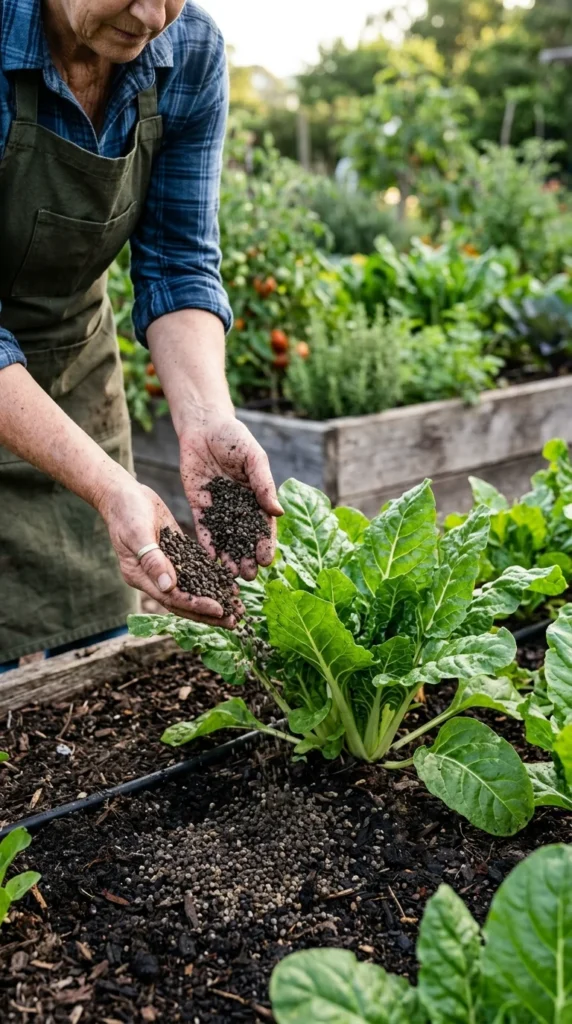
Plants require a balanced diet of nitrogen, phosphorus, and potassium (N-P-K), along with micronutrients like magnesium and calcium. However, over-fertilizing can be just as harmful as under-fertilizing. Too much nitrogen, for example, can result in lush green foliage but very few flowers or fruit, and it can even burn the roots. Use a slow-release organic fertilizer to provide a steady stream of nutrients over time. It is best to fertilize during the active growing season (spring and summer) and hold off during the dormant winter months when plants cannot efficiently process the extra nutrients.
7. Air Circulation
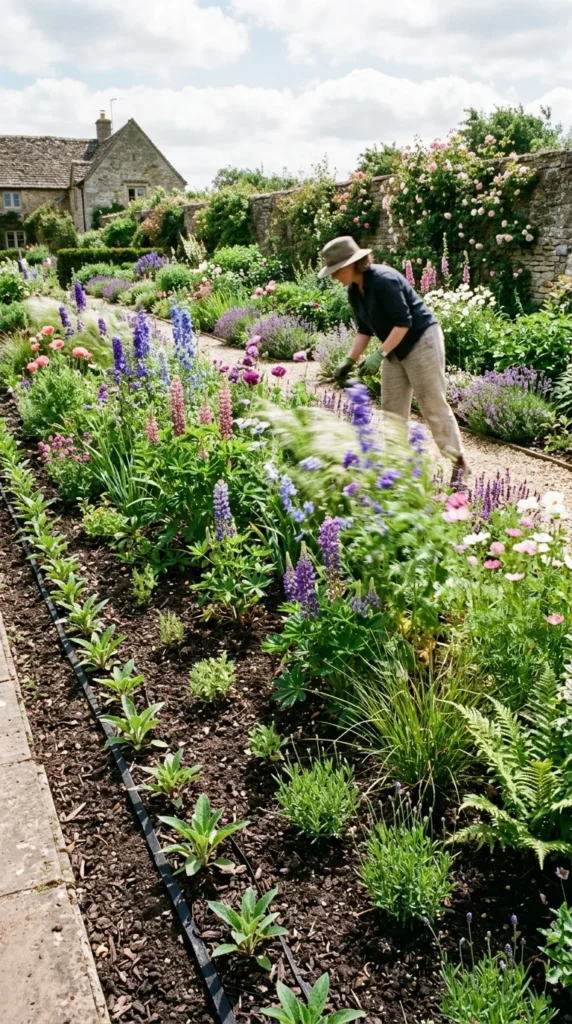
Crowded plants are a breeding ground for mildew and fungus. When plants are packed too tightly, humidity gets trapped between the leaves, and the lack of airflow prevents moisture from evaporating. To keep your plants healthy, always follow the spacing recommendations on seed packets or plant labels. If your garden has become overgrown, don’t be afraid to thin out seedlings or divide large perennials. Increasing the distance between plants ensures that each one gets its fair share of sunlight and soil nutrients while significantly lowering the risk of airborne diseases.
8. Tool Hygiene
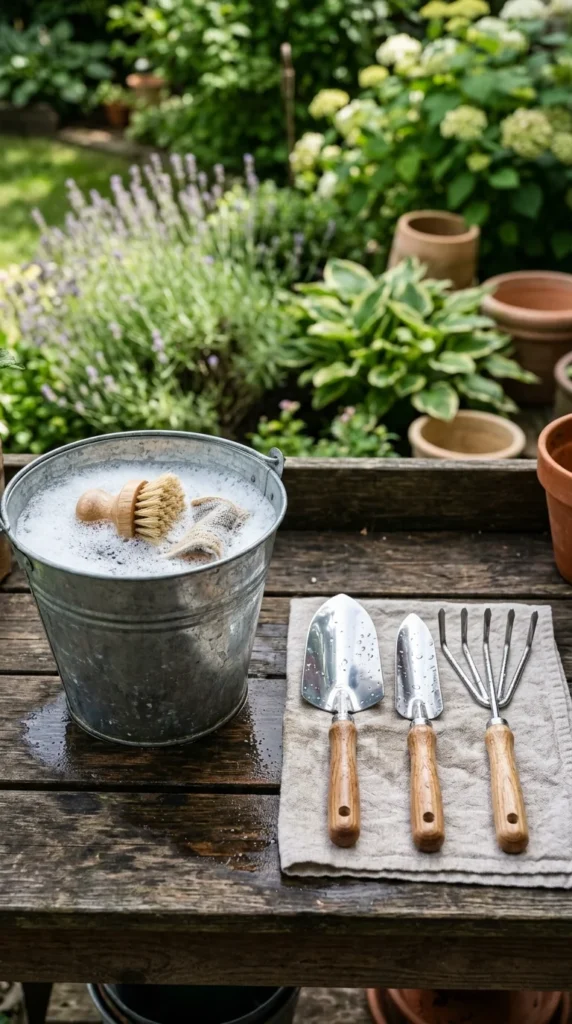
Your garden tools can inadvertently act as vectors for disease. If you prune a diseased branch and then move to a healthy plant without cleaning your shears, you are likely transplanting the fungus or bacteria. Get into the habit of wiping your blades with rubbing alcohol or a 10% bleach solution between plants. Furthermore, keep your tools sharp; dull blades tear the plant tissue rather than slicing it, creating jagged wounds that take longer to heal and are more susceptible to infection. At the end of the season, clean and oil your tools to prevent rust.
9. Weed Control
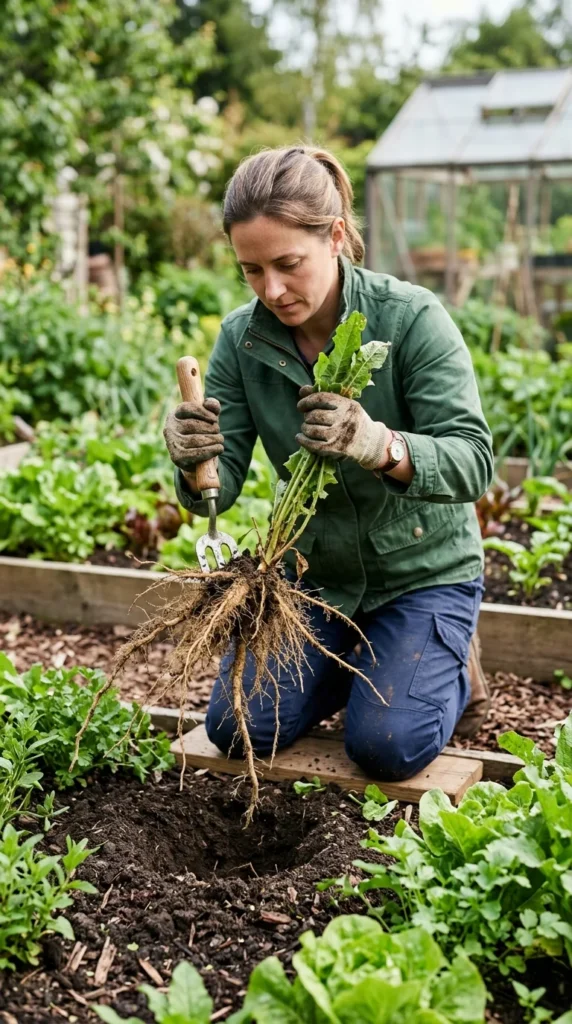
Weeds are more than just an eyesore; they are aggressive competitors for water, light, and nutrients. If left unchecked, weeds can quickly outcompete your garden plants and harbor pests and diseases. The key to effective weeding is to catch them while they are small and before they go to seed. Pulling weeds after a rain shower is easier because the soil is soft, allowing you to remove the entire root system. If you leave the roots behind, many weeds will simply grow back. Using mulch and ground covers can also prevent weed seeds from germinating in the first place.
10. Sun Exposure
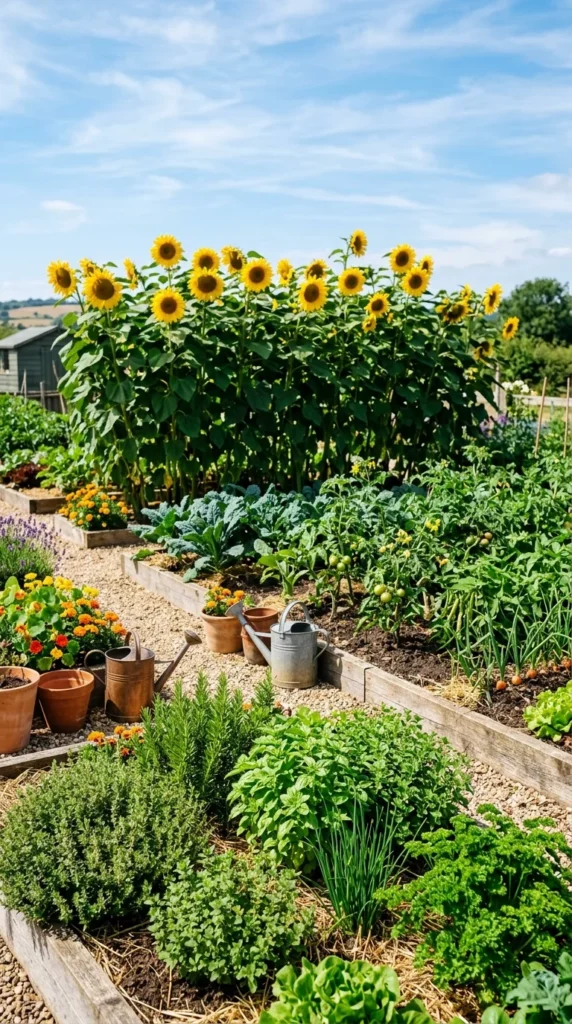
Every plant has a specific light requirement, ranging from full sun to deep shade. Placing a sun-loving tomato in the shade will result in a spindly, weak plant that produces little fruit. Conversely, placing a shade-loving hosta in direct afternoon sun will scorch its leaves. Before planting, observe your garden throughout the day to map out the sunny and shady spots. Group plants with similar light needs together. Remember that sun patterns change with the seasons; a spot that is sunny in the summer might be shaded by a building or a tree in the spring or fall.
11. Disease Prevention
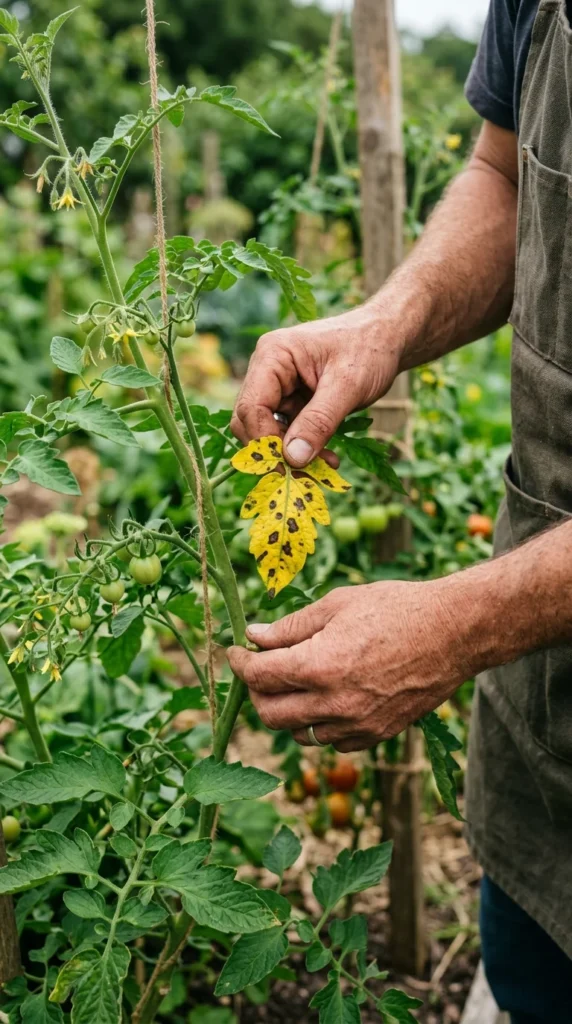
Prevention is always easier than a cure when it comes to plant diseases. Beyond watering at the base and ensuring airflow, you should choose disease-resistant varieties whenever possible. Many modern cultivars are bred to withstand common issues like powdery mildew or wilt. If you notice a plant that is severely infected, it is often better to remove the entire plant and dispose of it (not in the compost) rather than letting the disease spread to the rest of the garden. Keeping the garden floor clean of fallen, rotting fruit and leaves also removes potential overwintering sites for pathogens.
12. Composting
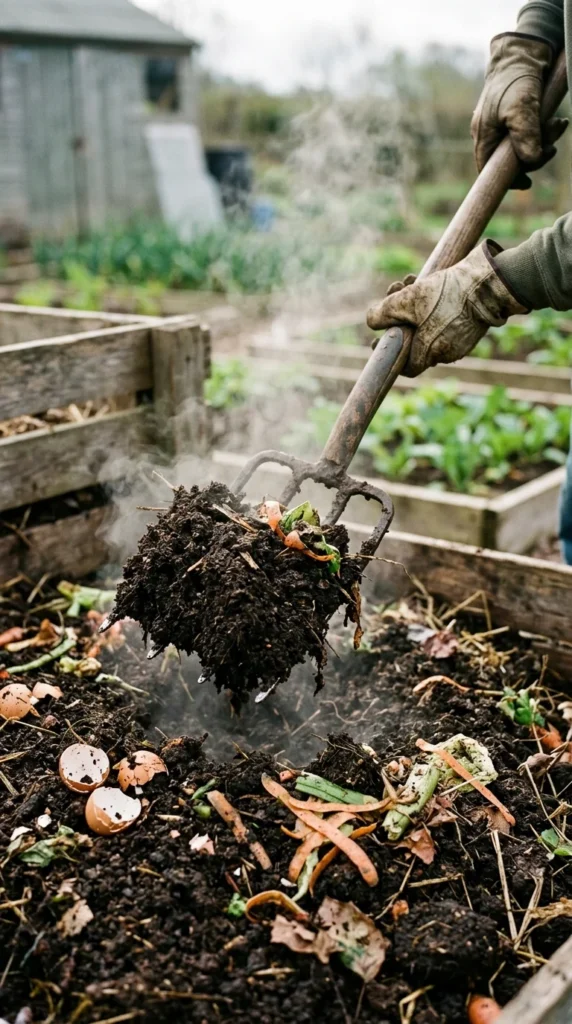
Composting is the ultimate way to recycle nutrients back into your garden. By collecting kitchen scraps (like fruit peels and coffee grounds) and yard waste (like dried leaves and grass clippings), you can create “black gold.” Adding compost to your garden beds improves soil structure, introduces beneficial microbes, and provides a wide array of trace minerals that commercial fertilizers often lack. Compost also helps the soil retain moisture and buffers the pH. It is a sustainable, cost-effective way to ensure your plants have the organic matter they need to thrive year after year.
13. Seasonal Cleanup
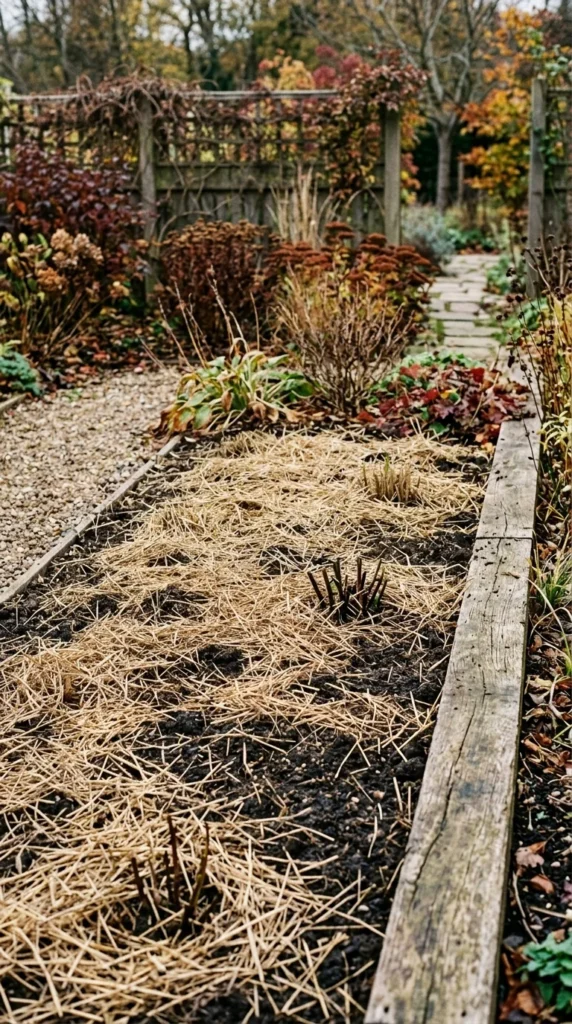
A healthy garden requires a strong finish at the end of the growing season. In the autumn, remove all dead annuals and cut back perennials that don’t provide winter interest or food for birds. Removing spent vegetation prevents pests from finding a place to hide during the cold months. However, leave some hollow stems or leaf litter in designated corners to provide habitat for overwintering pollinators. Cover bare soil with mulch or a cover crop to prevent erosion from winter rains and snow. A thorough cleanup ensures that you start the following spring with a clean slate and a healthy environment for new growth.