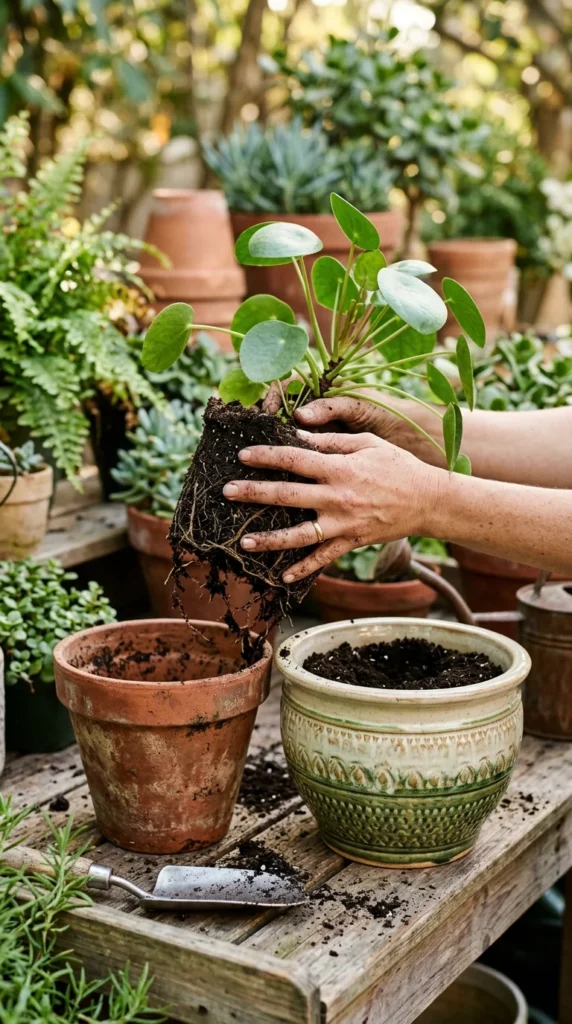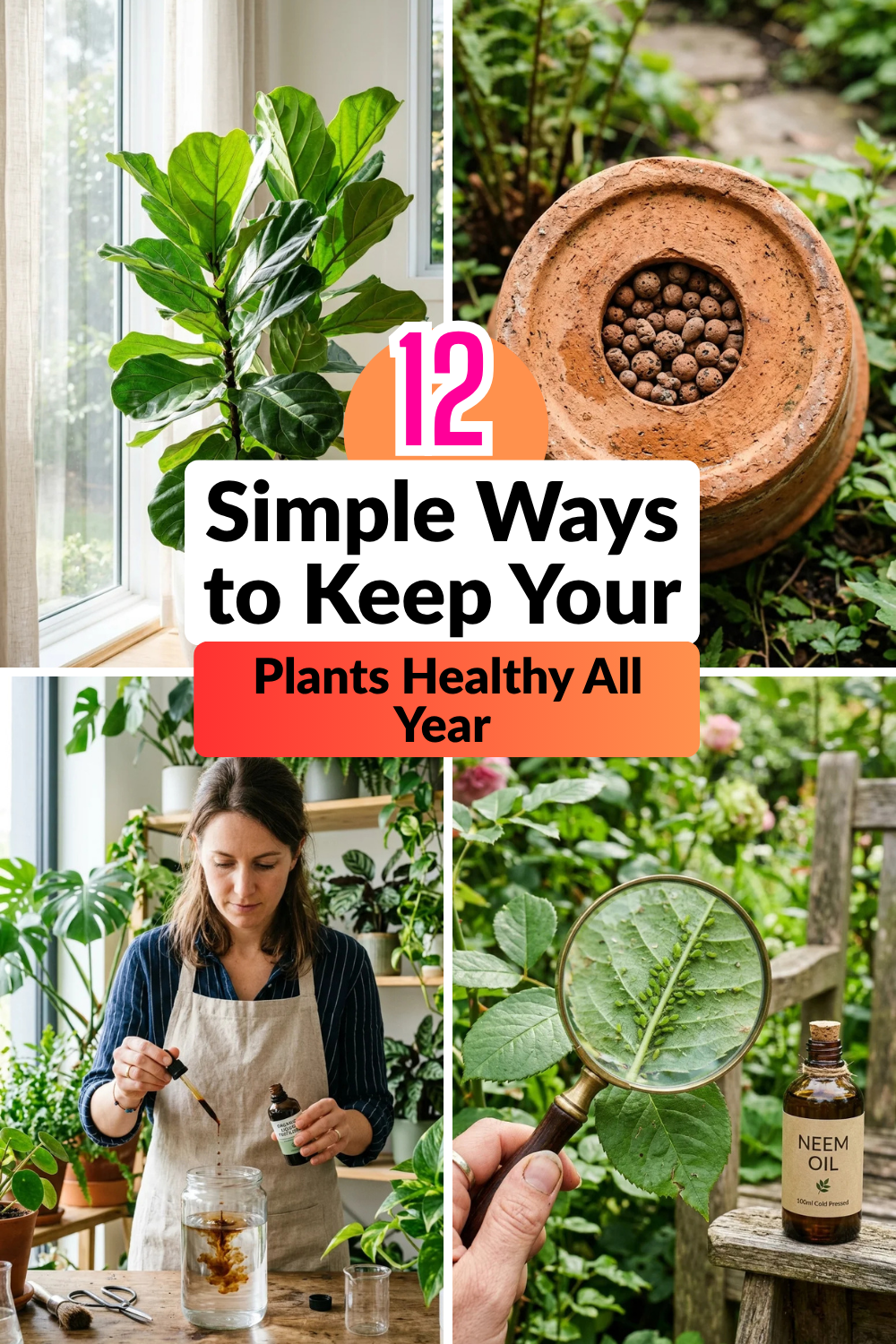
Becoming a plant parent is a journey filled with growth, both for your greenery and your skills. Whether you are tending to a single succulent or a sprawling indoor forest, the secret to long-term success lies in consistency and understanding the biological needs of your botanical friends. Maintaining health year-round requires more than just an occasional splash of water; it demands a seasonal strategy that adapts to the changing light and temperatures.
1. Lighting
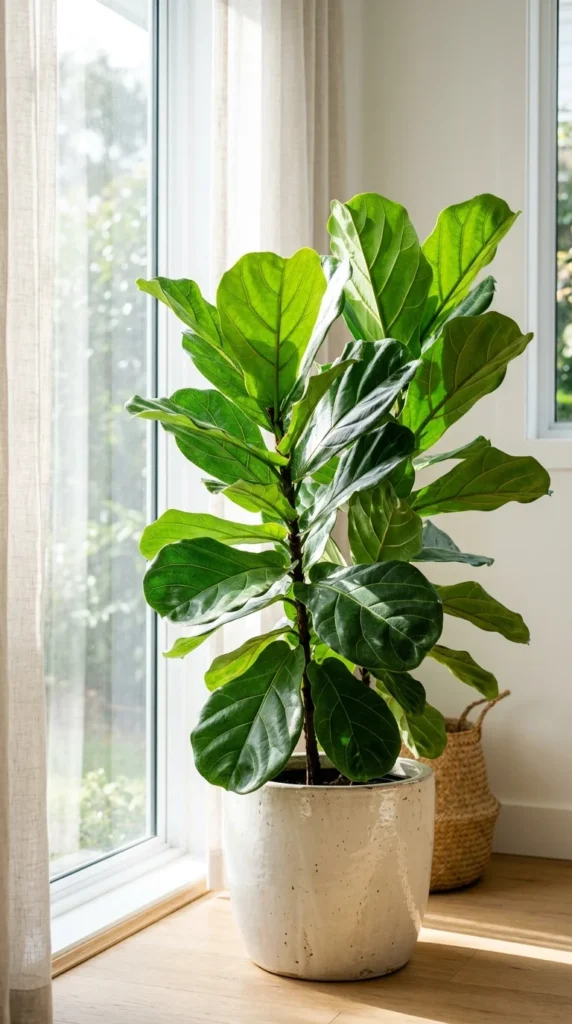
Light is the primary food source for plants through photosynthesis. Without the right intensity and duration, your plants will become “leggy,” stretching toward the nearest light source and losing their structural integrity.
- Assess Exposure: Understand the difference between direct, bright indirect, and low light. A south-facing window provides the most intense light, while north-facing windows offer the least.
- Supplement in Winter: During the dark winter months, consider using LED grow lights to provide the 12–14 hours of “sunlight” many tropical plants crave.
- Watch for Sunburn: If leaves develop bleached or brown crispy spots, they may be getting too much direct sun.
2. Watering
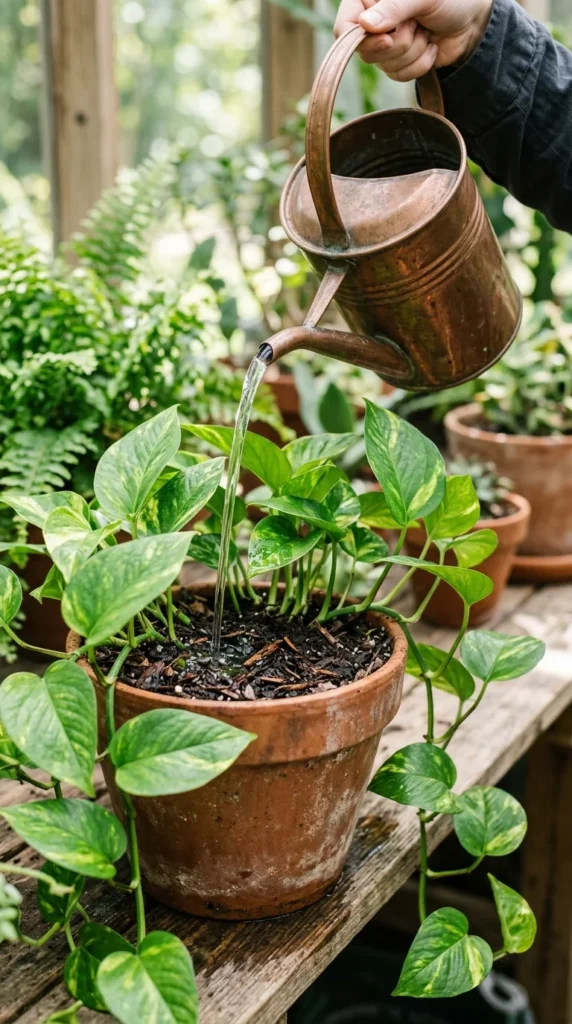
Overwatering is the number one killer of indoor plants. It’s not necessarily about the amount of water you give at once, but the frequency with which you do it.
- The Finger Test: Stick your finger two inches into the soil. If it feels dry, it’s time to water. If it’s damp, wait a few days.
- Bottom Watering: For plants that hate wet leaves or have compacted soil, place the pot in a tray of water for 20 minutes to allow the roots to soak up moisture from the bottom.
- Seasonal Adjustments: Plants need significantly less water in the winter when their growth slows down. Always scale back your watering schedule as the days get shorter.
3. Drainage
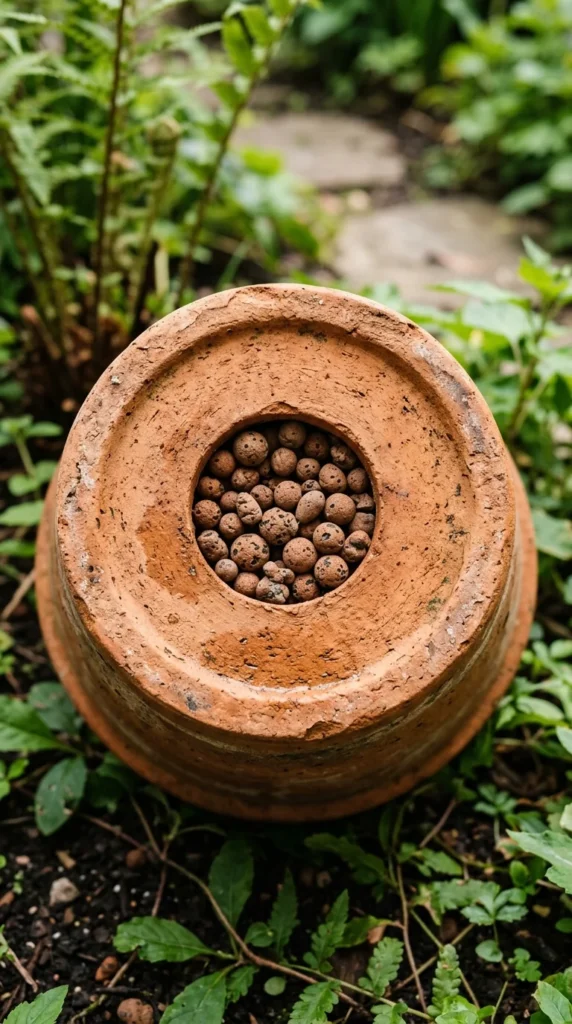
A plant without drainage is essentially sitting in a swamp. Without a way for excess water to escape, oxygen cannot reach the roots, leading to a fatal condition known as root rot.
- Choose the Right Pot: Always ensure your decorative pots have drainage holes. If you find a “cachepot” (a pot without a hole), keep your plant in its plastic nursery pot inside the decorative one.
- Drainage Layers: While some swear by adding rocks to the bottom, the most effective method is a clear exit path for water.
- Empty the Saucer: Never let your plant sit in a saucer full of standing water for more than 30 minutes.
4. Soil
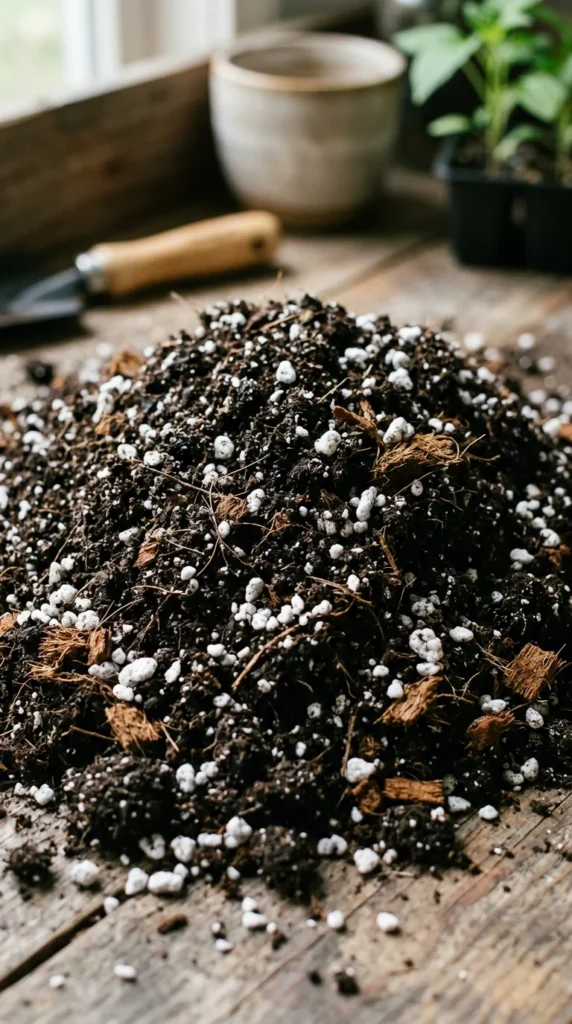
Soil is more than just dirt; it is the medium that provides nutrients, anchors the roots, and manages moisture. Using the wrong soil can suffocate your plant.
- Aerate Regularly: Use a chopstick to gently poke holes in the soil every few months. This prevents compaction and allows oxygen to reach the roots.
- Custom Mixes: Most tropical plants thrive in a mix of potting soil, perlite (for drainage), and orchid bark (for aeration).
- Freshness Matters: Over time, soil loses its nutrient value and structure. Consider refreshing the top layer of soil every spring.
5. Humidity
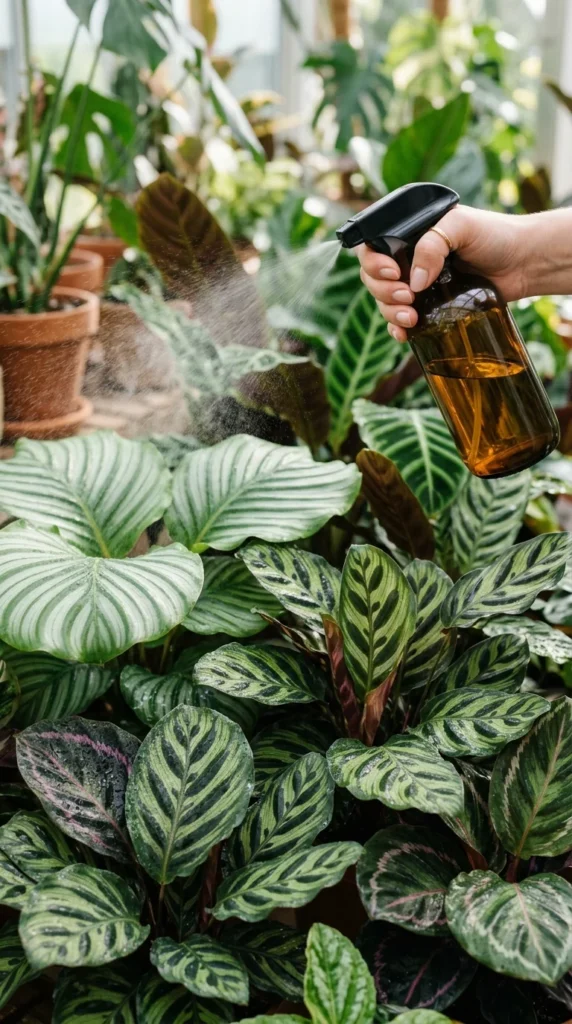
Most common houseplants originate from tropical rainforests where the humidity rarely drops below 60%. Modern air conditioning and heating systems strip moisture from the air, causing brown leaf tips.
- Grouping Plants: Plants transpire moisture through their leaves. By grouping them together, you create a localized microclimate with higher humidity.
- Pebble Trays: Fill a tray with pebbles and water, then set your plant on top (ensuring the pot isn’t touching the water). As the water evaporates, it humidifies the air around the leaves.
- Humidifiers: In the winter, a dedicated room humidifier is the most effective way to keep ferns and aroids happy.
6. Pruning
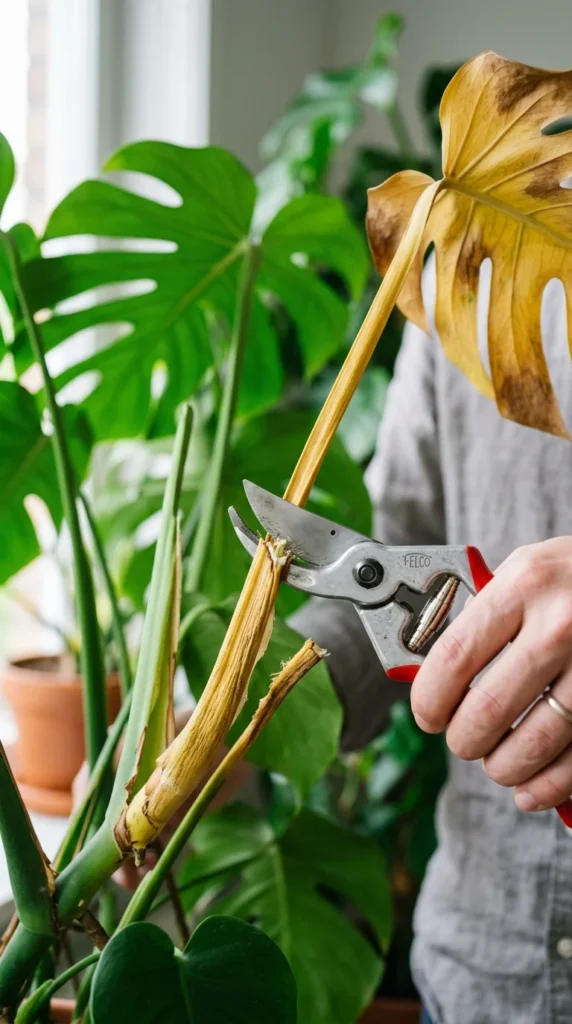
Pruning is essential for maintaining the shape of your plant and encouraging new, bushier growth. It also prevents the plant from wasting energy on dying or dead foliage.
- Sanitize Your Tools: Always wipe your shears with rubbing alcohol before and after use to prevent the spread of bacteria or fungus.
- The 25% Rule: Never remove more than 25% of a plant’s foliage at one time, as this can cause the plant to go into shock.
- Deadheading: Regularly remove spent flowers and yellowing leaves to redirect nutrients to the healthy parts of the plant.
7. Fertilizing
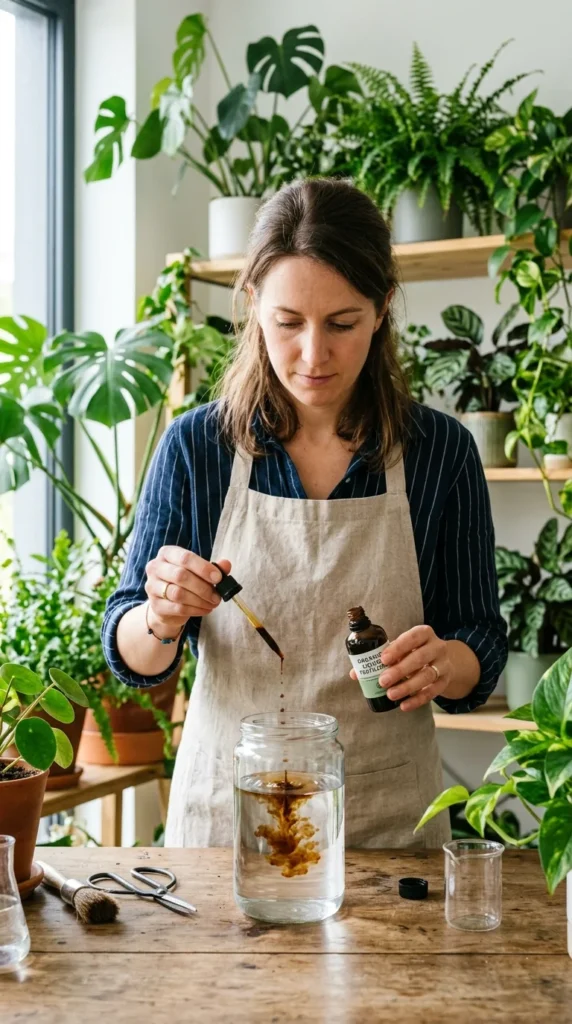
Think of fertilizer as a multivitamin rather than a meal. During the growing season (spring and summer), plants need extra nutrients to produce new leaves and flowers.
- Dilute Your Solution: It is always safer to under-fertilize than over-fertilize. Dilute your liquid fertilizer to half the recommended strength to avoid “fertilizer burn.”
- Organic Options: Worm castings and fish emulsion are excellent, gentle ways to provide nitrogen, phosphorus, and potassium.
- Winter Fasting: Stop fertilizing in late autumn. Forcing a plant to grow when it wants to rest can lead to weak, spindly stems.
8. Pest Control
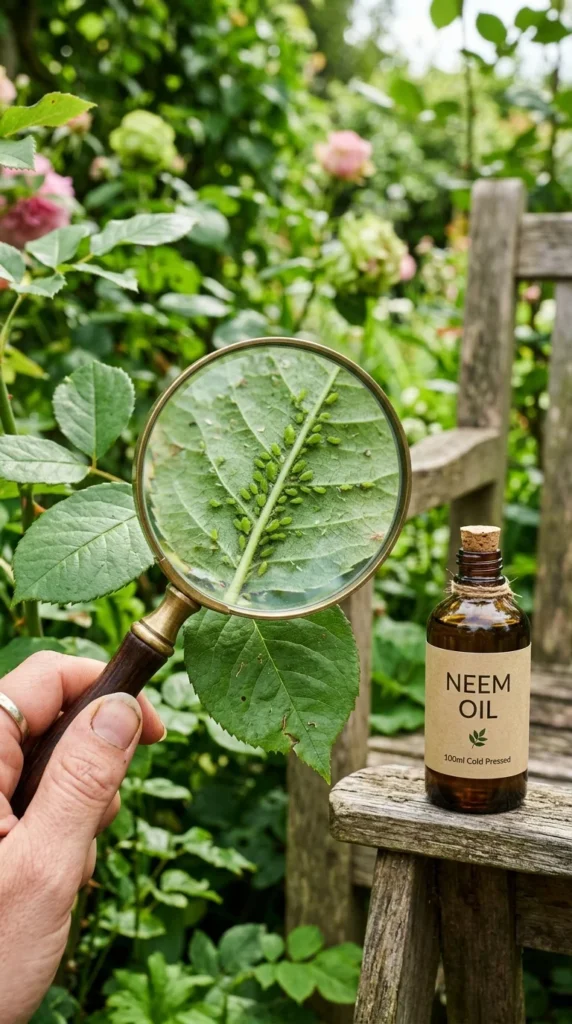
Pests are an inevitable part of plant ownership. The key is catching them early before an infestation takes over your entire collection.
- Regular Inspections: Check the undersides of leaves and the joints of stems once a week for webs (spider mites), white fuzz (mealybugs), or sticky residue (scale).
- Quarantine New Arrivals: Always keep new plants away from your existing collection for at least two weeks to ensure they aren’t harboring “hitchhikers.”
- Natural Remedies: Neem oil and insecticidal soaps are highly effective and safe for indoor use when applied according to instructions.
9. Temperature
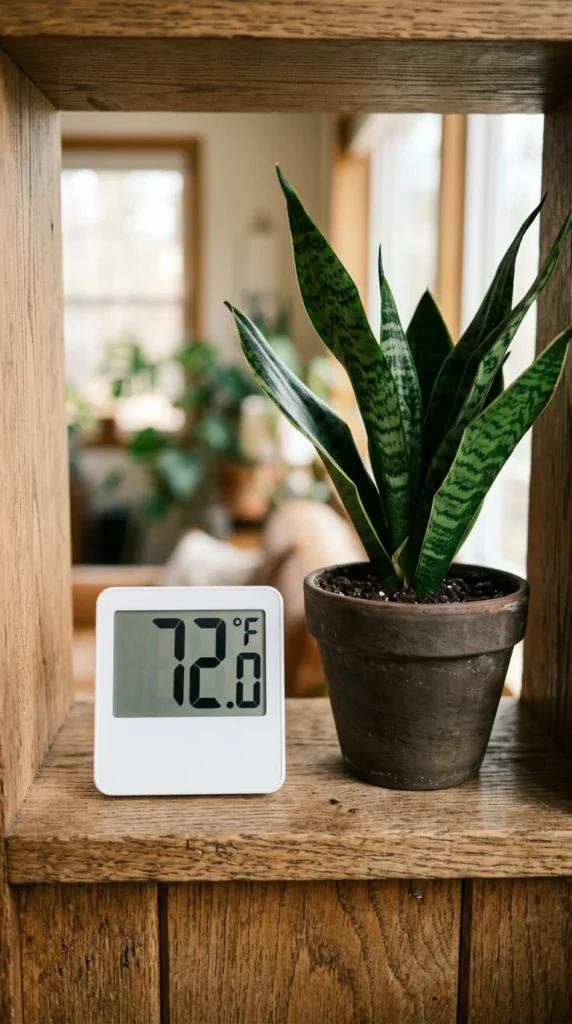
Plants are sensitive to extreme temperature fluctuations. A sudden blast of cold air from a door or the dry heat from a radiator can cause leaves to drop overnight.
- Avoid Drafts: Keep plants away from air conditioning vents, space heaters, and drafty windows during the winter.
- The Goldilocks Zone: Most houseplants are happy between 65°F and 75°F (18°C–24°C). If you are comfortable in a t-shirt, your plants are likely comfortable too.
- Nighttime Cool: Many plants appreciate a slight drop in temperature at night, mirroring their natural environment.
10. Rotation
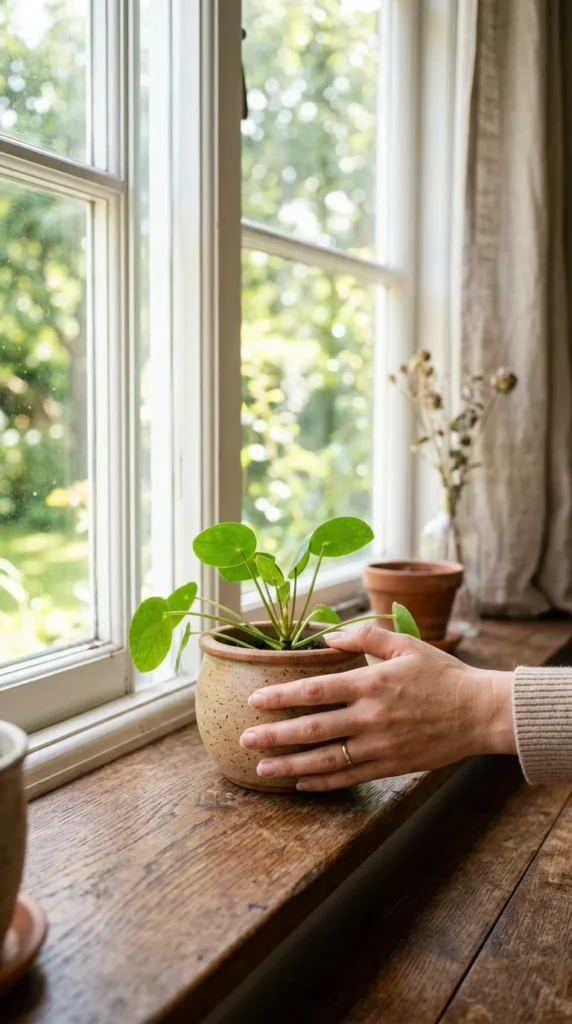
Plants are naturally phototropic, meaning they grow toward the light. If you never move your pot, your plant will eventually lean heavily to one side and become lopsided.
- The Quarter Turn: Every time you water your plant, give the pot a quarter-turn. This ensures all sides receive equal light exposure.
- Balanced Growth: Regular rotation encourages a sturdy, upright trunk and even leaf distribution, making for a much more aesthetic specimen.
- Check the Back: Rotating also allows you to inspect the “back” of the plant for dust or pests that you might otherwise miss.
11. Cleaning
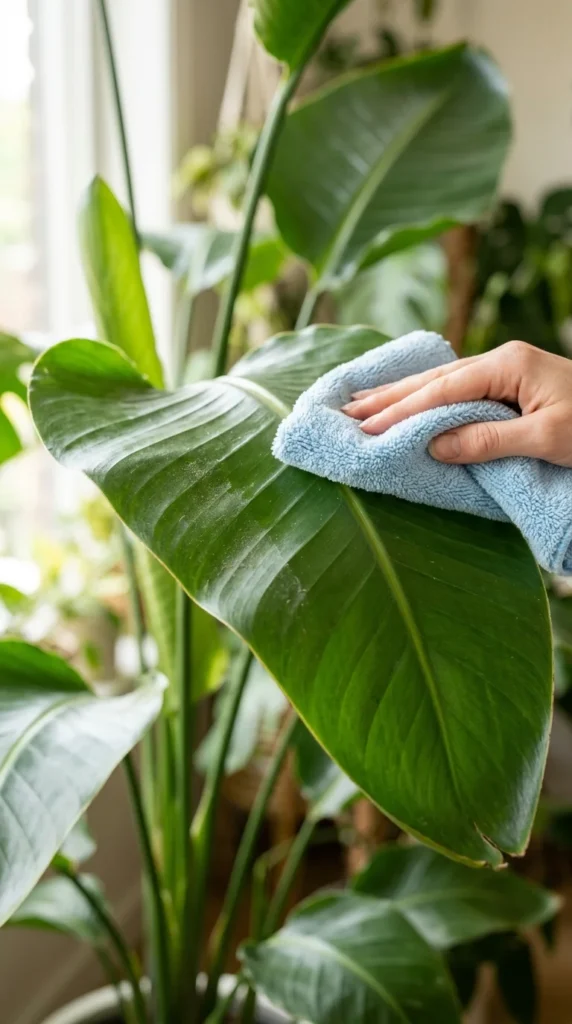
Dust is the enemy of photosynthesis. A thick layer of dust on leaves acts like a window shade, blocking the very light the plant needs to survive.
- Wipe Large Leaves: For plants with large surface areas, like Monsteras or Rubber Trees, use a damp cloth to gently wipe away dust every few weeks.
- Shower Your Plants: For smaller-leaved plants like Pothos or Ivy, give them a lukewarm “shower” in the sink or bathtub to wash away grime and hydrate the foliage.
- Leaf Shine Caution: Avoid commercial leaf shine products that contain oils, as these can clog the stomata (pores) of the leaves. Water and a tiny drop of mild soap are all you need.
12. Repotting