Stepping into an organic garden feels different. There is a palpable sense of vitality, a hum of life that transcends the rows of plants. Organic gardening isn’t just a method of growing food; it is a philosophy of working with nature rather than against it. By eschewing synthetic fertilizers and toxic pesticides, you create a self-sustaining ecosystem that thrives on its own merit. Whether you are a seasoned horticulturalist or a beginner with a single window box, understanding the profound benefits of organic practices will transform your relationship with the earth.
1. Nutrient Density
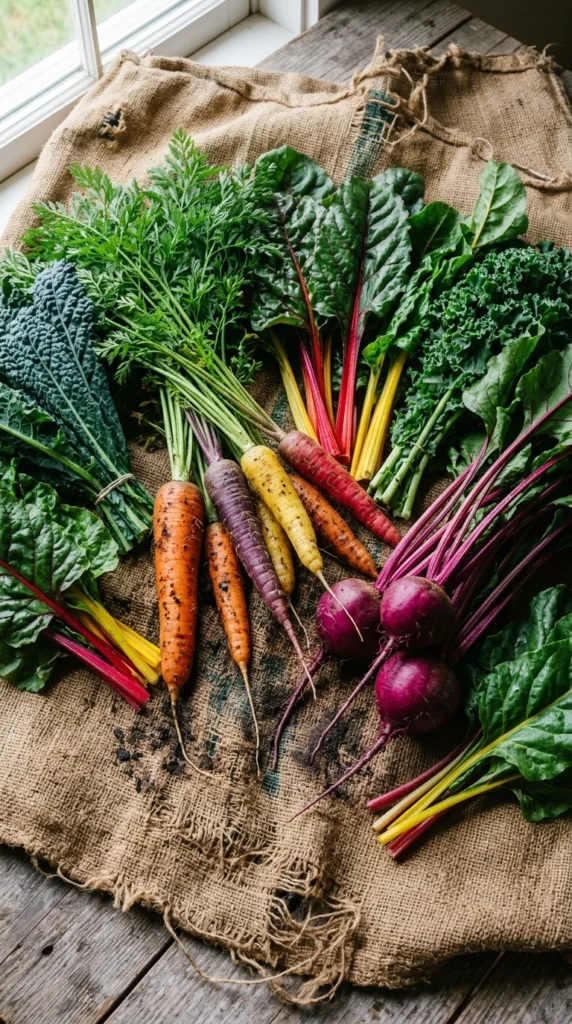
When you grow organically, you focus on feeding the soil, not just the plant. Plants grown in mineral-rich, biologically active soil tend to have higher concentrations of essential vitamins and antioxidants. Research suggests that organic produce often contains more Vitamin C, iron, and magnesium than its conventionally grown counterparts. Because organic plants must develop their own defense mechanisms against pests without the “crutch” of chemicals, they produce more secondary metabolites—the very compounds that provide health benefits to humans.
2. Chemical Safety
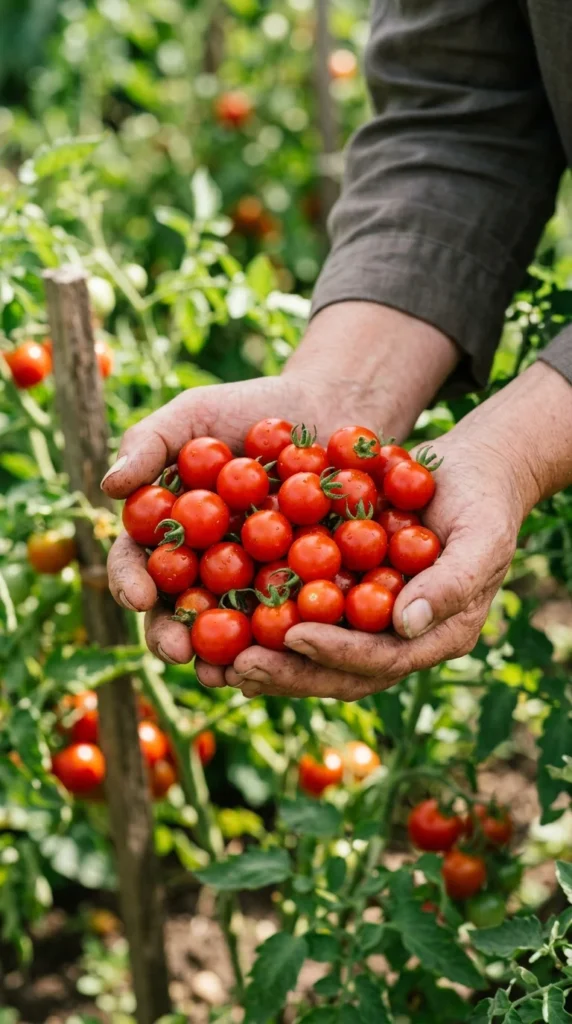
The most immediate benefit of organic gardening is the elimination of “the dirty dozen” and other pesticide residues from your diet. Conventional agriculture relies heavily on synthetic herbicides and insecticides that have been linked to various health issues. By maintaining an organic garden, you ensure that every berry, leaf, and root is safe to eat straight from the vine. This safety extends to your family and pets, who can play in the garden without the risk of exposure to toxic runoff or lingering chemical sprays.
3. Soil Health
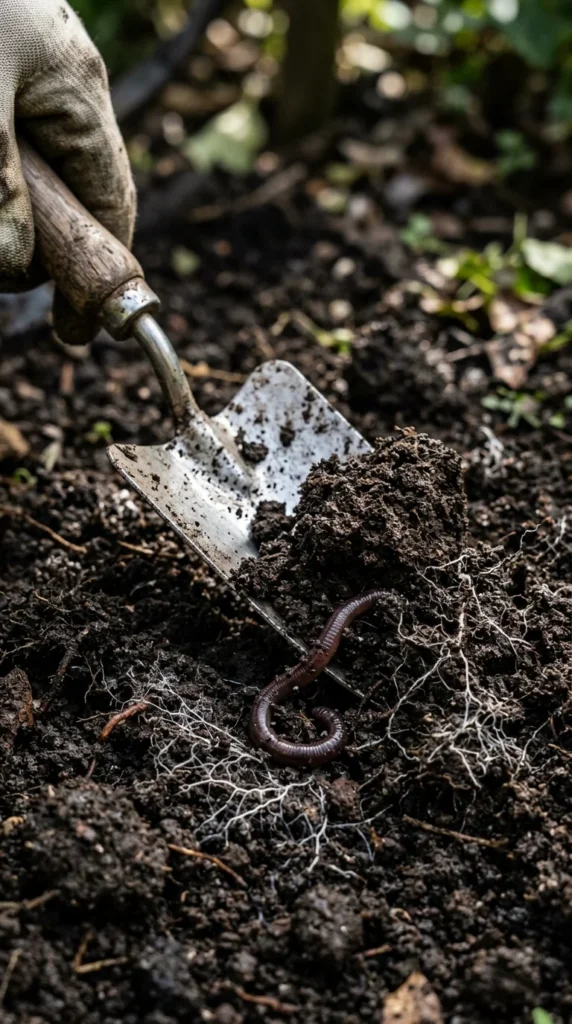
Soil is not just dirt; it is a living, breathing organism. Organic gardening prioritizes the “soil food web,” a complex community of bacteria, fungi, protozoa, and earthworms. Instead of drenching the earth with nitrogen salts that eventually kill beneficial microbes, organic gardeners use compost and mulch. This builds a robust soil structure that breathes better, holds more moisture, and provides a steady, slow-release buffet of nutrients for your plants. Healthy soil is the foundation of a resilient garden.
4. Water Conservation
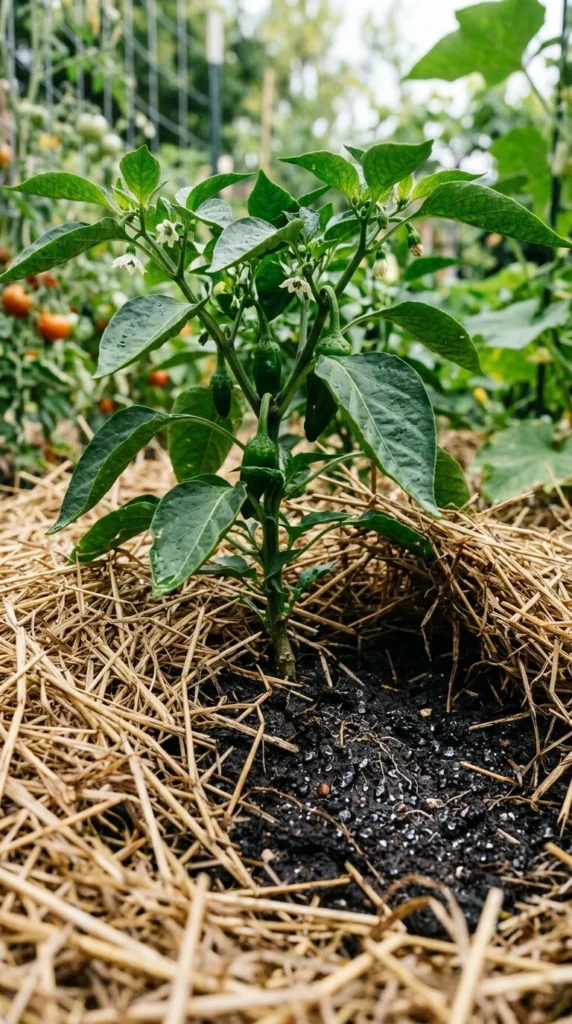
Organic gardens are naturally better at managing water. Because organic matter (like compost) acts like a sponge, it can hold up to 90% of its weight in water. This means that during hot summer months, your garden stays hydrated longer, reducing the need for constant irrigation. Furthermore, the practice of mulching—a staple of organic gardening—prevents evaporation and keeps the root zones cool. This not only saves you money on your water bill but also protects local water tables from being depleted.
5. Pollinator Support
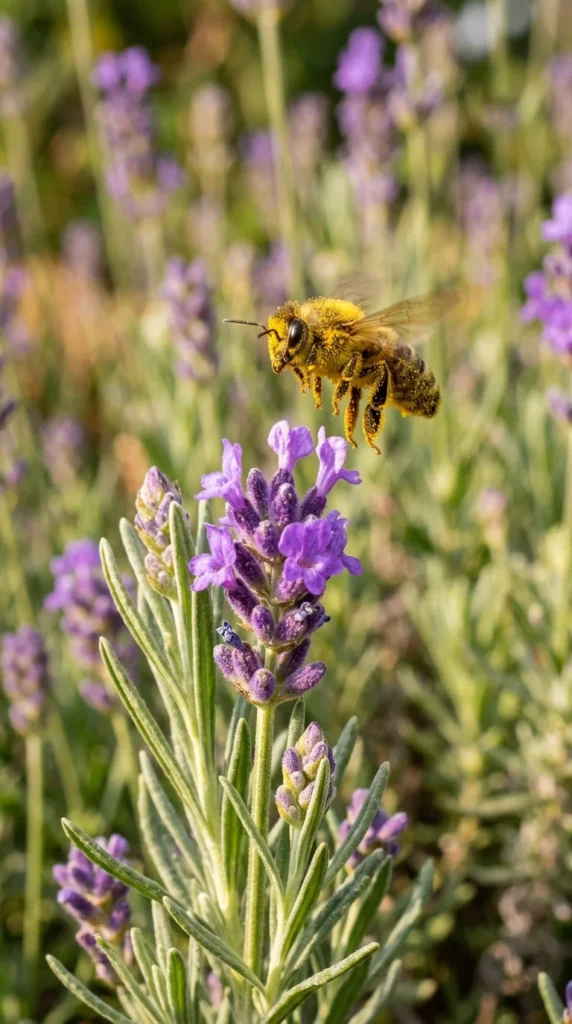
The global decline of pollinators is a major environmental concern, and home organic gardens serve as vital sanctuaries. Synthetic pesticides, particularly neonicotinoids, are devastating to bees, butterflies, and hoverflies. By providing a chemical-free environment filled with a variety of flowering plants, you create a “pollinator highway.” These insects, in turn, provide the essential service of fertilizing your crops, leading to higher yields and larger, more symmetrical fruits.
6. Biodiversity
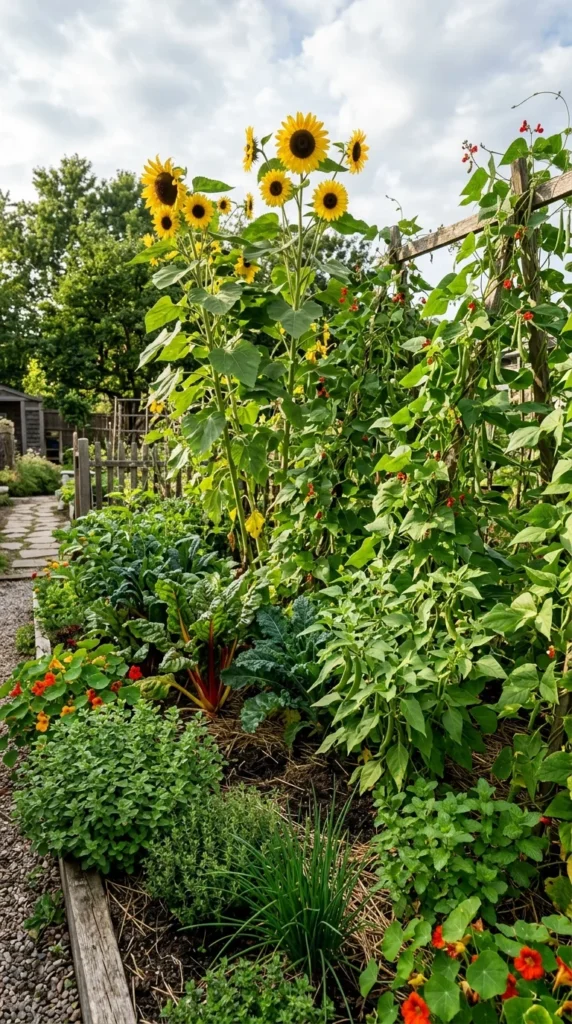
Conventional gardens often resemble monocultures, but organic gardens thrive on diversity. By planting a wide range of species, you prevent a single pest from wiping out your entire harvest. Organic gardening encourages “beneficials”—predatory insects like ladybugs and lacewings—to take up residence and keep the “bad” bugs in check. This natural balance creates a self-regulating system where the gardener acts more as a conductor than a combatant.
7. Cost Savings
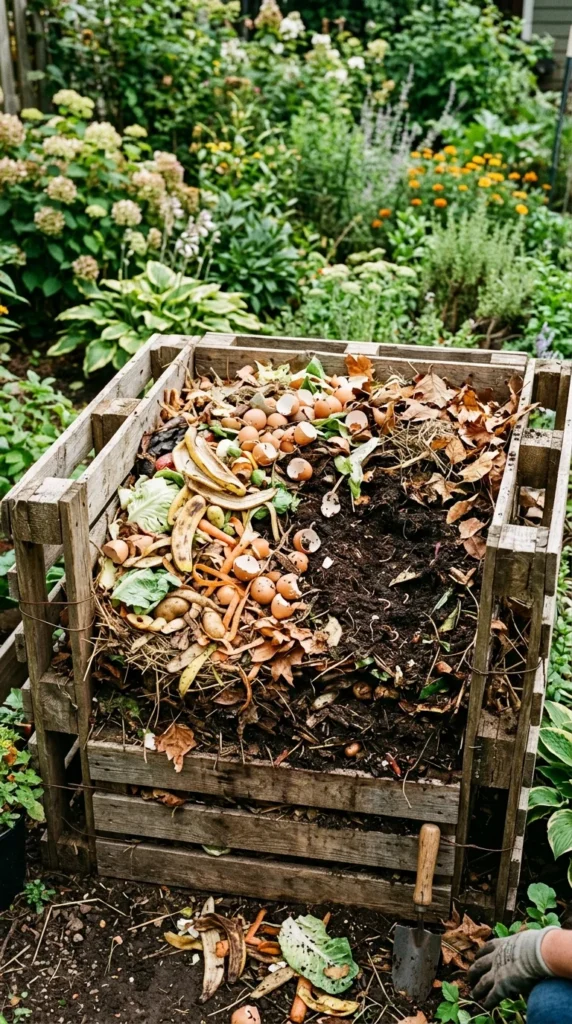
While the initial setup of a garden can require an investment, organic gardening is significantly cheaper in the long run. Instead of buying expensive bags of synthetic fertilizer and chemical sprays, you create your own “black gold” through composting. Kitchen scraps, yard waste, and even shredded cardboard become free, high-quality nutrients. Additionally, organic gardeners often practice seed saving, meaning you never have to buy a packet of tomato or bean seeds again once you find a variety you love.
8. Pest Resilience
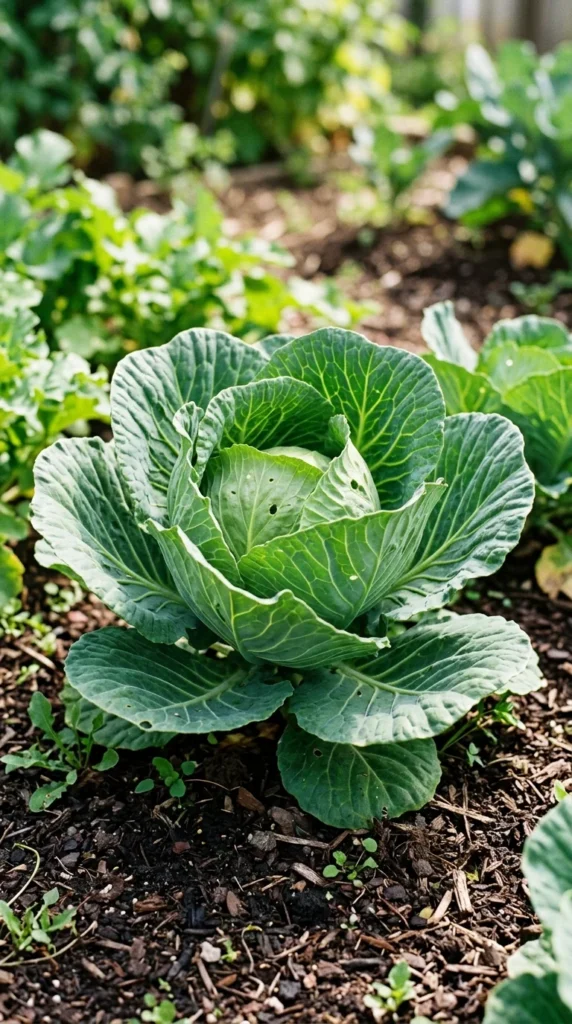
It might seem counterintuitive, but organic plants are often tougher than chemical-dependent ones. When a plant is forced to grow too quickly using high-nitrogen synthetic fertilizers, its cell walls become thin and watery, making it a “soft target” for aphids and mites. Organic plants grow at a natural pace, developing thicker cell walls and stronger root systems. This inherent vigor allows them to withstand minor pest attacks and environmental stressors like wind or brief dry spells far better than “pampered” conventional plants.
9. Flavor Profiles
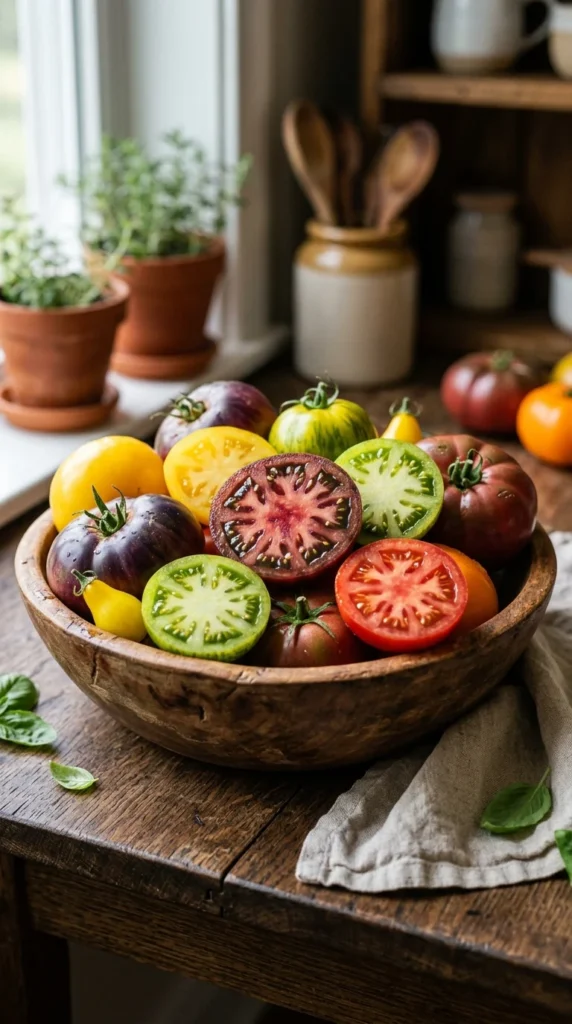
If you have ever tasted a homegrown organic strawberry compared to a supermarket one, you know the difference. The flavor of a fruit or vegetable is a direct reflection of the soil’s mineral content and the plant’s health. Because organic gardening emphasizes a wide spectrum of micronutrients and allows the plant to ripen naturally on the vine, the sugars and aromatic compounds have time to fully develop. The result is produce that isn’t just “food,” but a culinary experience.
10. Carbon Sequestration
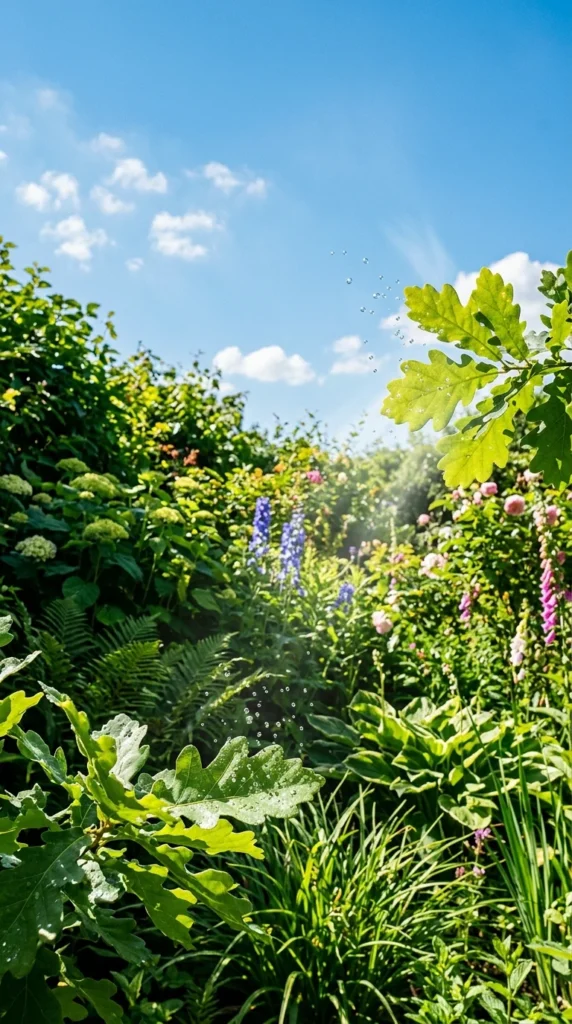
Organic gardening is a powerful tool in the fight against climate change. Soil is one of the world’s largest carbon sinks. By avoiding tilling (which releases carbon) and adding organic matter, you are literally pulling carbon dioxide out of the atmosphere and “locking” it into the ground. A healthy, organic garden acts as a mini-carbon sequestering machine, helping to mitigate the greenhouse effect right in your own backyard.
11. Physical Exercise
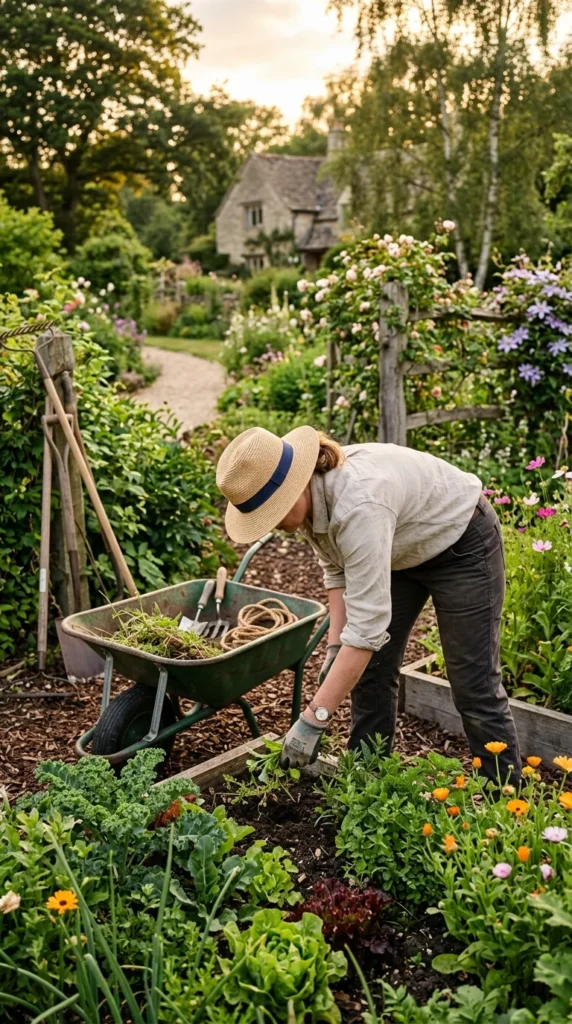
Gardening is one of the most productive forms of physical activity. Digging, planting, weeding, and harvesting involve functional movements like squatting, reaching, and lifting. An hour of vigorous gardening can burn as many calories as a moderate session at the gym, but with the added benefit of fresh air and vitamin D. Because organic gardening requires a bit more “hands-on” management—such as hand-pulling weeds instead of spraying them—it keeps you moving and physically engaged with your environment.
12. Mental Health

The psychological benefits of organic gardening are well-documented. “Horticultural therapy” is used to treat stress, anxiety, and depression. Working with the soil exposes you to Mycobacterium vaccae, a harmless soil bacterium that has been found to trigger the release of serotonin in the brain. The rhythmic nature of garden tasks and the visual beauty of a thriving organic space provide a meditative escape from the digital world, fostering a sense of peace and accomplishment.
13. Seed Preservation

When you garden organically, you often gravitate toward heirloom and non-GMO varieties. These plants are open-pollinated, meaning you can save their seeds and grow the exact same plant next year. This preserves genetic diversity and protects rare plant varieties that might otherwise go extinct in the face of industrial agriculture. By becoming a seed saver, you contribute to a global network of gardeners who are safeguarding the future of our food supply.
14. Erosion Prevention
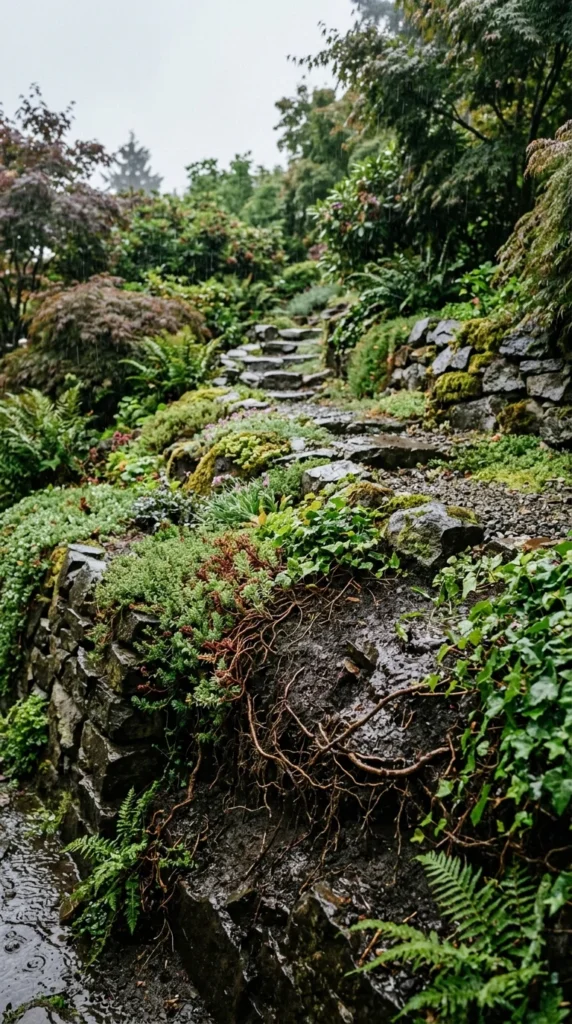
Conventional farming often leaves soil bare between seasons, leading to massive topsoil erosion during rainstorms. Organic gardening practices, such as cover cropping and interplanting, ensure that the soil is always covered. The complex root systems of organic plants and the presence of organic “glue” (glomalin) produced by soil fungi hold the earth together. This prevents your valuable topsoil from washing away into storm drains and local waterways, keeping your garden’s “capital” right where it belongs.
15. Educational Value

An organic garden is a living classroom. It teaches us about the cycles of life, the interconnectedness of species, and the importance of patience. For children, it is a hands-on way to learn where their food comes from and how to respect the environment. For adults, it provides a constant source of wonder and a deeper understanding of biology and ecology. Every season brings new lessons, making the organic garden a source of lifelong learning and growth.