Gardening is often portrayed as a serene, therapeutic hobby, but for the plants involved, it can sometimes be a struggle for survival. Even the most well-intentioned gardeners can fall into habits that inadvertently stress, weaken, or even kill their botanical companions. Whether you are a seasoned horticulturalist or a novice with a single window box, understanding the common pitfalls of plant care is the first step toward a thriving green space. Below are the ten most common garden care mistakes that could be damaging your plants and how to fix them.
1. Overwatering
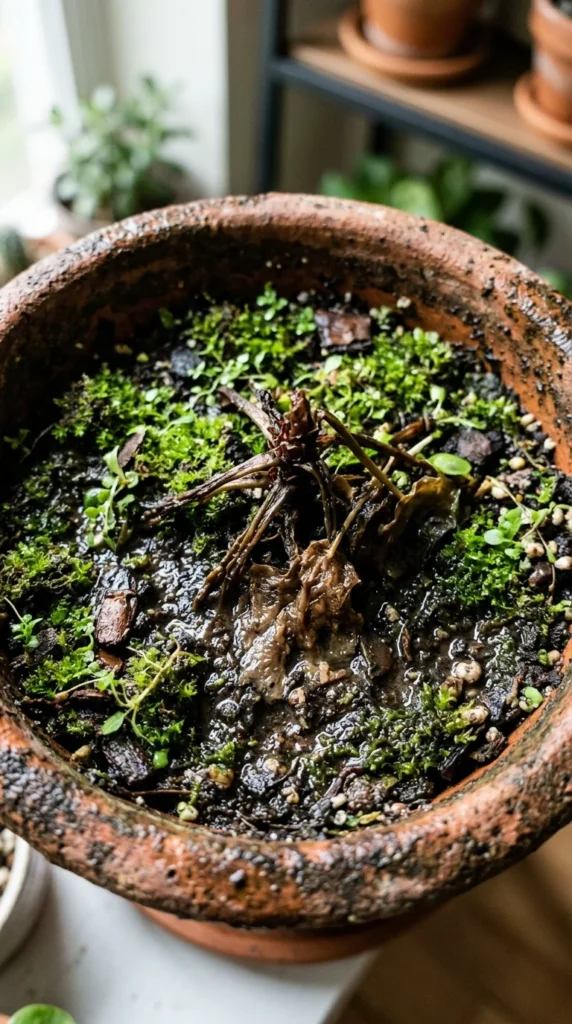
One of the most frequent “acts of kindness” that kills plants is overwatering. Many gardeners assume that if a plant looks slightly wilted, it needs a drink. However, wilting can also be a sign of root rot, which occurs when roots are submerged in water-logged soil for too long.
Plants need oxygen just as much as they need water. When the soil is constantly saturated, the air pockets are filled with liquid, effectively drowning the root system. This leads to a fungal breakdown of the roots, preventing them from taking up any nutrients at all.
- The Sign: Yellowing lower leaves, a soft or mushy stem base, and soil that smells slightly sour or fermented.
- The Fix: Always check the soil moisture levels by sticking your finger an inch or two into the earth before watering. If it feels damp, wait. Ensure all pots have drainage holes and use well-draining soil mixes.
2. Sun Misplacement
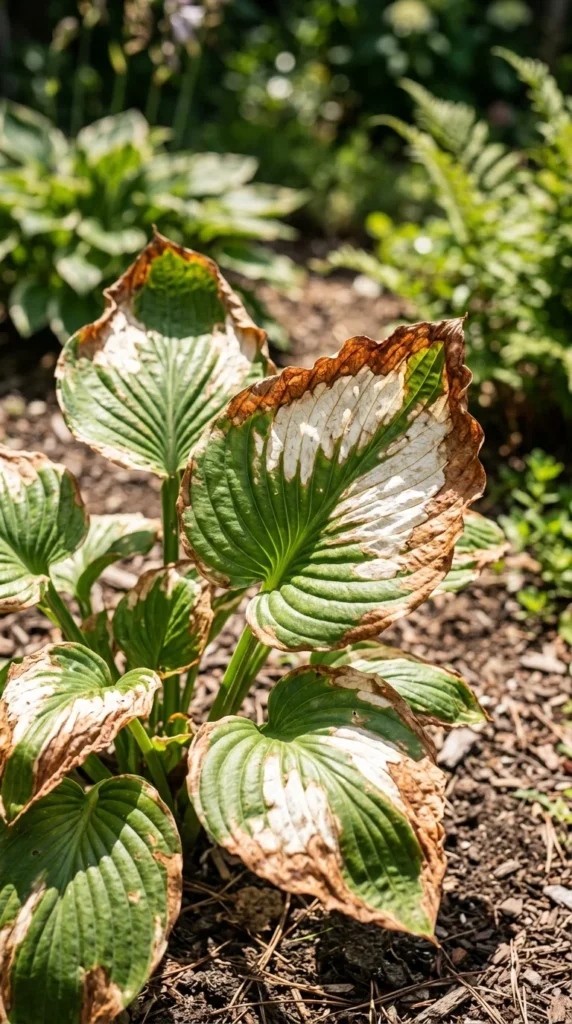
Not all plants are created equal when it comes to light requirements. Placing a shade-loving fern in the blistering afternoon sun or a sun-hungry succulent in a dark corner is a recipe for disaster.
Sunlight provides the energy for photosynthesis, but too much of it can lead to “leaf scorch,” where the sun literally burns the plant tissue. Conversely, insufficient light causes “etiolation,” where plants become “leggy,” stretching their stems toward the nearest light source, resulting in weak, spindly growth that cannot support its own weight.
- The Sign: Bleached spots on leaves (too much sun) or long, thin stems with very few leaves (too little sun).
- The Fix: Read the plant tag carefully. “Full Sun” means at least 6 hours of direct light, “Partial Shade” means 3-6 hours, and “Shade” means less than 3 hours of direct sunlight.
3. Excessive Fertilizing
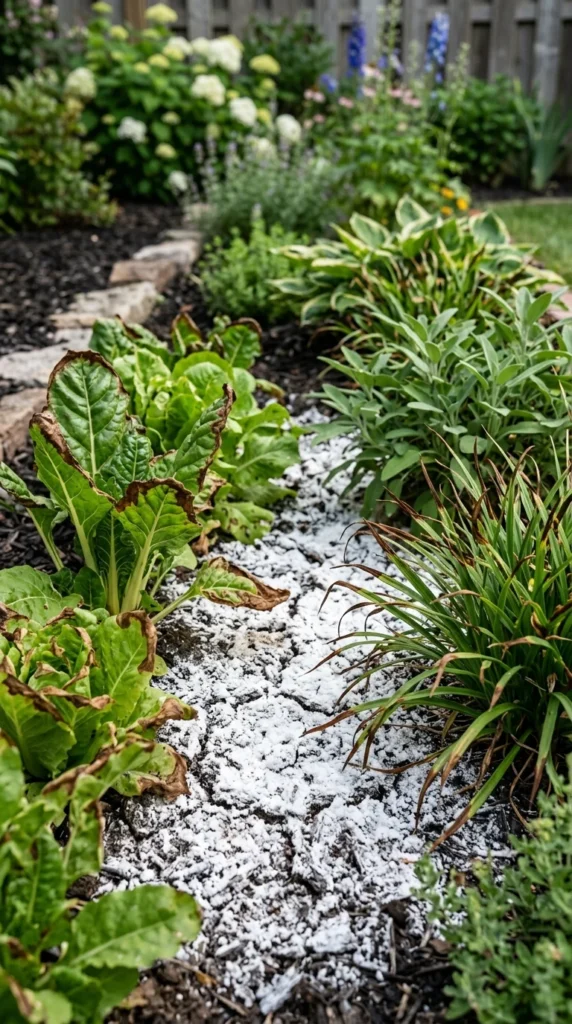
It is tempting to think that more fertilizer equals more growth, but “fertilizer burn” is a very real threat. Fertilizers are essentially salts. When applied in excess, these salts accumulate in the soil and draw moisture away from the roots, effectively dehydrating the plant from the inside out.
Furthermore, over-fertilizing with nitrogen can lead to a flush of soft, green growth that is highly attractive to pests like aphids and more susceptible to diseases.
- The Sign: Brown, “burnt” edges on leaves, a white crust on the soil surface, or a plant that grows rapidly but never produces flowers or fruit.
- The Fix: Use organic, slow-release fertilizers which are less likely to burn. Always follow the package instructions and err on the side of using less rather than more.
4. Shallow Watering
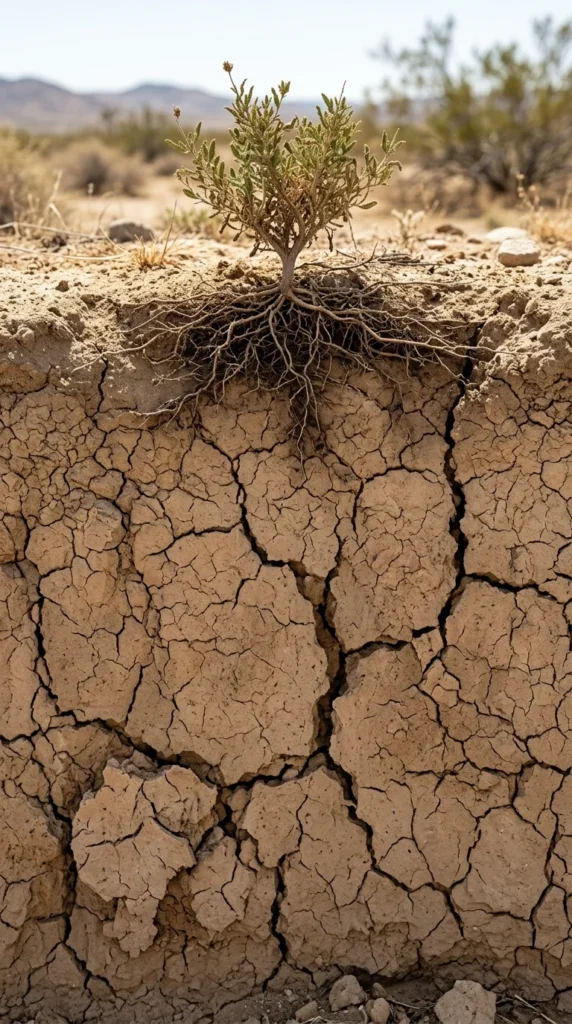
Watering frequently but lightly is a common mistake. If you only give your plants a quick sprinkle every day, the water never penetrates deep into the soil. This encourages the plant to develop a shallow root system near the surface to catch the daily drizzle.
Shallow roots are dangerous because they are the first to dry out during a heatwave. A plant with deep roots can tap into the moisture reserves deep in the earth, making it much more resilient to drought and temperature fluctuations.
- The Sign: Plants that wilt immediately the moment the sun comes out, even if they were watered that morning.
- The Fix: Water deeply and less frequently. Aim to soak the soil so that moisture reaches several inches down. This encourages roots to grow downward, creating a stronger, more stable plant.
5. Poor Pruning
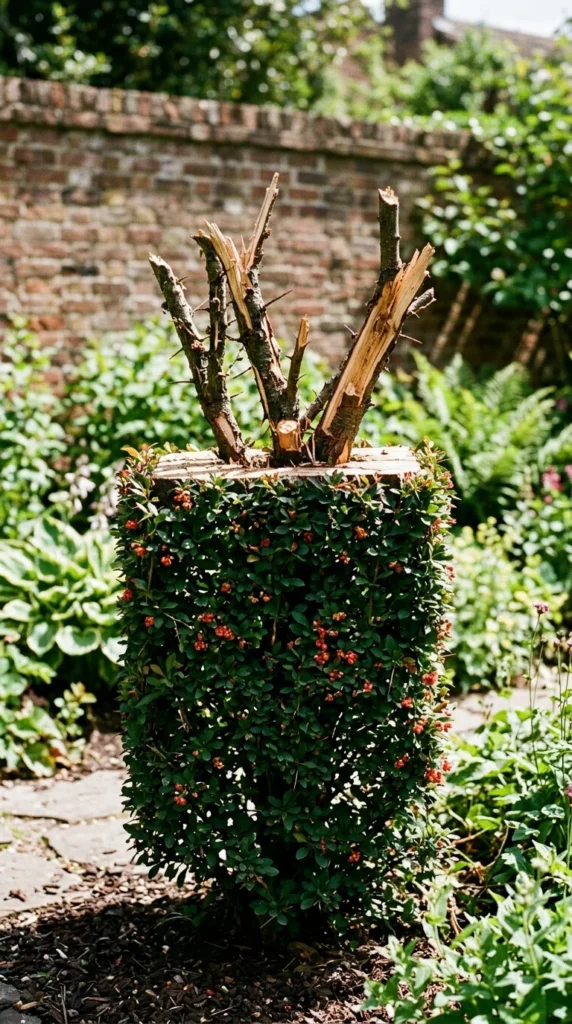
Pruning is essential for removing dead wood and encouraging new growth, but doing it at the wrong time or with the wrong technique can cause significant damage. Pruning too late in the season can stimulate new growth that won’t have time to harden off before the first frost, leading to winter kill.
Additionally, using “topping” techniques—where the top of a tree or shrub is hacked off indiscriminately—creates large wounds that the plant cannot easily heal, opening the door for fungal infections and wood rot.
- The Sign: Lack of flowers (if you pruned off the buds), “dieback” at the tips of branches, or an ugly, stunted appearance.
- The Fix: Research your specific plant’s pruning needs. As a general rule, prune spring-flowering plants immediately after they bloom and summer-flowering plants in late winter or early spring. Always use sharp, clean tools.
6. Overcrowding
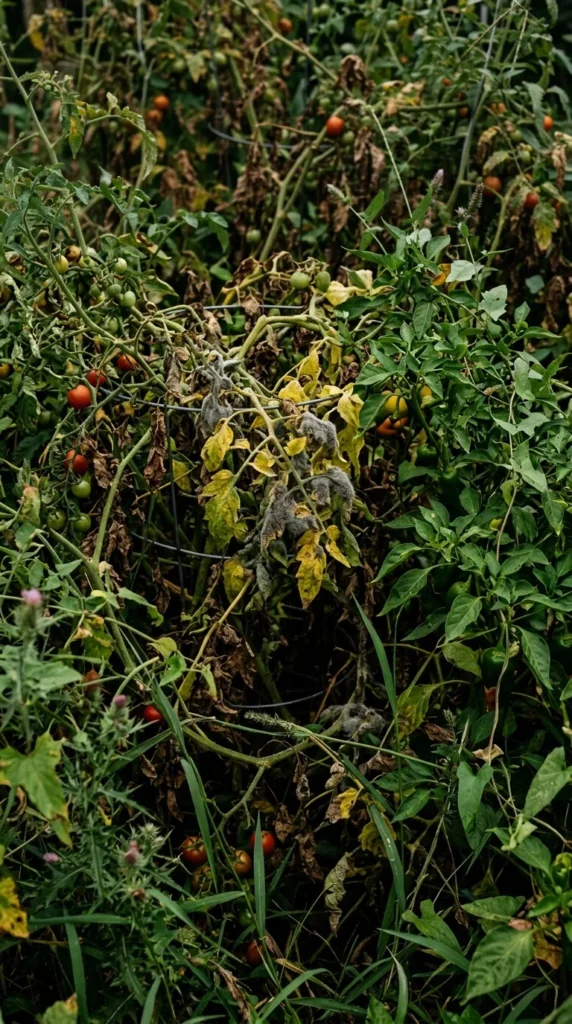
It is easy to get over-excited at the garden center and buy more plants than your space can handle. However, crowding plants too closely together leads to a competition for resources: light, water, and nutrients.
More importantly, overcrowding prevents proper airflow. Stagnant air around foliage creates a humid microclimate that is the perfect breeding ground for powdery mildew, rust, and other fungal diseases.
- The Sign: Mold or fungus on leaves, lower leaves falling off due to lack of light, and generally stunted growth.
- The Fix: Respect the “spacing” requirements on plant labels. It might look sparse when you first plant, but the plants will fill in the gaps as they mature.
7. Foliage Watering
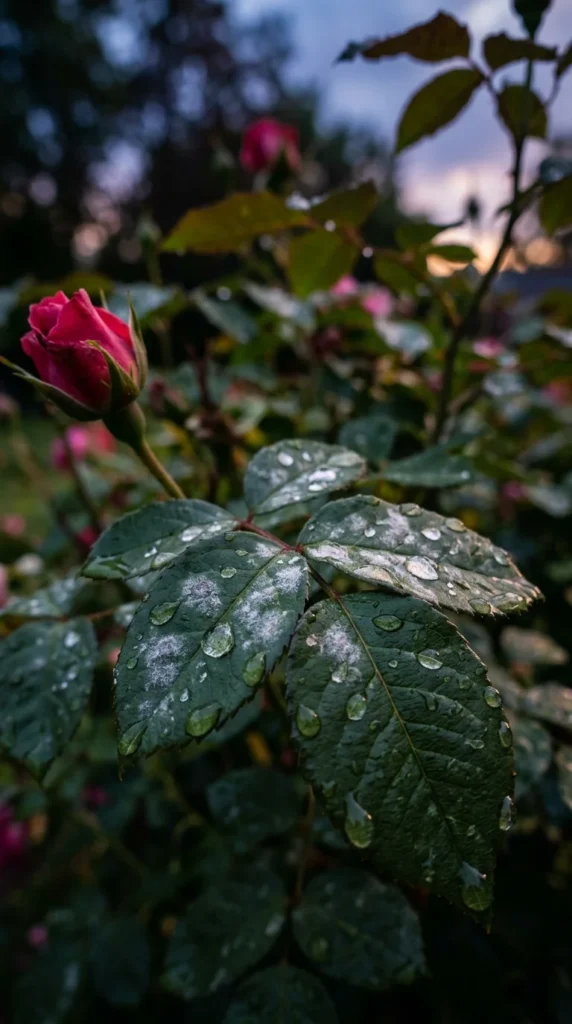
Many gardeners water their plants by spraying them from above with a hose. While this might feel like a refreshing rain shower, it is one of the quickest ways to spread disease. Water sitting on leaves—especially in the evening when it won’t evaporate quickly—provides an entry point for pathogens.
Fungal spores thrive in moisture. When you spray the leaves, you are essentially providing a highway for diseases to travel from one leaf to another.
- The Sign: Spots on leaves, fuzzy growth, or leaves that turn black and drop off.
- The Fix: Always water at the base of the plant, directing the flow toward the soil and roots. If you must use a sprinkler, do so early in the morning so the sun can dry the leaves quickly.
8. Using Dull Tools
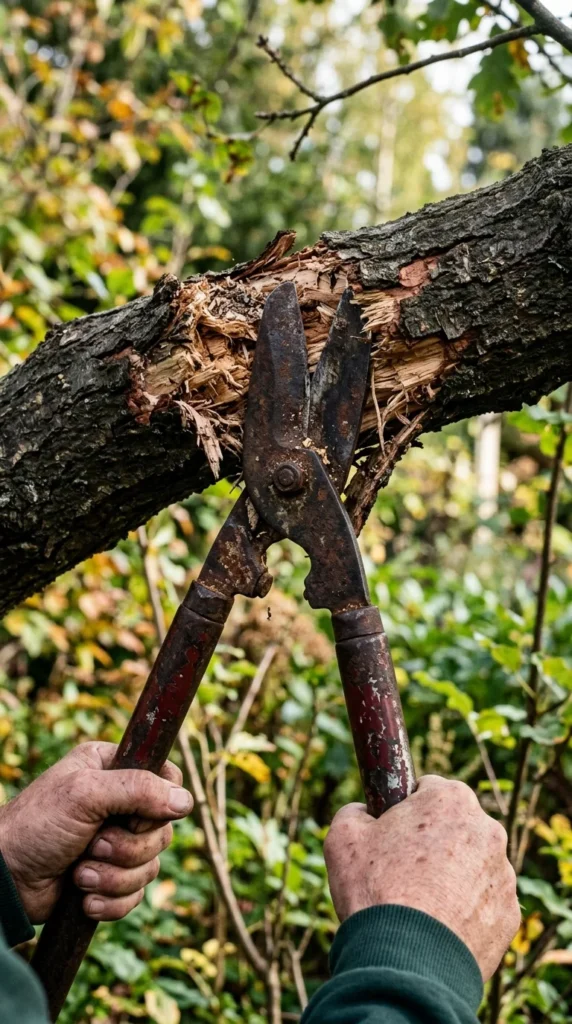
Using dull or dirty pruning shears is like a surgeon using a rusty, blunt scalpel. A dull blade doesn’t cut through the plant tissue; it crushes it. These jagged, torn wounds take much longer to heal and provide a massive surface area for bacteria and pests to invade.
Furthermore, if you use tools on a diseased plant and then move to a healthy one without cleaning them, you are effectively inoculating your healthy plants with the disease.
- The Sign: Ragged, “chewed” looking cuts on stems and branches that fail to callus over.
- The Fix: Sharpen your tools at the beginning of every season. Clean your blades with rubbing alcohol or a 10% bleach solution between plants, especially if you suspect a disease is present.
9. Ignoring Soil Health
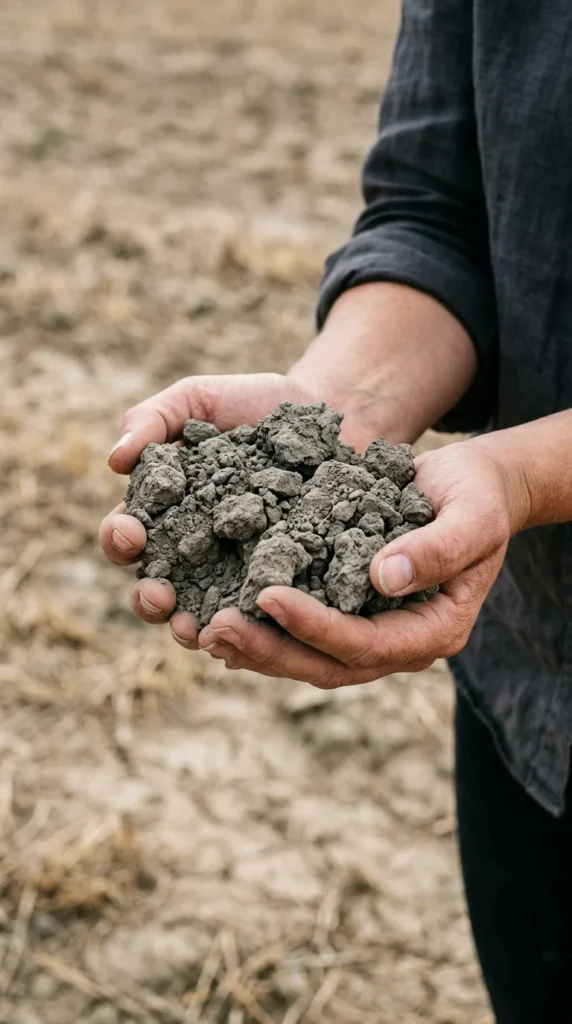
Plants are only as healthy as the soil they grow in. Many gardeners focus entirely on the plant and ignore the “living” aspect of the dirt. Soil that is too compacted prevents roots from spreading and water from draining. Soil that lacks organic matter won’t hold onto nutrients.
Furthermore, the pH level of the soil determines whether a plant can actually “see” the nutrients present. If the soil is too acidic or too alkaline for a specific plant, the nutrients will be chemically locked away, regardless of how much fertilizer you add.
- The Sign: Slow growth, chlorosis (yellow leaves with green veins), and soil that stays hard and dry like concrete.
- The Fix: Regularly add organic compost to your garden beds. Test your soil pH every few years and choose plants that are suited to your specific soil type.
10. Late Pest Intervention
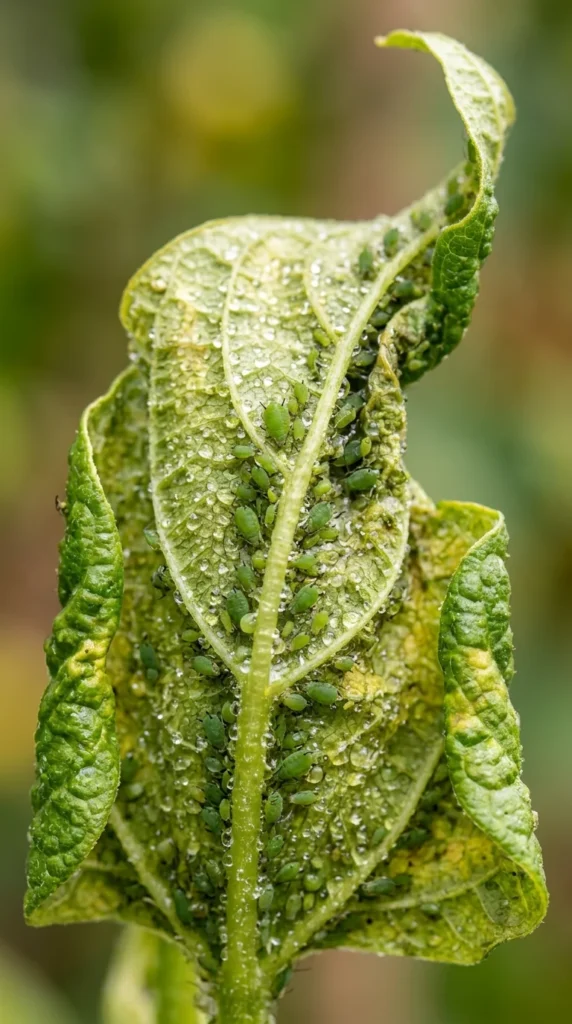
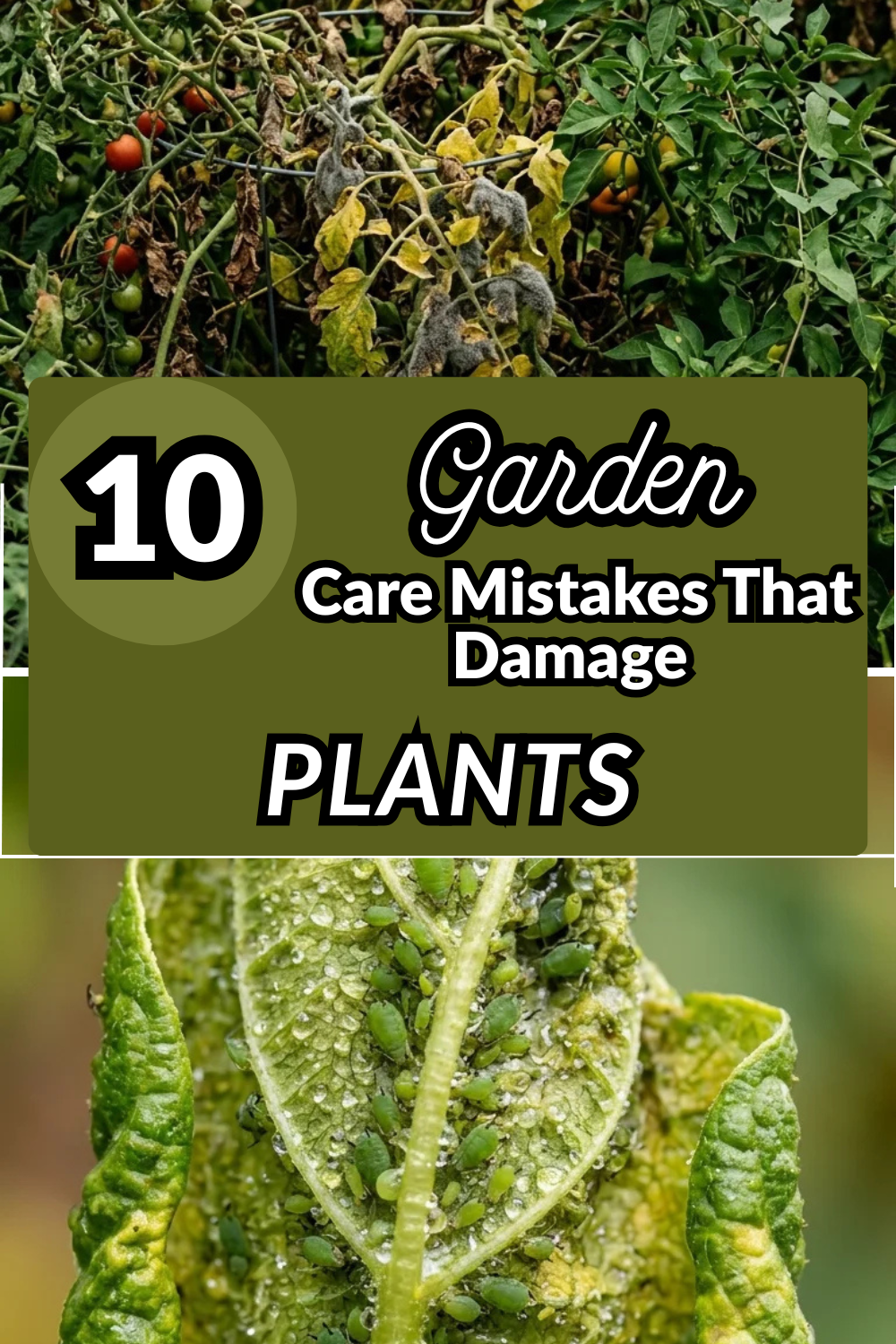
Waiting until a plant is covered in bugs before taking action is a common mistake. By the time you see a massive infestation, the plant has already been significantly weakened and may have already contracted a viral disease spread by the insects.
Small populations of pests are easy to manage with manual removal or mild soaps. Massive populations often require harsher chemicals or may necessitate the removal and destruction of the entire plant to save the rest of the garden.
- The Sign: Curled or distorted leaves, sticky residue on the foliage, or visible clusters of insects on new growth.
- The Fix: Inspect your plants weekly. Look at the undersides of leaves and inside new buds. Catching a problem early makes it a minor inconvenience rather than a garden-wide catastrophe.